Newsletters


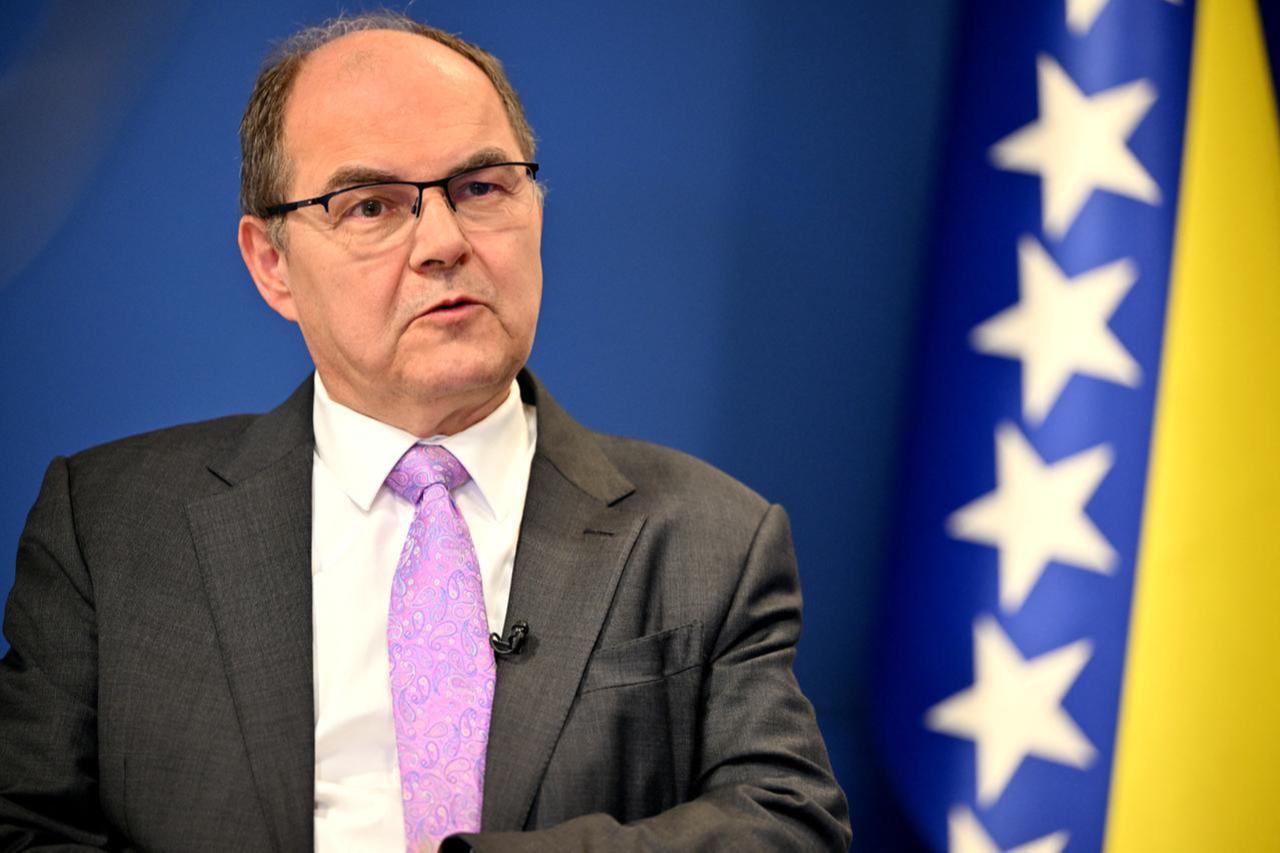


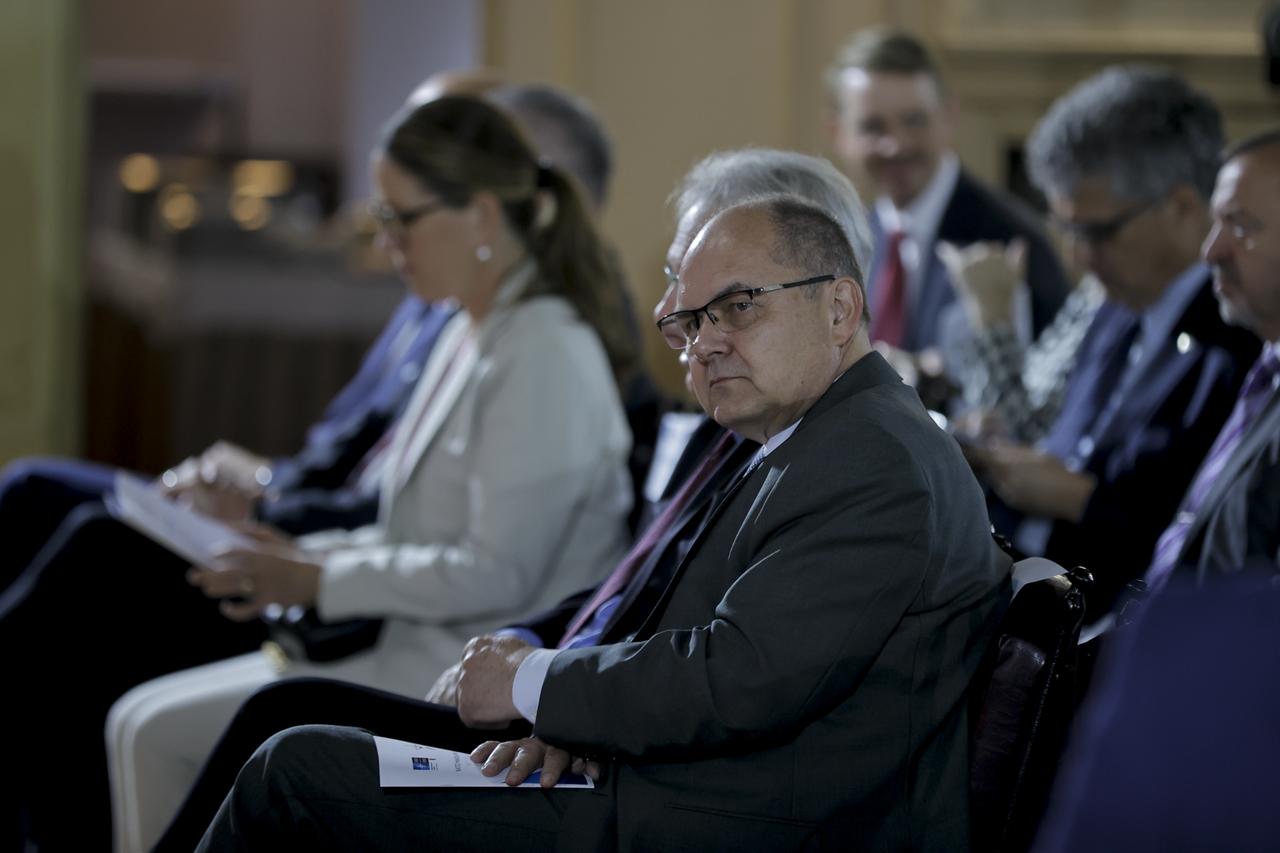
The international body overseeing Bosnia's fragile peace process failed Thursday to reach consensus on a new envoy, leaving the country without a confirmed successor to German diplomat Christian Schmidt, who resigned last month under what he described as intense U.S. pressure.
The Steering Board of the Peace Implementation Council, the informal body responsible for nominating high representatives, met in Sarajevo but could not agree on a candidate to lead the Office of the High Representative, the institution established under the 1995 Dayton Peace Accords to oversee the civilian implementation of the agreement that ended the Bosnian war.
Schmidt, speaking in his capacity as the board's outgoing chairman, said consultations would press on, adding that all participants were working toward "the selection of a consensus candidate in the coming days with a view to transition by end of June."
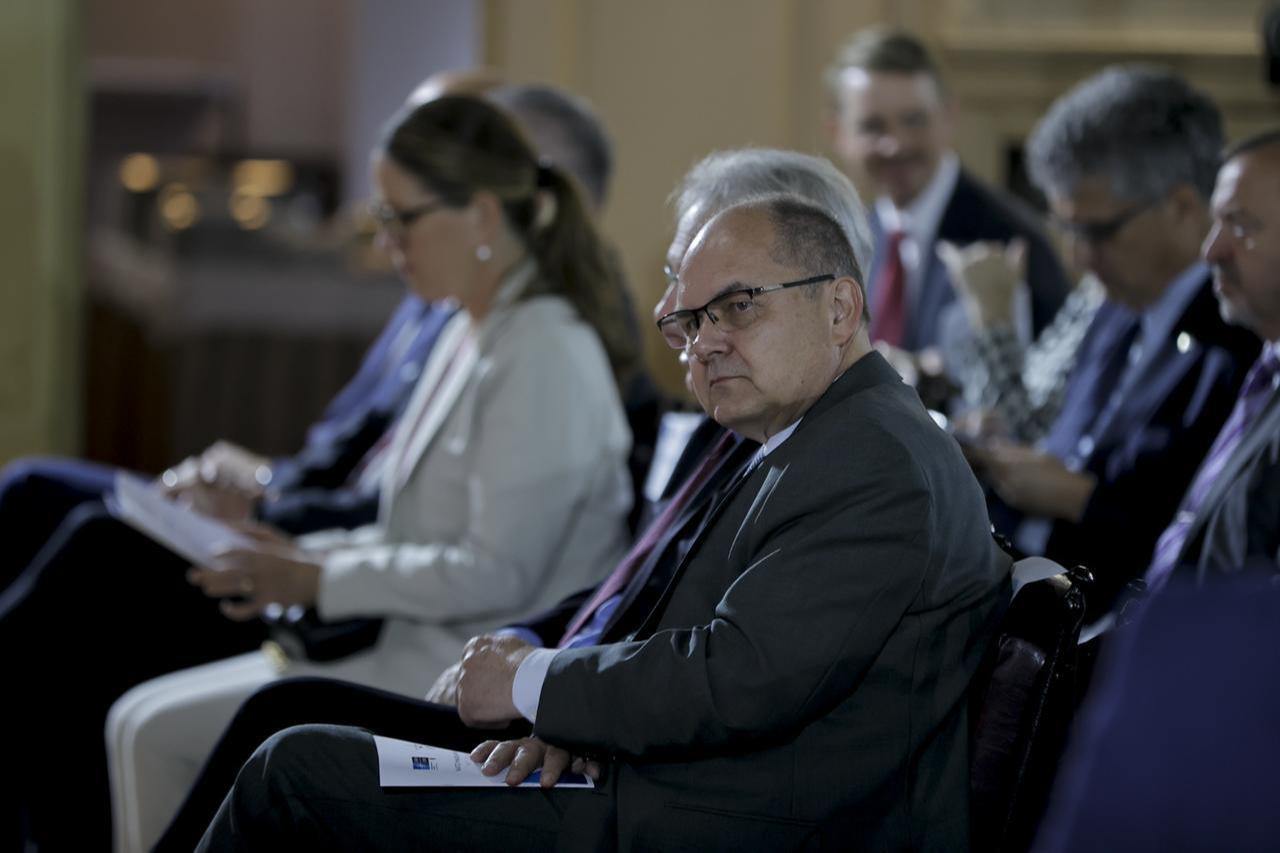

Washington's preferred candidate, veteran Italian diplomat Antonio Zanardi Landi, reportedly traveled to Sarajevo to attend Thursday's meeting, yet the board left without endorsing him. U.S. Secretary of State Marco Rubio had voiced support for Landi before Congress on Wednesday, describing him as someone who "would do a good job of helping provide some stability to that position." French diplomat Rene Troccaz was also previously reported as a frontrunner.
The Steering Board comprises Canada, France, Germany, Italy, Japan, the United Kingdom, the United States and the European Union. Russia has suspended its participation.
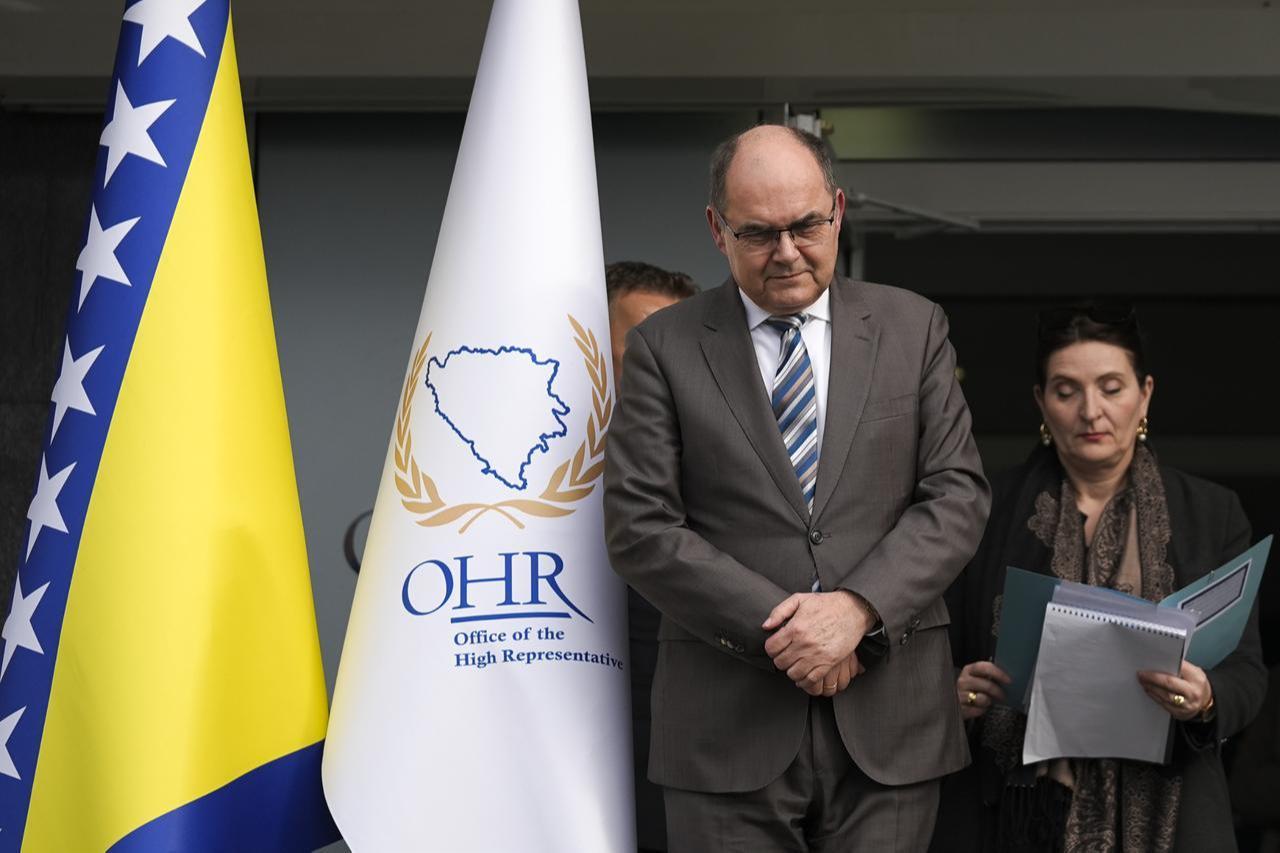
Schmidt, appointed in 2021, initially cited personal reasons for his unexpected departure but later told the German newspaper Augsburger Allgemeine that he had faced "enormous and surprising pressure from the U.S." to leave ahead of schedule. Multiple diplomats and analysts confirmed to Reuters that such pressure had been applied for some time.
One unnamed U.S. analyst speaking to Reuters linked it to lobbyists close to President Donald Trump who had helped lift American sanctions against Bosnian Serb nationalist leader Milorad Dodik last October and who reportedly pushed for Schmidt's removal as well.
An EU ambassador, speaking anonymously, offered a blunter assessment, saying U.S. officials viewed Schmidt as a holdover from the Biden administration and "wanted to get rid of him."
Washington has signaled a broader reorientation in its Balkans policy. A May State Department report declared that "the U.S.-led nation-building era has passed," framing future engagement in terms of commercial and energy interests, including backing for a gas pipeline that would carry American liquefied natural gas from a terminal in Croatia into Bosnia.
That project is to be led by a company run by Jesse Binnall, a former Trump attorney, and Joseph Flynn, brother of former national security adviser Michael Flynn.
The U.S. has also called for a more limited mandate for the High Representative, a significant departure from the office's current scope.
Since a 1997 international conference in Bonn expanded its powers, the High Representative has been authorized to remove public officials and impose legislation when Bosnia's governing institutions fail to act, a set of authorities known informally as the Bonn powers.
Schmidt used those powers several times during his tenure, frequently clashing with Bosnian Serb leaders who questioned the legitimacy of his appointment and sought to advance the secession of Republika Srpska, the Serb-majority autonomous entity, and its unification with Serbia.
Most diplomats and analysts hold that the High Representative's office should remain intact and fully empowered as long as Serb and Croat separatists continue to obstruct the functioning of the Bosnian state.
Kurt Bassuener, co-founder and senior associate of the Democratization Policy Council think tank, put it plainly speaking to Reuters: "The Americans want a High Representative who will not stand in the way."
Bosnia remains one of Europe's most ethnically divided societies, a legacy of the 1992-1995 war that killed an estimated 100,000 people and displaced more than two million.
The Dayton framework created a complex power-sharing arrangement among Bosniaks, Serbs and Croats, with the High Representative serving as a crucial external check on institutional gridlock and separatist pressures.
The failure to seat a new envoy before the end of June would leave that architecture without a confirmed steward at one of its most turbulent junctures in years.


 Set as preferred source
 Set as preferred source


 2 min read

 1 min read