Newsletters


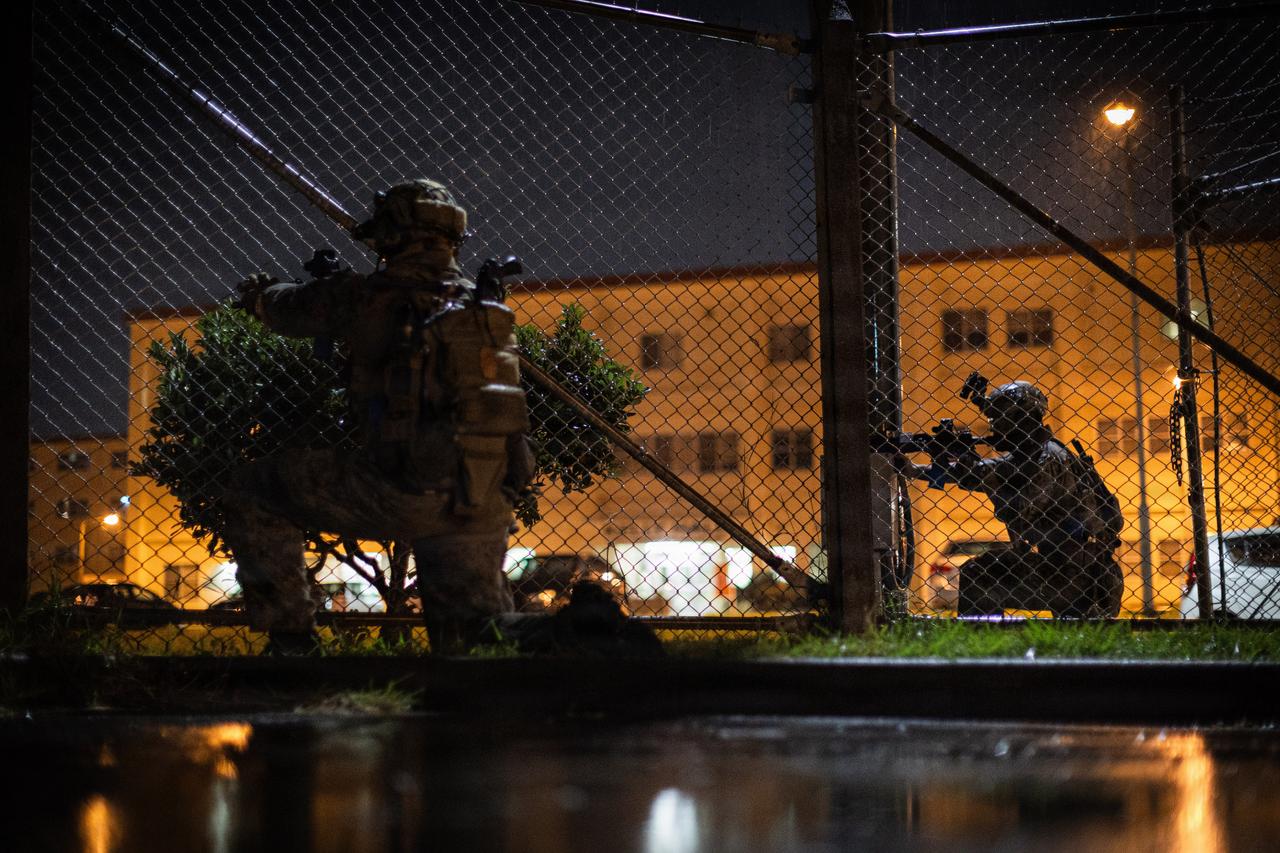


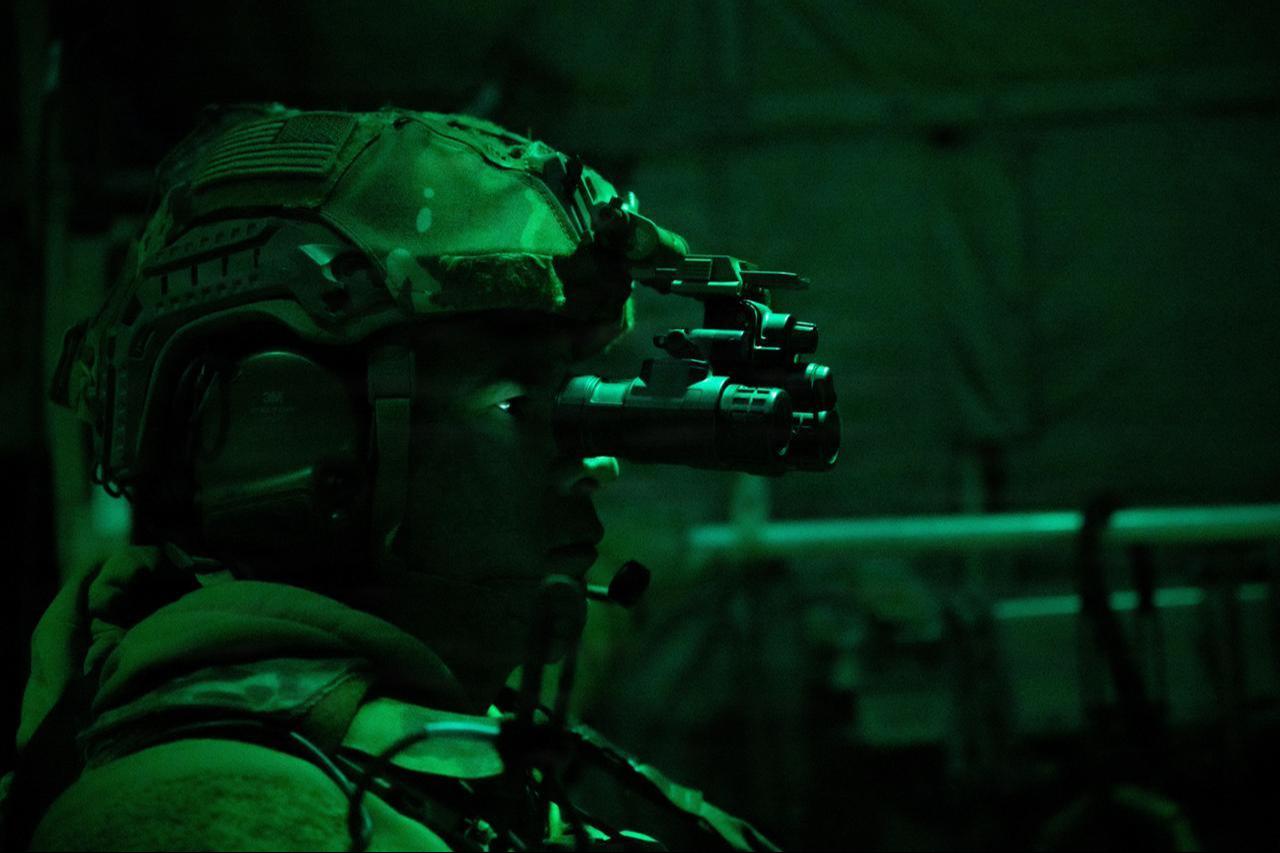
The Trump administration is planning options to secure or extract Iran's stockpile of highly enriched uranium, with discussions centering on deploying the elite Joint Special Operations Command for the mission, CBS News reported Friday, citing multiple people briefed on the matter.
The International Atomic Energy Agency (IAEA) chief warned the operation would be "very challenging" as Trump claims the U.S. is getting "very close to meeting our objectives."
 Breaking News, Direct to You.
 Follow Türkiye Today on WhatsApp
for real-time updates and key insights from Türkiye and beyond.
Follow Türkiye Today on WhatsApp
for real-time updates and key insights from Türkiye and beyond.
"No decision has been made," one source told CBS.
"The timing of any operation remains unclear. Planning has centered on the possible deployment of forces from the Joint Special Operations Command (JSOC)," two sources told CBS.
A White House spokeswoman said preparations are the Pentagon's responsibility.
Trump wrote on Truth Social Friday evening: "We are getting very close to meeting our objectives as we consider winding down our great Military efforts in the Middle East with respect to the Terrorist Regime of Iran."
White House press secretary Karoline Leavitt stated earlier this week that seizing Iran's uranium stockpile "is an option on the table for him."

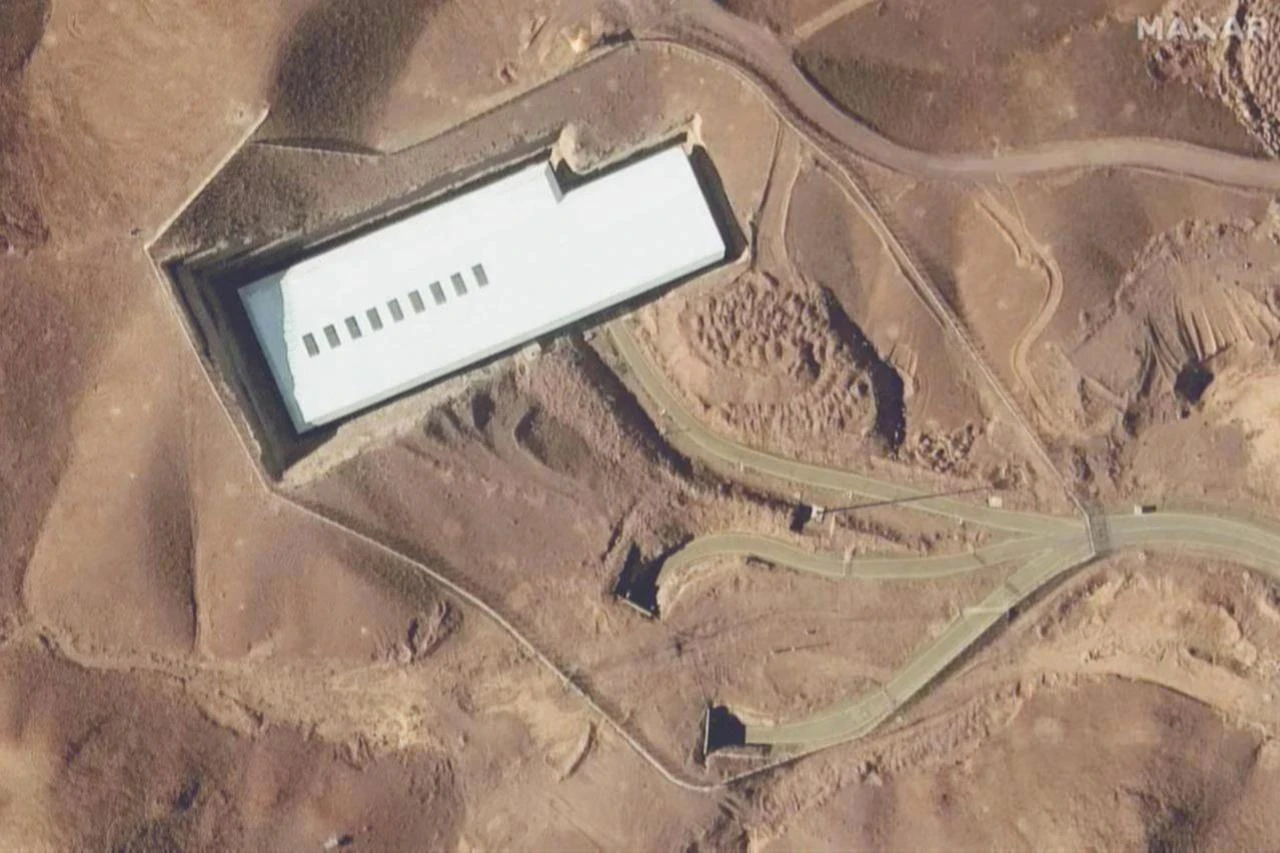
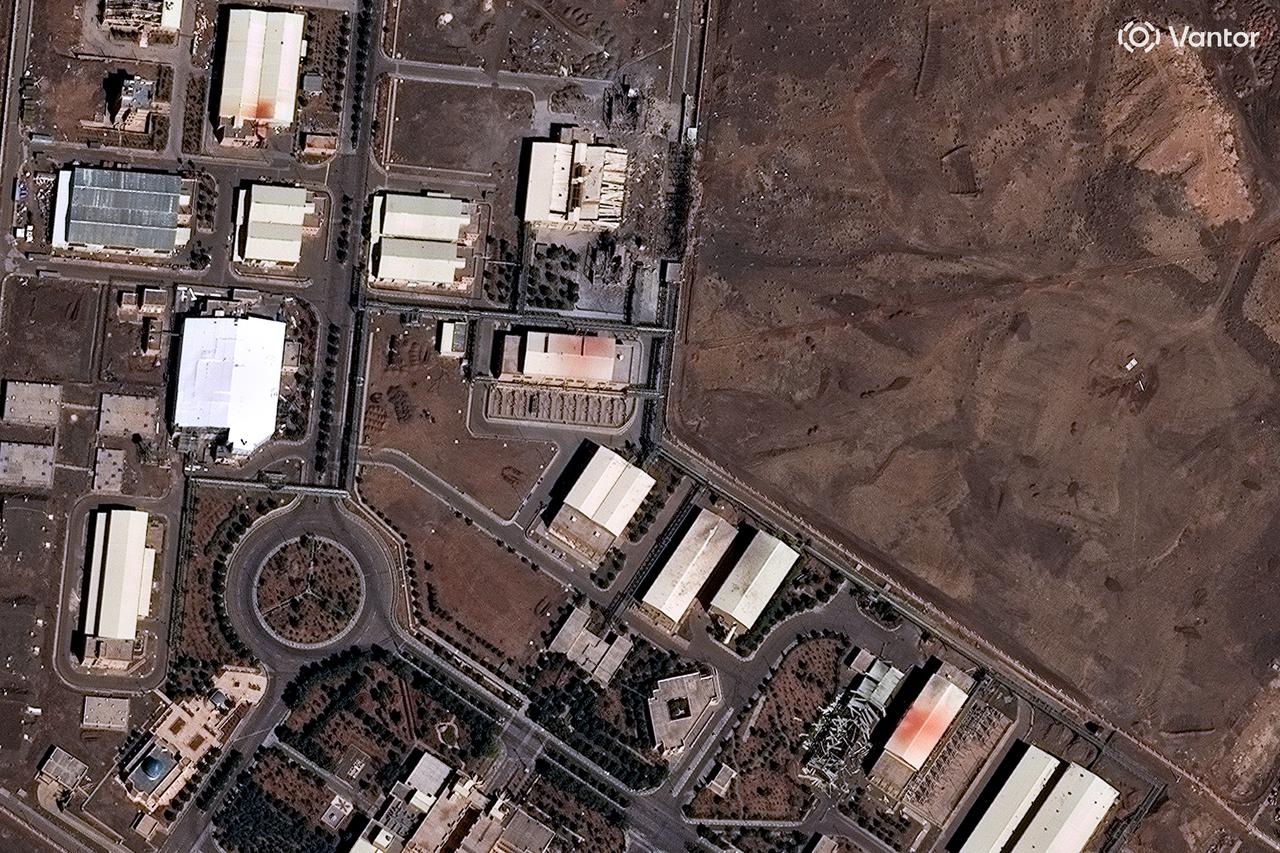
The operation would be extraordinarily complex. Much of Iran's uranium stockpile, estimated at around 450 kilograms (992.8 pounds), enriched to 60%, lies buried beneath nuclear sites already bombed in last summer's U.S. strikes.
Iranian Foreign Minister Abbas Araghchi recently confirmed that the material was "under the rubble" and that there were no immediate plans to retrieve it.
IAEA Director General Rafael Grossi warned of the extreme hazards involved. The material exists as uranium hexafluoride gas in pressurized cylinders.
"We're talking about cylinders containing gas of highly contaminated uranium hexafluoride at 60%, so it's very difficult to handle. I'm not saying it's impossible. I know that there are incredible military capacities to do that, but it would be a very challenging operation for sure," Grossi told CBS's Face the Nation.
Former National Security Adviser John Bolton said: "It would not be a success under any circumstances if we left the material in Iran, where it could be transferred to terrorist groups, to other rogue states, or other malicious actors."
The U.N.'s nuclear watchdog estimates Iran has nearly 1,000 pounds of highly enriched uranium, enough for approximately 11 nuclear weapons.
The IAEA has said Iran is the only non-nuclear-weapon state to enrich uranium to 60%, a level beyond what is necessary for most non-military uses.
The U.S. intelligence community assessed last spring that Iran was not trying to build a nuclear weapon, and Iran insists its nuclear program is solely for peaceful purposes.
Speaking at the White House on Friday, Trump said the U.S. is "not going to let" Iran have nuclear weapons, saying, "Because if they had them, they'd use them. And we're not going to let that happen."
He also said Iran's navy has been effectively destroyed. "The difference between them and us is that they had a Navy two weeks ago. They have no Navy anymore. It's all at the bottom of the sea, 58 ships knocked down in two days," Trump said.
U.S. Central Command said Friday that "U.S. forces continue to degrade Iranian combat capabilities by striking military targets deep inside Iran."
Israeli Prime Minister Benjamin Netanyahu also stated Thursday that Iran can no longer enrich uranium or produce ballistic missiles.
"After 20 days, I can tell you, Iran today cannot enrich uranium, and no ability to produce ballistic missiles. We are continuing to crush these capabilities. We will crush them to dust, to ashes," Netanyahu said in Jerusalem.
He said the current operation is destroying Iran's industrial base in a way that was not done previously. "We're wiping out their industrial base in a way that we didn't do before," he said.
Before the conflict, the U.S. and Iran held several rounds of indirect talks aimed at curbing Iran's nuclear program, including discussions about blending Iran's highly enriched uranium down to a lower level and converting it to fuel, according to Omani Foreign Minister Badr Albusaidi, who helped mediate the negotiations.
 1 min read
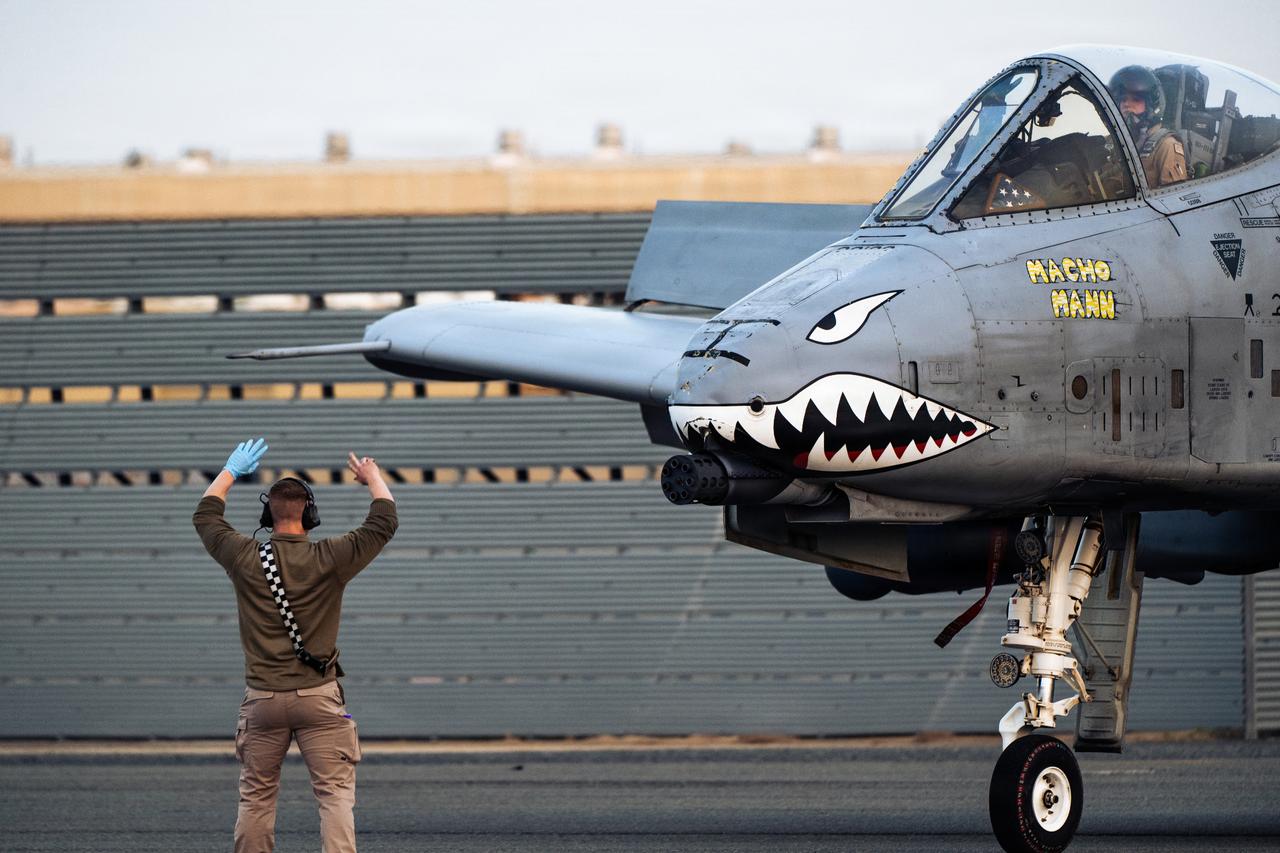
Regional tensions in the Middle East have escalated since Israel and the U.S. launched a joint offensive against Iran on Feb. 28, killing over 1,300 people, including then-Supreme Leader Ali Khamenei.
Iran has retaliated with drone and missile attacks across the region. It has effectively closed to most ships the Strait of Hormuz. This key oil transit route normally handles about 20 million barrels per day and roughly 20% of the global liquefied natural gas trade.
Six U.S. service members were killed, and dozens were injured in an Iranian drone attack on a base in Kuwait. One U.S. service member died from an attack in Saudi Arabia.
Six Americans were killed when a refueling aircraft crashed in Iraq.


 Set as preferred source
 Set as preferred source


 1 min read