Newsletters


The United States will not join airstrikes against Yemen's Houthis for now, U.S. officials told Axios, despite renewed Saudi requests, as a Saudi-backed government offensive seeks to retake the capital, Sanaa, and the strategic Bab el-Mandeb Strait.
The U.S. "is not going to take kinetic action for now," one official said, stressing that could change "if the operation runs into problems."
Washington is providing intelligence and targeting support, officials said.
The offensive, launched Sunday by Yemen's Presidential Leadership Council, opens a new front in the wider Iran war.
U.S. President Donald Trump is caught between helping Saudi Crown Prince Mohammed bin Salman and avoiding entanglement in another Middle East conflict.

Saudi Defense Minister Prince Khalid bin Salman called Defense Secretary Pete Hegseth on Thursday to brief him on the planned operation and again asked for U.S. airstrikes on Houthi targets, a U.S. official said.
U.S. Central Command (CENTCOM) had serious reservations about launching strikes in Yemen, viewing them as a distraction from its focus on Iran, the official said.
Trump's top national security officials discussed Iran and Yemen at an unannounced Camp David meeting on Friday.
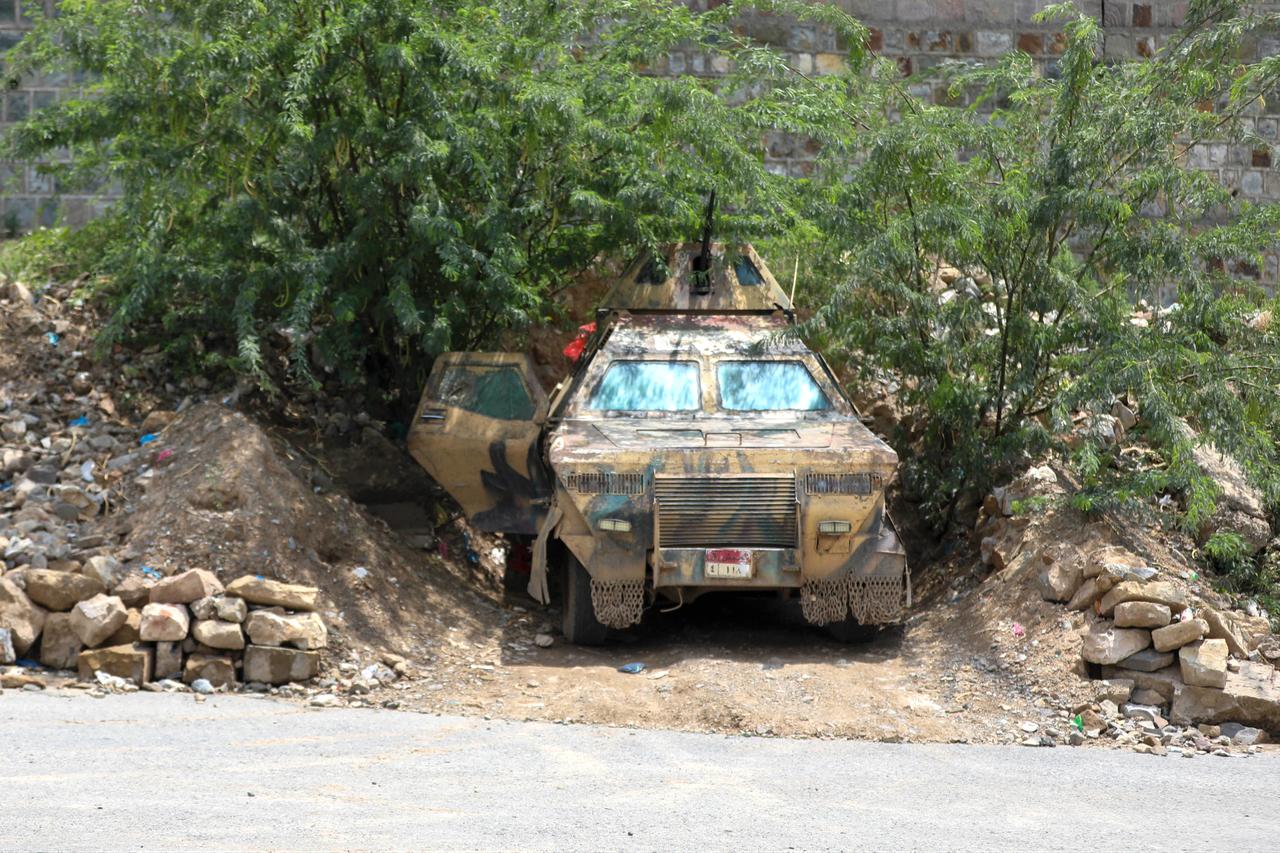
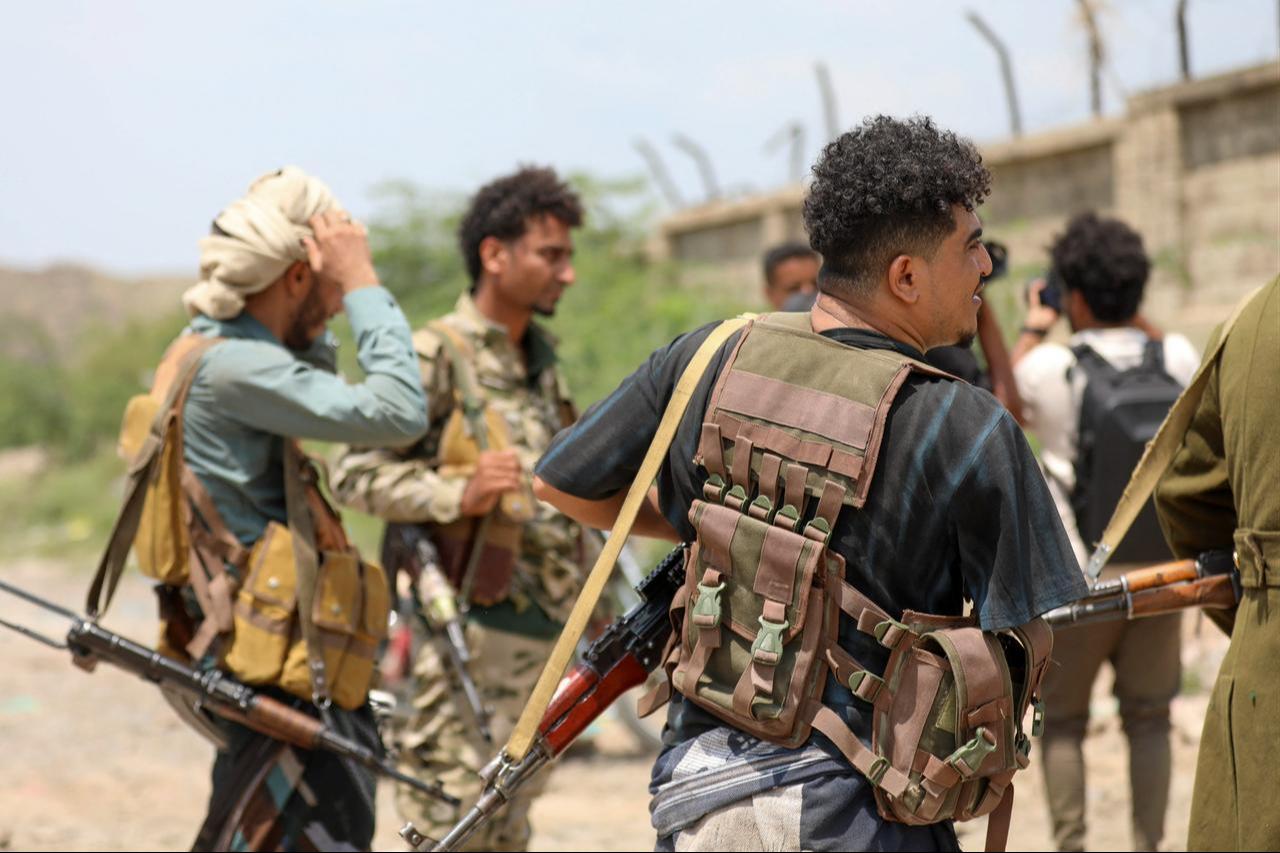
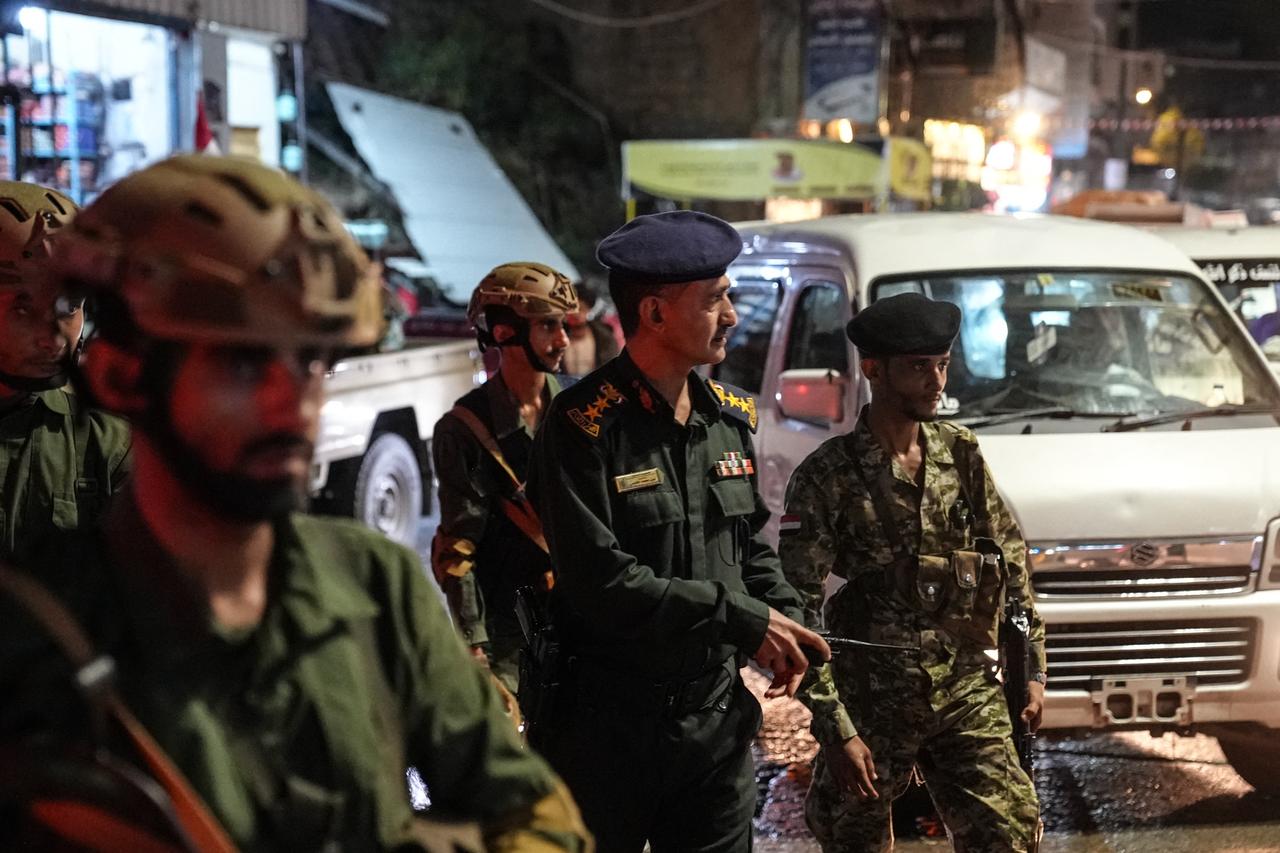
Tens of thousands of government ground troops are taking part in the offensive, with Saudi Arabia mainly providing air cover and conducting airstrikes.
The goal is to retake Sanaa, held by the Houthis since 2014.
"We have exhausted all opportunities for de-escalation with the Houthi militias," Rashad al-Alimi, head of the Presidential Leadership Council, said in announcing the operation.
Military spokesman Col. Majed al-Nuzaili urged Houthi fighters to lay down their weapons and return home, saying "the homeland has room for all its sons who return to the right path."
The Yemeni army said Monday its forces had "neutralized" 1,747 Houthi members in 1,122 operations in Saada, Al-Jawf and Taiz provinces and along the western coast, destroying or disabling 364 military vehicles and supply assets.
The figures could not be independently verified.
Despite the offensive, the Houthis have made gains on strategic hilltops near Taiz over the past 48 hours, advancing on the last road between the city and Aden, military sources told Reuters.
Farea al-Muslimi, a research fellow at Chatham House, downplayed expectations of the offensive. "In my opinion, it's meaningless," he told Agence France-Presse (AFP).
Saudi-led coalition spokesman Turki al-Maliki said the coalition will keep supporting Yemen's government until state institutions are restored and the Houthi threat to navigation in the southern Red Sea and Bab el-Mandeb ends.
He cited Houthi attacks on Riyadh, Abha, Khamis Mushait, Jazan, Najran, Taif and Yanbu, including attempts to target Mecca and Medina, and affirmed Saudi Arabia's "inherent right" to defend its sovereignty.
Three in four families in parts of Yemen are going hungry due to the surge in fighting, which has displaced tens of thousands of people, the World Food Programme announced last week, as the Yemen offensive gets underway.


 Set as preferred source
 Set as preferred source


 2 min read

 1 min read