Newsletters


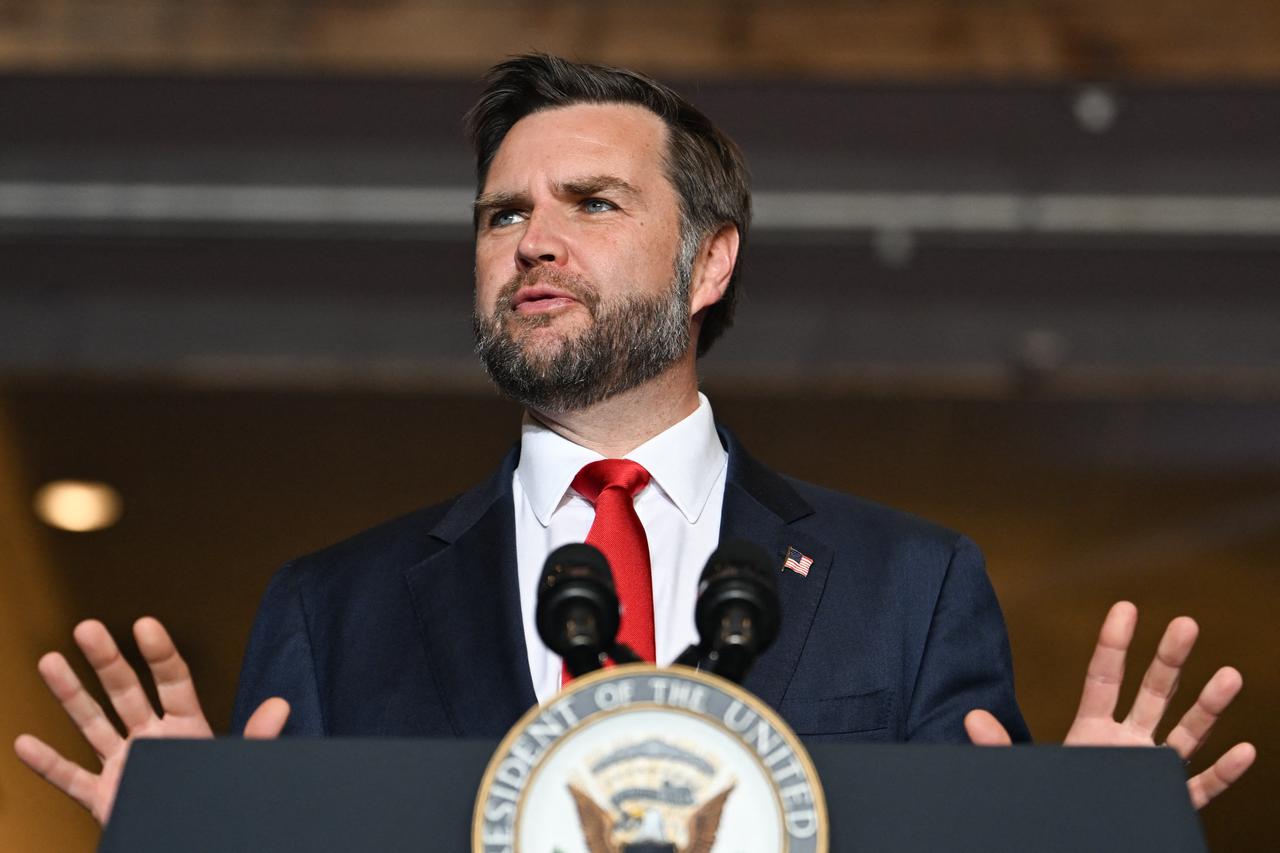


U.S. Vice President JD Vance said Iran must make a “meaningful” reduction in its nuclear enrichment capacity for Washington to accept a deal ending the seven-month war, while acknowledging uncertainty over how decisions are made in Tehran.
In an exclusive interview with Reuters on Monday after a campaign trip in Alaska, Vance said the United States would require concrete nuclear concessions from Iran rather than promises of future reductions.
“If you don’t want a nuclear weapon, then why do you need 60% enriched fuel?” Vance said. “And if you want to show commitment to not building a nuclear weapon, don’t build highly enriched fuel. That’s a very basic threshold issue.”
“I think if they want to show a commitment to not building a nuclear weapon, they would do something meaningful on their enrichment capacity,” he added.
Iran and the United States have exchanged proposals in recent weeks aimed at ending the conflict and reopening the Strait of Hormuz, a major global energy shipping route.
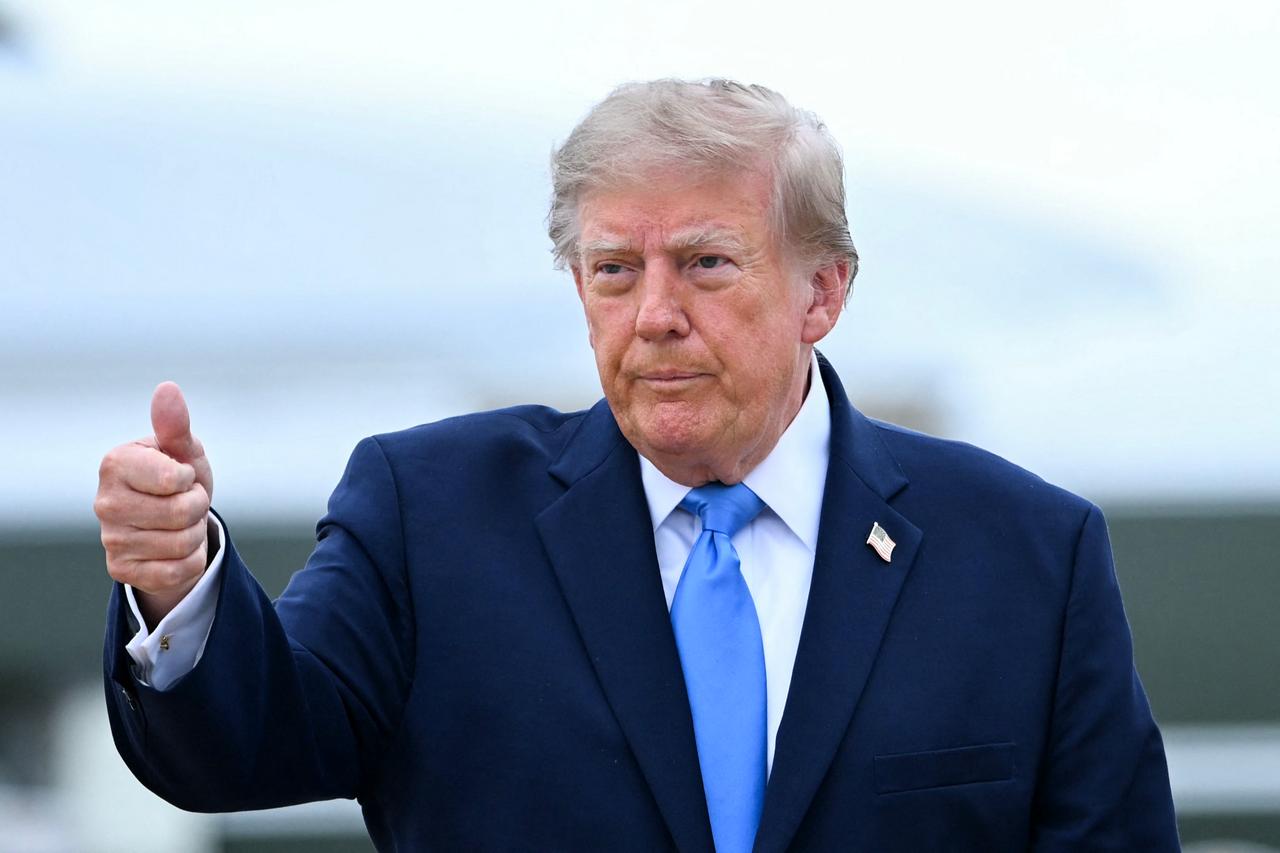
U.S. President Donald Trump rejected Tehran’s latest proposal and has warned that military operations could intensify after the November midterm elections.
Vance said Washington remained open to reaching an agreement but would demand action from Iran.
“We’re not going to trade words for actions,” he said.
Vance, who has long been skeptical of Washington's involvement in foreign wars, has taken a prominent role in efforts to negotiate an end to the conflict. He helped broker a provisional peace agreement in June that quickly collapsed.
He declined to say whether he was leading the current negotiations, although he is frequently cited as the White House’s top negotiator.
“We’re certainly involved,” Vance said. “Ultimately, the president of the United States is driving things.”
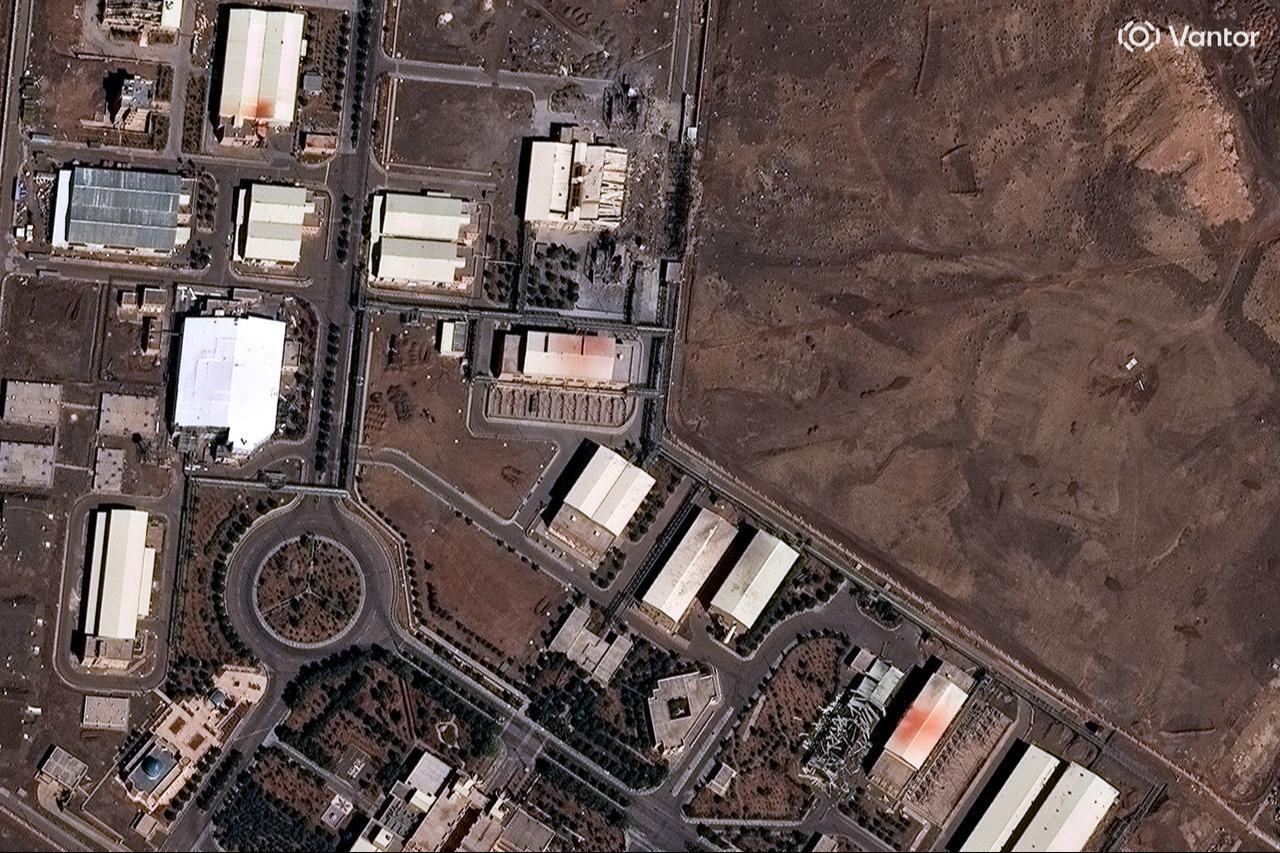

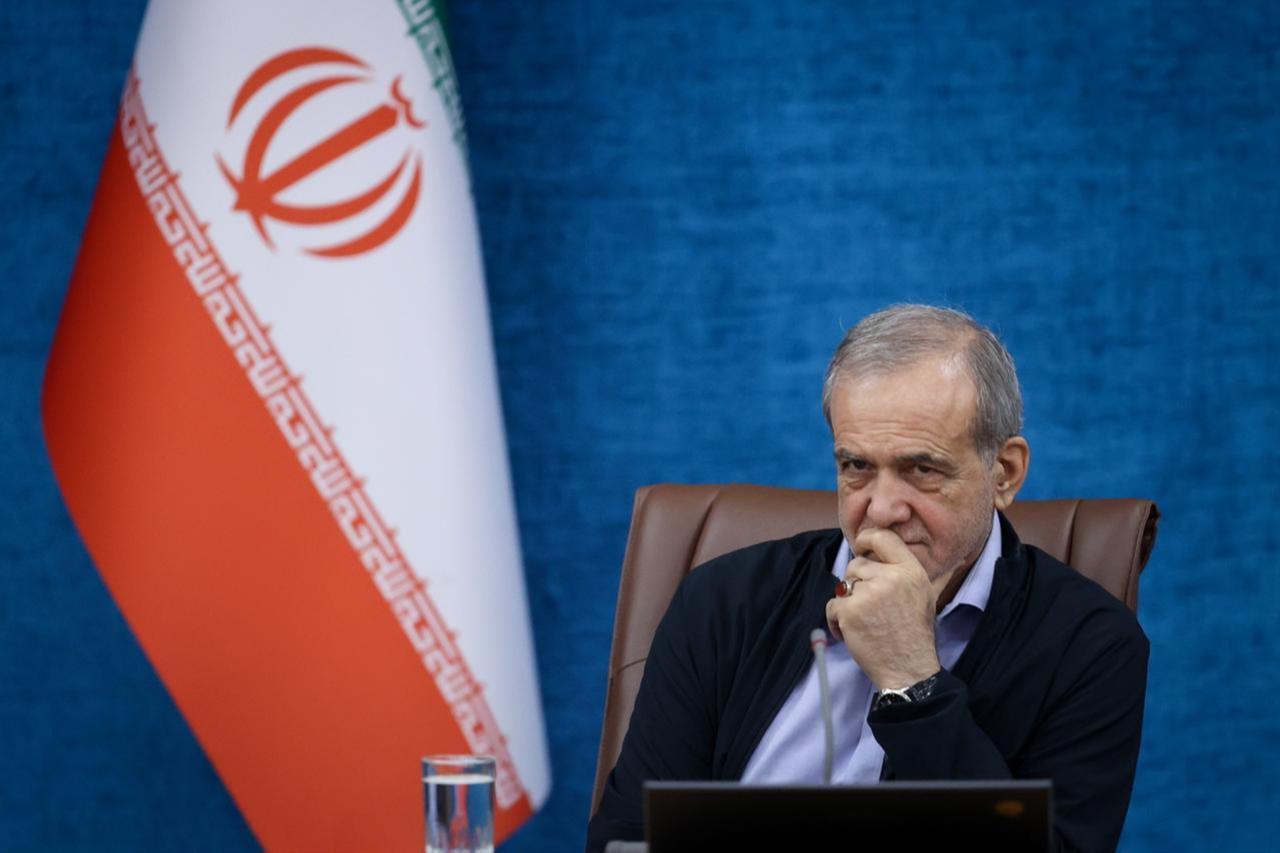
Vance said the United States was holding talks with Iranian President Masoud Pezeshkian and Foreign Minister Abbas Araqchi but was uncertain how much authority they held within Iran’s political system.
The uncertainty follows joint United States-Israeli strikes at the start of the war that killed Supreme Leader Ali Khamenei.
“One of the things we picked up on is it’s not totally clear how their country makes decisions,” Vance said.
Trump separately said Tuesday that his “biggest problem” was that no one knew who was running Iran.
Iranian Foreign Ministry spokesperson Esmaeil Baghaei rejected that characterization Sunday, saying U.S. officials knew who their Iranian counterparts were and understood Iran’s decision-making structure.
“The problem is actually the opposite: it lies in the contradictory positions and mixed messaging from U.S. officials,” Baghaei said at a weekly news conference.
Vance told Reuters he had personally spoken with field commanders to assess battlefield conditions.
He dismissed concerns about critical shortages of U.S. munitions.
Vance also said Iranian forces were periodically able to strike commercial ships in the Strait of Hormuz but were largely unable to stop energy exports through the waterway.
The war has disrupted global energy markets and carries an estimated cost of $3 billion a month.
The conflict has also become a political issue ahead of November’s U.S. midterm elections, as higher energy prices put Trump and Republicans under pressure in competitive states that could determine control of Congress.
Vance has sought to counter criticism of Trump’s handling of the war, telling voters not to let the conflict prevent them from supporting Republican candidates in next month’s elections.
During his Alaska visit, Vance campaigned for Republican Sen. Dan Sullivan, who is in a close reelection race against Democratic challenger Mary Peltola.
Trump won Alaska by 13 percentage points in the 2024 presidential election, but rising everyday costs have made the state more competitive.
Before speaking with Reuters, Vance focused much of his campaign speech on affordability, particularly energy costs. Alaska’s remote location makes consumer goods more expensive, while energy production remains a major industry in the state.
At the rally, attendees cheered when Sullivan nearly introduced Vance as the U.S. president instead of vice president.
Vance is widely viewed as a leading Republican contender to succeed Trump but told Reuters he had not decided whether to run for president in 2028.
“I’m inherently a procrastinator,” Vance said. “I really haven’t thought about it much.”


 Set as preferred source
 Set as preferred source


 1 min read
 1 min read