Newsletters


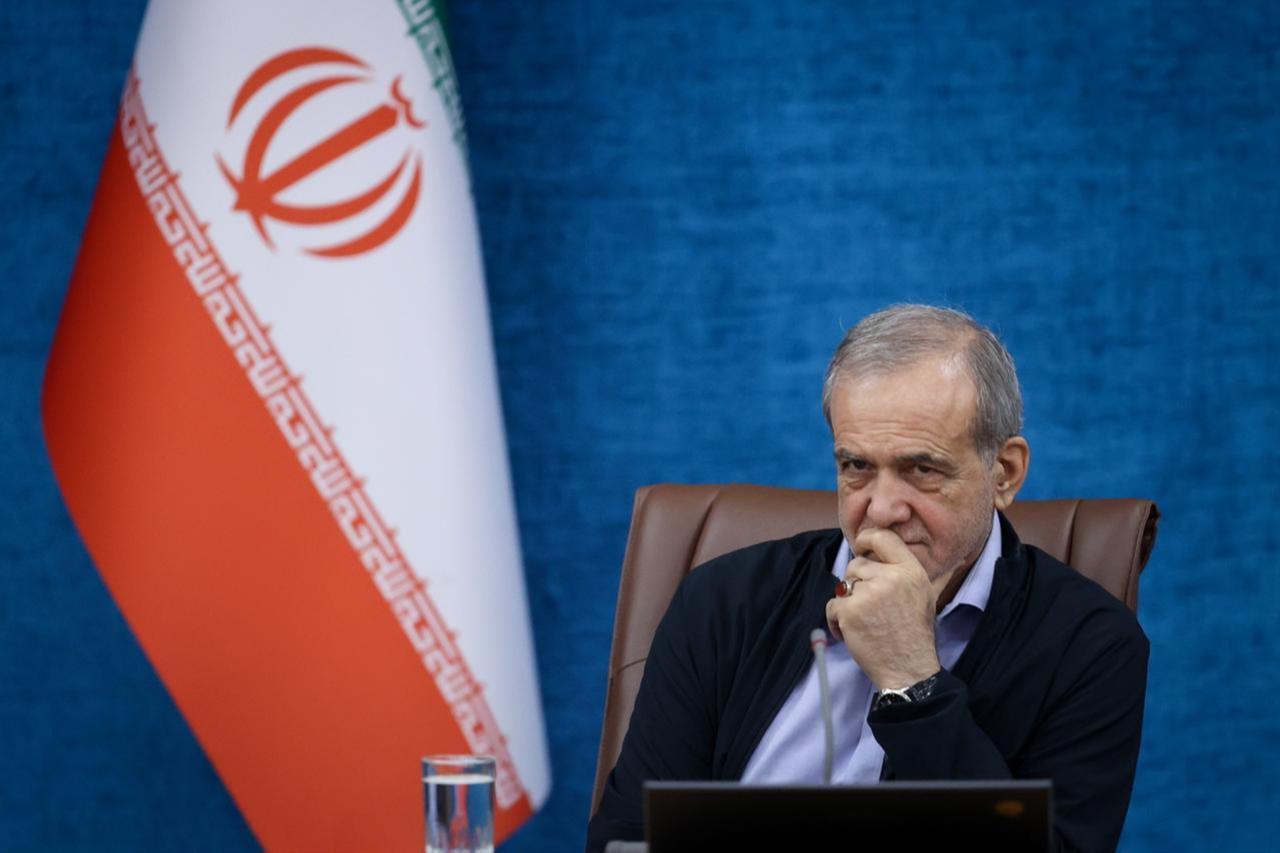


Iranian President Masoud Pezeshkian said Monday that negotiations with the United States remain meaningless unless Washington stops attacking Iran, imposing sanctions, and breaking agreements.
"Negotiating with an enemy that always carries out assassinations, imposes sanctions, applies pressure, and breaks agreements has no meaning, and our nation does not accept it," Pezeshkian said during a meeting with Armenian Foreign Minister Ararat Mirzoyan in Tehran, according to a statement from the Iranian presidency.
"Our problem with the U.S. is that every time we sit at the table, war is imposed on us," Pezeshkian added, accusing Washington of attacking Iran three times during negotiations. He argued that the pattern shows the United States is not genuinely pursuing dialogue and instead intends to destroy Iran.
The remarks come as Iran has received a U.S. response to its latest proposal, which calls for the Strait of Hormuz to reopen within seven days in exchange for the lifting of the U.S. naval blockade on Iranian ports, relief from sanctions on Iranian oil sales and a ceasefire that includes Lebanon.
Iranian officials have also indicated that Washington has put forward new proposals through a mediator, although their details have not been disclosed.
Pezeshkian also maintained that Iran has repeatedly demonstrated transparency over its nuclear activities. He described Iran as the country most heavily inspected by the International Atomic Energy Agency (IAEA), while accusing the U.S. of pressuring Tehran based on what he called unfounded claims.
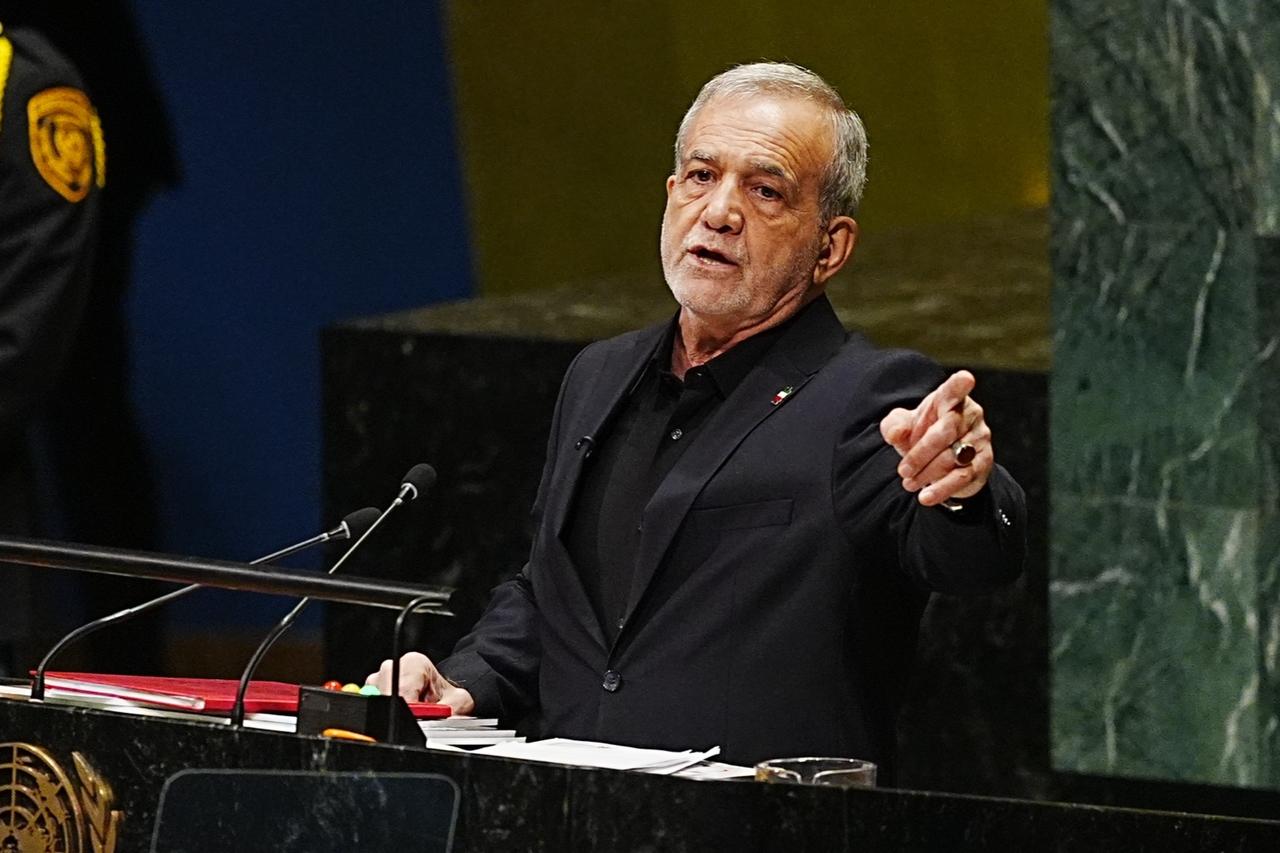
The Iranian president recalled that he declared at the United Nations General Assembly in late September that Tehran was open to inspections and dialogue over its nuclear program. Yet he argued that Iranian nuclear facilities and scientists have been identified and targeted for assassination during inspection efforts.
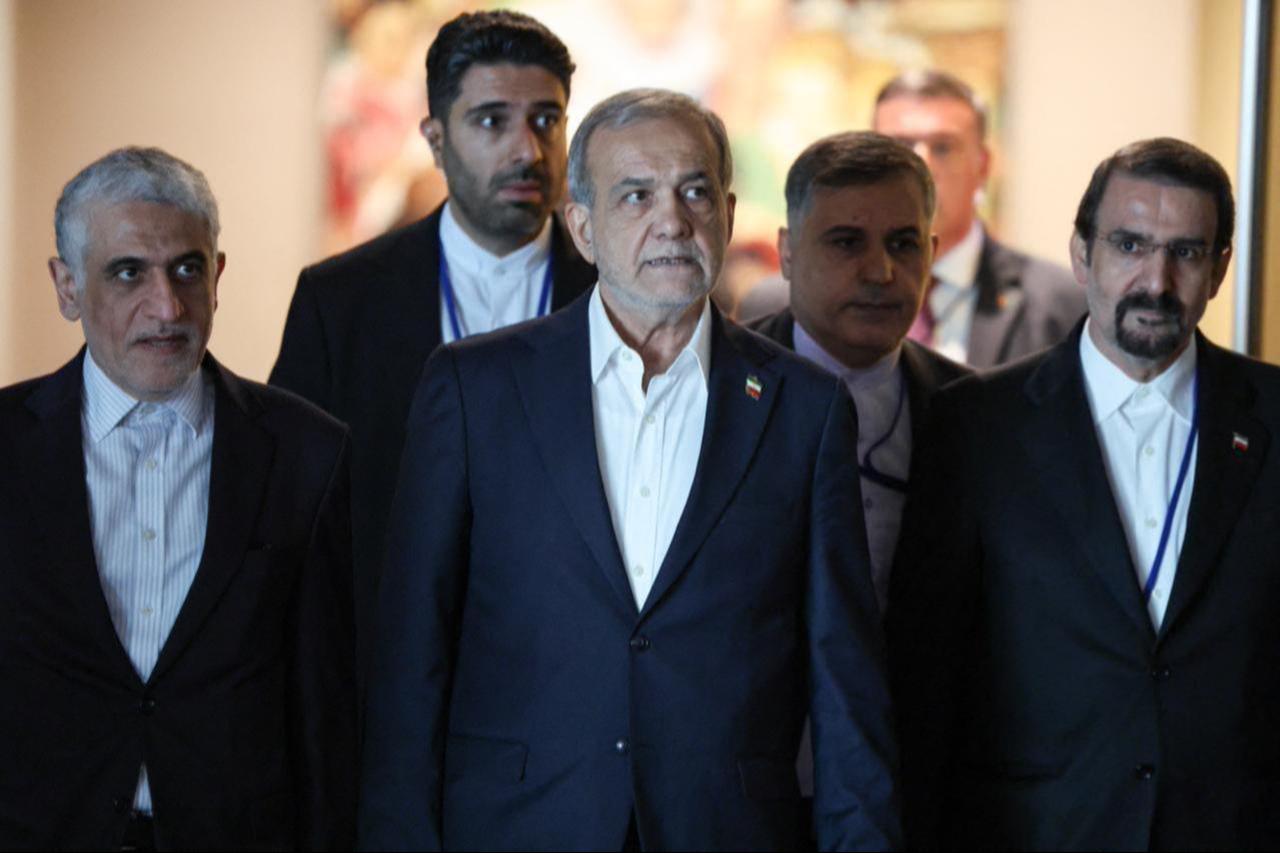

The latest exchange has done little to narrow the gap between Tehran and Washington, with both sides maintaining sharply different positions over the steps needed to end the conflict and restore shipping through the Strait of Hormuz.
Iranian Parliament Speaker and chief negotiator Mohammad Baqer Qalibaf said Sunday that the Strait of Hormuz would remain closed until seven conditions agreed in a June memorandum are fulfilled. He accused Washington of trying to prolong the diplomatic process and impose one-sided demands, while insisting that Tehran’s position was firm.
Iranian Foreign Ministry spokesman Esmaeil Baghaei also indicated that Tehran had responded to Washington’s latest message through mediators but still had additional points to convey. He rejected suggestions that Iran had offered concessions on its nuclear program in exchange for sanctions relief, saying the immediate focus remained on restoring security in the strategic waterway.
Qatar has continued to shuttle messages between the two sides, while Pakistan has also played a role in the mediation effort. The latest discussions reportedly center in part on the sequencing of the steps in a seven-day trust-building plan, with disagreement less over the individual elements than over which side should act first.
The diplomatic effort is unfolding alongside renewed economic and military pressure. Washington on Monday warned foreign financial institutions that they could face U.S. sanctions for doing business with Iran or its financial sector without prior notice, adding to an expanding campaign aimed at squeezing Tehran economically.


 Set as preferred source
 Set as preferred source


 1 min read
 1 min read