Newsletters


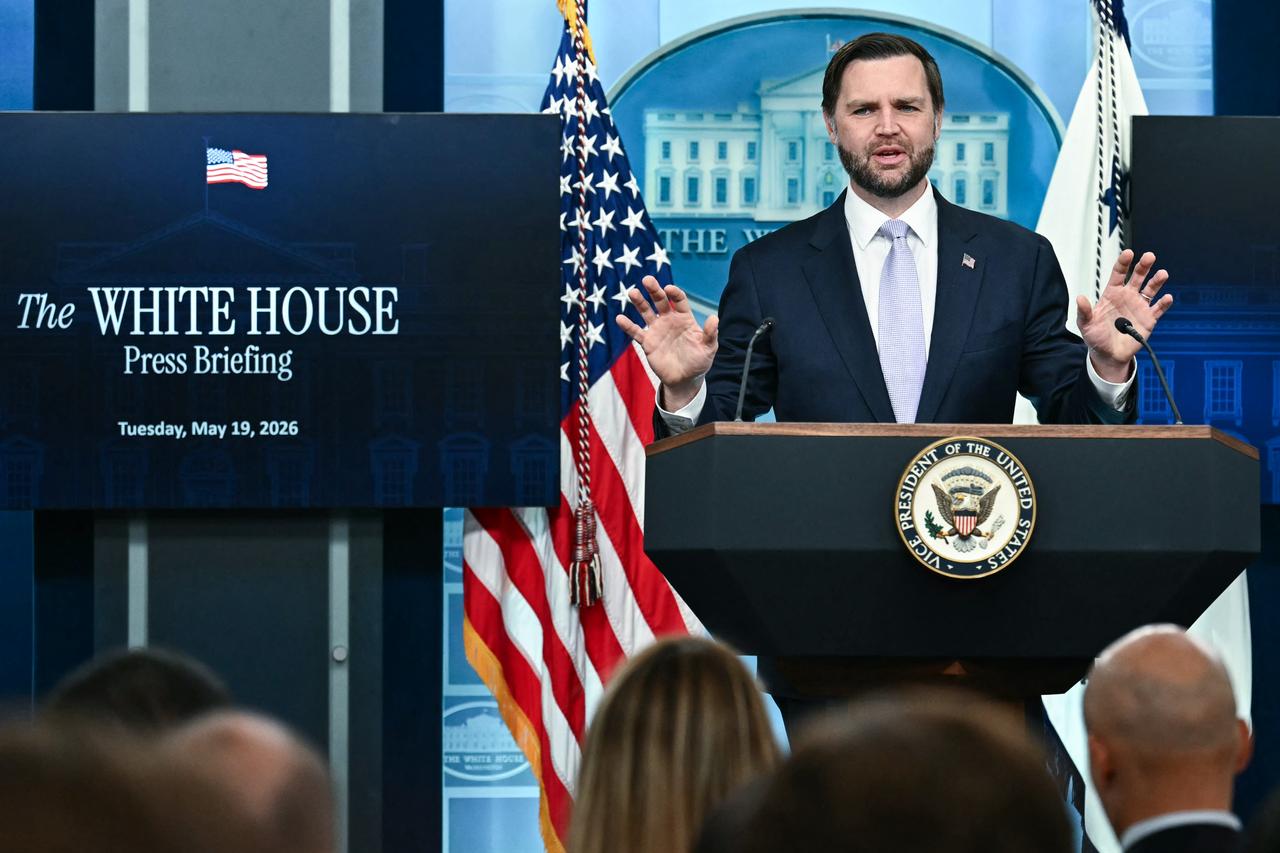


U.S. Vice President JD Vance said Tuesday that a planned deployment of 4,000 troops to Poland had been delayed rather than canceled, walking back reports from last week that the move had been scrapped entirely, while reaffirming the administration's push for European allies to shoulder more of their own defense burden.
"We have got to have more sovereignty and more of Europe standing on its own two feet," Vance told reporters at a White House briefing. "That will continue to be our policy in Europe."
Asked specifically about the Poland deployment, Vance said the administration had not yet reached a final decision on where the troops would ultimately be sent. "It is a delay in troop rotation. Those troops could go elsewhere in Europe.
We could decide to send them elsewhere," he said, adding, "We actually haven't made the final determination about where those troops are ultimately going to go."
U.S. officials had said last week that the deployment had been canceled, a move that alarmed NATO allies and drew attention to what many in the alliance see as a broader pattern of American disengagement from Europe's eastern defenses.
Poland, which shares a border with the Russian exclave of Kaliningrad and has one of the longest frontiers with Ukraine among NATO members, has positioned itself as a critical node on the alliance's eastern flank.
The Poland episode is part of a wider series of military drawdowns in Europe under the Trump administration. The Pentagon announced in early May that 5,000 troops would be pulled from Germany, and a senior U.S. military officer told a congressional hearing last week that the commander of U.S. European Command had already "received the instructions on the force reduction" in Poland.
The reductions reflect longstanding pressure from President Donald Trump, who has since his first term demanded that European NATO members spend more on their own defense and reduce reliance on American security guarantees.
 1 min read
Vance has been among the administration's most outspoken critics of Europe's defense posture and one of the more prominent skeptics of continued U.S. aid to Ukraine.
His comments Tuesday reinforced a transatlantic message the administration has been sending with increasing urgency: that Washington's patience with underfunded European defense budgets is running thin.
Beyond troop levels, the broader geopolitical context has sharpened the stakes. Trump has signaled a willingness to withhold military cooperation from allies that have not supported U.S. objectives in the Middle East or contributed to a peacekeeping presence in the Strait of Hormuz, a critical international waterway that Iran has effectively closed to normal commercial traffic.
That linkage between European and Middle Eastern policy calculus marks a notable shift in how Washington is framing alliance obligations.


 Set as preferred source
 Set as preferred source


 1 min read