Newsletters





European Commission President Ursula von der Leyen condemned attacks on commercial shipping in the Black Sea as "unacceptable" on Tuesday, after two more vessels were hit in Bulgaria's exclusive economic zone, just a day after a Turkish ship carrying Ukrainian grain was struck and sunk off the Romanian coast.
"The situation in the Black Sea is increasingly concerning," von der Leyen wrote on social media, warning that "commercial ships, and innocent crews, are being targeted, with lives already lost at sea."
She said the exact circumstances of Tuesday's strikes were still being established but called the pattern of incidents "very concerning," adding that the European Union "stands in full solidarity with our Member States on the Eastern flank."
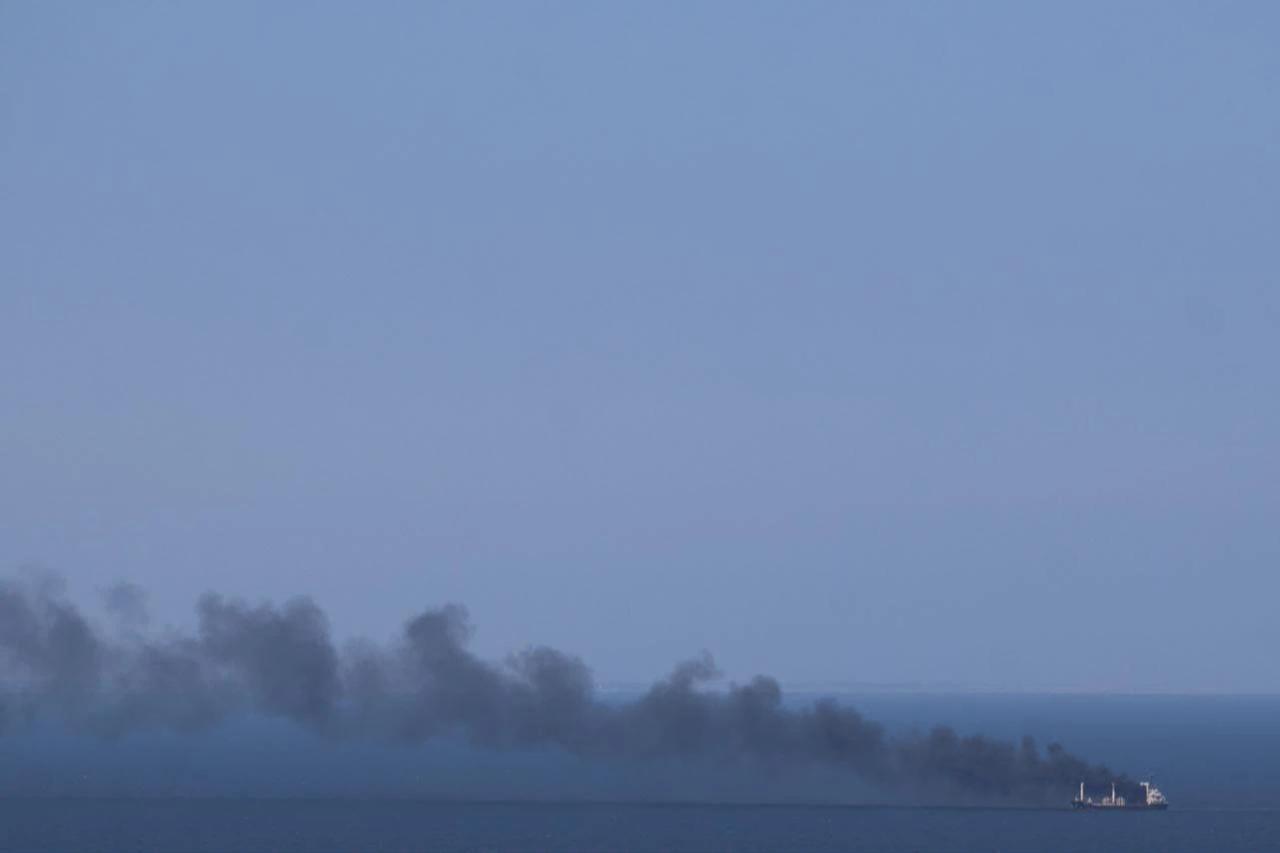
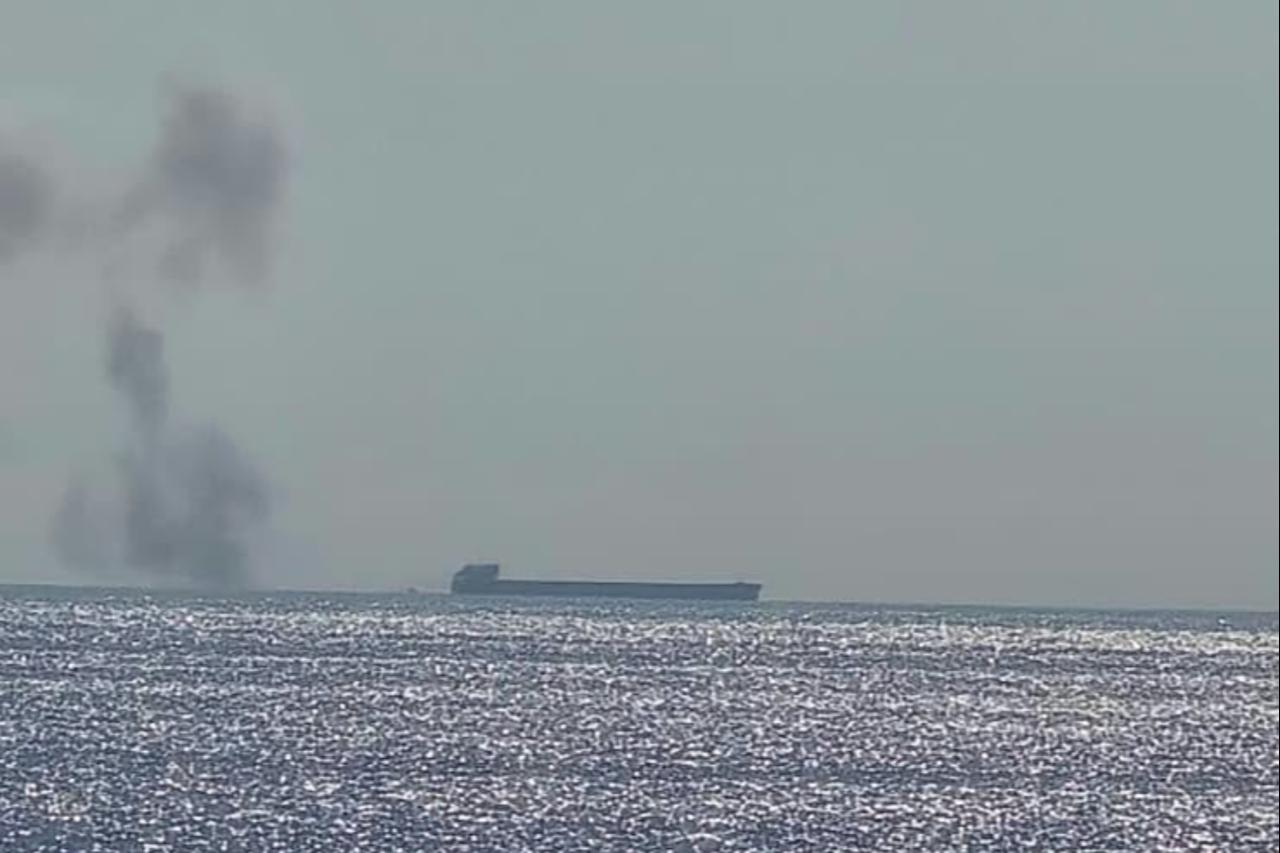
Von der Leyen's statement came hours after Bulgarian Prime Minister Rumen Radev confirmed that two commercial vessels had been struck by drones in Bulgaria's Black Sea economic zone, about 70 nautical miles east of the town of Byala.
Eleven Turkish and seven Indian sailors were rescued from one of the ships, while the crew of a second, sunken vessel remained missing as a search continued.
Radev described the attack as a "gross violation of international and maritime law" and said such incidents were raising insurance costs and creating serious risk for civilian vessels operating in the region.
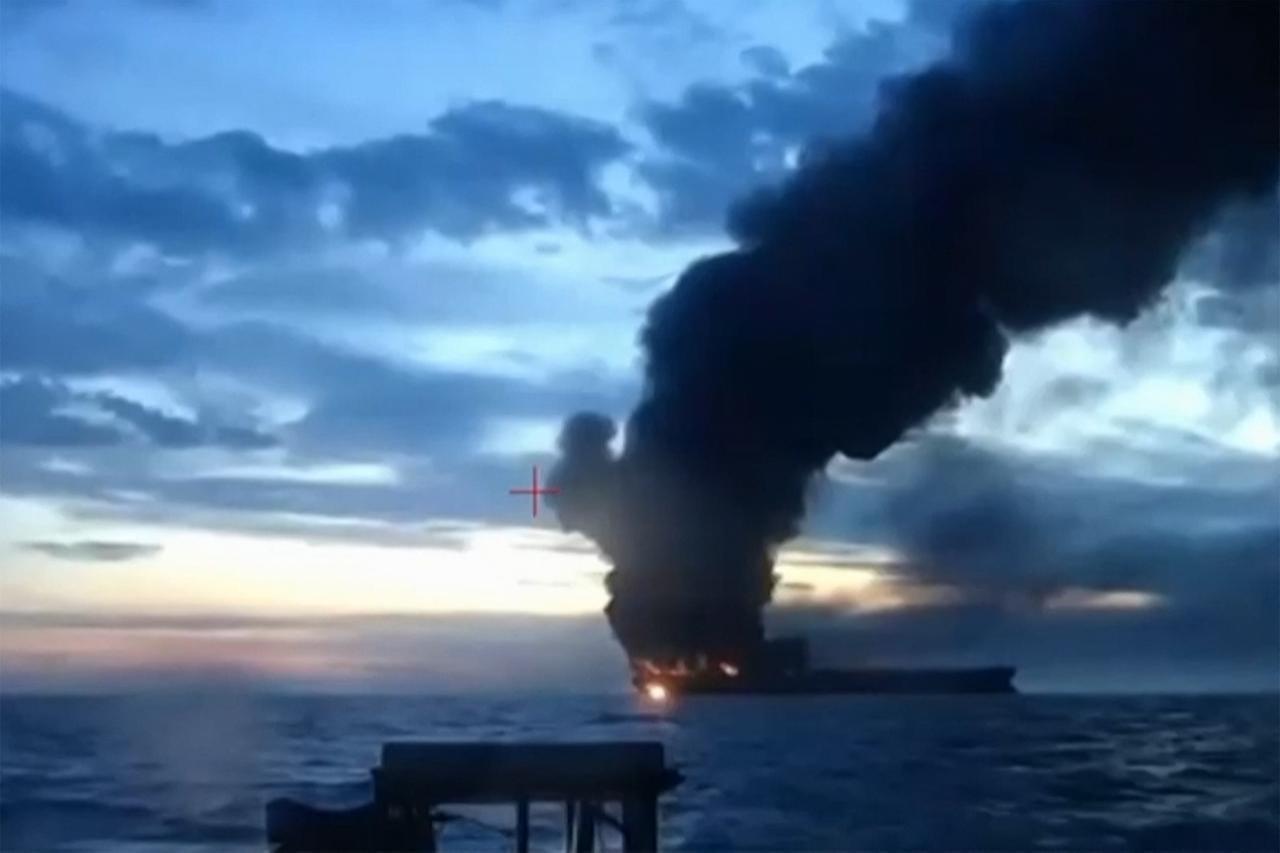

The strikes followed the sinking of a separate Turkish-owned cargo ship off Romania a day earlier, which killed two crew members.
Ukrainian President Volodymyr Zelenskyy blamed Russia for that attack, while Russia's Defense Ministry said separately that its forces had struck two Ukrainian cargo ships in the Black Sea.
Von der Leyen's comments reflect growing alarm in Brussels over the safety of commercial shipping lanes in the Black Sea, a route critical to global grain exports since Russia's invasion of Ukraine.
Her statement did not specify who was responsible for Tuesday's attack in Bulgaria's waters, noting that the circumstances remained under investigation.
 1 min read
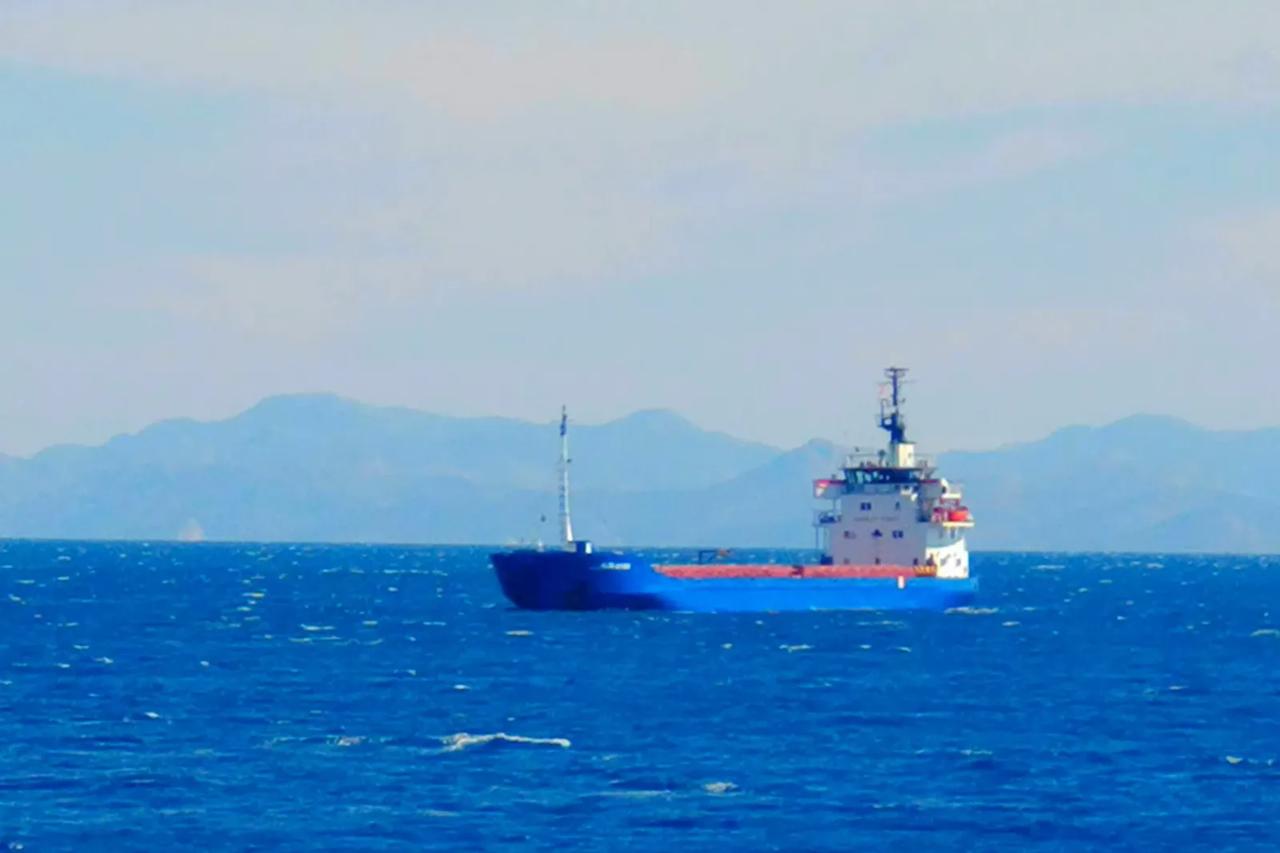
The latest incidents add to a string of drone- and mine-related disruptions in the Black Sea in recent months, which had already prompted London's Joint War Committee to expand its high-risk zone designation to cover nearly the entire Black and Azov seas, sharply raising insurance premiums for shipping companies operating in the region.
Bulgaria, Türkiye and Romania, all NATO members, maintain a joint mine countermeasures group in the Black Sea to address the recurring threat to civilian vessels.


 Set as preferred source
 Set as preferred source


 1 min read