

 Newsletters


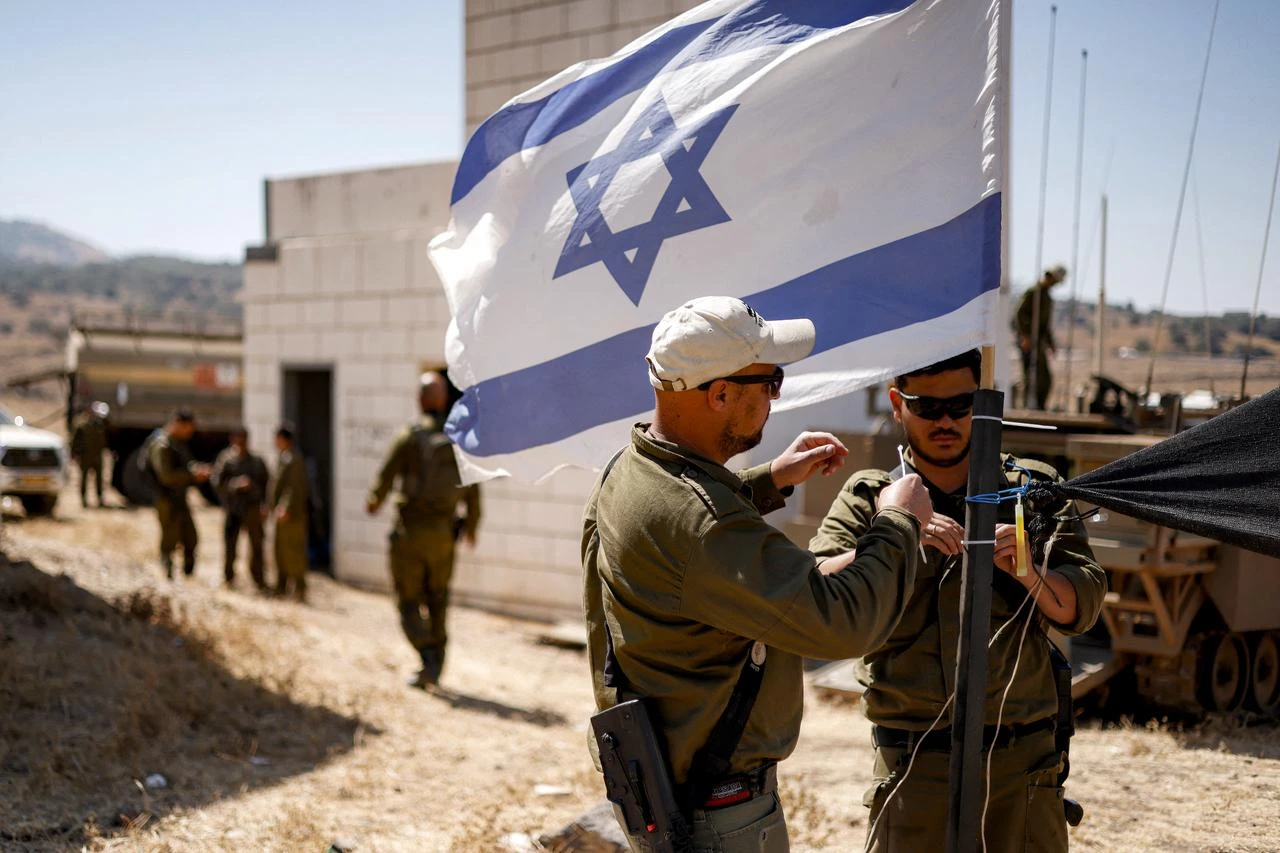


U.S. Ambassador to Türkiye and Special Envoy for Syria and Iraq Tom Barrack said Sunday that Washington's policy on the Golan Heights remains unchanged, walking back earlier comments that Israel still occupies the territory.
Barrack made the clarification in a statement to the Associated Press (AP), days after remarks that appeared to contradict U.S. President Donald Trump's position on the disputed territory and drew criticism from Republican lawmakers.
Barrack said U.S. policy on the Golan Heights was set by Trump in 2019 and has not changed.
"United States' policy on the Golan was set by President Trump in 2019 and is unchanged," Barrack said in the statement to the AP.
Israel captured the Golan Heights from Syria in the 1967 Middle East war and annexed it in 1981.
The United Nations and most of the international community consider the territory occupied Syrian land and do not recognize Israel's annexation. In 2019, Trump recognized Israeli sovereignty over the territory, reversing decades of U.S. policy.
Barrack said his earlier description of the Golan as occupied was "a description of the territory's historical status" and "not an endorsement of the United Nations' position."
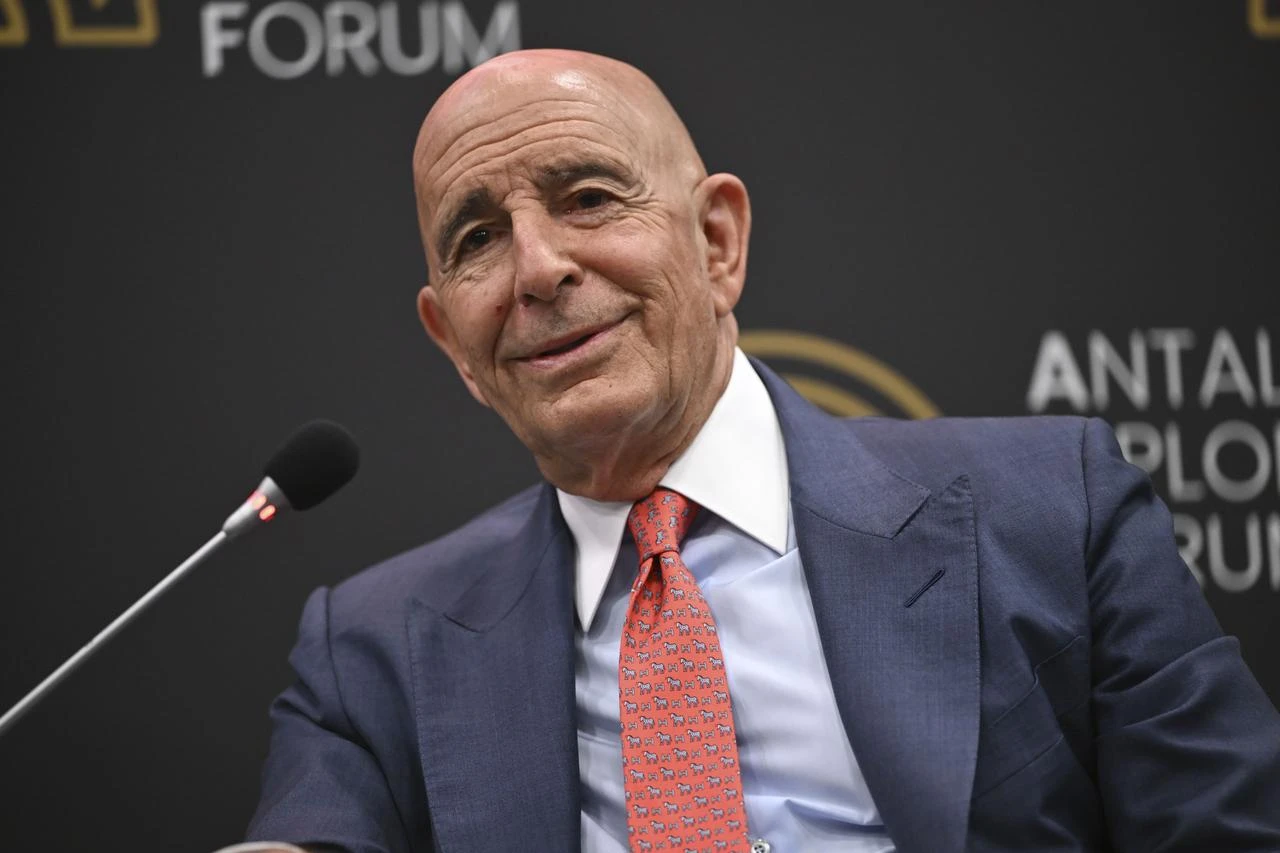

In a Friday interview with Mario Nawfal, Barrack said Israel "still" occupies the Golan Heights in violation of UN resolutions.
"Saying that, in the Golan with Syria, they still occupy the Golan against the U.N. resolutions, against all of the international order, which has said the Golan is Syria's," Barrack said in that interview.
Barrack said he intended to use the Golan as an example that "territory taken by force remains contested for generations," in the context of explaining why he does not anticipate Israeli annexation in southern Lebanon, where Israeli forces are occupying parts of the country following the latest Israel-Hezbollah war.
Florida Republican Sen. Rick Scott wrote on the social media platform X that Barrack appeared to have "forgotten" Trump's recognition of Israeli sovereignty over the Golan.
"It seems the Ambassador forgot that or failed to do his research, so here's a refresher for him," Scott wrote, sharing Trump's executive order on the Golan Heights.
"President Trump has been clear about Israel's sovereignty over the Golan Heights for years!" he wrote.
Far-right commentator Laura Loomer called on Barrack to resign, writing in a social media post that shared Trump's 2019 proclamation on the Golan, "He should resign for his lack of understanding of U.S. foreign policy."
Barrack also addressed criticism of remarks he made about ongoing negotiations between Israel and Lebanon over Israeli withdrawal and the disarmament of Hezbollah.
He had said "two people are missing from that (negotiating) table, Hezbollah and Iran," a remark that prompted speculation Barrack meant Tehran and Hezbollah should join the U.S.-backed negotiations.
Barrack said Sunday that the United States does not negotiate with Hezbollah, but that he was pointing out that "the weapons in question are supplied and financed by Iran," which he said complicates negotiations over their fate.
"I was describing the difficulty of the problem, not proposing a new table," Barrack told the AP, noting, "Hezbollah is a designated foreign terrorist organization. We do not negotiate with it, and nothing I said suggests otherwise."
He also defended separate remarks questioning who would replace Tehran's financial support for Shiite communities in southern Lebanon, saying raising those questions was "not conferring standing on anyone."
U.N. Security Council Resolution 497, adopted Dec. 17, 1981, declared Israel's decision to impose its laws, jurisdiction and administration on the Golan Heights "null and void and without international legal effect."
On April 29, 2025, Syrian Foreign and Expatriates Minister Asaad al-Shaibani told a U.N. Security Council session that the Syrian Golan remains under occupation and called for the implementation of Resolution 497 and Israel's withdrawal to the June 4, 1967, line.
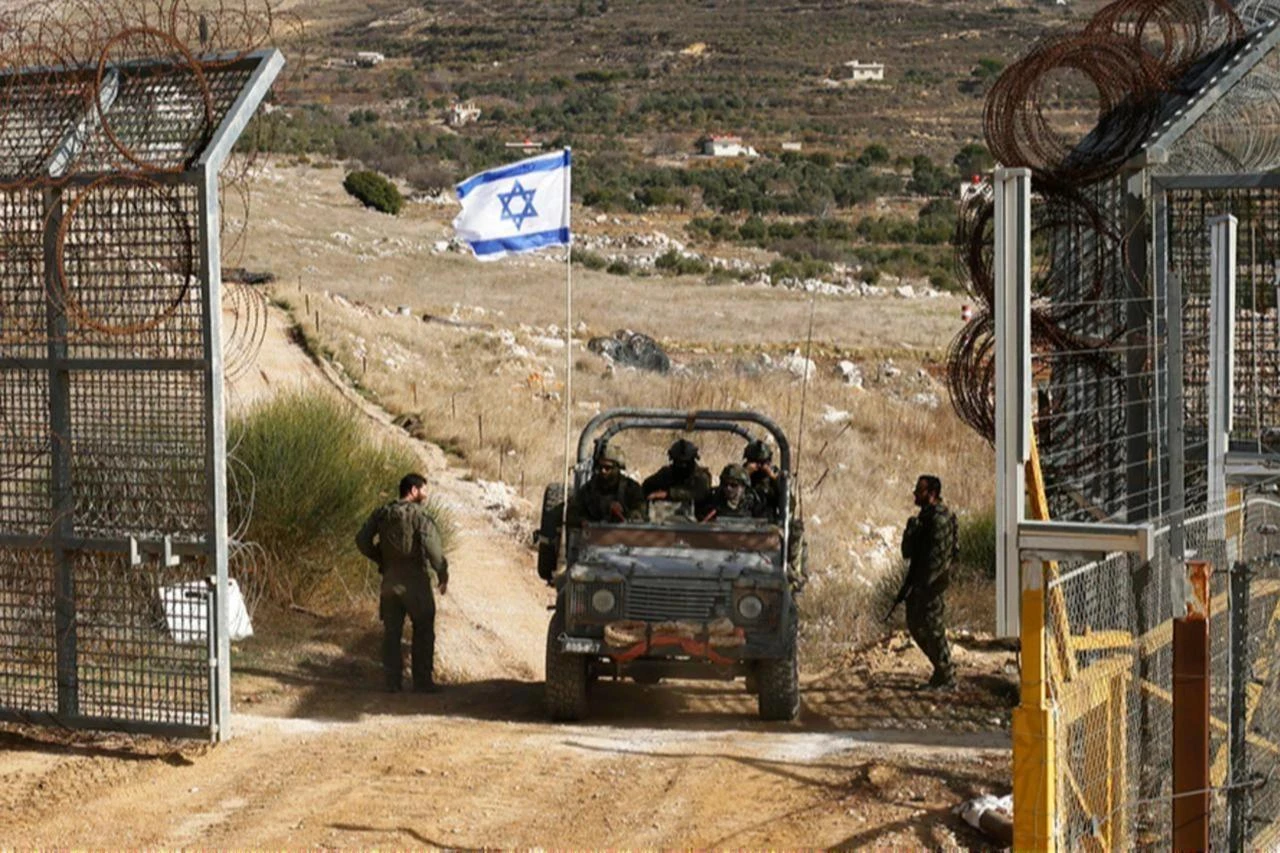
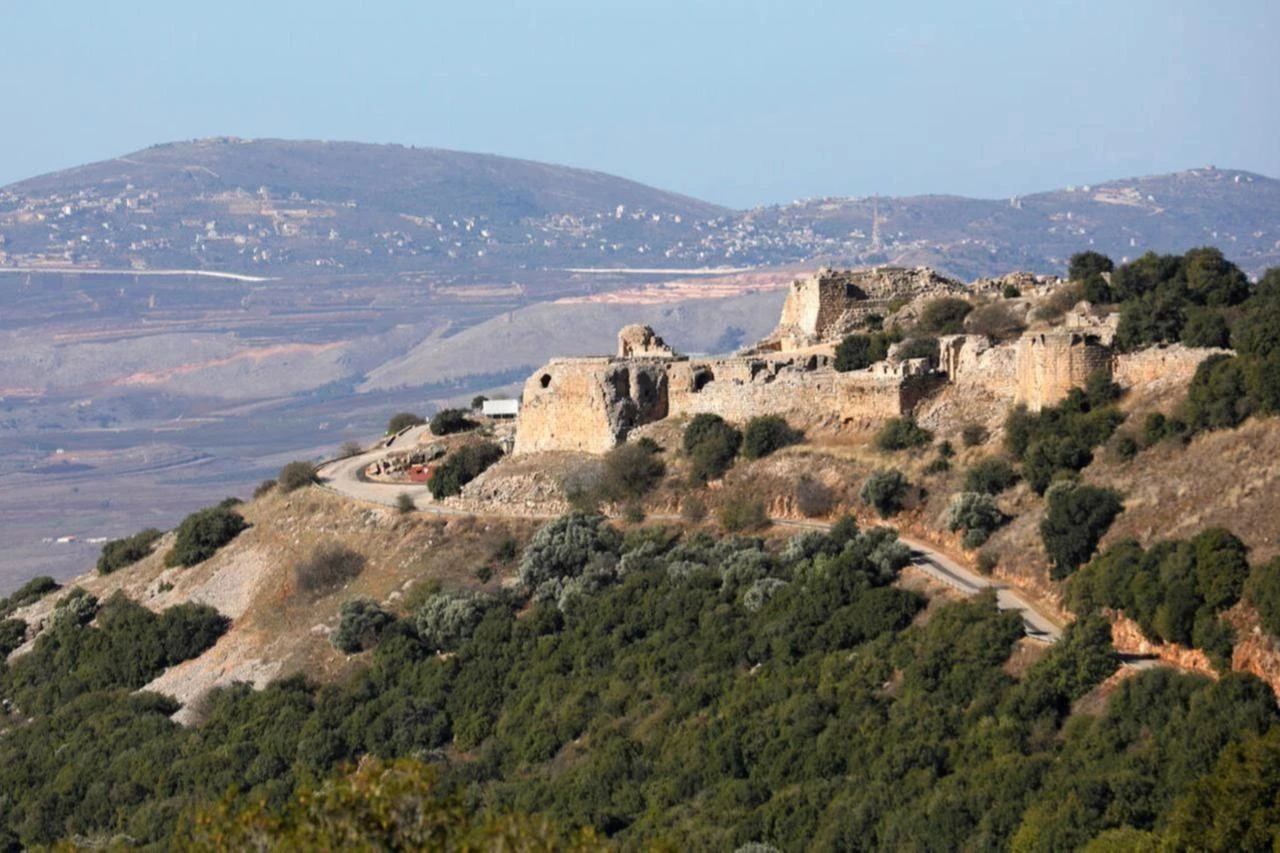
Israel has occupied most of the Syrian Golan Heights since 1967.
After the fall of Bashar Assad's regime in late 2024, Israel declared the 1974 disengagement agreement had collapsed and occupied the Syrian "buffer zone" and other positions, including the Syrian side of Mount Hermon.
Until Trump backed Israel's claim to the Golan, no country had recognized the territory as part of Israel.
The recognition sparked international criticism, with legal experts warning it could undermine the prohibition on acquiring territory by force.
Former President Joe Biden did not reverse Trump's Golan policy during his term.
Colombia's government recently joined the United States in backing Israel's claim over the Golan.


 Set as preferred source
 Set as preferred source


 1 min read
 1 min read



