

 Newsletters




Aramco’s headquarters sits in Dhahran, in Saudi Arabia’s Eastern Province, on ground that engineers from California first surveyed in the 1930s. The company’s original name was the Arabian American Oil Company, and its first geologists worked for Standard Oil of California.
Aramco is the reason the American relationship with Riyadh exists. In February 1945, Franklin Roosevelt met King Abdulaziz ibn Saud aboard the USS Quincy in the Suez Canal zone and settled the terms: American access to Saudi oil in exchange for American protection of the kingdom. No treaty was ever signed. Eighty-one years later, earlier this month, a Houthi missile launched from the far end of the Arabian Peninsula hit the compound they built.
For decades, Saudi defense planners bought large amounts of hardware from Washington, and with it came a bedrock assumption: if someone strikes the kingdom, America strikes back. Pundits call it the security umbrella. But this month, a storm is breaking, and the umbrella is stuck shut.
Crown Prince Mohammed bin Salman has knocked on the door of the White House more than once, asking for muscle. What he’s gotten instead is high-level intelligence and targeting tips.
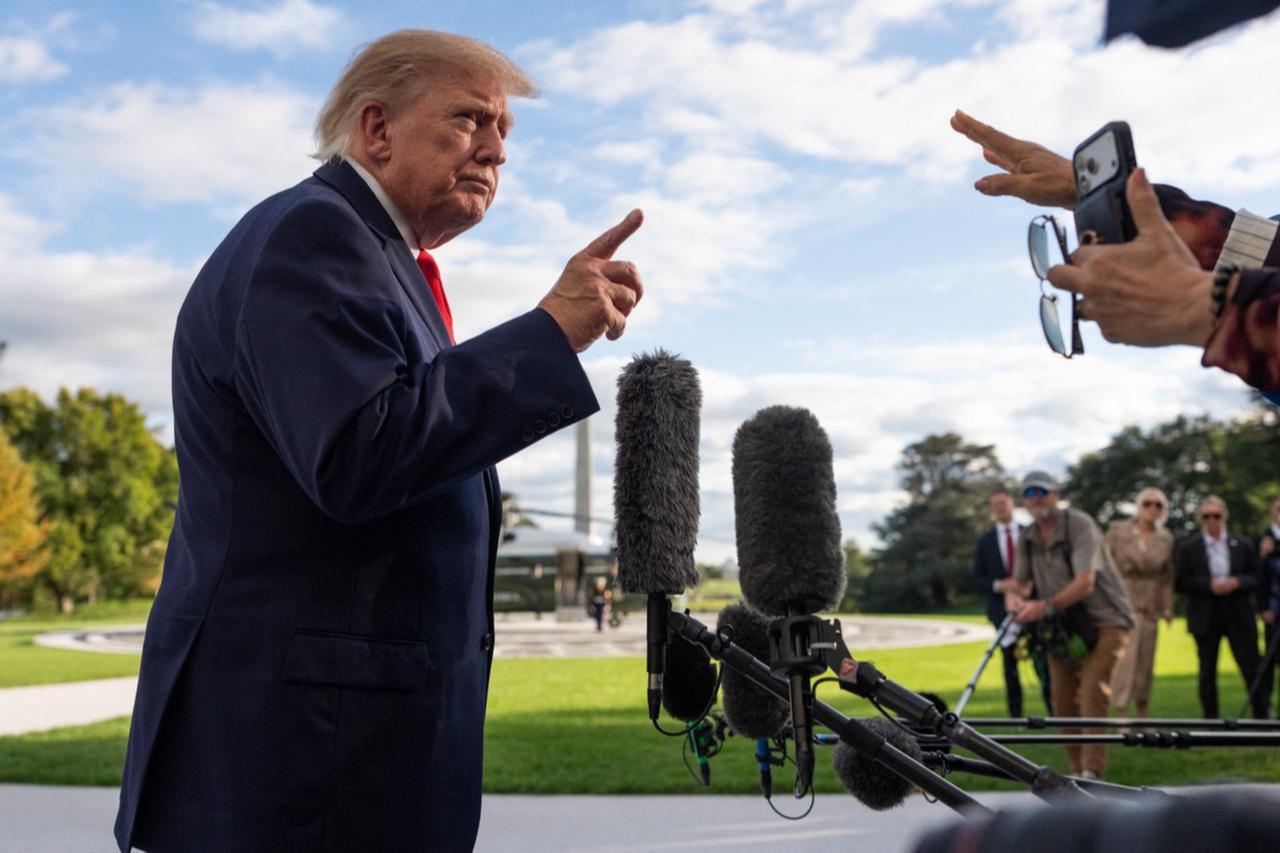
Direct U.S. military intervention is completely off the table because a fragile ceasefire with the Houthis matters more to this administration than maintaining the legacy Gulf security architecture. President Trump has signaled he'll handle the Houthi problem after Nov. 3.
The average voter out in Ohio likely couldn't care less about how an American election cycle dictates life in Sanaa. But it does. The tempo of the strikes had been tapering off. Then came the public word that Washington's hands are tied until after the ballots are cast, and the attacks spiked overnight.
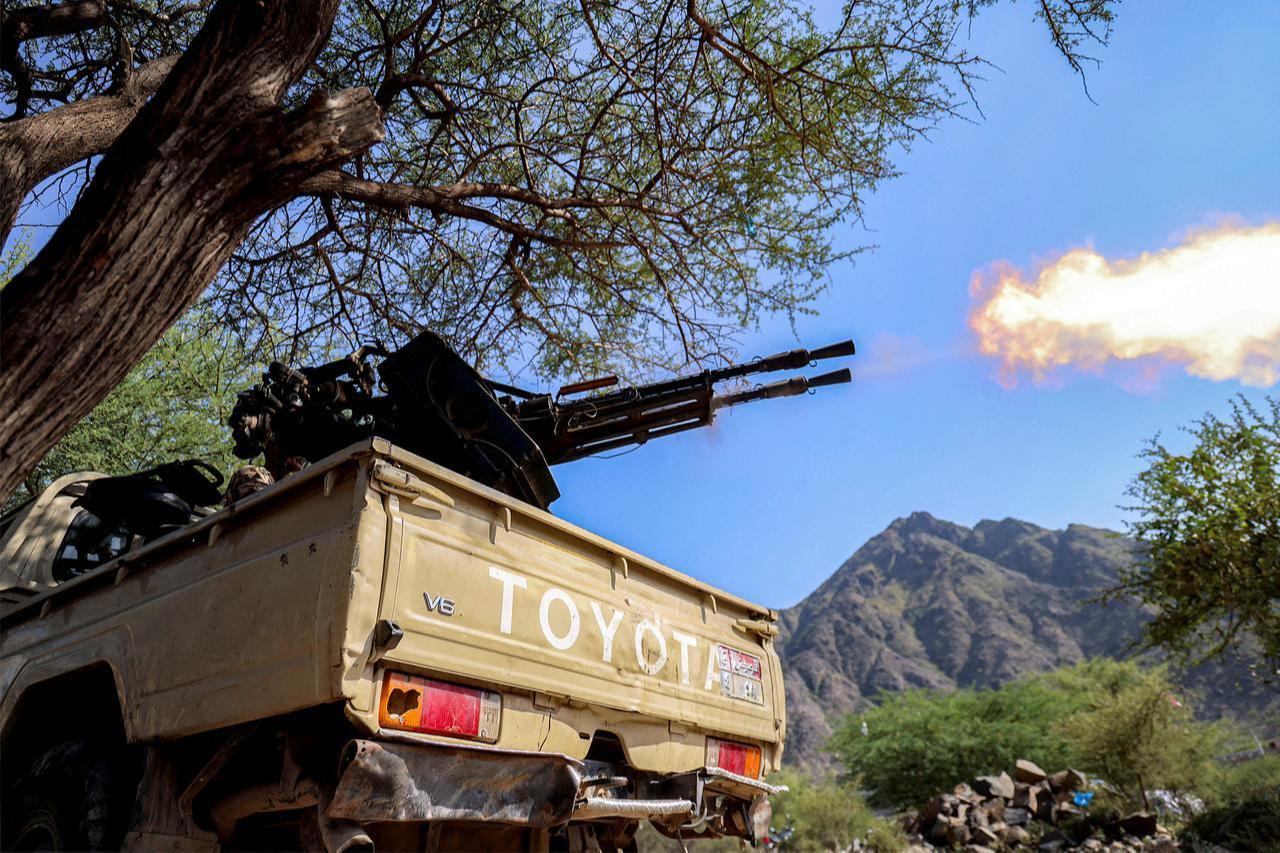

Tehran’s own operational messaging, closely tracked by regional intelligence watchers, makes it plain: impose maximum costs on the United States right before voters head to the polls. A militia long branded as a localized insurgency is choreographing its entire campaign around an American election night.
"Local" was the buzzword Western capitals kept leaning on. The Houthis marketed themselves as indigenous fighters, and plenty of foreign policy wonks in Washington bought the pitch, nodding along about Yemeni autonomy while the group followed the Islamic Revolutionary Guard Corps playbook: batter airports, cripple pipelines, strangle the economy. The Houthis' own rallying cry for the Saudi campaign is "airport for airport, blockade for blockade," and it has already outgrown its own grim arithmetic.
Riyadh is scrambling to cushion the blow, pushing to restore the East-West pipeline's capacity toward 10 million barrels a day. The Houthis keep smashing the infrastructure, and the Saudis keep patching it back together.
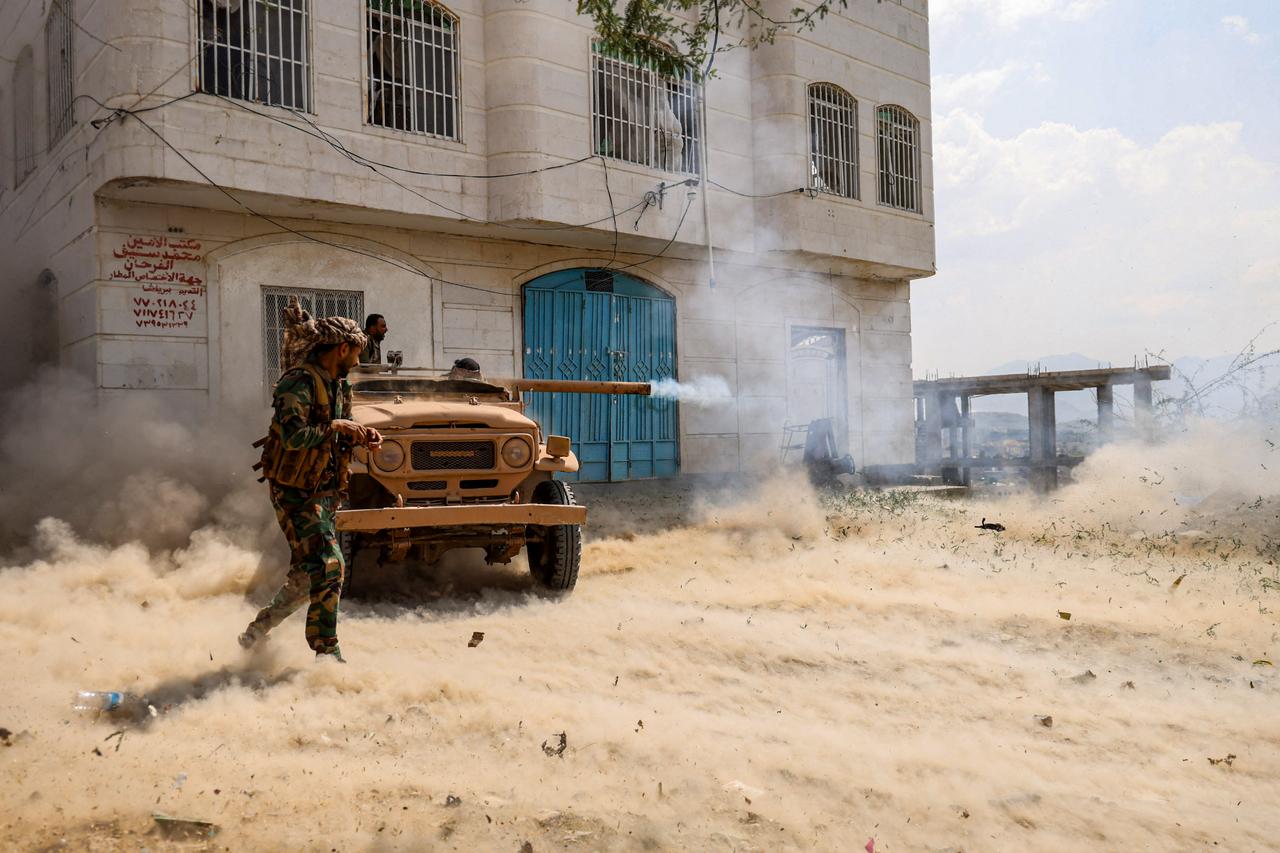
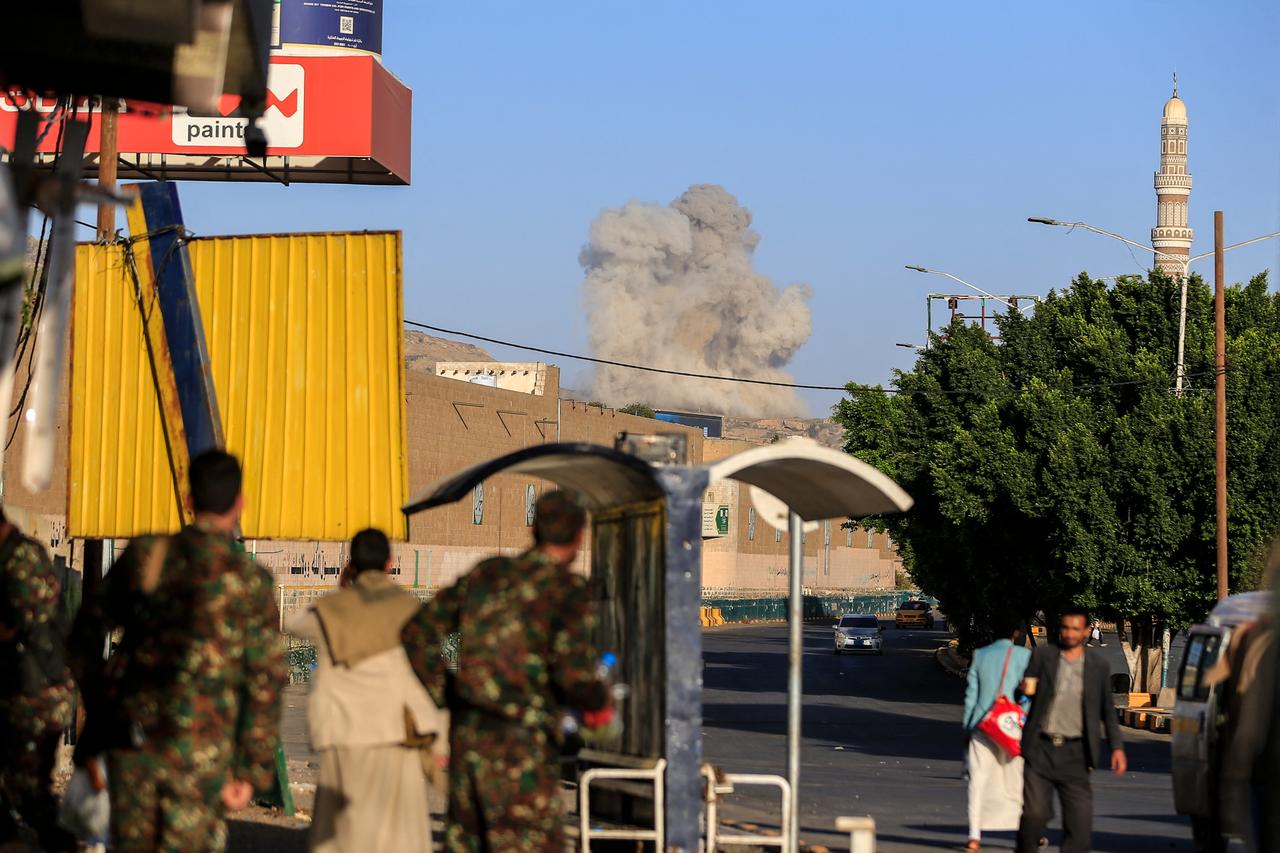
On the ground, the civilian toll is mounting. A brutal strike on a military training camp in Shabwa left 75 young recruits dead and more than 200 wounded. Another strike landed squarely on a bustling market in Lahij. The calculated strategy is simple: make Saudi financial backing of the internationally recognized Yemeni government politically unsustainable and force a localized capitulation in a fight the Houthis are bound to win because they hold a monopoly on long-range missiles.
When Trump stepped back into the Oval Office in early 2025, he moved within weeks to greenlight Operation Rough Rider, unleashing hell on the Houthis for strangling Red Sea commerce and targeting Israel.
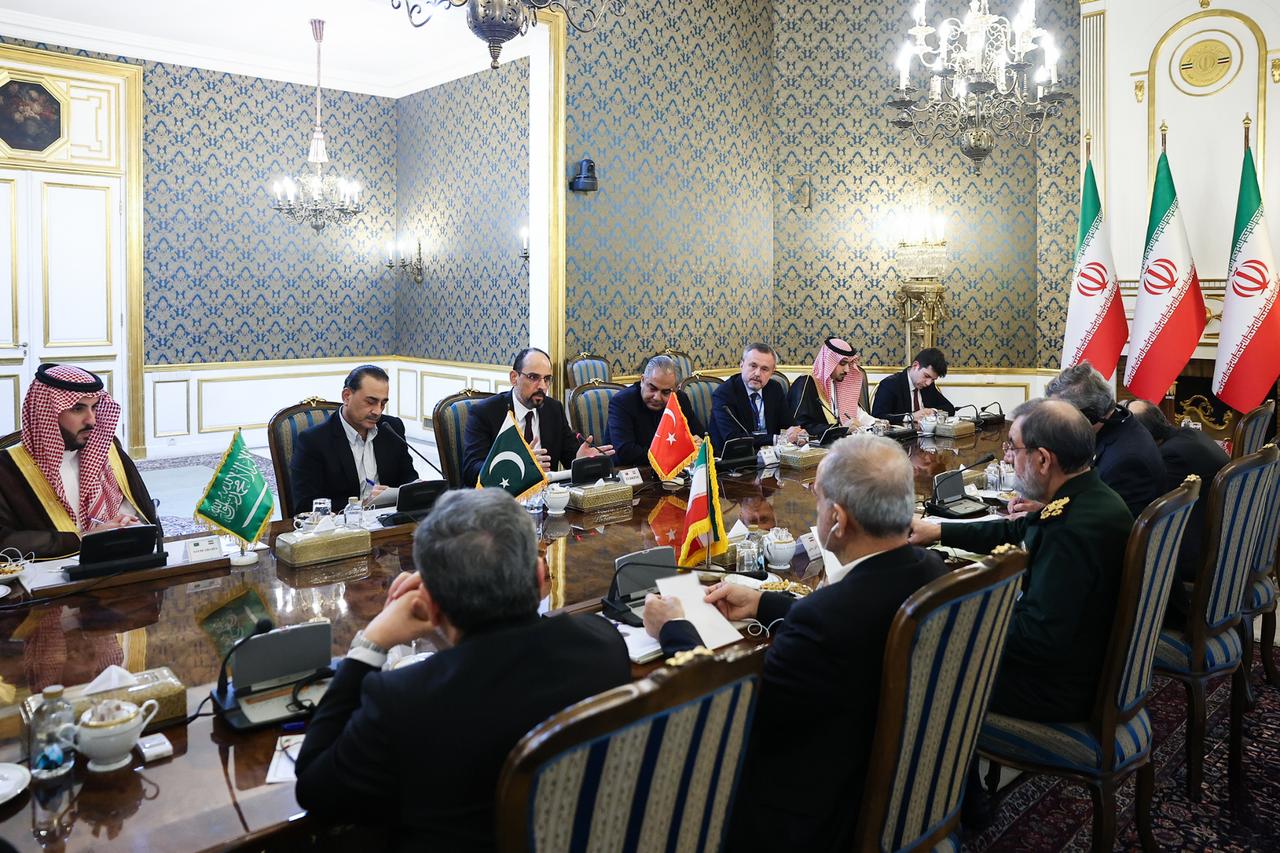
Now, Riyadh is out shopping for a backup umbrella. The newly minted "Mecca alliance," linking Türkiye, Pakistan, and Egypt, is pitched as the kingdom's alternative shield. The Saudi defense minister recently flew to Tehran flanked by his new alliance partners, with Yemen front and center on the agenda.
Yet the alliance instinctively looks to Washington for its cue, and Washington remains firmly on the sidelines. When America refuses to show up, the historical pattern holds: nobody else steps into the breach either. Compounding the crisis is a brutal math problem: Saudi air defense interceptor stockpiles are running critically low. An umbrella missing half its ribs simply doesn't keep out the rain.
The Houthis are also reading the tea leaves on the map. They are making aggressive territorial claims to Najran and Jizan, the strategic border provinces Saudi Arabia secured under a long-standing agreement with the former Yemeni government, a deal the Houthis never recognized. Their cross-border rocket fire has battered Najran and Jizan, and their official rhetoric now brazenly echoes a single demand: "We need these lands back."
All of this leaves the House of Saud cornered, with every path out of the war looking miserable. Settling for a frozen stalemate might buy the kingdom temporary quiet, but it leaves the Houthis squatting on the coast, starving Taiz, and holding a loaded gun to Saudi airports and oil installations whenever they see fit.
Riyadh would be forced to negotiate from a position of weakness, risking the total abandonment of the very government it spent billions propping up. Every single ceasefire so far has been treated by the militants as a breathing spell to rearm and raise the stakes. Today's ransom price is an airport. Tomorrow's, judging by Houthi state media, is sovereign territory.
Quiet buys Saudi Arabia a fleeting pause and buys the Houthis precious time. In the rough terrain of Yemen, the Houthis have always played the long game better than anyone else. By Nov. 4, someone inside the halls of power in Riyadh will be clutching an exorbitantly expensive umbrella that, when the clouds finally open, nobody in Washington bothered to hold up.


 Set as preferred source
 Set as preferred source


 2 min read

 1 min read


