Newsletters


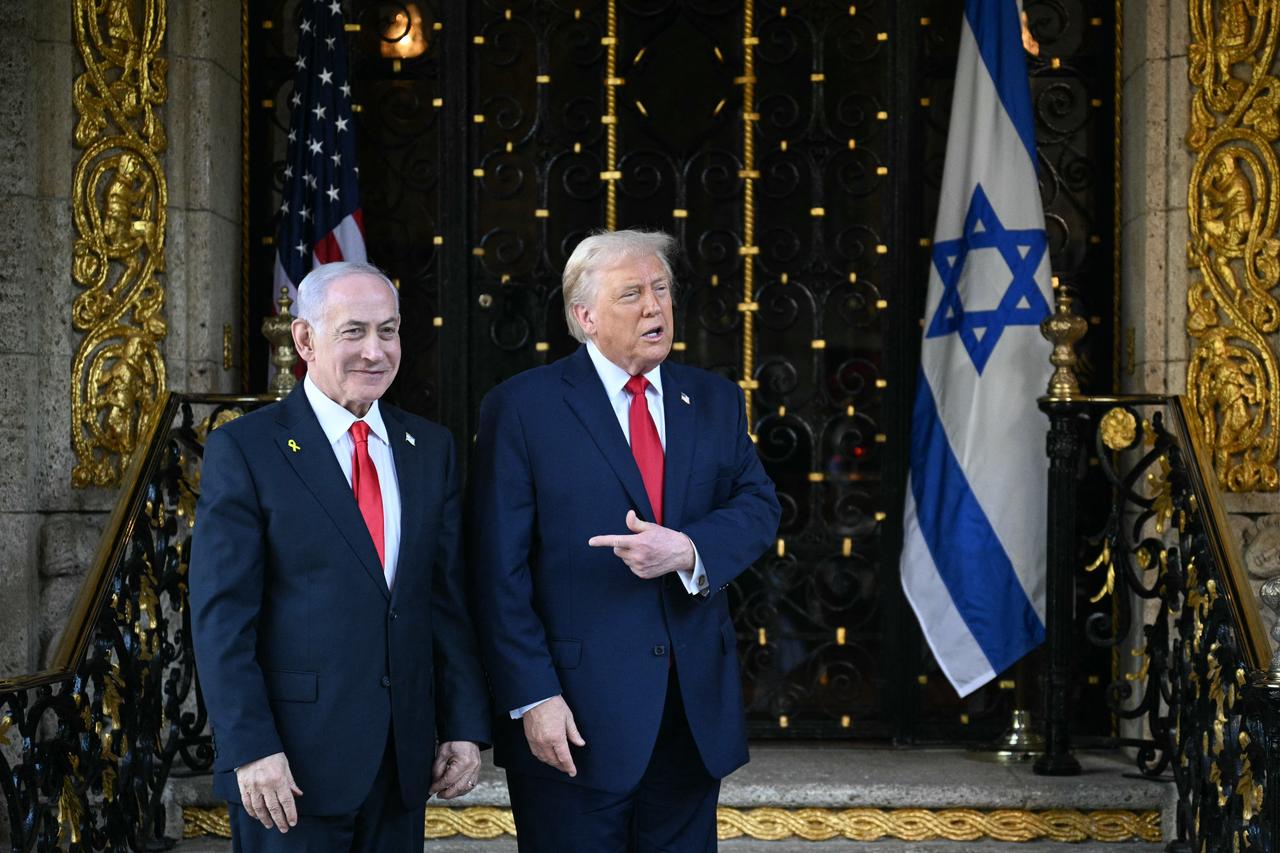
Saudi Crown Prince Mohammed bin Salman (MBS) called U.S. President Donald Trump twice on Thursday, urging him to launch strikes against Yemen's Houthis as the Iran-backed group closed in on a vital Red Sea chokepoint, but Trump declined, Axios reported, citing two U.S. officials.
U.S. officials stressed that the administration has no plans to intervene directly against the Houthis for now, according to the report.
As Houthi forces advanced on the coastal city of Mocha and Saudi-backed Yemeni forces retreated Thursday, Mohammed bin Salman called Trump to brief him on the deteriorating situation, according to the report.
Several hours later, he called again and urged Trump to order U.S. strikes against the Houthis. Trump declined, though a U.S. official said the administration will provide Saudi Arabia with intelligence on the Houthis and targeting data.
Roughly 200 U.S. military personnel are already in Saudi Arabia providing non-kinetic support, the official said.
A senior Trump administration official said Washington's priority is keeping the Red Sea open while leaving the broader fight to regional partners.
"The United States is focused on protecting our core national security interests, such as ensuring freedom of navigation in the Red Sea, while empowering our regional partners to take the lead in managing and resolving regional security challenges," the official told Axios.
"We are in continuous dialogue with Saudi Arabia and the Republic of Yemen Government regarding regional stability," the official noted.


The U.S. is increasingly concerned about the rapidly escalating conflict in Yemen and is stepping up support for Saudi Arabia while seeking to avoid direct military involvement, according to the report.
Adm. Brad Cooper, commander of U.S. Central Command (CENTCOM), traveled to Saudi Arabia on Thursday for urgent coordination talks.
U.S. military and civilian officials have told their Saudi counterparts in recent weeks that Trump's directive is to keep American forces focused on Iran and the Strait of Hormuz while avoiding the opening of another military front, according to the report.
Separately, CNN reported, citing multiple sources, that the U.S. has provided intelligence and targeting support for Saudi Arabia's military campaign against the Houthis, including a real-time battlefield targeting tool compared to the Pentagon's Maven system, as well as "geospatial" targeting support for strikes on Houthi positions.
Sources told CNN the U.S. is not participating directly in strikes or providing aerial refueling for Saudi warplanes, unlike in past rounds of fighting.
A Pentagon official declined to confirm the report, saying, "As a matter of practice, we do not comment on intelligence-related matters."

Saudi Arabia's request for direct U.S. military action marks a sharp reversal from July, when Riyadh told Washington it could handle the Houthis on its own, according to Axios.
The Saudi-Houthi confrontation reignited in July after Riyadh prevented an Iranian plane carrying senior Houthi officials from landing in Sanaa following the funeral of former Iranian Supreme Leader Ali Khamenei.
MBS had asked Trump for political backing to strike Sanaa's airport at the time, making clear that Saudi Arabia did not need U.S. military assistance, and Trump gave his support.
The Houthis retaliated by attacking Saudi tankers in the Red Sea and later expanded their attacks to Saudi energy facilities, prompting Saudi Arabia and its Yemeni allies to respond with airstrikes and ground offensives.
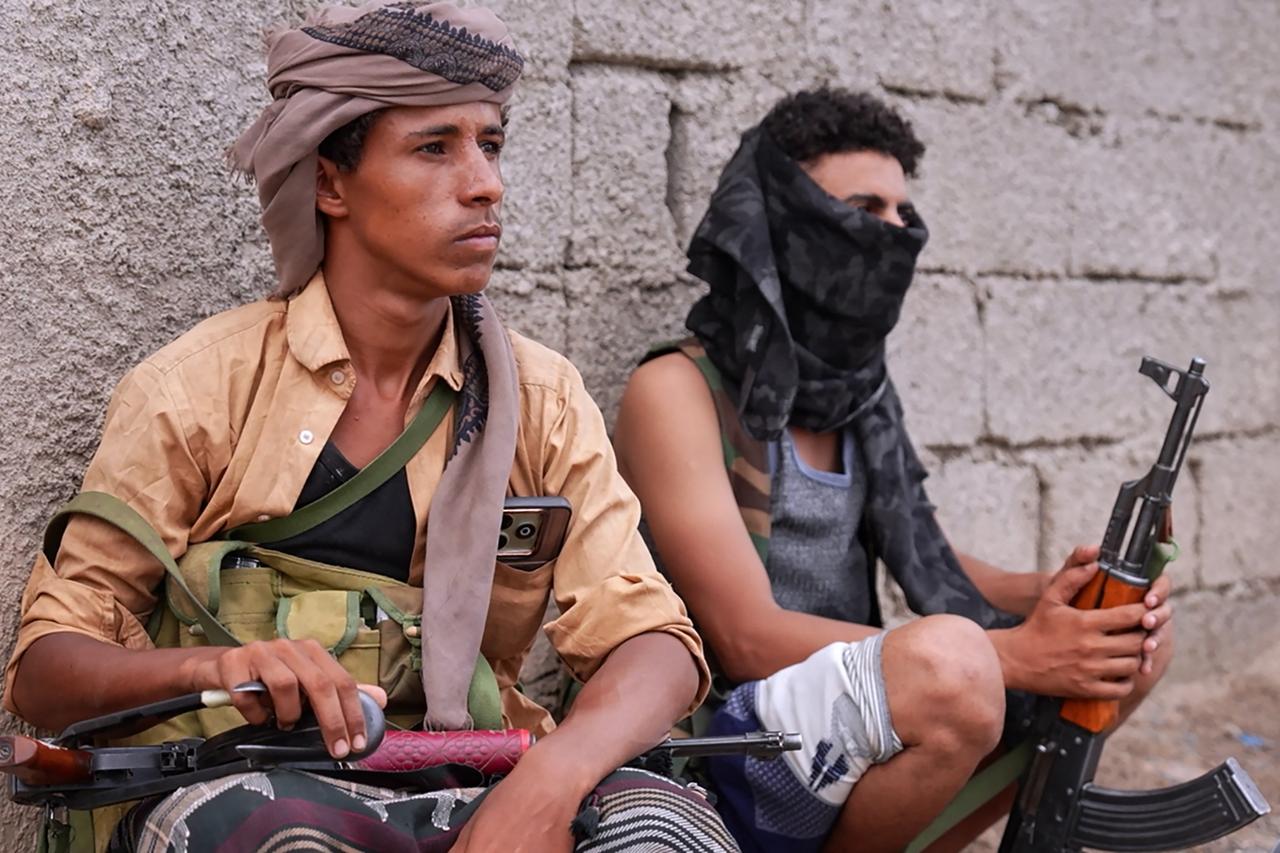
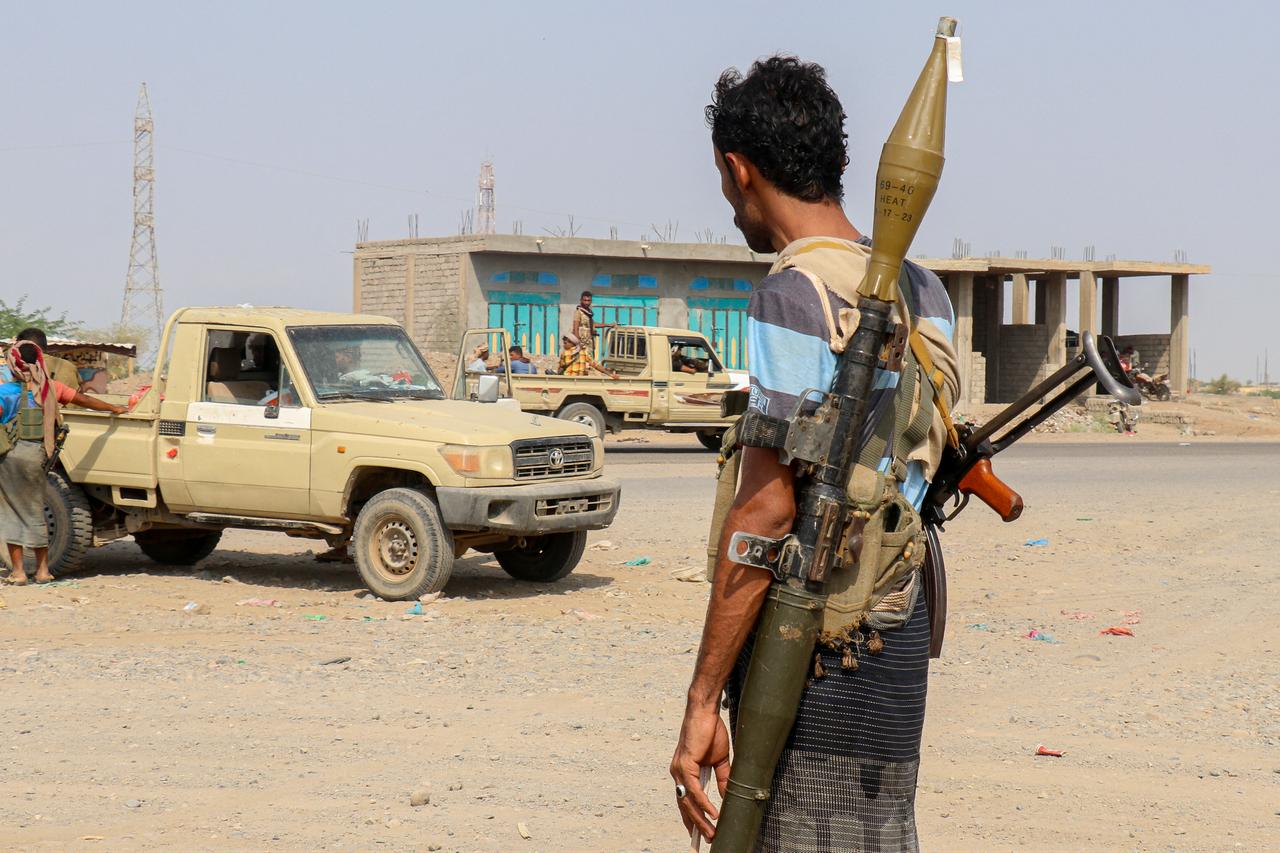
The Saudi request came hours after Houthi forces seized Yemen's port city of Mocha and advanced down the Red Sea coast toward the Hanish islands, according to Yemeni military sources cited by Reuters, gaining further leverage over the Bab el-Mandeb Strait, one of the world's most important shipping routes.
Yemeni government forces and their allies were relocating south along the coast to Dhubab, opposite Perim Island, with control of that area seen as key to holding the strait.
Yemen's Houthi-run humanitarian operations coordination center said Red Sea navigation remained safe for all shipping companies except Saudi vessels.
Reuters reported that the Yemeni government, Iranian and regional sources said the Houthi advance this week came with direct guidance from Iran's Revolutionary Guard Corps (IRGC).
Houthi spokesperson Mohammed Abdulsalam said the group's operations were defensive and would stop once attacks on Yemen stopped, without elaborating.

U.N. Special Envoy for Yemen Hans Grundberg told a Security Council session Thursday that Yemen's return to conflict threatens to draw the country into a broader regional confrontation.
"When I briefed this council last month, I warned that Yemen was facing the greatest risk of a return to large-scale conflict since the 2022 truce. That risk has now turned into a harsh reality," Grundberg said, calling the fighting "a new and more dangerous phase" and warning it "risks yet again dragging the country into the wider and unresolved regional confrontation, with global repercussions."
U.S. representative Jenifer Neidhart de Ortiz accused the Houthis of acting as "agents and tools of Iran," saying, "This escalation is unacceptable, and those who enable it bear responsibility for its consequences."
Iran's Foreign Ministry said the conflict could not be solved through blockade or military action and called for dialogue, without addressing Tehran's own role in the escalation.
Saudi Arabia's U.N. Ambassador Abdulaziz Alwasil told the same session that Riyadh would "not hesitate to take all measures necessary" against the Houthis, condemning an attack earlier in the week that wounded 73 civilians in southern Saudi Arabia.
"Peace requires a partner who believes in peace," Alwasil said, adding that Saudi Arabia remains committed to "a comprehensive, sustainable political solution under Yemeni leadership."

Yemen's National Defense Council, chaired by Presidential Leadership Council Chairman Rashad al-Alimi, said Thursday that any Houthi territorial gains are temporary and will not become a "geographic reality," according to Yemen's official Saba news agency.
The council said Houthi attempts "to turn a temporary field gain into a permanent political or geographic reality" are "merely an illusion" and expressed full solidarity with Saudi Arabia against what it called the Houthis' "terrorist escalation."


 Set as preferred source
 Set as preferred source


 2 min read
 1 min read