Newsletters




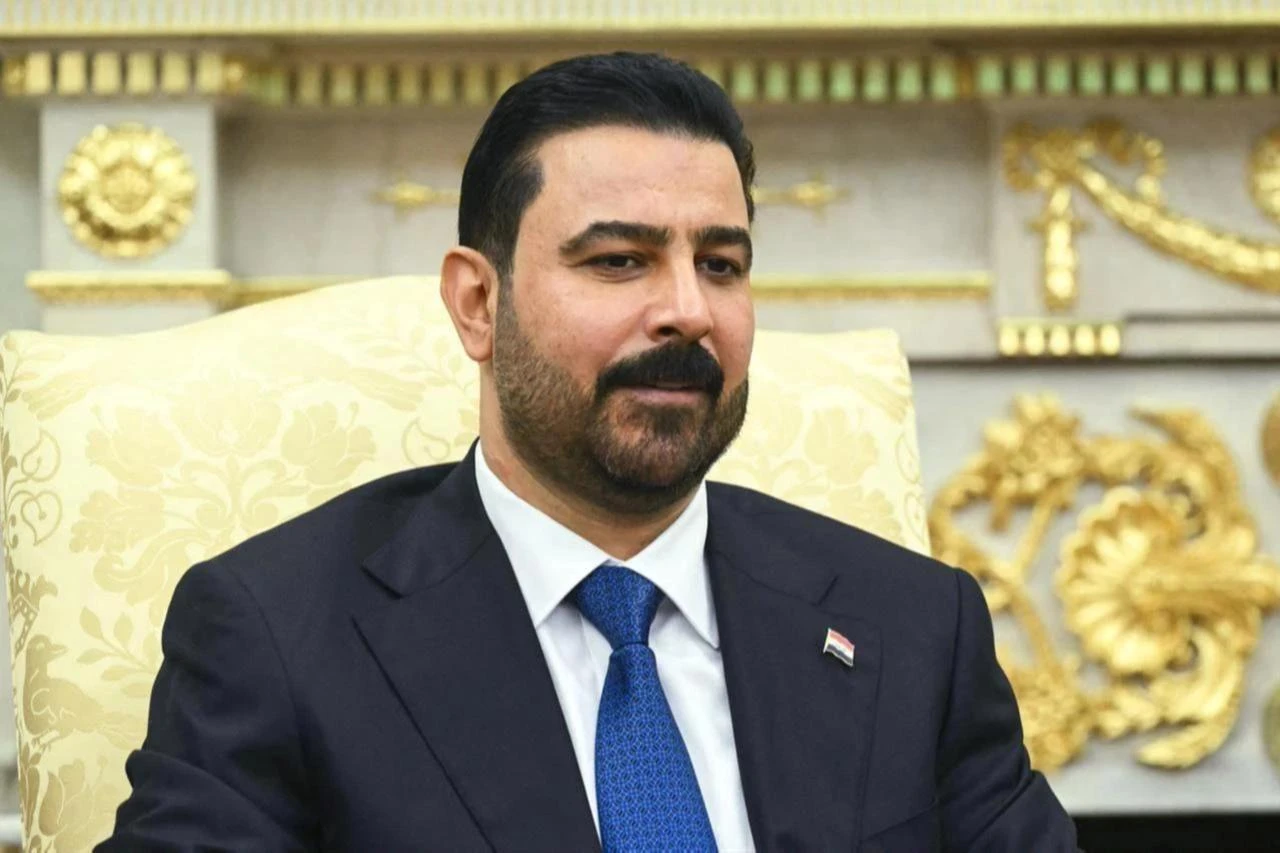
Qatar's Prime Minister Sheikh Mohammed bin Abdulrahman Al Thani stated on Monday that his country feels "betrayed" by Iran's strikes on Gulf nations, calling Tehran's attacks a "dangerous miscalculation" that has "destroyed everything" in his first public interview since Qatar came under repeated missile and drone fire.

"It is a big sense of betrayal," Al Thani told Sky News.
"Just an hour after the start of the war, Qatar and other Gulf countries were attacked. We made clear that we were not going to take part in any wars against our neighbors," he noted.
The tone was striking from a country that has long maintained open diplomatic channels with Tehran and positioned itself as a global mediator. That relationship now appears deeply strained.
"All the attacks on the Gulf countries, we never expected this from our neighbor," Al Thani said.
"We have always tried to preserve a good relationship with Iran, but the justifications and pretexts they are using are completely rejected," he noted.
He pushed back against Iran's claim that its strikes targeted only military sites. "25% of the attacks are targeting civilian facilities. What has this got to do with the war? "What do they want to achieve?" he said, noting that international airports, water utilities, and gas infrastructure had all been in Tehran's crosshairs.
"The miscalculation by the Iranians to attack Gulf countries has destroyed everything," Al Thani said.
Despite his anger, Al Thani repeatedly stressed that military escalation would only deepen the crisis and called on all sides, including the United States, to reduce tensions.
"We continue to seek de-escalation," he said, noting that, "They are our neighbours, it's our destiny."
He insisted the answer must be renewed negotiations.
Al Thani warned that the consequences of sustained disruption would extend far beyond the region. Qatar supplies roughly 20% of the world's gas and is one of the planet's largest fertilizer producers, meaning any prolonged disruption would affect markets, food supplies and populations worldwide.
"What happens in the Gulf won't stay in the Gulf," he warned, calling attention to a war that began between the U.S., Israel, and Iran but is now dragging in countries that want no part of it.
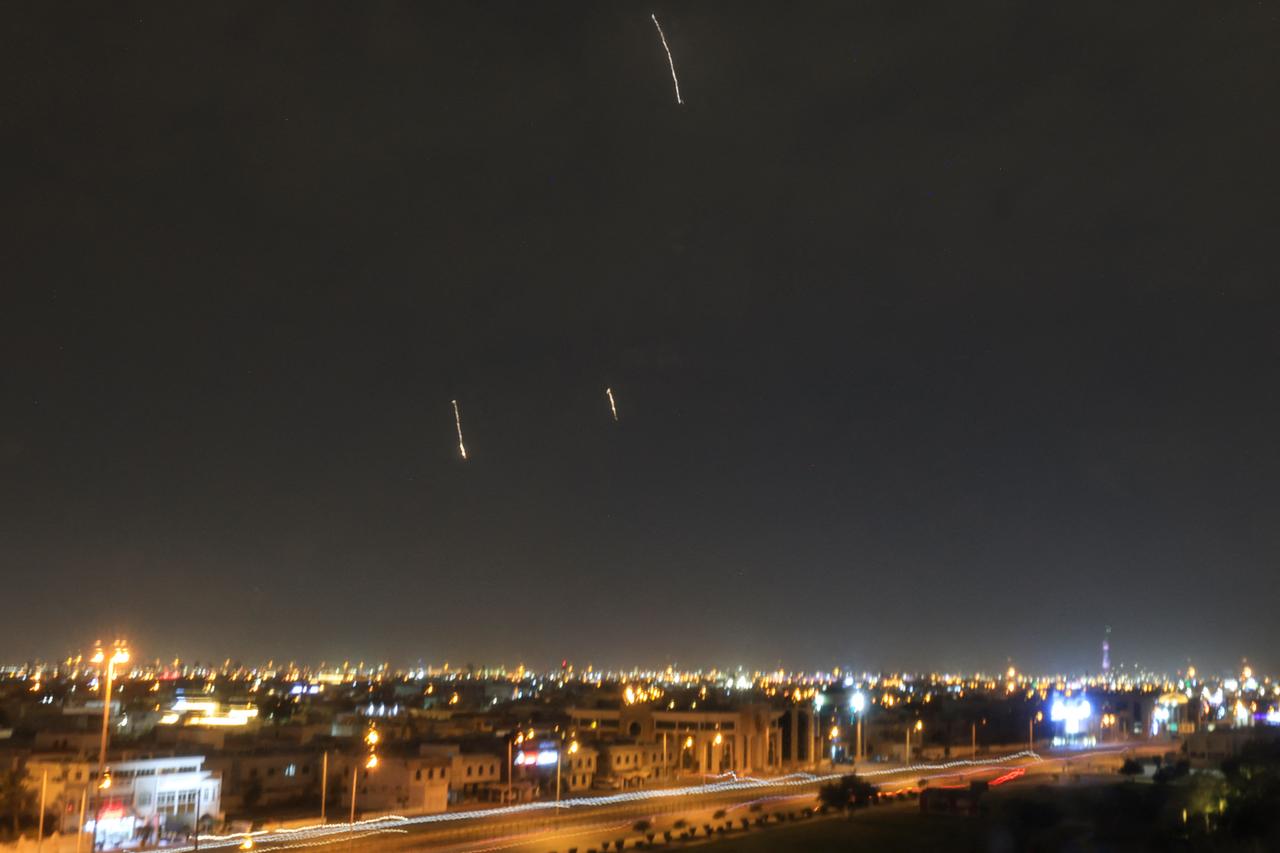
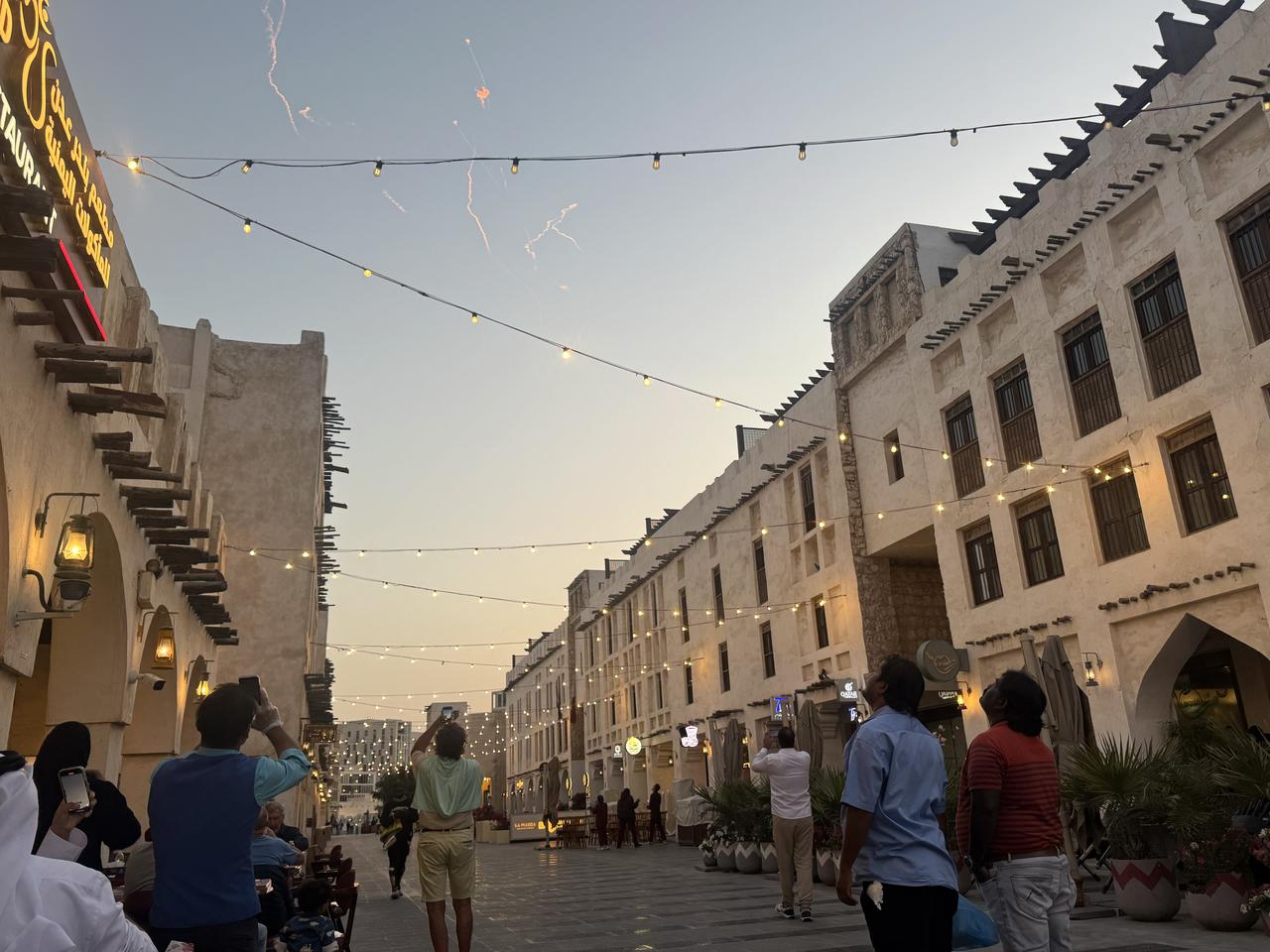
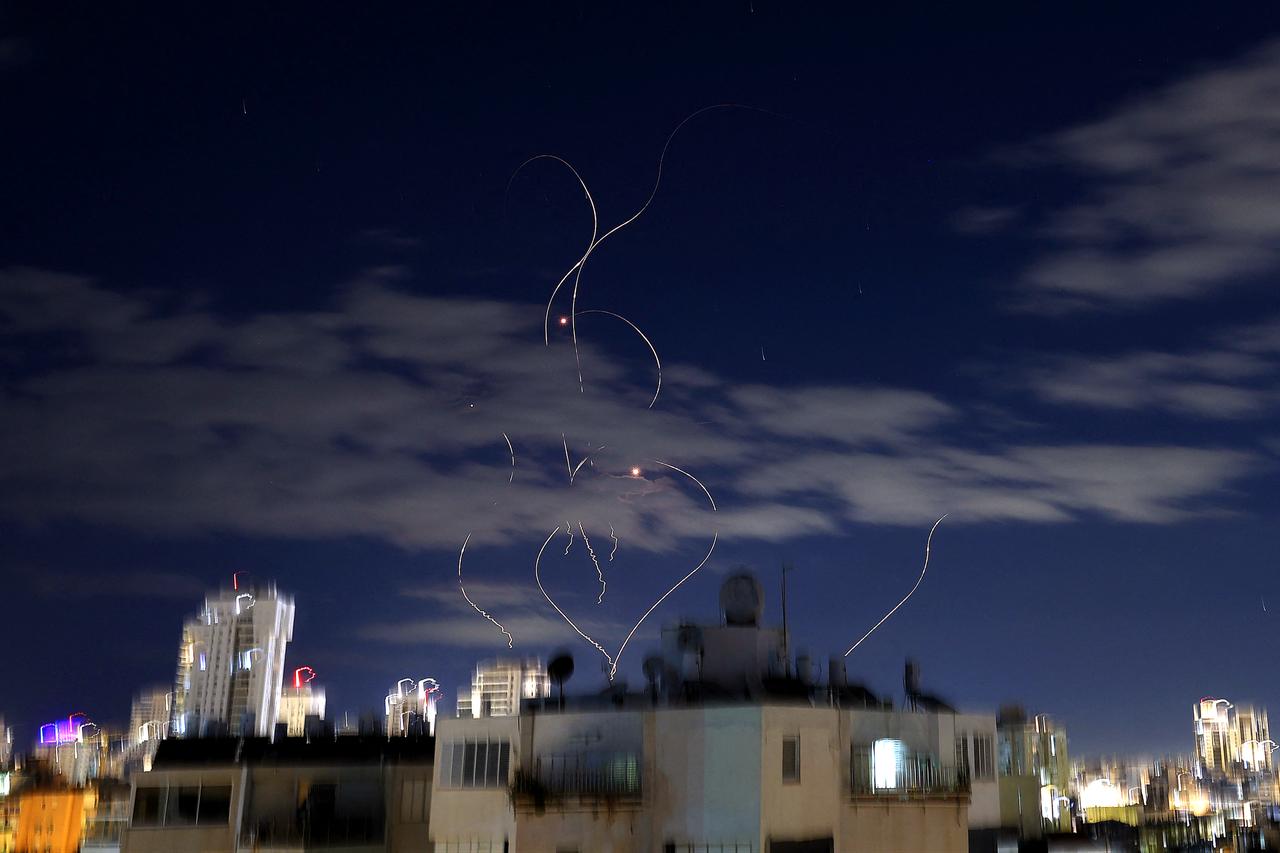
Qatar's defense ministry said missile attacks on the country were intercepted, with explosions heard in Doha and a "national emergency" alert sent to mobile phones.
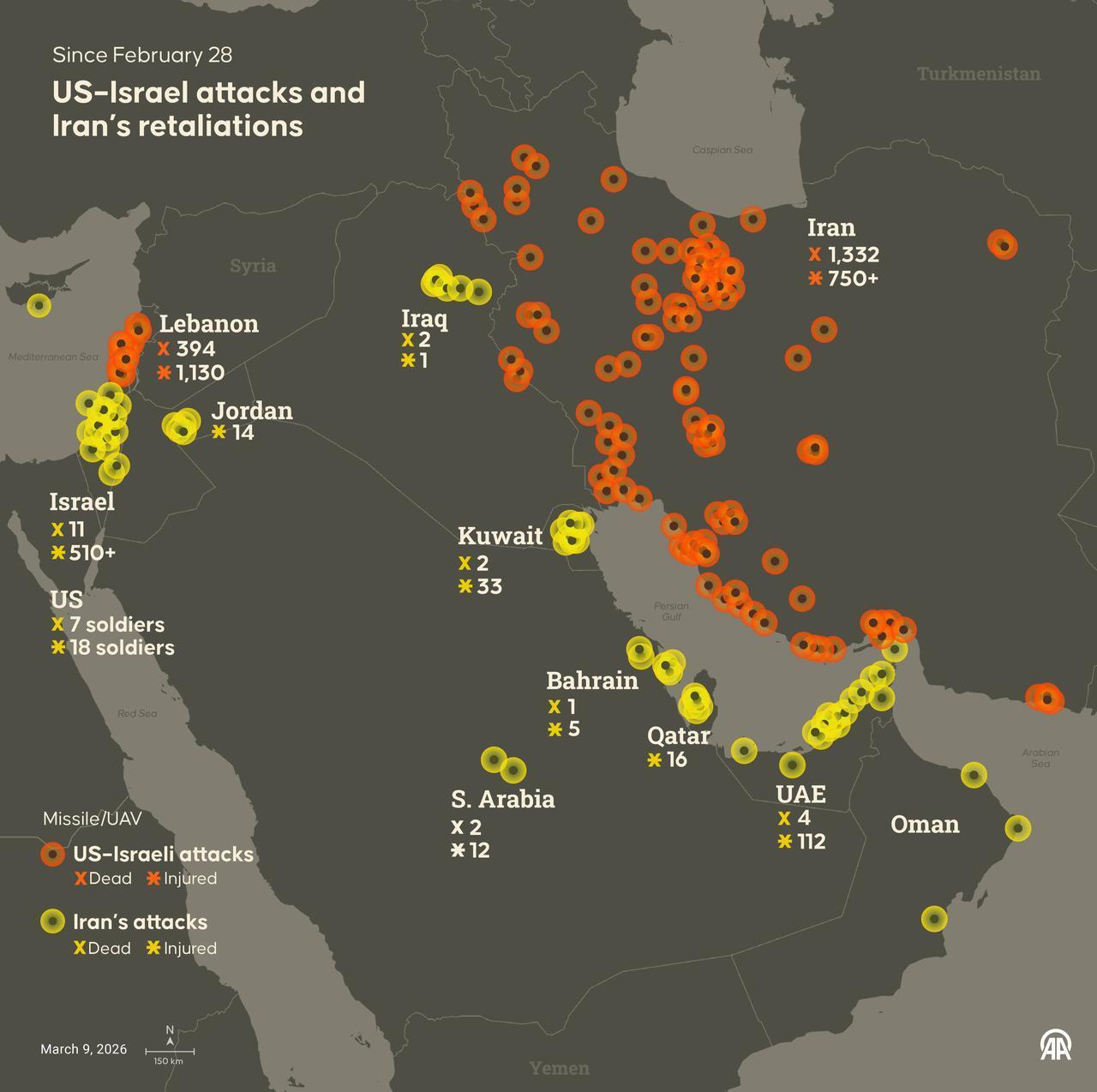
Iran launched at least 727 missile strikes against seven Arab countries in the first eight days of retaliation, according to data compiled by Türkiye's state-run Anadolu Agency (AA) from the defense ministries of targeted nations.
The number is believed to have risen significantly since.
The UAE was hardest hit, with 221 ballistic missiles, eight cruise missiles and 1,305 drones. Three people were killed and 112 were wounded. Kuwait faced 212 ballistic missiles and 394 drones.
Qatar was targeted by 120 ballistic missiles, 63 drones and two Su-24 fighter jets.
Bahrain was hit by 86 missiles and 148 drones. Jordan intercepted 108 of 119 incoming projectiles. Saudi Arabia reported at least six missiles and 40 drones. Oman reported at least eight drone strikes.
The United States and Israel launched military strikes against Iran on Feb. 28, killing Supreme Leader Ali Khamenei and more than 1,300 civilians.
Iran has retaliated with strikes across the region targeting U.S. bases, diplomatic facilities and military personnel, as well as Israeli cities, with at least seven U.S. service members have been killed.


 Set as preferred source
 Set as preferred source


 3 min read