Newsletters




The United Arab Emirates said it would be better prepared for possible renewed U.S. and Israeli attacks on Iran and any retaliation that could follow, while strengthening energy infrastructure and alternative oil export routes.
UAE Energy and Infrastructure Minister Suhail al-Mazrouei said at the International Petroleum Exhibition and Conference in Abu Dhabi that the course of the conflict sparked by U.S. and Israeli attacks on Iran remained unpredictable.
He said the UAE planned to invest in protecting energy infrastructure, expanding alternative oil export routes and increasing storage capacity abroad.
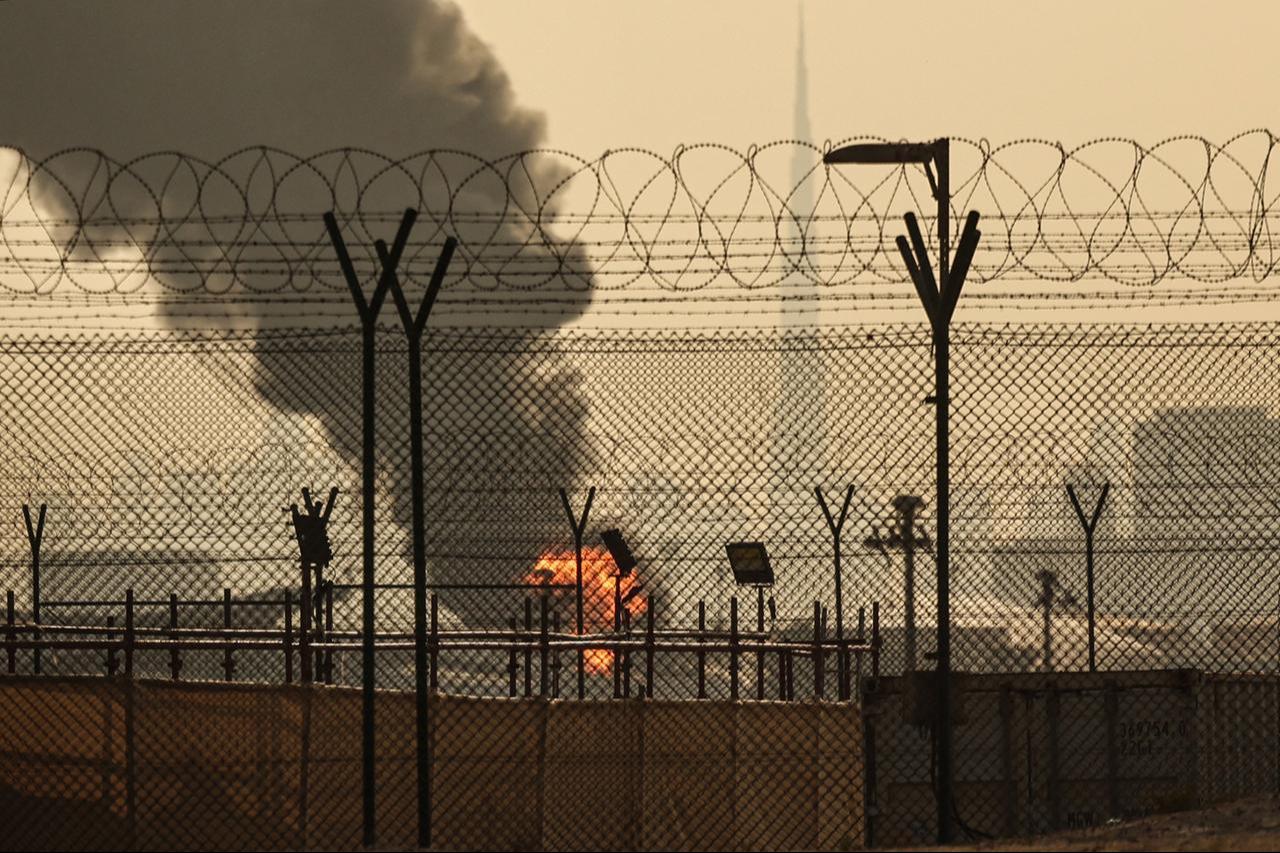

Mazrouei said regional conflicts posed risks across the energy supply chain, from production to international transport, and that lessons from the latest crisis would shape future investment decisions by both the UAE and global energy companies.
“I think after this crisis many companies will reassess their facilities and redesign them to be more resilient in the future,” he said.
He added that energy resilience extended beyond production facilities and should cover the entire process from extracting oil to delivering it to customers.
“Resilience is a very comprehensive concept,” Mazrouei said. “There are different layers, from a barrel of oil you produce to the destination where you deliver it. You need to be closer to your customers.”
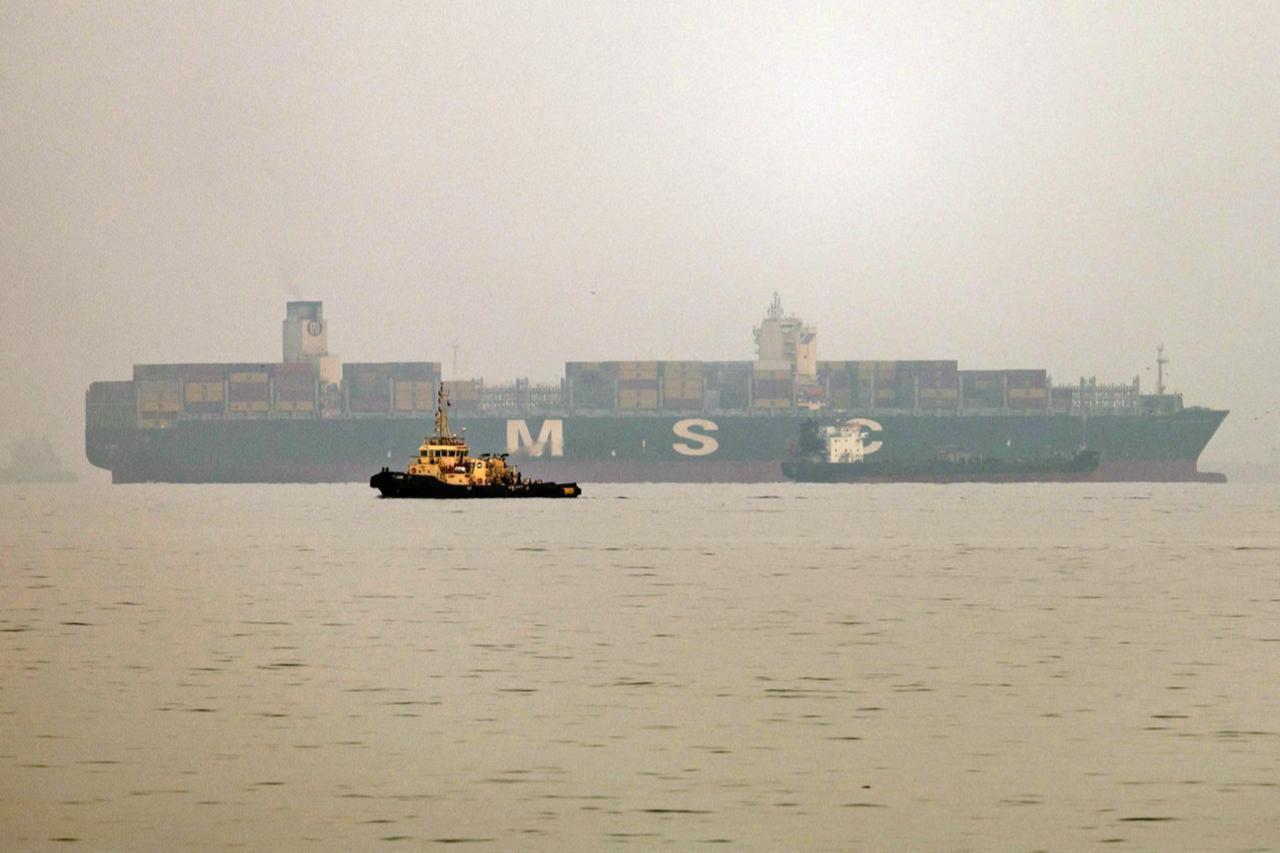
Mazrouei said the UAE would strengthen export routes that reduce its dependence on the Strait of Hormuz.
The country already exports crude oil through Fujairah, which lies outside the strait, and plans to double the amount of crude that can be transported through the route next year with a new oil pipeline project.
“We will strengthen our alternative export routes to the Strait of Hormuz,” he said.
Mazrouei also said investments in overseas storage facilities and maritime transport capacity were important for maintaining uninterrupted energy supplies.
The investments are intended to reduce the impact of possible disruptions along shipping routes from the Persian Gulf to international markets.
Fujairah Port, on the Gulf of Oman, allows oil to reach international markets without passing through the Strait of Hormuz.


 Set as preferred source
 Set as preferred source


 1 min read
 1 min read