Newsletters




The United Arab Emirates is building alternative routes for its energy exports and trade to ensure they are not “held hostage” by the ongoing war with Iran, UAE presidential adviser Anwar Gargash said Monday.
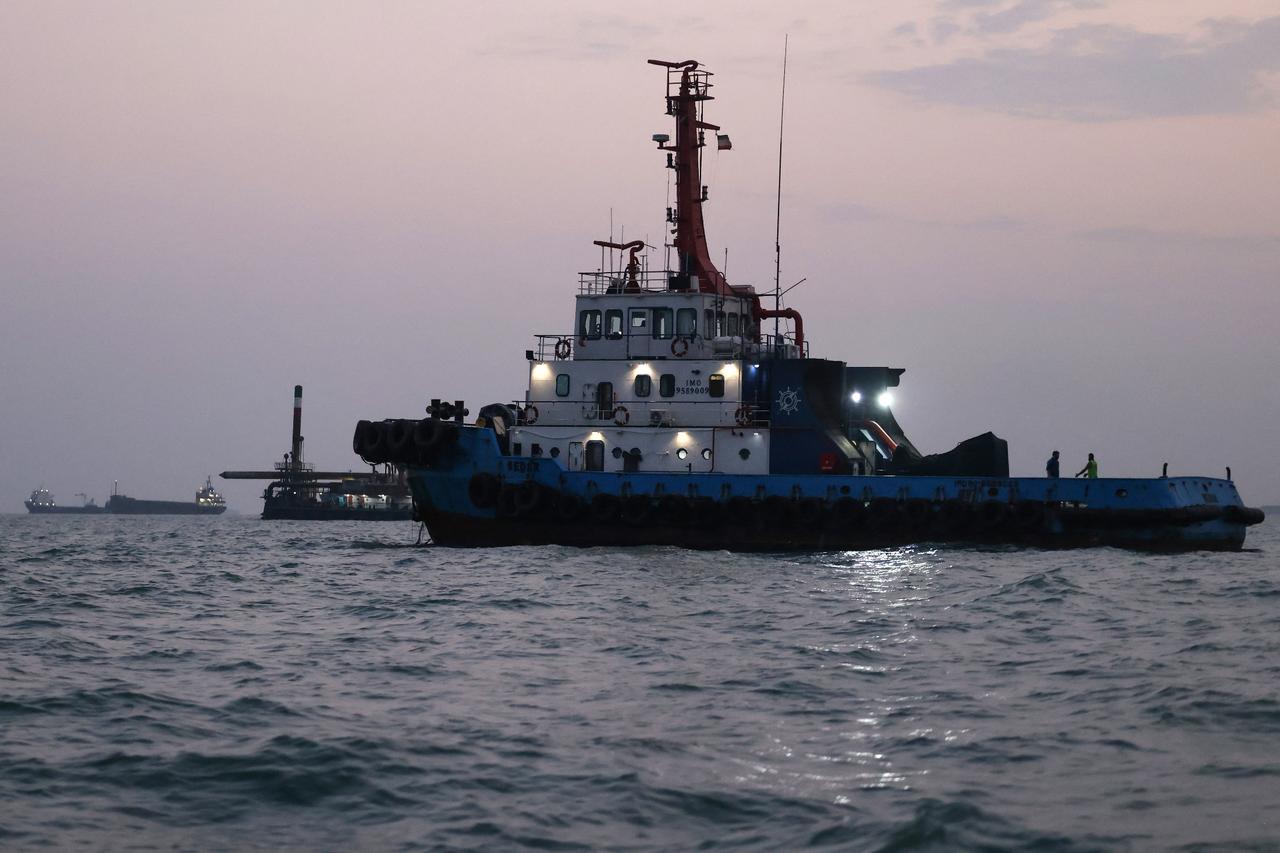
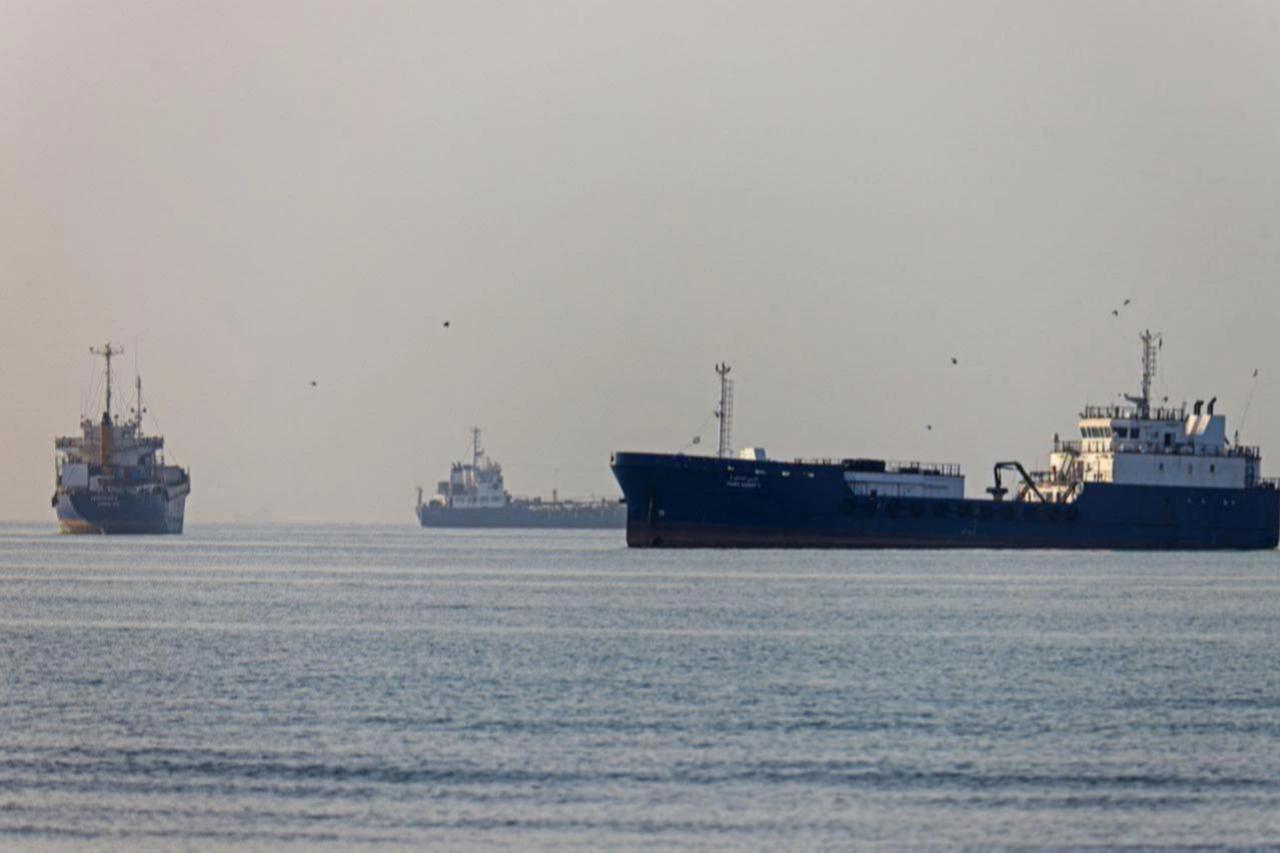
The conflict has significantly affected the oil-rich Gulf Arab states, including the UAE, as Tehran fired missiles at the country and attacked its oil tankers in the Strait of Hormuz.
“Our energy exports will not be held hostage, nor will our trade and economic activity,” Gargash told the Hili Forum in Abu Dhabi.
He said the UAE had been expanding port capacity along its eastern coast, as well as pipelines, railways and trade routes for alternative corridors.
Gargash added that while relations with Iran could be restored, rebuilding trust with its neighbors after the attacks may take decades.
“A functional relationship with Iran can and must be restored, but rebuilding trust is another matter,” he said.
The UAE lies just across the Gulf from Iran, close to the Strait of Hormuz, and bore the brunt of Tehran's wrath in the early weeks of the war, with 3,300 missiles and drones targeting the country.
The UAE, a critical economic lifeline for Iran, suspended all financial and economic transactions with Tehran in August, citing military escalation and missile threats by Tehran.
Although a detente seemed to take hold between the two countries in the months since a June ceasefire between the U.S. and Iran, tankers belonging to the state-owned oil company ADNOC have come under repeated attack in the past weeks, and Tehran says it has targeted bases housing U.S. troops in the UAE in recent days.
The UAE denied there was a missile attack on its air base the first time Iran claimed to have targeted it, and did not comment on subsequent Iranian claims of attacks on UAE bases.
Gargash also criticized Gulf Arab states for their response to the Iranian attacks, saying their collective action had fallen short.
“For many years we broadly agreed on the nature of the challenge posed by Iran,” he said.
“The problem was therefore not a lack of understanding. Where we fell short in confronting this historic challenge was translating this shared understanding into a sufficiently united and strategic response,” he added.

Qatar, Jordan and the UAE on Thursday condemned renewed Iranian attacks on Kuwait, describing them as a “flagrant violation” of the Gulf state’s sovereignty and territorial integrity.
In a statement, the Qatari Foreign Ministry said the attacks constituted a “blatant breach” of international law, the U.N. Charter and principles of good-neighborliness.
The ministry said the continuation of the attacks represented a “dangerous escalation” that could complicate efforts to contain tensions and undermine political and diplomatic efforts aimed at achieving security and stability in the region.
It held Iran “fully legally responsible” for the attacks and their repercussions.
Qatar reaffirmed its “full solidarity” with Kuwait and “support for all legitimate measures” taken by the country to preserve its sovereignty, security and territorial integrity.
The ministry called for an immediate and complete halt to all military actions and urged all parties to refrain from steps that could widen the escalation.
The UAE also condemned the Iranian attack targeting Kuwait.
In a statement, the UAE Foreign Ministry described the attack as a “flagrant violation” of Kuwait’s sovereignty and a threat to its security and stability.
The ministry expressed the UAE’s “full solidarity with the State of Kuwait and its support for all measures aimed at safeguarding its security and stability.”
Jordan also condemned the “brutal” Iranian attacks targeting Kuwait, describing them as a “blatant violation” of its sovereignty, a threat to its security, stability and territorial integrity, a dangerous escalation and a “blatant breach” of international law and the U.N. Charter.
The Jordanian Foreign Ministry affirmed the kingdom’s “full solidarity” with Kuwait and its support for “all measures” the Gulf state takes to protect its sovereignty, security and the safety of its citizens and residents.
The latest attacks came a day after Iran launched its first round of strikes on Kuwait amid renewed fighting with the U.S.
Earlier Thursday, the Kuwaiti military said its air defenses were responding to Iranian missile and drone threats.
Iran has maintained that its attacks are directed at the U.S. military presence in the country rather than Kuwait.
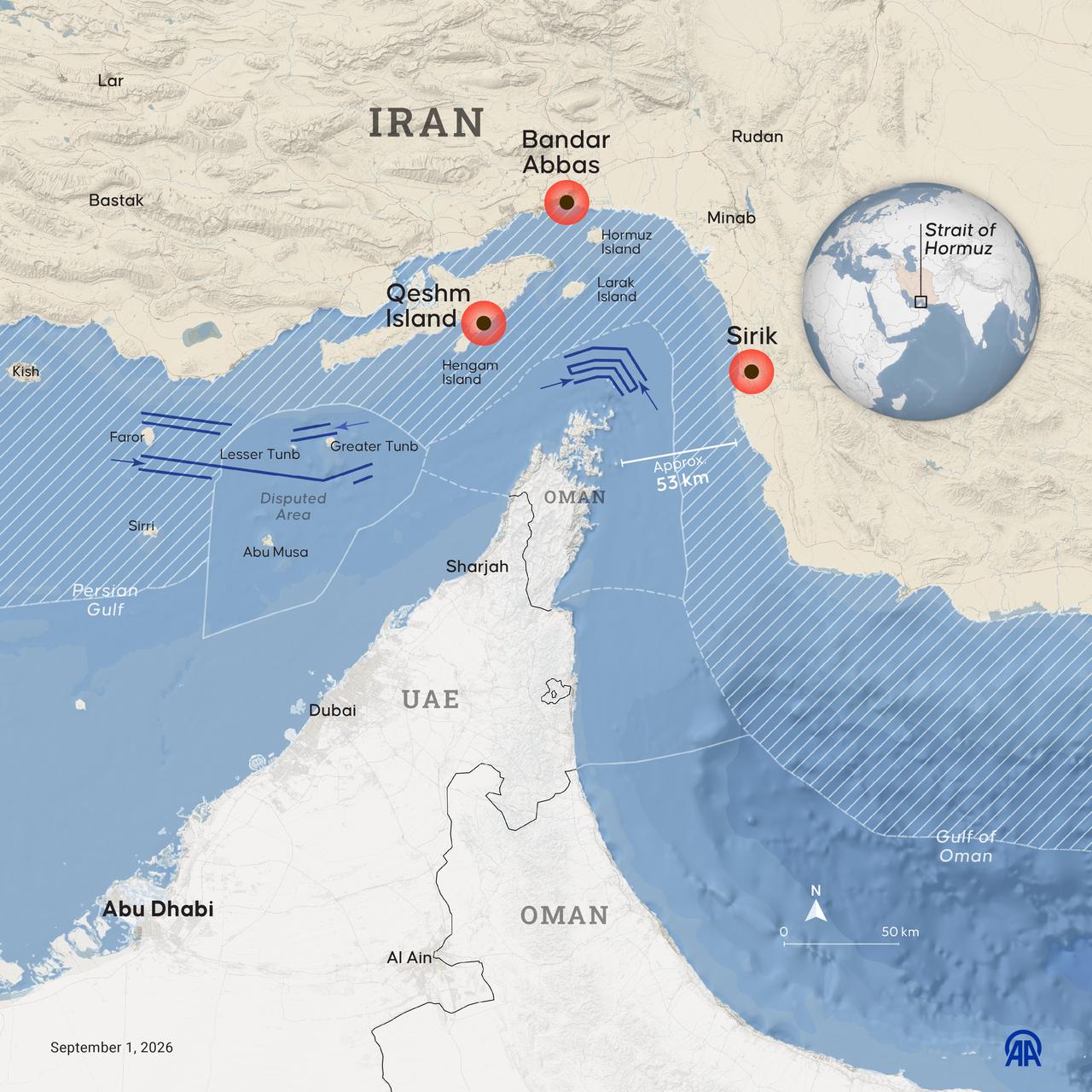
The attacks came amid renewed Iran-U.S. fighting after a U.S. strike on Iran’s Larak Island ended a roughly monthlong lull in direct hostilities.
Regional tensions have escalated since U.S.-Israeli attacks on Iran began on Feb. 28, with Tehran responding with missile and drone strikes against Israel and U.S. interests across the region.
Iran and the United States signed a memorandum of understanding in June, mediated by Pakistan and Qatar, outlining steps toward ending hostilities, reopening the Strait of Hormuz and addressing economic restrictions.
The two sides have since accused each other of failing to implement commitments under the memorandum, while military tensions have continued alongside disputes over sanctions and navigation through the Strait of Hormuz.


 Set as preferred source
 Set as preferred source


 1 min read
 1 min read