Newsletters


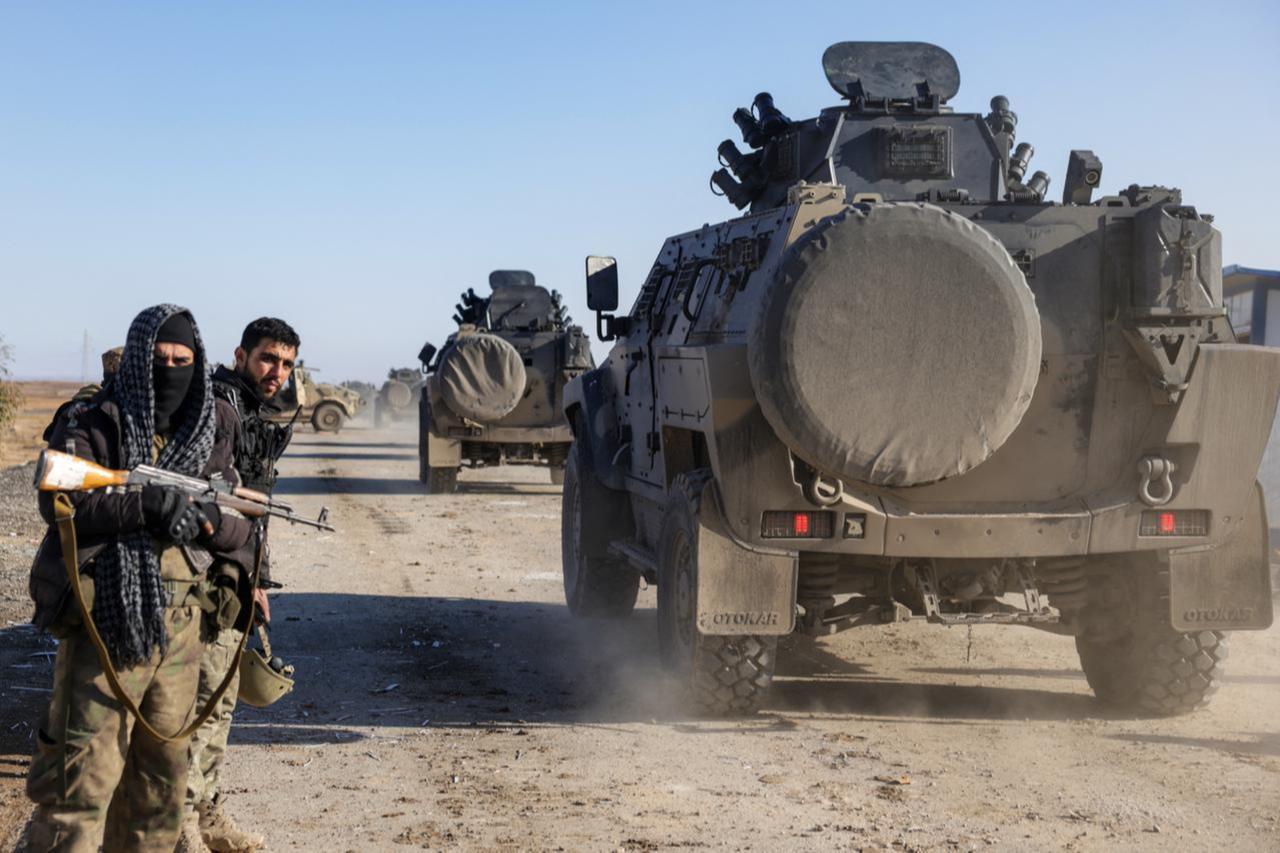


For Baghdad, the presence of thousands of Daesh detainees held in prisons controlled by the SDF has never been a distant problem. It has been treated as an unresolved security threat, one that sits just beyond Iraq’s borders and outside its direct control.
That perception is deeply shaped by the events of 2014, when the collapse of security across the Syrian-Iraqi frontier allowed Daesh fighters to move with ease. Those cross-border movements culminated in the group’s rapid seizure of large swaths of Iraqi territory, exposing the fragility of border defenses in moments of regional breakdown.
Recent instability in Syria has revived those memories in policy circles. As the security environment grows more volatile under limited SDF-controlled areas, Iraqi decision-makers have shifted from a posture of containment at the border to a strategy that seeks to neutralize the risk at its source.
For years, Iraqi officials have warned that any disruption in northeastern Syria could trigger mass prison breaks. Such a scenario would likely result in renewed infiltration attempts, including bombings, assassinations, and sabotage operations inside Iraq. The terrorist group in northeastern Syria used these concerns as a bargaining chip over the past couple of days.
Thus, the new policy of Baghdad reflected a judgment that leaving thousands of detainees outside Iraqi jurisdiction is no longer sustainable. By agreeing to accept the return or surrender of these individuals, Baghdad now aims to eliminate the uncertainty associated with detention facilities it does not control.
This approach has been pursued in coordination with international partners involved in counter-Daesh efforts. In some cases, cooperation has extended to intelligence-sharing and joint operations targeting senior Daesh figures, ensuring that high-risk individuals are identified before transfer.
Meanwhile, the new administration in Damascus has been relieved of a significant burden, allowing it to focus on other pressing challenges.
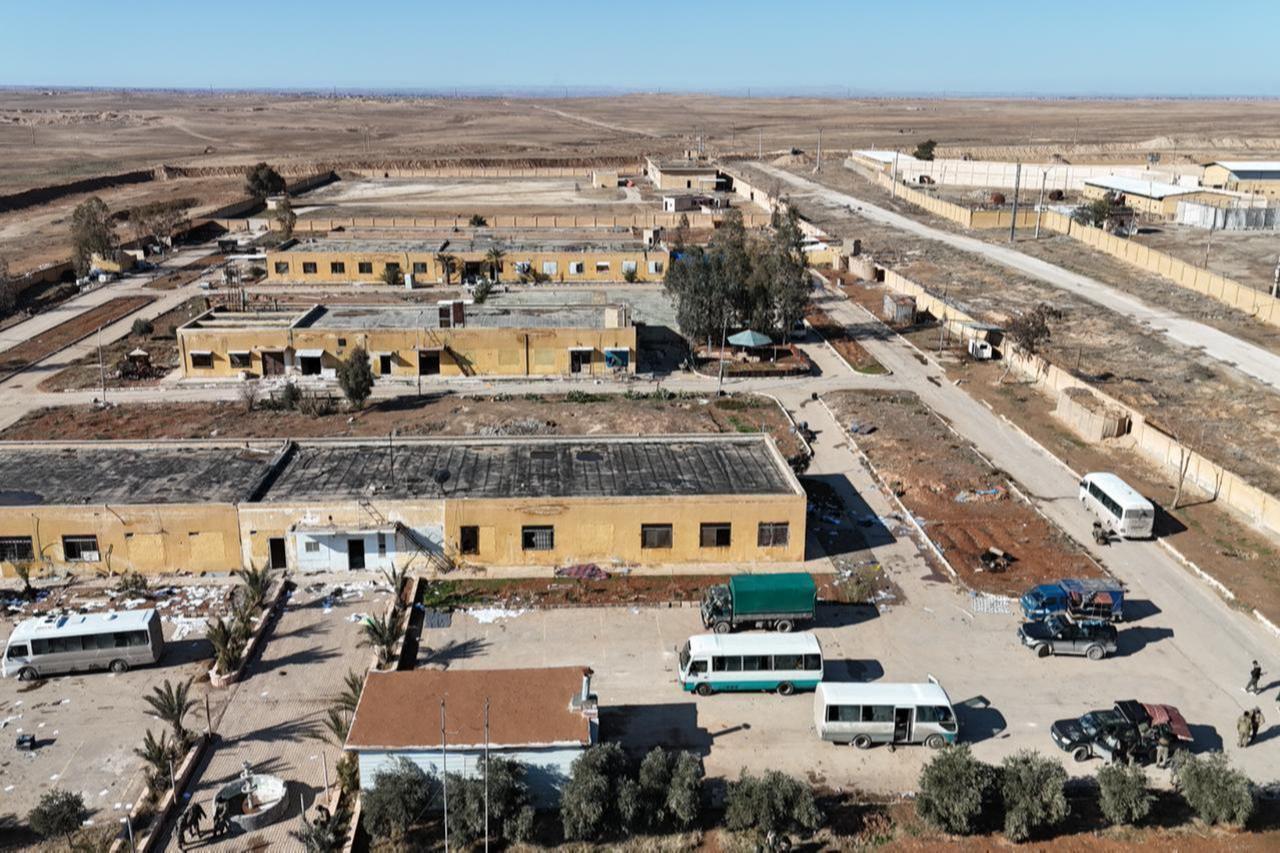

Another pillar of the repatriation strategy is legal sovereignty. Detainees held in Syria have existed in a prolonged legal gray zone, with no clear judicial authority responsible for prosecuting or releasing them.
Once transferred, these individuals fall under the authority of the Iraqi Judicial Council. This shift places their fate within a defined legal framework, subject to Iraqi law and court procedures rather than indefinite detention abroad.
Officials argue that this process allows for differentiation. Those proven to have committed crimes against Iraqi citizens or the state can be prosecuted and sentenced, while individuals without substantiated ties to terrorism may be released, reducing the risk of arbitrary or collective punishment.
The scope of the operation underscores the seriousness of Baghdad’s concerns. An initial group of around 150 detainees has already been transferred, marking the first phase of a much larger process.
Iraqi authorities expect that up to 7,000 additional detainees could eventually be repatriated, alongside roughly 3,000 suspected fighters facing formal trials. Managing this influx will require expanded prison capacity, judicial resources, and sustained security oversight.
The urgency is tied directly to conditions in Syria. Rapid political and military shifts there have raised fears that SDF-run detention facilities could become unsustainable, increasing the risk of a mass escape that would destabilize the wider region.
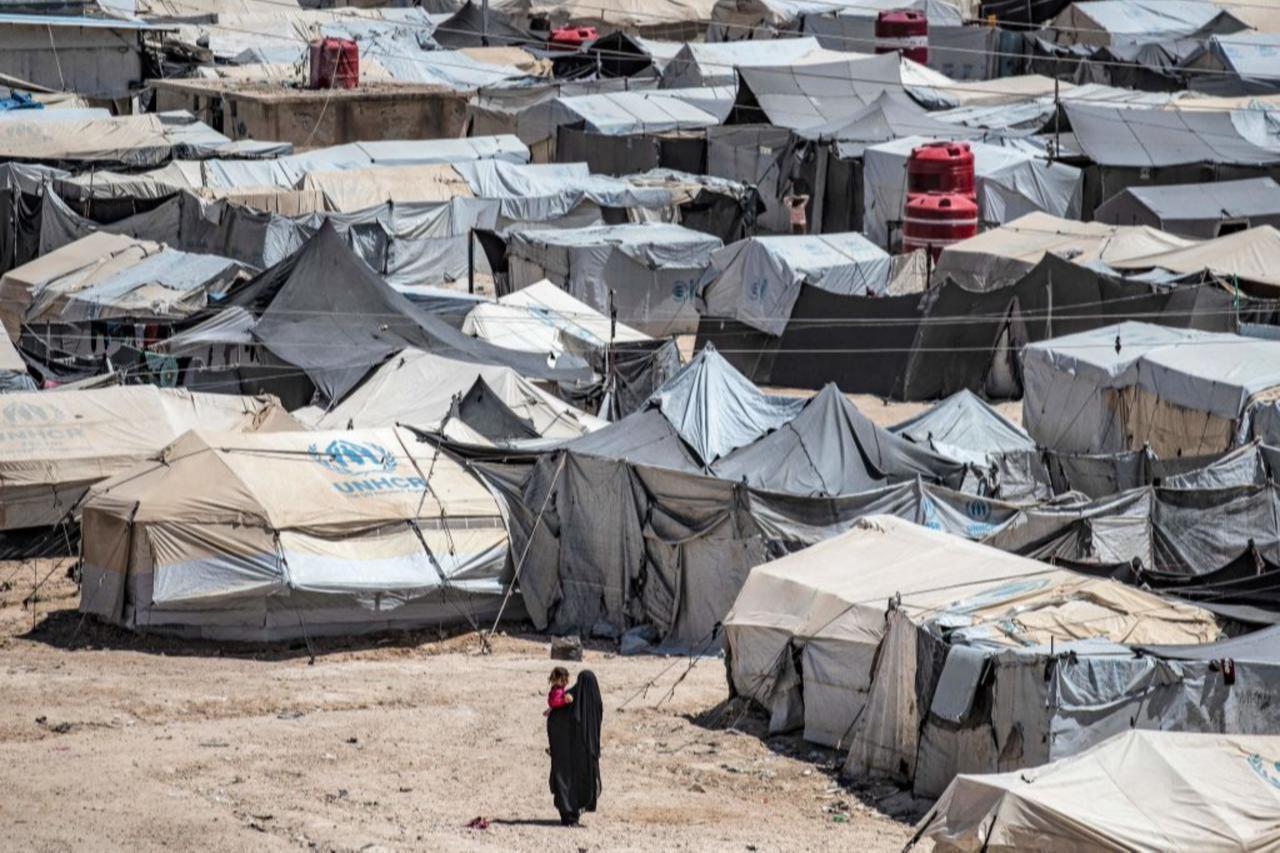
A large number of Daesh detainees held in Syria are foreign nationals, many of whom have remained there because their home governments have refused to take them back. Those governments have consistently pointed to security risks, legal complications, and domestic political opposition as reasons for resisting repatriation.
The transfer of these detainees to Iraq is therefore expected to trigger fresh diplomatic and legal debates. Countries that have avoided repatriating their citizens may now face new questions about responsibility if those individuals are prosecuted or imprisoned under Iraqi jurisdiction.
By taking this decision, the United States also brings the broader challenge of burden-sharing in the post-Daesh period into sharper focus, as Iraq moves to address a problem that many other states have chosen to keep at arm’s length.
The repatriation of Daesh detainees is not a sudden reversal but the culmination of long-standing security assessments in Baghdad. It reflects a belief that waiting for events across the border to unfold carries unacceptable risks.
By taking physical and legal custody of these individuals, Iraq is attempting to convert an external and unpredictable threat into a managed domestic issue. The goal is not only punishment, but control.
In doing so, Baghdad argues that the only way to secure the border is to bring the problem inside and place it firmly under state authority.


 Set as preferred source
 Set as preferred source


 4 min read