Newsletters




Turkish regional engagement in Syria has recently expanded beyond conventional security and intelligence frameworks to include significant symbolic and cultural dimensions.
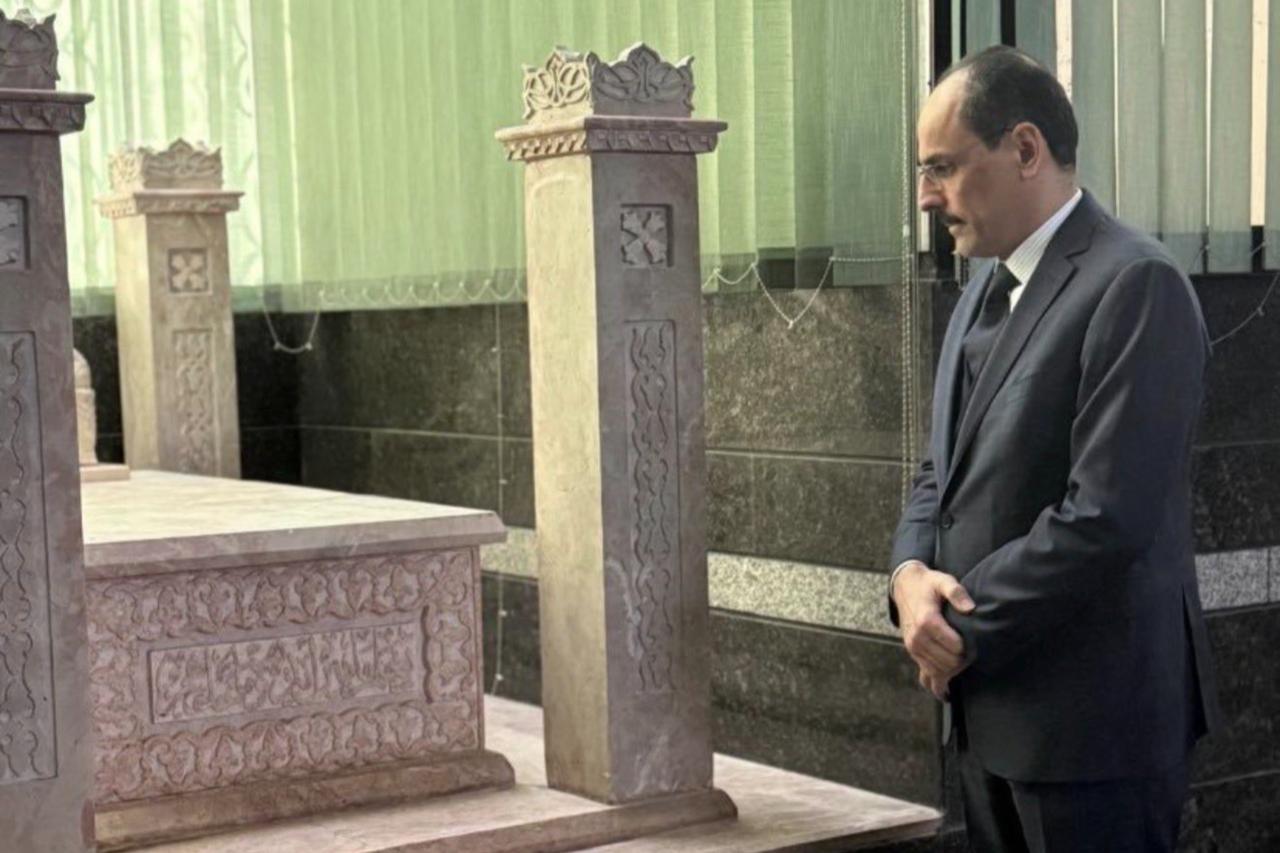
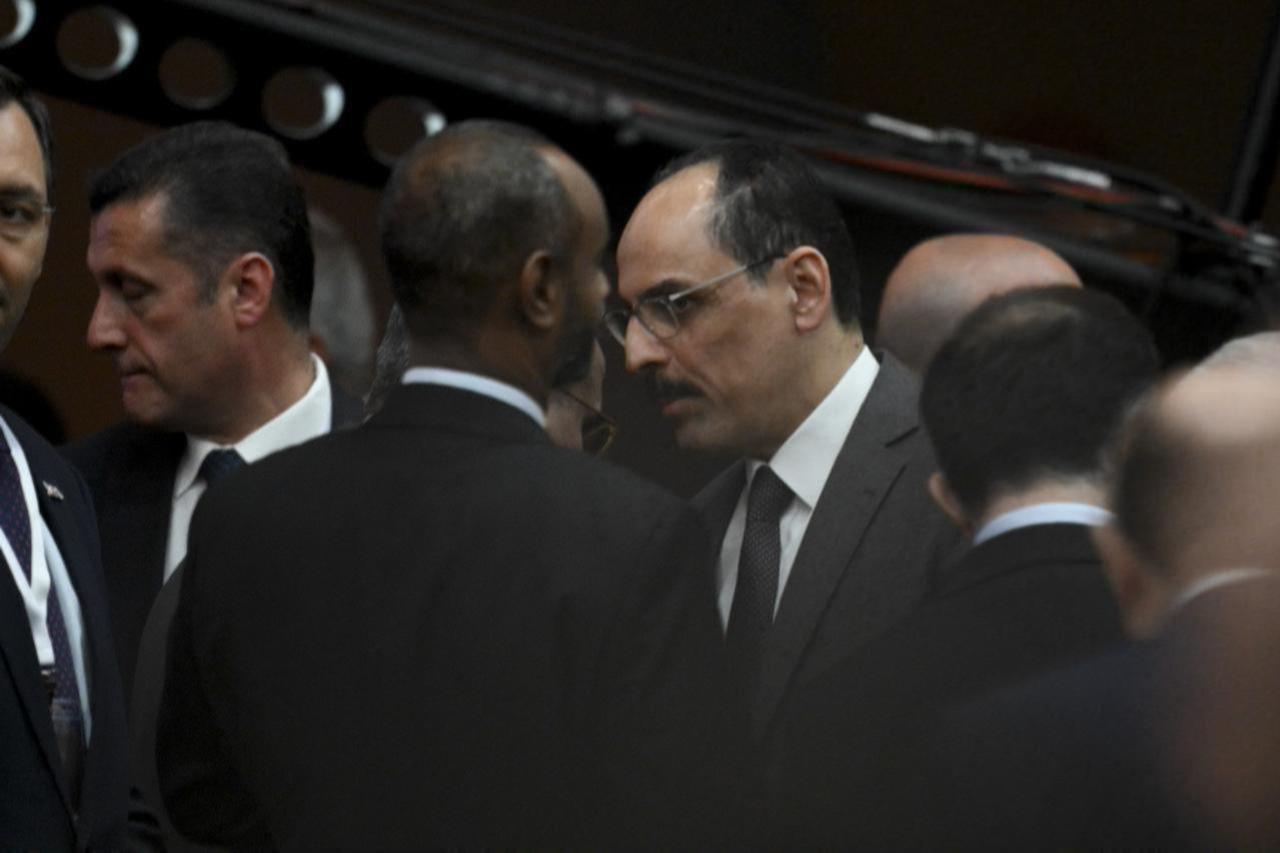
During a recent high-level visit to Damascus, the head of Türkiye’s National Intelligence Organization (MIT) visited the tomb of Al-Farabi, one of the most influential figures in Islamic philosophy.
The visit immediately drew attention for its symbolic weight. In a city long defined by war and bloody power struggles, the act of paying respect to a philosopher known for reason, ethics, and political thought may have sent a carefully calibrated message.
The visit underscored that Türkiye’s engagement in Syria is not framed solely through counterterrorism, borders, or military presence. It also reflects an effort to anchor regional policy in broader intellectual and common civilizational references. Farabi is one of the thinkers Ibrahim Kalin cites most often in his academic studies.
This symbolic move was particularly striking given Kalin’s position at the helm of Türkiye’s intelligence apparatus, an institution typically associated with hard security rather than cultural or philosophical gestures, as the chief is academically backgrounded in philosophy.
The transition from high-level security meetings to a site of philosophical importance marks a symbolic moment in how Turkish statecraft is conducted in the Middle East.
It provides a civilizational framework for "hard" security measures, aiming to ground modern political decisions in historical continuity.
Kalin, as the person most fitting for the visit, moves the conversation away from immediate power struggles and toward a shared intellectual heritage that predates modern borders.

Al-Farabi’s political philosophy centers on the concept of the "Virtuous City." This theory advocates for a social order governed by justice, reason, and moral integrity, where the leadership prioritizes the collective well-being of the citizenry.
In a country that has faced over a decade of institutional collapse and social fragmentation, the reference to this ideal carries practical implications.
For some observers, the symbolic visit suggests that the reconstruction of Syria must be an intellectual and ethical project as much as a physical or political one.
The emphasis on Farabi’s work serves as a reminder of the region’s capacity for rational governance. It highlights the necessity of rebuilding a state apparatus that is functional, just, and rooted in the intellectual traditions that once defined the Mediterranean and Middle Eastern world.
Farabi’s legacy, rooted in reason, ethics, and the search for universal principles, provides a contrasting backdrop to the violence and polarization that have defined Syria for more than a decade. The visit implicitly juxtaposed these two realities.

Kalin’s background as a scholar of Islamic thought added another layer to the visit. His engagement with Farabi’s legacy reinforced Türkiye’s effort to draw on what officials often describe as a “civilizational memory” in its regional diplomacy.
This approach reflects a broader attempt to complement security-driven policies with intellectual and cultural references that resonate across sectarian and political divides. Farabi, as a universally recognized thinker, offers such a common ground.
Beyond security corridors and operational priorities, Türkiye's diplomats, journalists, and people witnessed the suffering in Syria firsthand and, having hosted millions of Syrians, incorporated this suffering into their lives.
Since Syria's liberation from the Assad regime, this cultural unity has borne much fruit.
Kalin’s reference visit in this aspect framed Türkiye’s involvement as part of a longer historical arc, one that links present-day policy choices with a legacy of intellectual exchange and ethical inquiry rooted in the region itself.


 Set as preferred source
 Set as preferred source


 3 min read