Newsletters


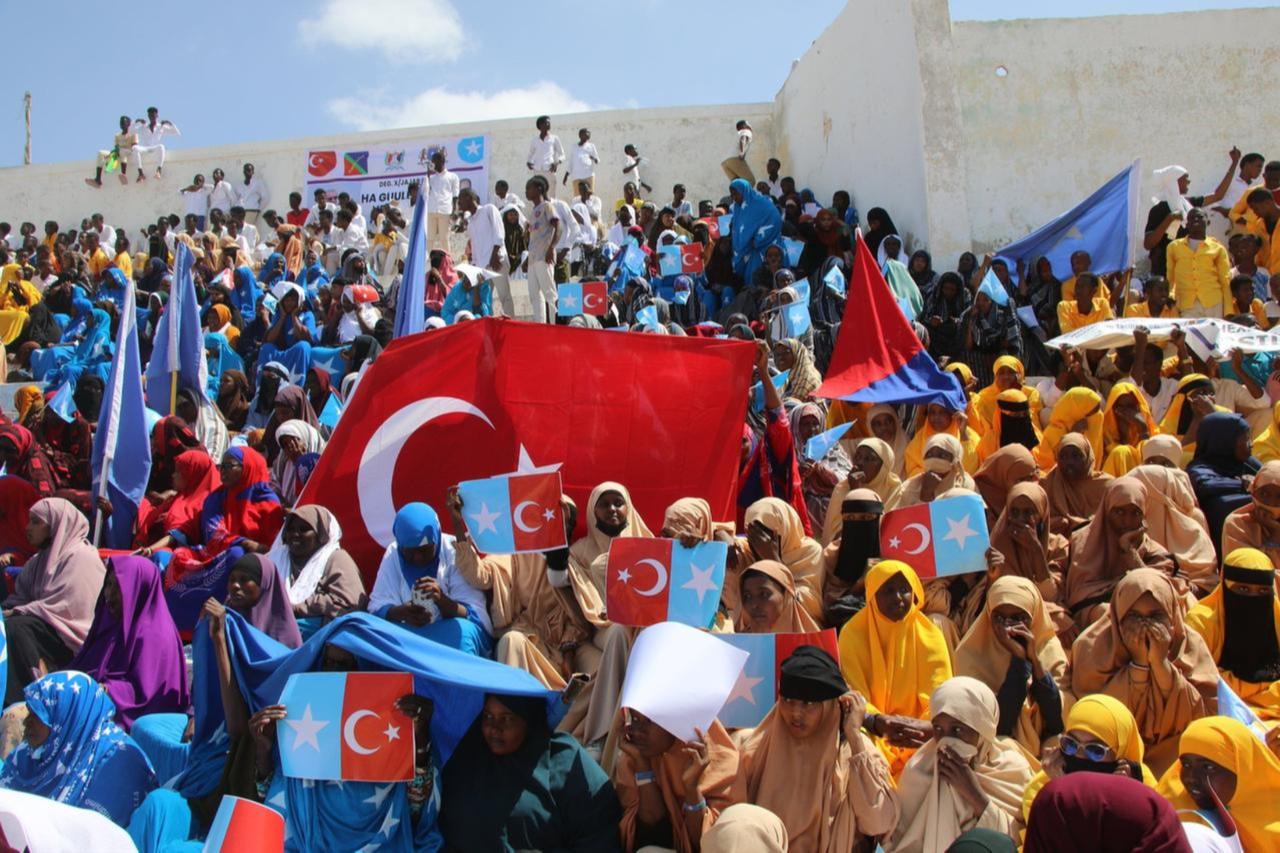


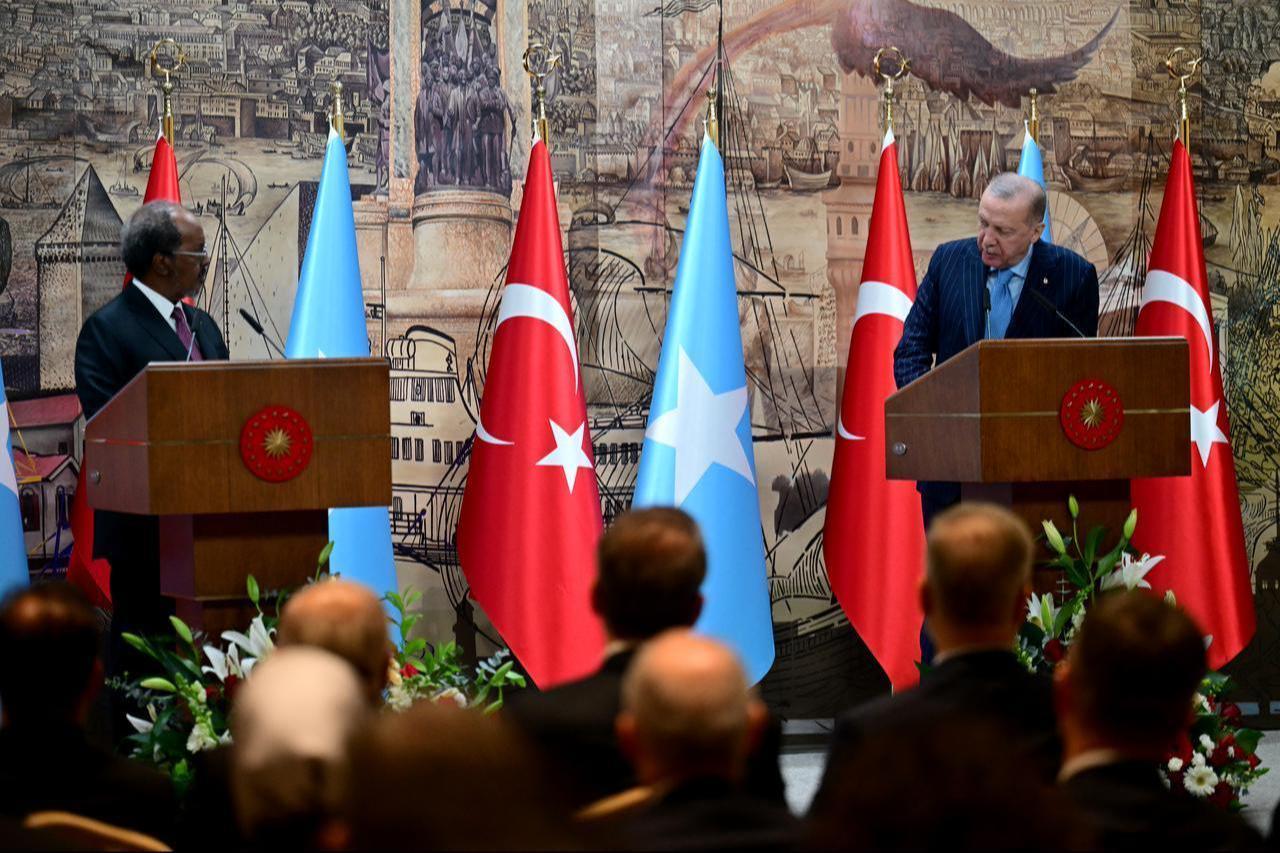
Somali President Hassan Sheikh Mohamud stated on Tuesday that Israeli Prime Minister Benjamin Netanyahu's "aggressive attitude" toward Somalia is "unacceptable" and violates international law, speaking at a joint press conference with President Recep Tayyip Erdogan following their meeting in Istanbul.
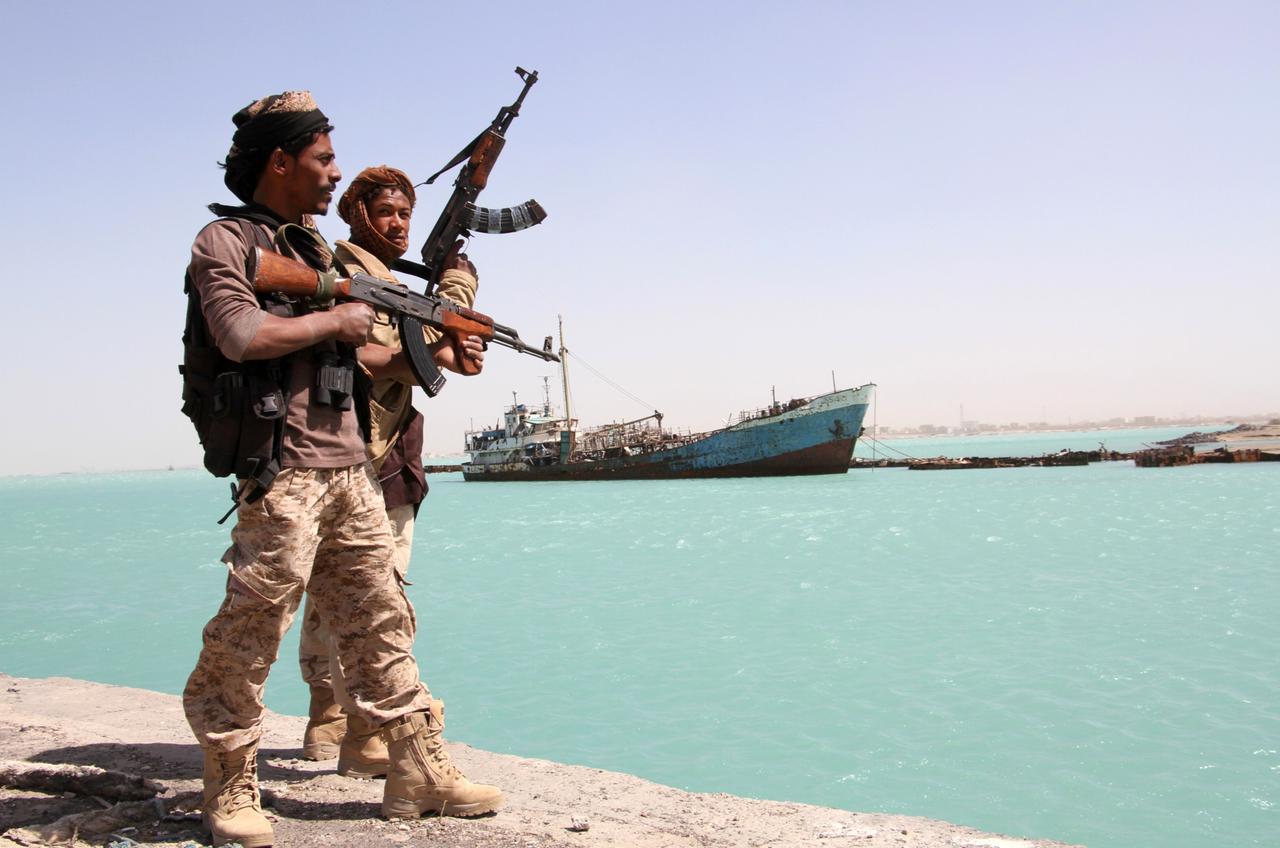
On those same days, on the other coast of the Gulf of Aden, Saudi Arabia has accused the United Arab Emirates of taking “highly dangerous” actions in eastern Yemen.
As external powers intensify competition for influence across the Horn of Africa’s strategic maritime corridors, Türkiye is deepening its partnership with Somalia.
This engagement does not reflect territorial expansion. Instead, it represents a deliberate effort to reinforce Somali state sovereignty against fragmentation.
This distinction carries significant implications for regional stability and the future of Somalia’s territorial integrity. Terror groups inside the country also pose a risk to global trade.
Given this risk, all parties with no interest in confronting a second Houthi-style non-state actor in the Gulf of Aden would be wise to support Türkiye's objectives in Somalia.

Türkiye–Somalia relations have steadily intensified over the past decade, evolving from humanitarian engagement into a multidimensional strategic partnership.
Ankara’s long-term commitment to Somalia’s state-building process has positioned Türkiye as one of Mogadishu’s most consistent external partners, particularly at a time when Somalia remains vulnerable to internal fragmentation and external pressure.
This expanding relationship has not gone unnoticed by regional and extra-regional actors. Some countries with competing geopolitical interests in the Horn of Africa view Türkiye’s presence as a challenge to their own strategic plans, especially those linked to ports, maritime routes, and political influence over Somali territory.
For Somalia, however, Turkish engagement is framed primarily around sovereignty and institutional resilience.
Turkish officials and Somali representatives consistently emphasize that cooperation aims to strengthen the central state rather than encourage fragmentation or parallel governance structures.
The Horn of Africa has become a focal point of broader geopolitical competition stretching from the Eastern Mediterranean to the Red Sea recently.
Developments affecting Somalia increasingly intersect with rivalries involving the Gulf states, Israel, and major global powers seeking influence over key maritime corridors.
Recent moves by external actors, including diplomatic steps perceived as legitimizing separatist entities within Somalia, are widely seen as part of a larger regional contest.
These actions are interpreted in Ankara and Mogadishu as attempts to reshape Somalia’s political geography in ways that serve external national interests rather than Somali unity.
Within this context, Somalia is no longer viewed in isolation but as part of a wider strategic arc linking the Eastern Mediterranean, the Suez Canal, and Red Sea trade routes. Control, access, and political leverage along this corridor have become central to regional calculations.
Türkiye’s security cooperation with Somalia has drawn particular attention in Western and regional policy circles.
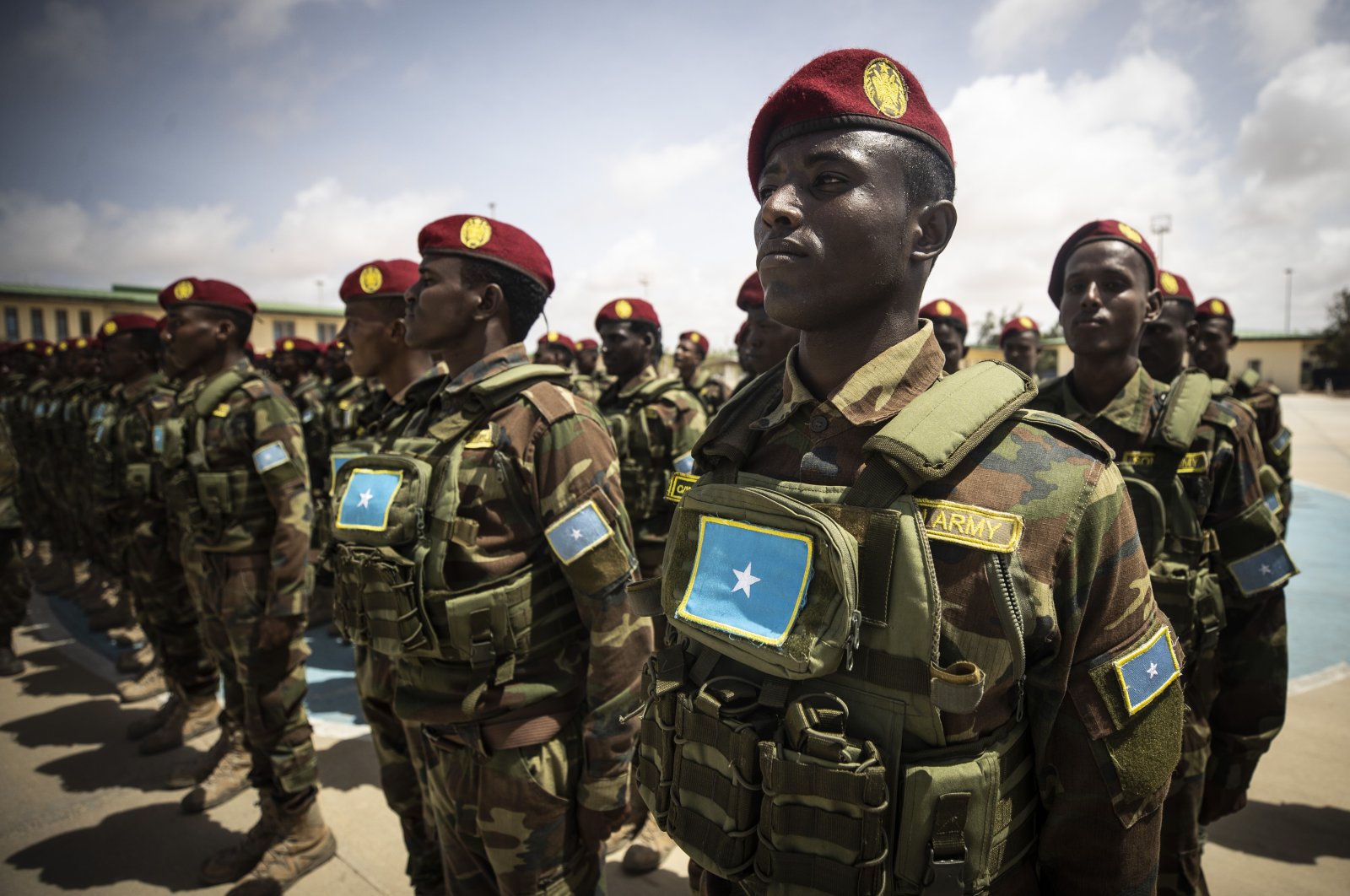
Training programs for Somali security forces, defense cooperation agreements, and institutional support have contributed to Ankara being portrayed by some analysts as forming a continuous zone of influence across multiple regions.
This portrayal, often described as a so-called “Turkish crescent,” frames Türkiye’s engagements from northern Syria through the Eastern Mediterranean and down into Africa as a strategic expansion.
Critics argue this footprint should be constrained, while Ankara maintains that its involvement is aimed at stabilizing fragile states rather than projecting dominance.
In Somalia’s case, Turkish security assistance is closely linked to counterterrorism, state authority, and internal stability.
Somali officials argue that without external support focused on institutions rather than militias or local proxies, the risk of fragmentation would be far greater.
Beyond security, Türkiye’s engagement in Somalia spans agriculture, policing, infrastructure, and administrative capacity-building.
These sectors address core weaknesses of the Somali state, where limited institutional reach has long undermined governance and service delivery.
Turkish-backed initiatives in agriculture aim to reduce dependency on external aid, while police training programs focus on strengthening civilian law enforcement rather than relying solely on military solutions. These efforts reflect a broader state-centric approach to stabilization.
Looking ahead, Türkiye is expected to expand its diplomatic efforts by encouraging other countries to support Somalia’s territorial integrity.
This includes mobilizing international backing against separatist movements and reinforcing Somalia’s position in regional and global forums, as geopolitical competition in the Horn of Africa continues to intensify.


 Set as preferred source
 Set as preferred source


 3 min read