Newsletters


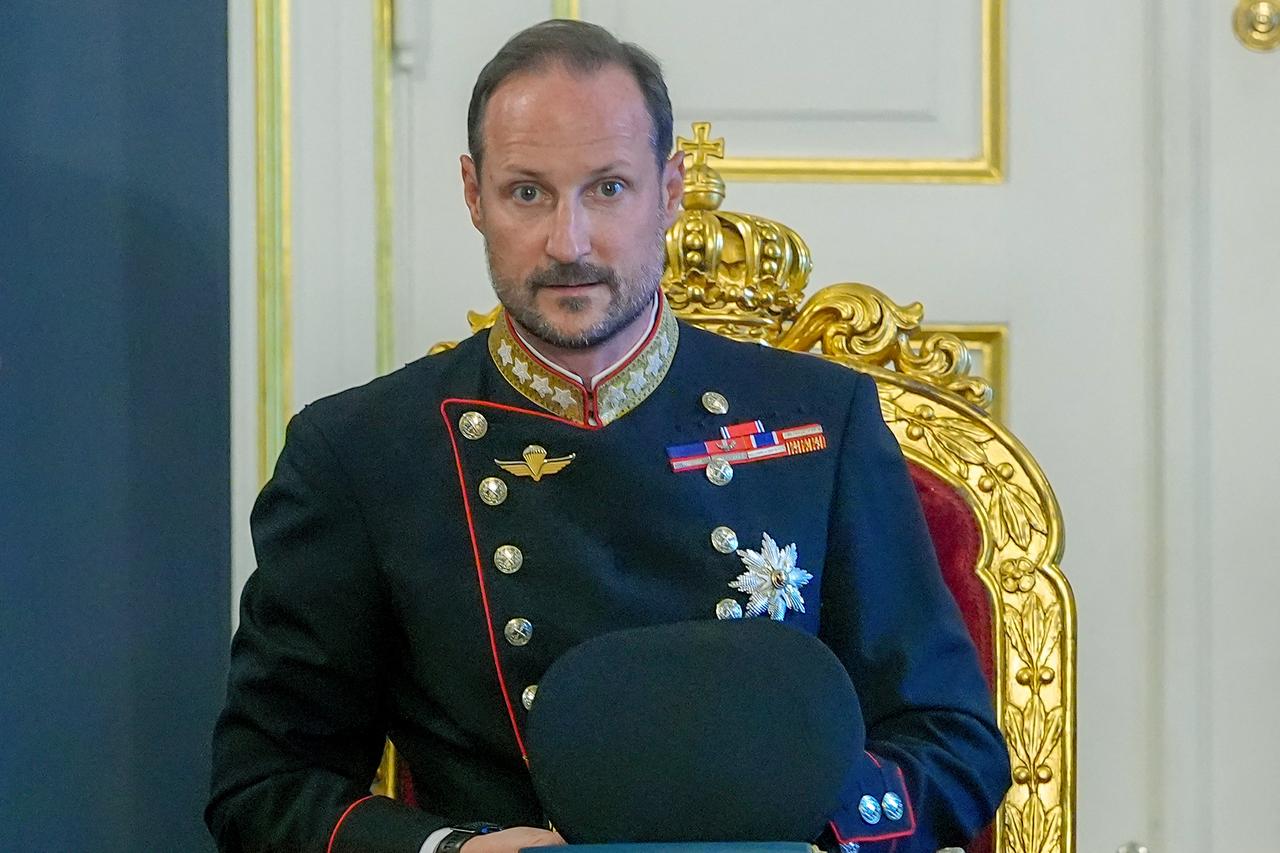


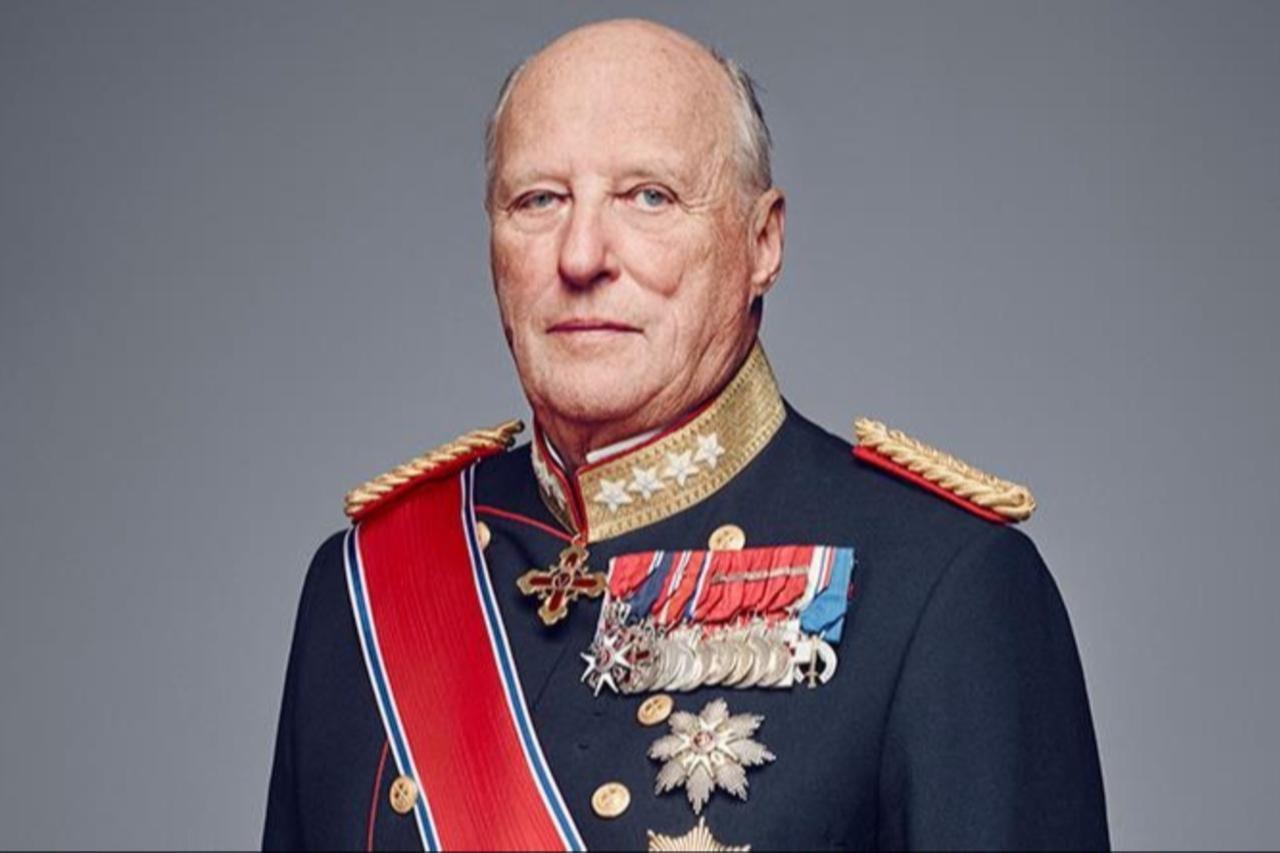
Norway's Crown Prince Haakon automatically succeeded to the throne Friday as King Haakon VIII, following the death of his father, King Harald V, at age 89.
Under Norway's rules of succession, Haakon, 53, immediately became king upon his father's death. His eldest child, Princess Ingrid Alexandra, 22, became Norway's crown princess and heir to the throne, followed in the line of succession by Prince Sverre Magnus.
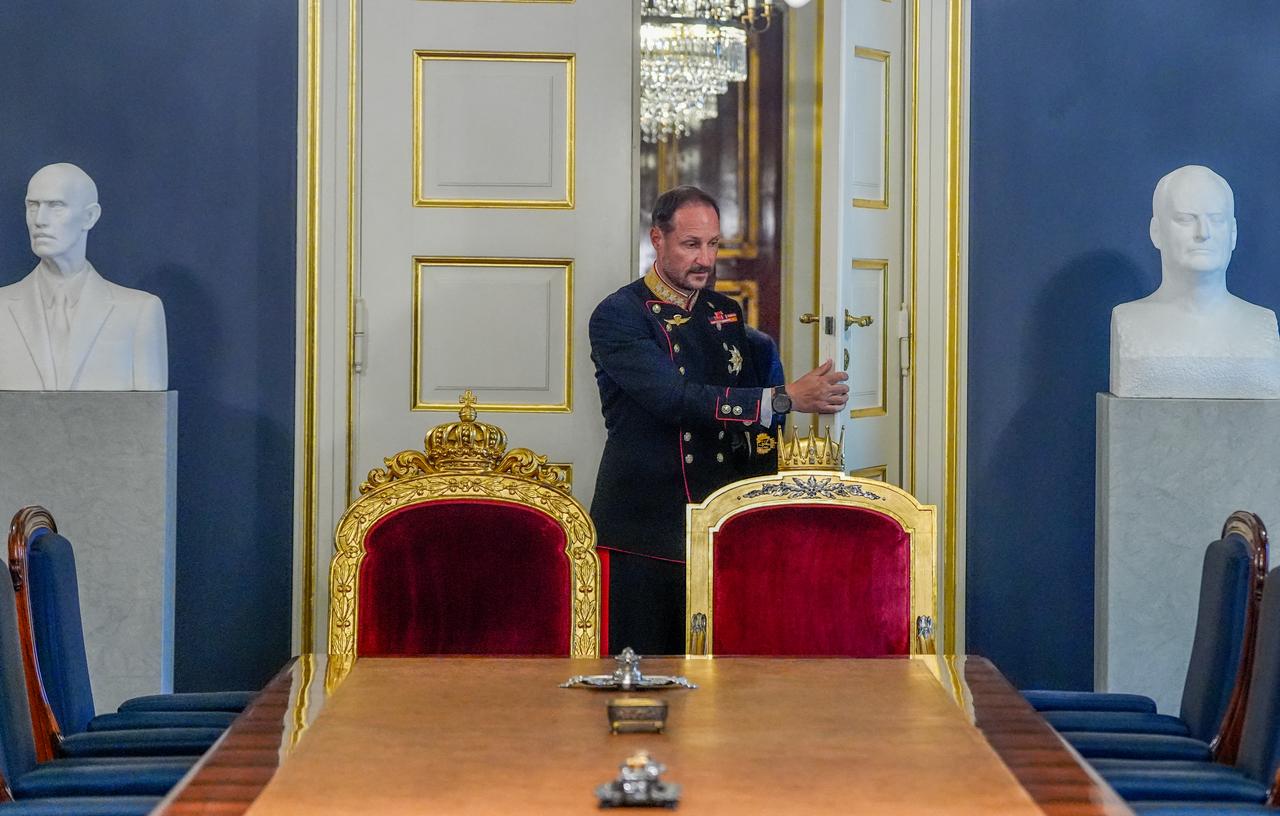
At an extraordinary Council of State held at the Royal Palace in Oslo at 11:30 a.m. local time (9:30 a.m. GMT), the new king formally informed the government of his father's death and confirmed he had assumed his duties as king in accordance with the Constitution.
"I will take the name Haakon VIII and continue the same motto chosen by my father, grandfather and great-grandfather: Alt for Norge," he said, using the Norwegian phrase for "All for Norway."
Haakon VIII also thanked the government and the Norwegian people for their support and sympathy for the royal family during this time. He arrived at the palace shortly after 9 a.m. local time (7 a.m. GMT) with Ingrid Alexandra to meet with the government.
Norwegian Prime Minister Jonas Gahr Store expressed sympathies on behalf of the government and the people of Norway.
 1 min read

The palace had lowered its flag to half-mast Friday morning, but it was raised again after Haakon's arrival. Flags on the royal balcony and at other official buildings will remain at half-mast until after Harald's funeral, a date for which has not yet been set.
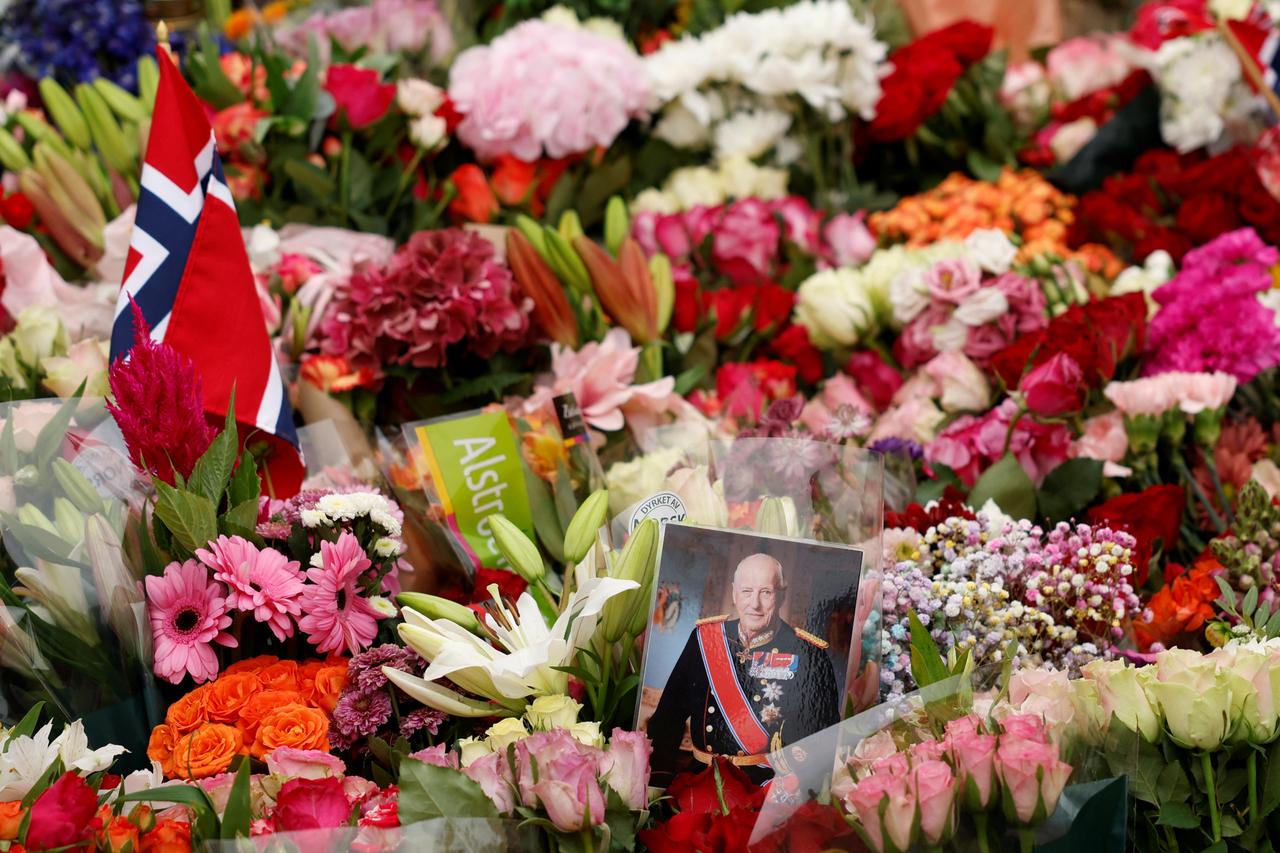
Thousands of people gathered outside the palace, with hundreds of flower bouquets covering the ground after the palace had announced Harald was in "extremely serious" condition in the hospital the day before. Mourners laid flowers, candles and Norwegian flags in tribute.
Haakon VIII's accession makes him Norway's fourth king since the country gained full independence from Sweden in 1905. He inherits a monarchy long regarded for its modernity and modesty, though one that has also faced a string of scandals in recent years.
Haakon had spent decades preparing for the throne, having already carried out many of the king's constitutional duties during periods when Harald was unable to work due to illness, most recently serving as regent as his father's health deteriorated.


 Set as preferred source
 Set as preferred source


 1 min read