Newsletters


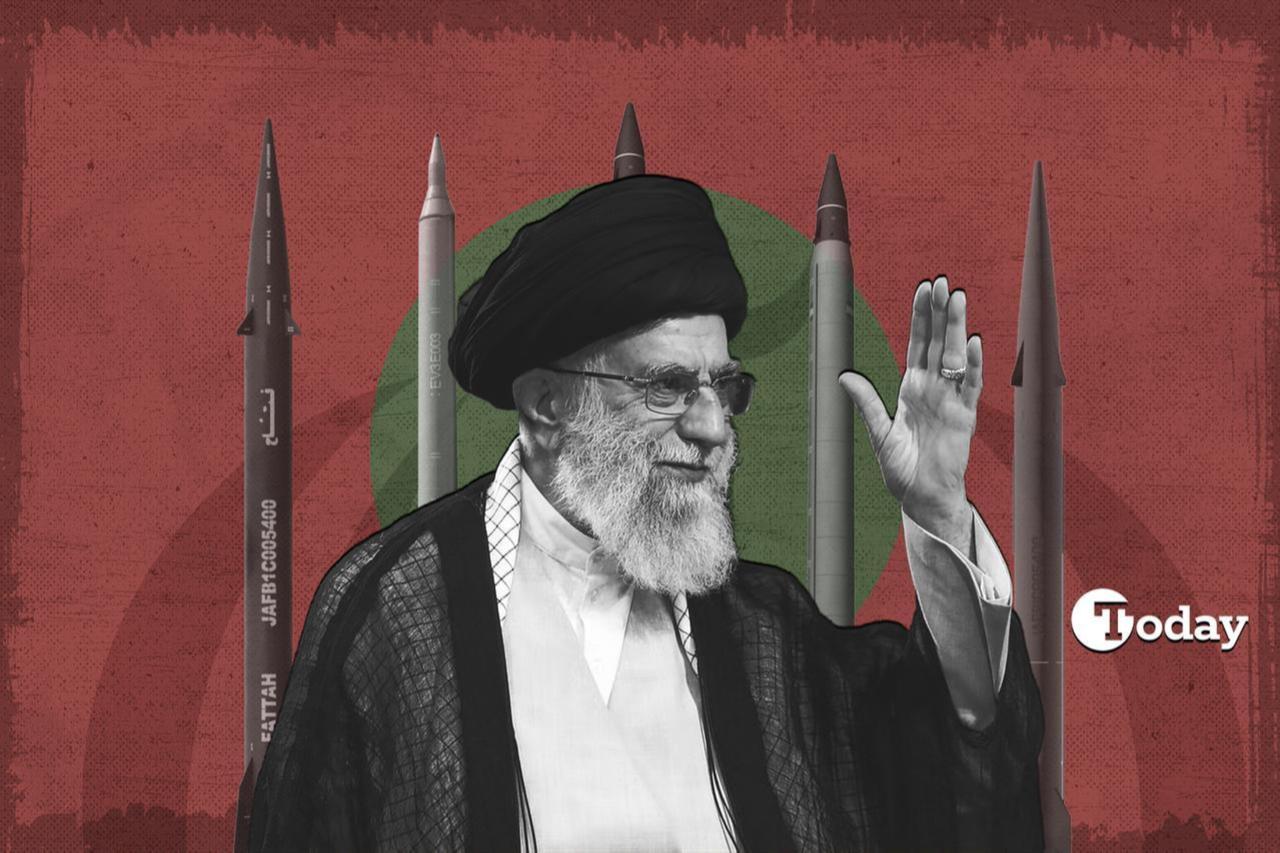


Ali Khamenei, Iran’s supreme leader for more than three decades and the country’s highest political and religious authority, was killed in a joint U.S.–Israeli military strike, Iranian state media reported Sunday, marking a dramatic escalation in regional tensions.
During his more than 36-year tenure, Khamenei wielded control over Iran’s military, judiciary, and political institutions, shaping the country’s foreign policy, nuclear program, and regional strategy.
Ali Khamenei was born on July 17, 1939, in the city of Mashhad, to a religious family of Azeri heritage. From an early age, he was immersed in Islamic studies, attending local seminaries and pursuing advanced theological education.
His early years were marked by exposure to political activism and the teachings of prominent clerics, which influenced his worldview.
In 1957, Khamenei met Ruhollah Khomeini, who would later become the leader of the 1979 Islamic Revolution and a lifelong mentor to him.
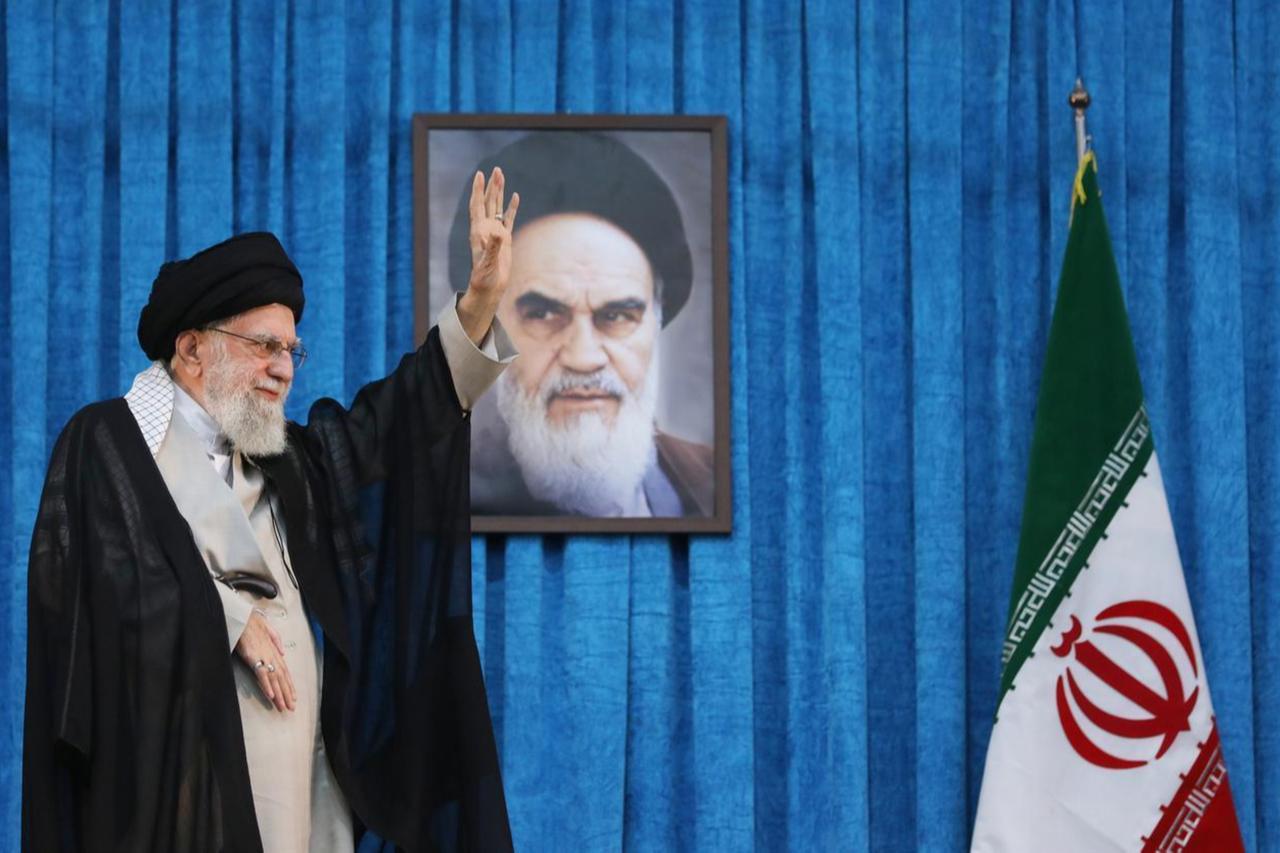

During the 1960s and 1970s, Khamenei became active in opposition movements against Shah Mohammad Reza Pahlavi, advocating for Islamic governance and resisting Western influence in Iran.
His activities led to repeated arrests, imprisonment, and periods of exile, including a forced stay in the remote desert city of Iranshahr.
After the success of the 1979 Islamic Revolution, Khamenei returned to Mashhad and quickly ascended within the new government. He held posts including deputy defense minister and later head of the Islamic Revolutionary Guard Corps.
In 1981, Khamenei survived a bomb attack in a Tehran mosque orchestrated by the outlawed People’s Mujahedeen of Iran.
The attack severely injured his right hand, forcing him to learn to write with his left. Later that year, he became the first cleric elected president of the Islamic Republic, serving two terms during the tumultuous period of the Iran-Iraq War (1980–1988).
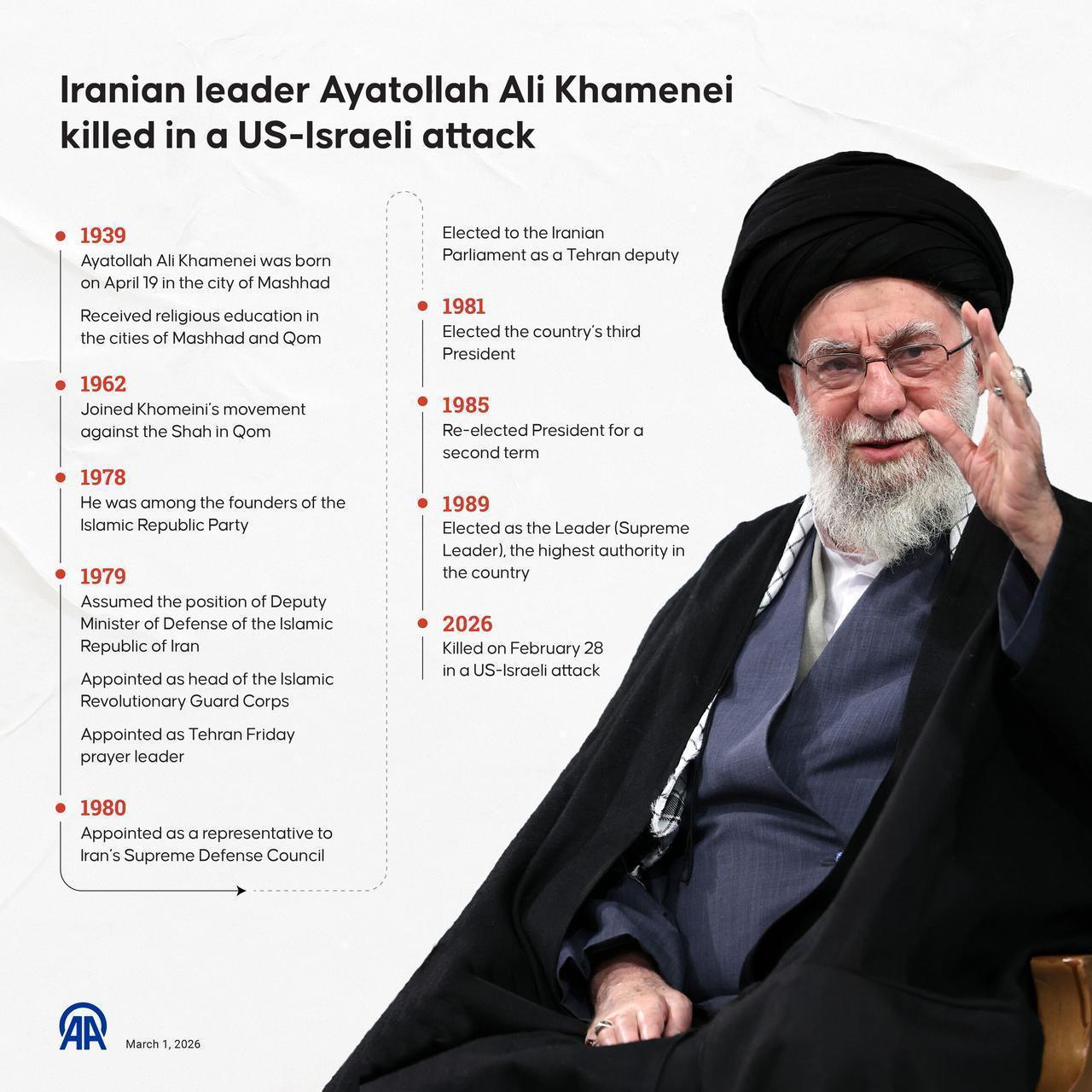
Following the death of Khomeini on June 4, 1989, Khamenei was selected by the Assembly of Experts as Iran’s supreme leader.
This position granted him ultimate authority over Iran’s political, military, and religious institutions, including the armed forces, judiciary, and state media.
Although initially not the highest-ranking cleric, constitutional amendments paved the way for his appointment.
Khamenei’s relationship with the United States has been defined by decades of deep-seated mistrust and confrontation.
From the start of his leadership, he portrayed America as Iran’s “number one enemy,” framing U.S. policies as efforts to undermine the Islamic Republic and assert dominance over the Middle East.
This perspective has shaped every aspect of Iran’s foreign policy.
Khamenei consistently rejected U.S. overtures, including offers of negotiation and COVID-19 vaccine aid, promoting the narrative that the United States was actively plotting against Iran.


 Set as preferred source
 Set as preferred source


 1 min read