Newsletters


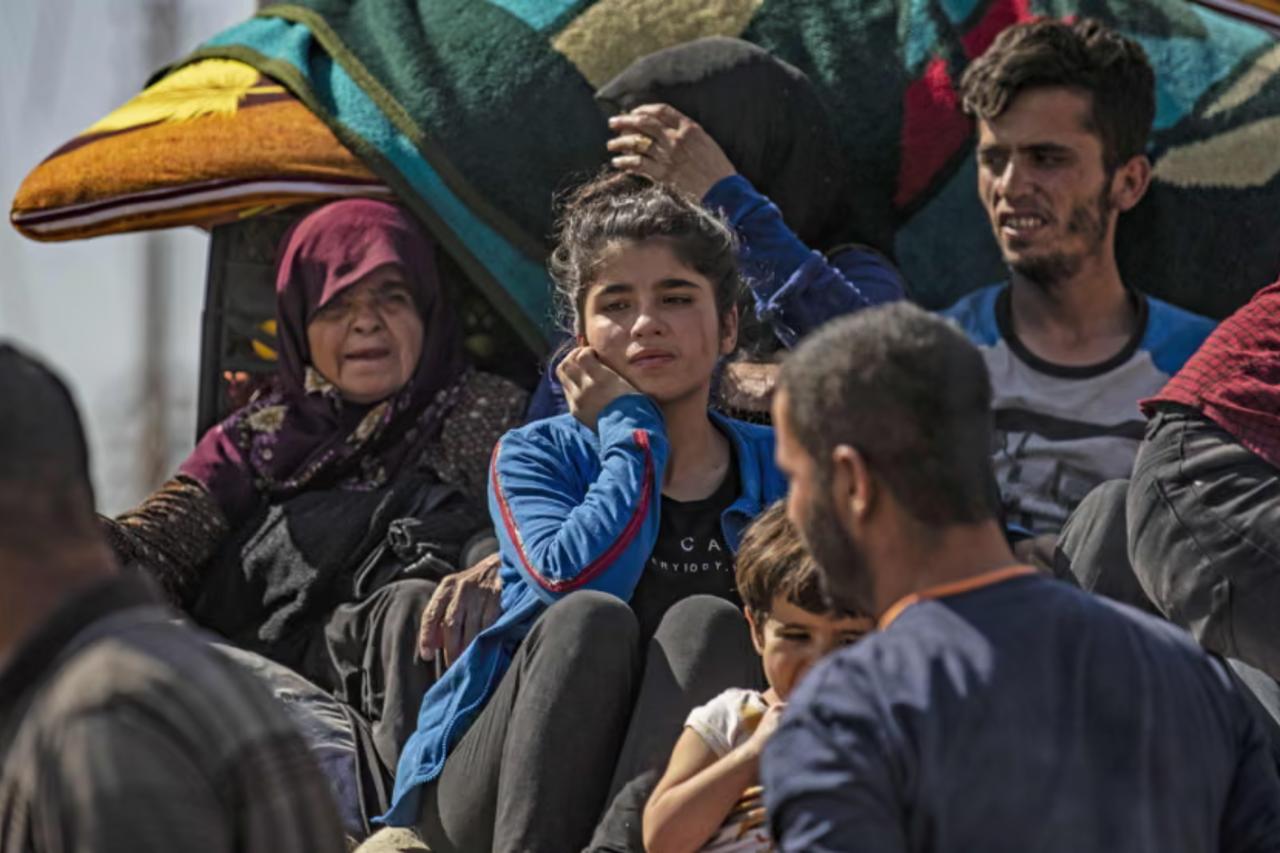


A Syrian presidential decree recognizing Kurdish as a national language alongside Arabic and allowing its teaching is prompting renewed scrutiny of decades of state restrictions on Kurdish cultural expression and citizenship rights.
President Ahmad al-Sharaa issued a decree on Friday granting Kurds linguistic and civil rights with unprecedented clarity, SANA reported.
The decree recognizes Kurdish as a national language alongside Arabic and allows its teaching.
Coverage also noted that the decree addresses the legacy of discriminatory policies stemming from the 1962 census by restoring citizenship to those who had been rendered stateless. It further declares Nowruz as a paid national holiday and bans linguistic and ethnic discrimination.
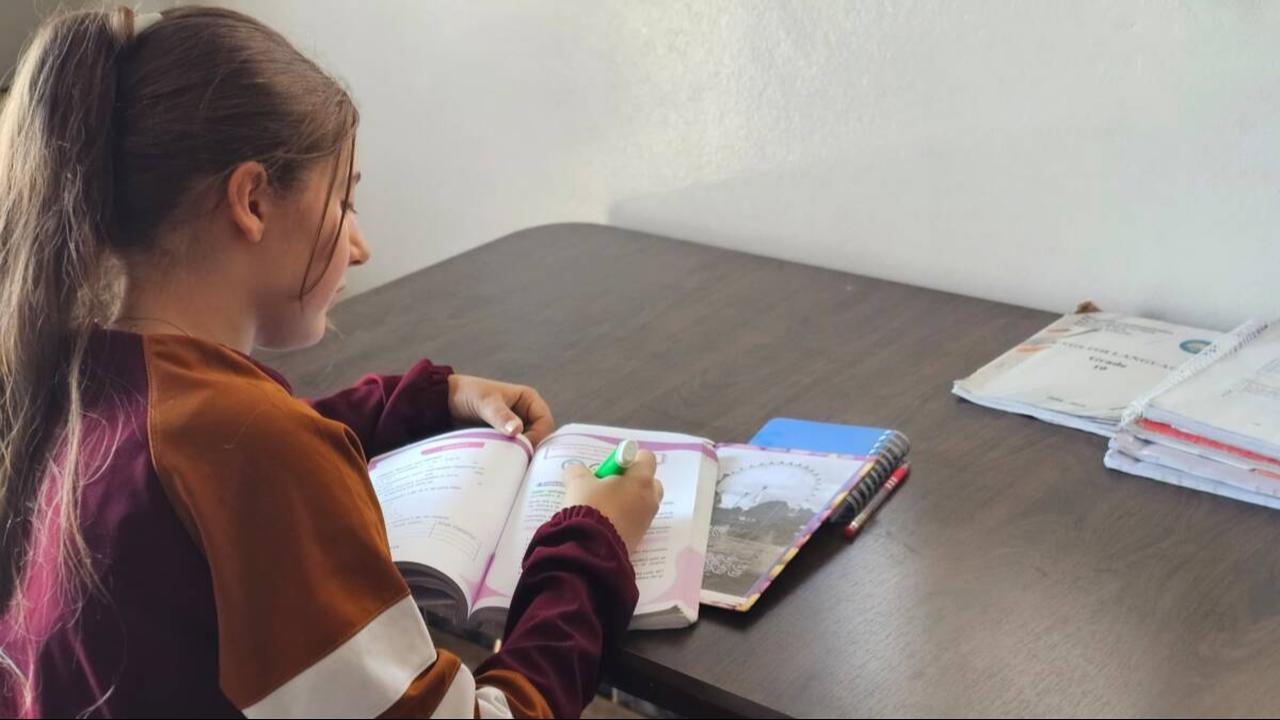

The “Kurdish question” in Syria has never been merely a political dispute over local administration or party representation.
For decades, it has amounted to a struggle over the right to exist in the public sphere, with the Kurdish language at its core.
A Human Rights Watch report on Syria’s Kurds indicated that the state did not confine itself to restricting political rights but also pursued policies and practices that “violate the right of Kurds to enjoy their culture and use their language,” while constraining freedom of expression.
Today, a new presidential decree opens the way for a different historical reading: official recognition of Kurdish as a national language and authorization to teach it, alongside the restoration of citizenship to those who were stripped of it in the past and the declaration of Nowruz as a paid national holiday.
Throughout history, the Kurdish language has served as a cornerstone of Syrian Kurds’ culture and collective memory. It has functioned as the principal repository of oral traditions, music, storytelling, and the community’s religious and moral heritage.
From this perspective, Syrian authorities viewed the cultural power of language as a threat and sought to erase it through systematic policies aimed at the Arabization of Kurdish society.
For decades under the Baath Party regime, beginning in the 1960s, strict limits were imposed on the use of Kurdish. The education of Kurds was banned in schools.
Newspapers, books and songs in the language were prohibited. Even the registration of newborns and shops with Kurdish names was barred, forcing the adoption of Arabic ones.
Kurdish historian Kony Res, in his work on Kurdish cultural life, describes this period by stating that “the Kurdish language was banned, and the registration of shops and newborns with Kurdish names was prohibited and replaced with Arabic ones, as part of policies aimed at the cultural eradication of the Kurds.”
He added that nearly everything connected to Kurdish identity in curricula and cultural life was suppressed in an effort to erase Kurdish identity altogether.
As a result, the language itself became a direct target of repression. Kurds were denied the ability to read and write in their mother tongue, to the point where many came to believe that Kurdish was merely an oral dialect without an alphabet or grammatical system.
Despite this repression, Kurdish intellectuals and activists developed methods of cultural resistance.
Writer Heiman Salih recounts hiding Kurdish-language books behind food cupboards for fear of security forces, viewing them as “a resistant entity and a symbol of an identity threatened with oblivion.”
Many young people joined clandestine circles to learn the Kurdish alphabet, copying booklets by hand and distributing them secretly to those seeking to learn their language. In this way, the language endured as a faint flame beneath the ashes of prohibition, keeping the Kurdish cultural identity alive in the collective memory while awaiting an opportunity for expression.
Socially, linguistic repression left a deep imprint on the daily lives of Syrian Kurds and their relationship with the wider society.
It produced a forced duality of identity: an official Arabic name and public identity used in documents and public spaces, and a genuine Kurdish name and private language used discreetly among family and neighbors.
According to the accounts cited, thousands of Kurdish children were registered at birth with Arabic or distorted names instead of their original Kurdish ones.
Kurds thus came to have an “official” name and another by which they were known within their communities. This reality generated a sense of alienation from one’s own name and culture.
This erasure extended to geography as well. Kurds were barred from naming their villages and landmarks in their own language, as authorities replaced Kurdish place names with Arabic ones in a systematic effort to erase local identity.
The Kurdish language in Syria has been closely intertwined with political issues and citizenship rights.
Human Rights Watch describes Kurds as the largest non-Arab minority in Syria, with Kurdish as their mother tongue, an Indo-European language within the Iranian language group.
The organization traces the roots of the crisis to the exceptional census conducted in 1962 in al-Hasakah province, which stripped around 120,000 Kurds, roughly 20% of the Kurdish population at the time, of their citizenship.
This was carried out under Decree No. 93 (August 1962), which aimed to identify what authorities termed “foreign infiltrators,” requiring proof of residence since 1945.
Human Rights Watch states that the 1962 census formed part of a broader plan to Arabize the northeastern border regions.
Beginning in 1973, the report noted a policy aimed at separating Syrian Kurds from Kurds in Türkiye and pushing Kurds away from border areas toward cities, while restricting Kurdish settlement in al-Hasakah and allowing Arab settlement instead. Arab settlers were moved into border areas as part of what became known as the “Arab Belt.”


 Set as preferred source
 Set as preferred source


 2 min read
 1 min read