Newsletters


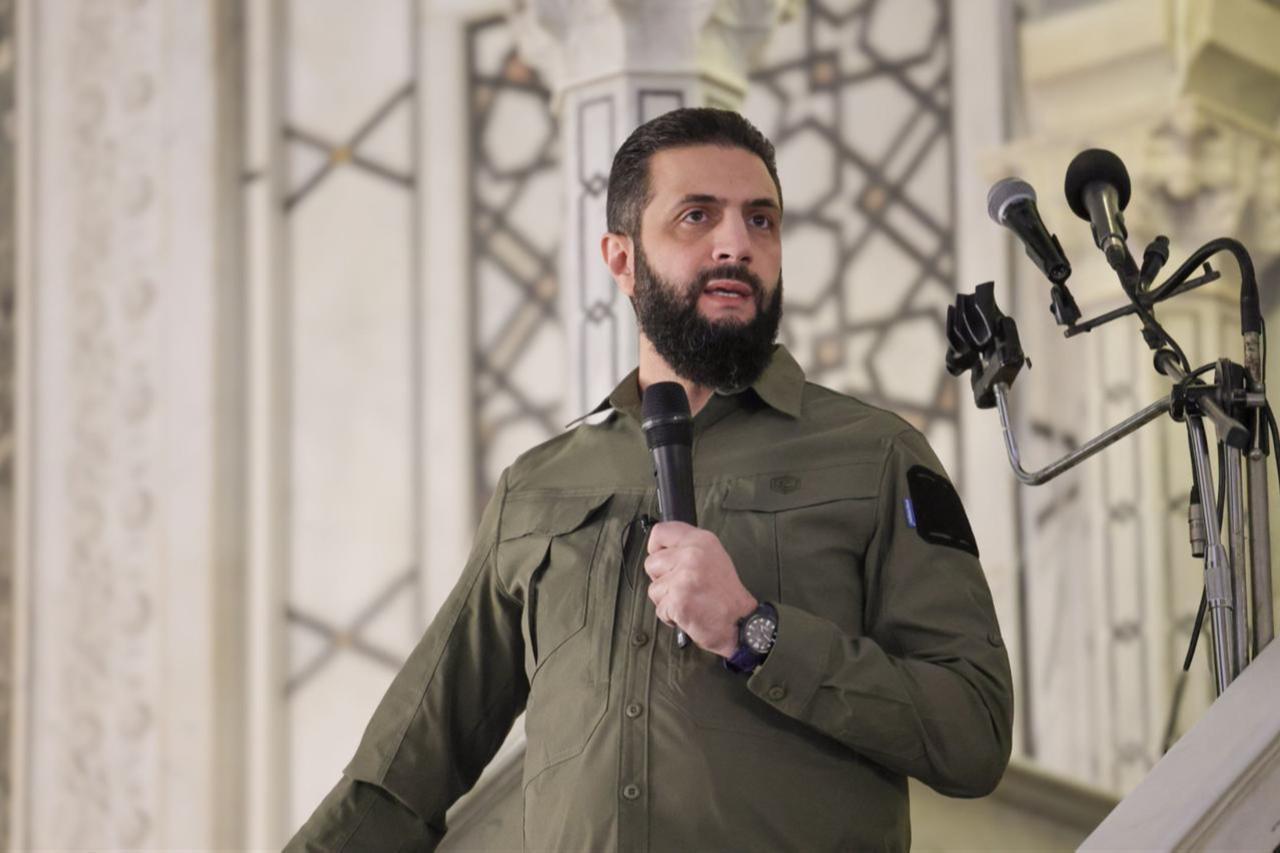


Syrian President Ahmed al-Sharaa announced Sunday that a comprehensive ceasefire and integration agreement has been reached with the SDF terrorists, paving the way for the state to enter all three provinces currently held by the group.
The 14-point agreement calls for an immediate ceasefire across all fronts, the full administrative and military handover of Deir ez-Zor and Raqqa governorates to the Syrian government, and the integration of civilian institutions in al-Hasakah Governorate into state structures.
Al-Sharaa called on local tribes to allow the implementation of the agreement ahead of a scheduled meeting with SDF ringleader Mazloum Abdi set for Monday. The announcement follows significant territorial changes in eastern Syria over the weekend, where local uprisings have displaced SDF control in multiple areas.
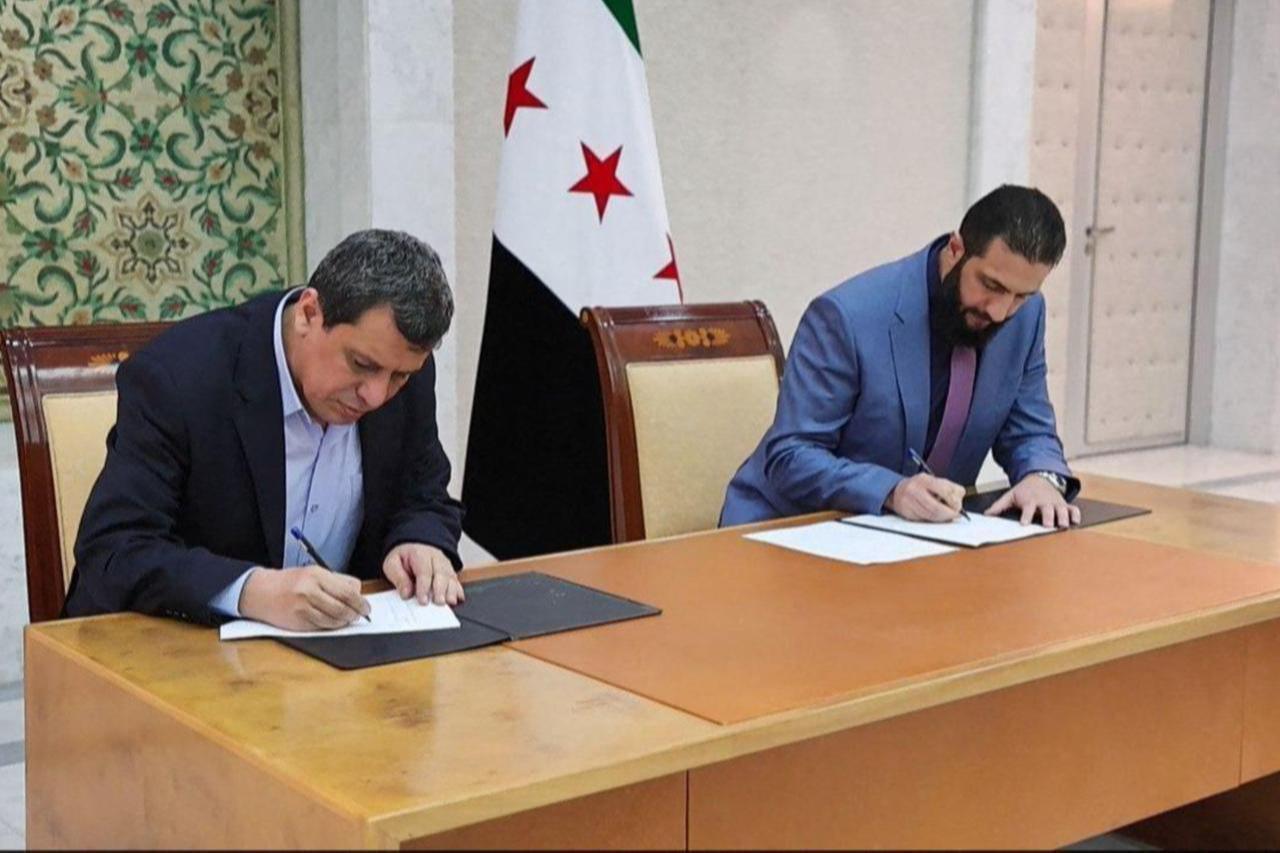

Under the accord, all SDF terrorist formations east of the Euphrates River will withdraw as a preliminary step for redeployment. The Syrian government will take control of all border crossings, oil fields and gas fields in the region, with protection secured by regular forces to ensure the return of resources to the Syrian state.
The agreement provides for the full integration of all SDF terrorists and security personnel into the structures of the Syrian Ministries of Defense and Interior on an "individual" basis following necessary security vetting. Personnel will be granted military ranks, financial entitlements and logistical requirements accordingly.
The SDF commits to refraining from incorporating remnants of the former regime into its ranks and to providing lists of officers from the former regime's remnants present in areas of northeastern Syria.
A presidential decree will appoint a nominee to assume the position of Governor of al-Hasakah as a guarantee of political participation and local representation. The agreement also calls for the adoption of a list of candidates submitted by the SDF to hold high-ranking military, security and civil positions within the central state structure to ensure national partnership.
The accord welcomes Presidential Decree No. 13 of 2026, which provides for the recognition of Kurdish cultural and linguistic rights and for addressing outstanding rights-based and civil issues, including those of unregistered or stateless persons and accumulated property-rights claims from previous decades.
The SDF commits to the removal of all non-Syrian PKK ringleaders and members outside the borders of the Syrian Arab Republic to ensure sovereignty and regional stability. The PKK is designated as a terrorist organization by Türkiye and several other countries.
Regarding the city of Ain al-Arab, also known as Kobani, the agreement calls for the removal of heavy military presence, the formation of a security force drawn from the city's residents, and the retention of a local police force administratively affiliated with the Syrian Ministry of Interior.
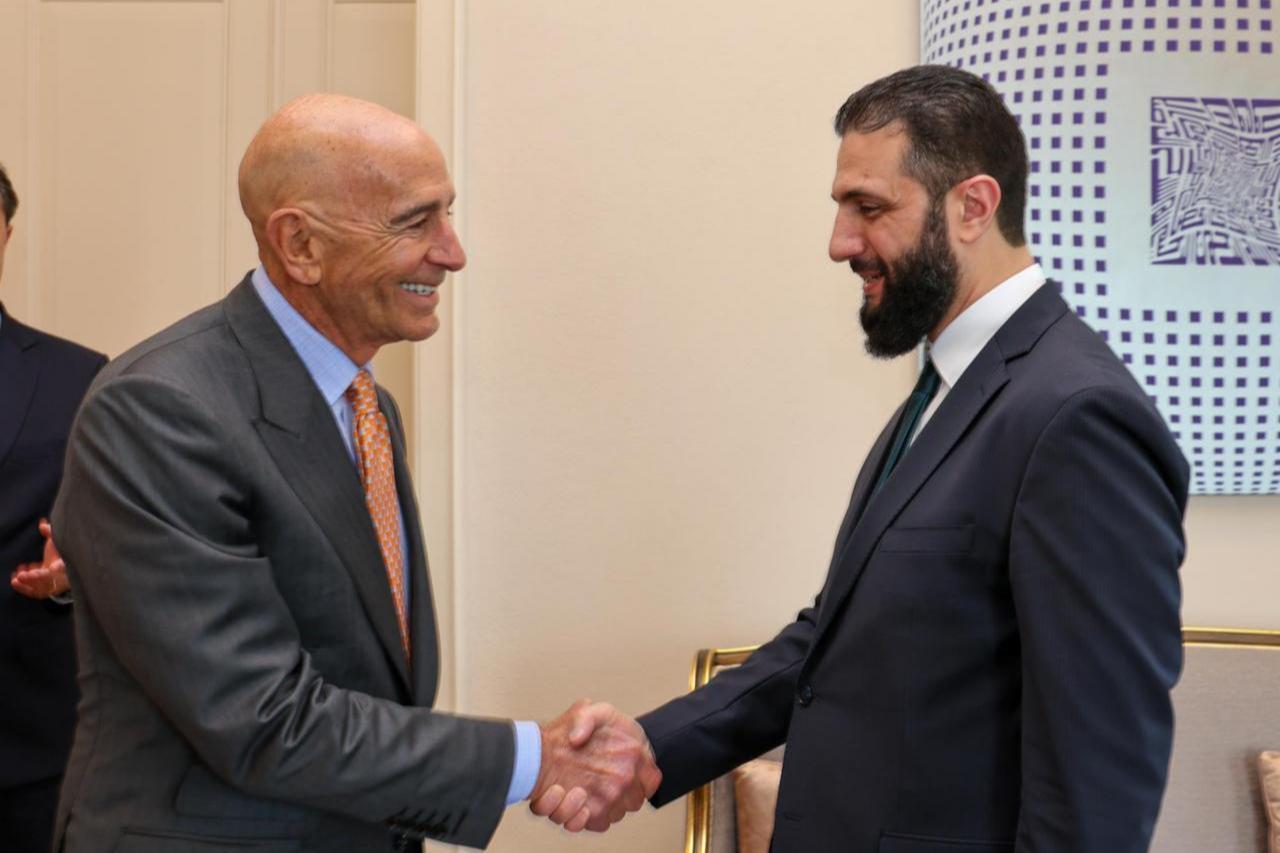
The United States welcomed the ceasefire and integration agreement between the Syrian government and the SDF on Sunday, calling it a significant step toward a unified Syria.
"This agreement and ceasefire represent a pivotal inflection point," US Ambassador to Türkiye and Special Envoy for Syria Tom Barrack said on social media platform X.
In a fuller statement, the United States commended both parties for their constructive efforts in reaching the ceasefire agreement, describing it as a moment where former adversaries embrace partnership over division.
"The challenging work of finalizing the details of a comprehensive integration agreement begins now, and the United States stands firmly behind this process at every stage," Barrack said, adding that the US will safeguard its vital national security interests in defeating Daesh remnants while advancing broader Middle East peace objectives.
The US statement emphasized particular encouragement for the sustained drive to counter Daesh threats, which it said will facilitate the integration of Kurdish partners into a united, inclusive Syria that safeguards the interests and rights of all its citizens.
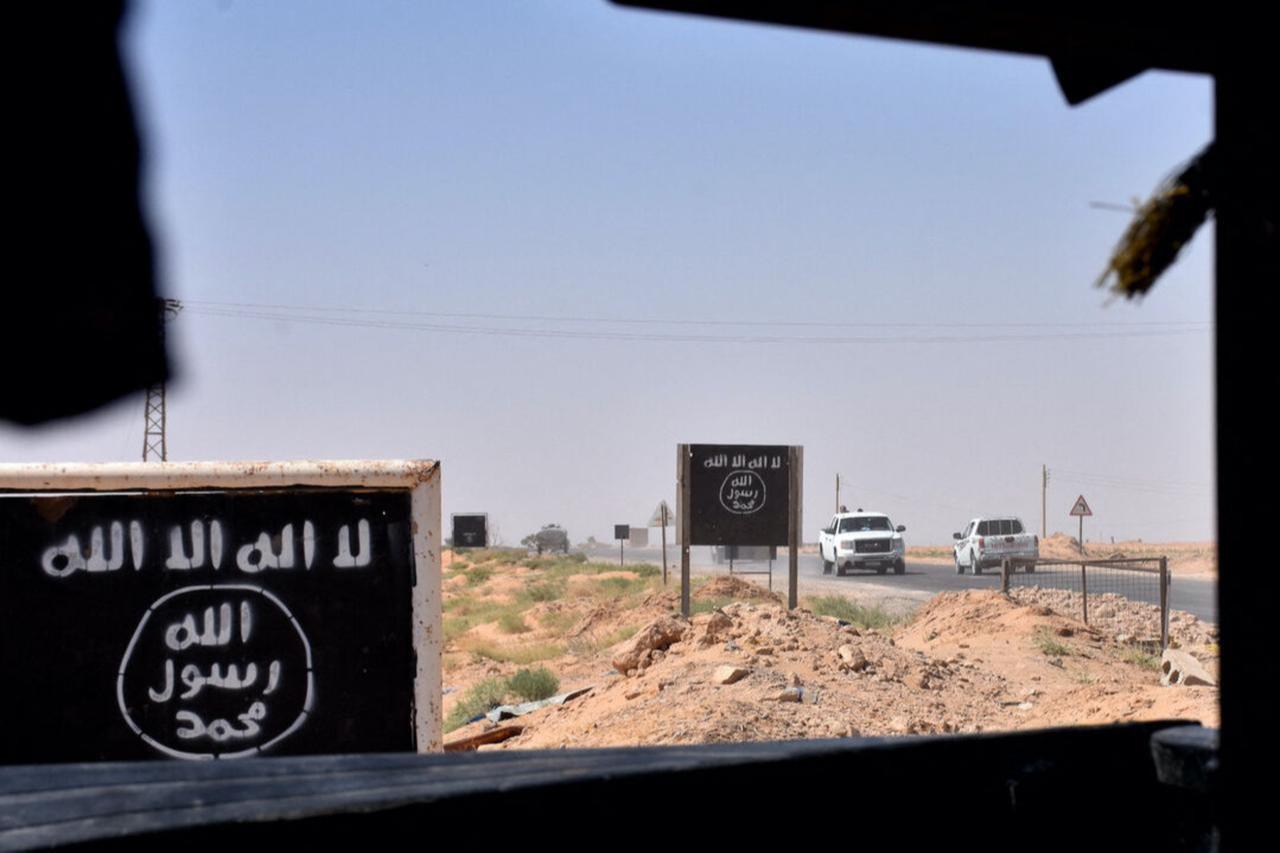
The integration of the administration responsible for the file of Daesh prisoners and camps will be transferred to the Syrian government, which will assume full legal and security responsibility for them.
The Syrian state commits to continuing the fight against terrorism as an active member of the International Coalition, in coordination with the United States, to ensure the security and stability of the region.
The agreement also addresses working toward understandings concerning the safe and dignified return of residents of the Afrin and Sheikh Maqsoud areas to their homes.
The city center of Raqqa in eastern Syria has been largely cleared of SDF terrorists following an uprising by local residents and tribal groups on earlier Sunday, according to sources cited by Turkish news agency Anadolu.
Local residents and tribal forces launched coordinated actions against SDF facilities, raiding positions and taking control of multiple strategic points in the provincial capital. Security checkpoints and public buildings were brought under official control, and efforts began to reactivate local administrative institutions.
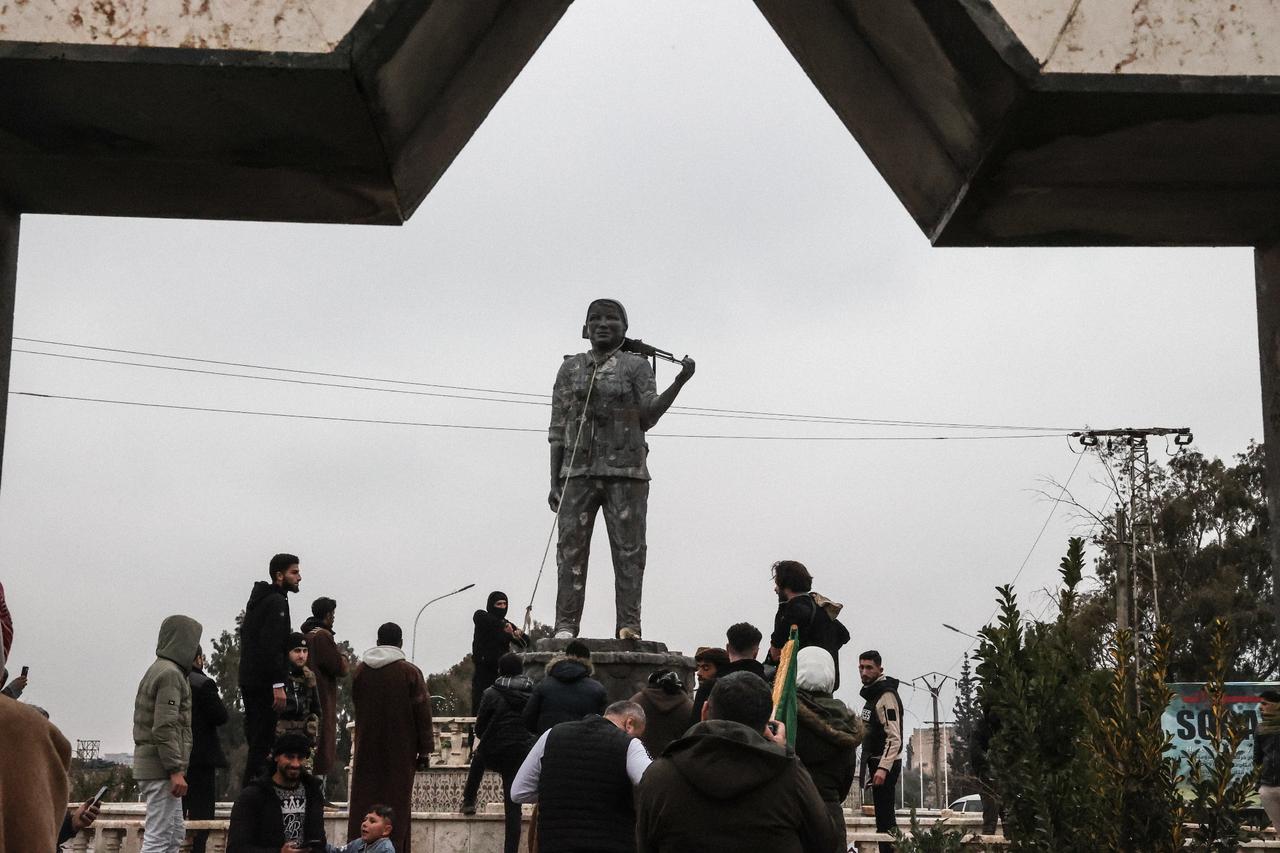
In the nearby city of Tabqa, residents celebrated in the streets as the area was cleared of YPG terrorists operating under the SDF banner. Statues belonging to several prominent SDF figures were toppled during the celebrations on January 18.
Speaking to Syria's Al-Ikhbariyye, Interior Ministry spokesman Nour al-Din al-Baba described the situation in Raqqa as "very positive" and said the Syrian Army had carried out its duties effectively.
Al-Baba credited close cooperation between local residents and government forces with facilitating operations on the ground. Interior Ministry units have been deployed across the city under the leadership of the provincial internal security command that existed prior to the conflict, supplemented by reinforcement units from other provinces.
Describing the atmosphere in Tabqa as one of "great joy and excitement," al-Baba said authorities are focused on protecting public and private property, ensuring civilian safety and enabling the return of displaced residents.
"Within a few hours, deployment across the city will be completed, and new police stations and security centers will be put into service," he said.
 1 min read
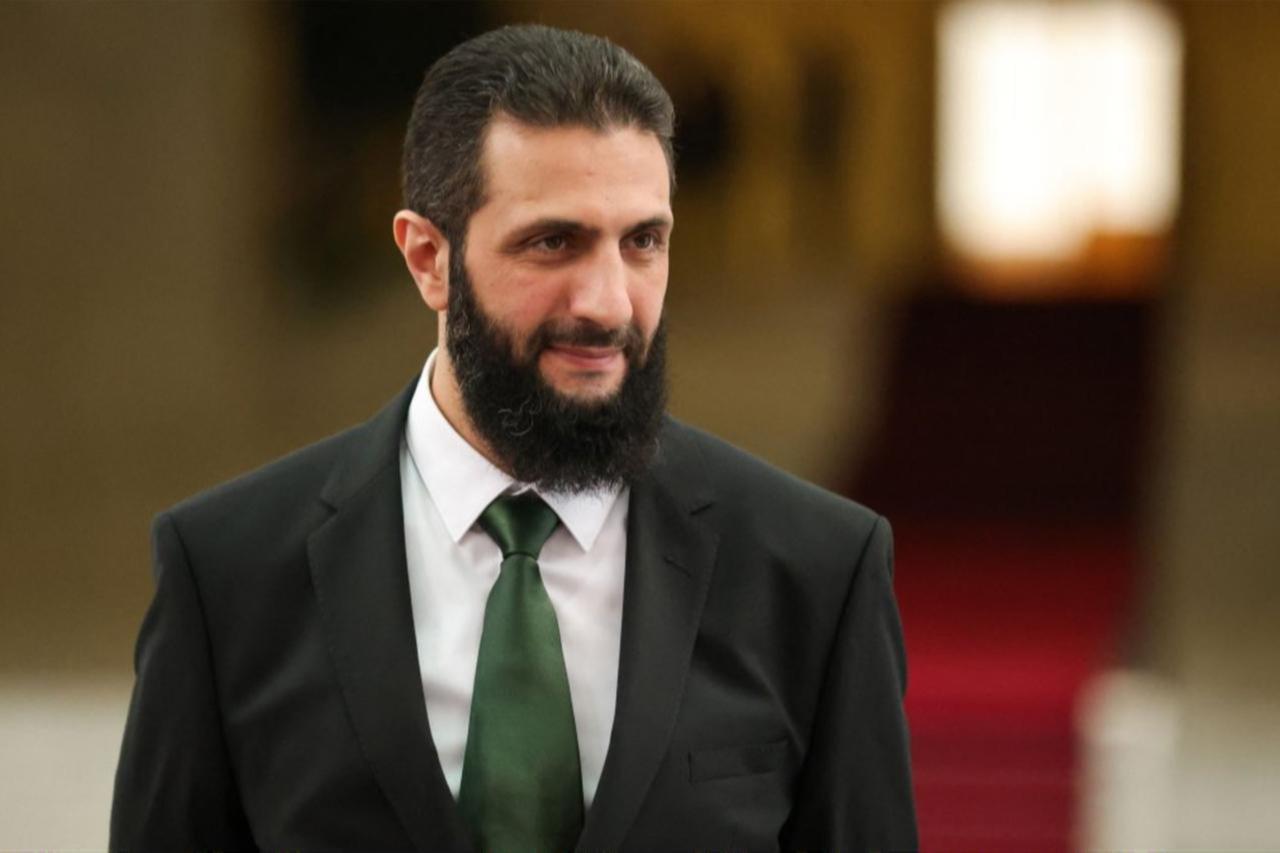
The developments in Raqqa follow a similar uprising in Deir ez-Zor province, where tribal forces and local residents have taken control of all areas previously held by the YPG/SDF, according to Anadolu reporters on the ground.
The advance began Saturday evening, with tribal forces securing southern and central areas before moving north toward the borders with Raqqa and Hasakah provinces. Local authorities said the SDF presence has now been completely eliminated across Deir ez-Zor province.
Settlements brought under control include Mheimide, Suwaidan Jazira, Murad, Giranic, Tayyane, Al-Jarzi, Hatla, Al-Husseiniyah, Halabiye Square, Al-Baghour, Al-Boubadran, Al-Bahrah, Susah, Abu Hardub, Al-Shenan, Denaj, Diban, Al-Hawaij, Shehil, Al-Busayrah, Subha, Dehla, Jadid Baggara, Khasham, Mazlum, Al-Hisan, Jafra Field, Huwayij Bumasah and Sawa.
A statement from the Deir ez-Zor Governorate confirmed that tribal forces had earlier retaken the Omar oil field and Kuniko natural gas field, two of Syria's largest energy facilities, from the group.


 Set as preferred source
 Set as preferred source


 1 min read