Newsletters


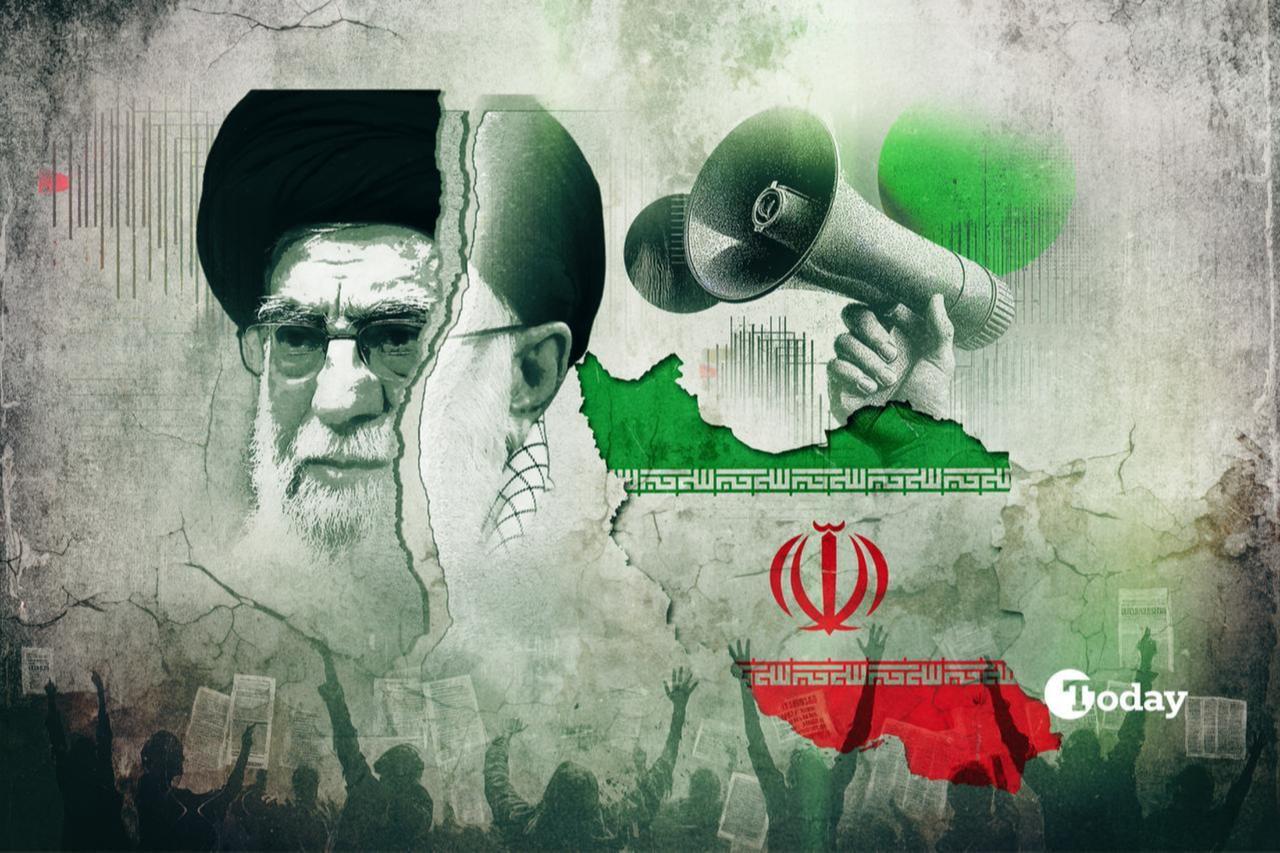


In its third week, Iranian authorities reported that more than 100 security officers had been killed during protests across the country. As communication channels gradually reopened, the past weeks in Iran have already etched a distinct chapter in the region’s history of popular unrest, one that follows the Arab Spring but diverges sharply from it.
The Islamic Republic has not faced a sudden legitimacy crisis, but rather a slow accumulation of unresolved social, economic, and political pressures managed through force rather than reform. What sets Iran apart from Arab Spring cases is not the absence of public anger, but the resilience of a state apparatus designed to withstand it.
A central distinction between Iran’s protests and the Arab Spring lies in the scale and purpose of state violence. Conservative estimates placing fatalities between 2,000 and 3,000 indicate a far more lethal response than that seen in the early phases of unrest in Tunisia or Egypt.
In Arab Spring cases, coercion was often uneven and at times hesitant, reflecting uncertainty within ruling elites. In Iran, force has been applied rapidly and decisively to impose immediate deterrence.
This strategy has reduced the visibility of protests without resolving the causes behind them. Each casualty has instead widened the psychological and political gap between the state and society.
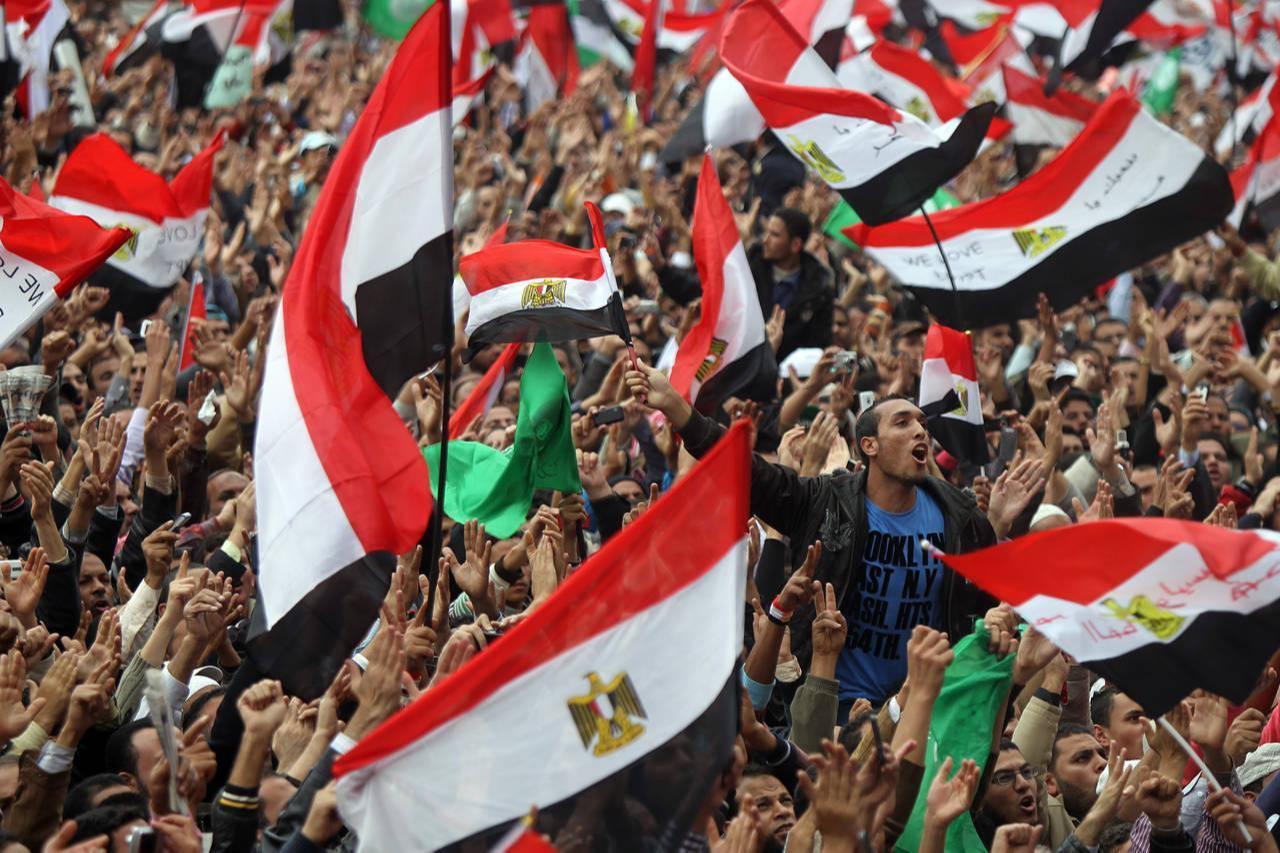

Arab Spring uprisings were largely driven by economic stagnation and political exclusion. Iran’s unrest unfolds amid a convergence of economic, ideological, and infrastructural failures.
Beyond the immediate political volatility, the nation is grappling with a severe water scarcity and a deteriorating energy infrastructure.
These environmental and systemic failures have merged with a chronic economic malaise to create a volatile domestic environment. No single policy lever appears capable of untangling the web of mismanagement that now defines the daily lives of most citizens.
The government has prioritized survival through force, yet it lacks a credible roadmap for long-term stabilization. Without resolving the fundamental issues of resource allocation and inflation, the prospect of a lasting social peace remains remote.
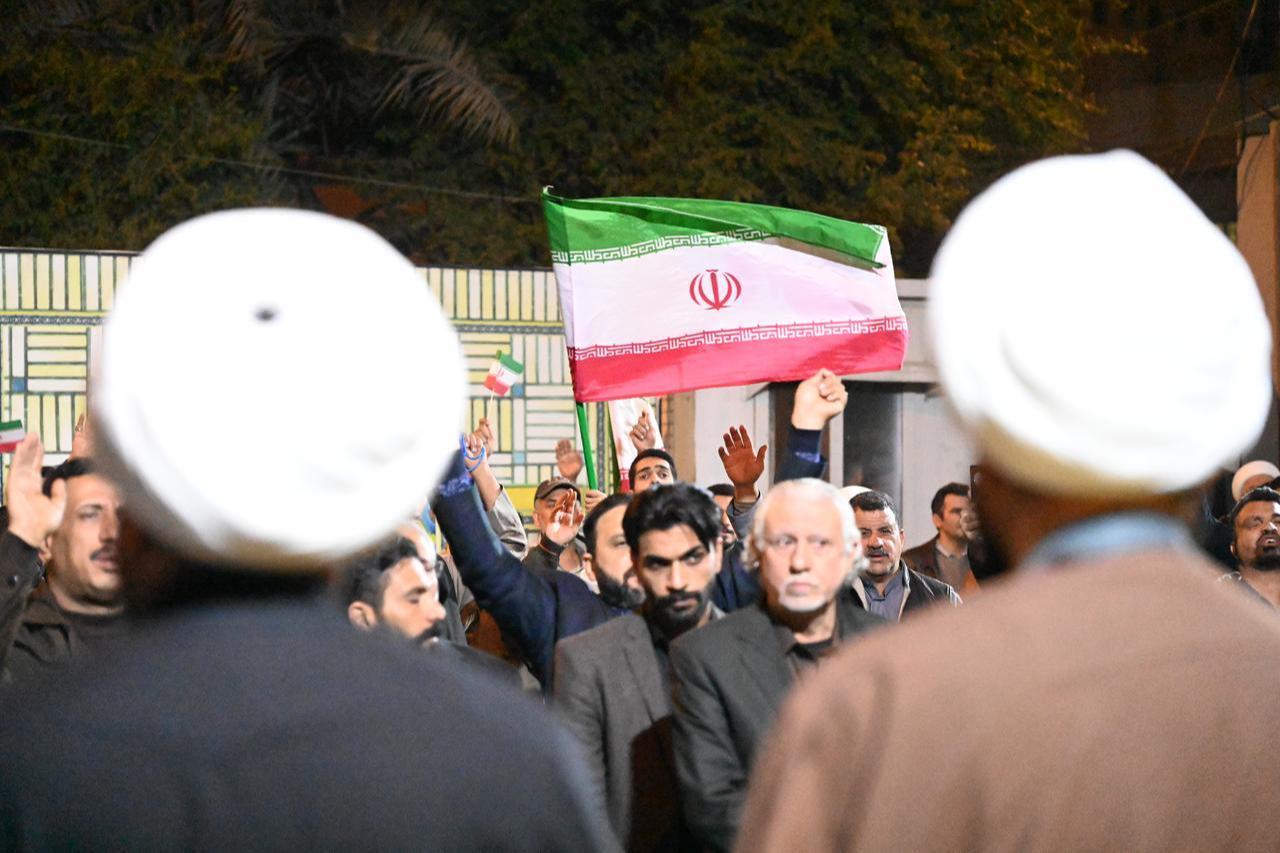
The loyalty of the Iranian security services remains the primary obstacle to any potential transition of power. Unlike the historical precedents in Tunisia or Egypt, the Iranian military and paramilitary structures view their own survival as inextricably linked to that of the clerical establishment.
During the Arab Spring, the military mostly acted as an independent actor that calculated its own benefit. Revolutionary Guards and Iran’s security apparatus, on the other hand, have remained cohesive and loyal to the clerical establishment. Officers and rank-and-file personnel view regime survival as inseparable from their own.
There is a prevailing sentiment among the rank-and-file that they must stand together or face collective retribution from a vengeful public. Rhetoric from opposition figures on social media, promising future executions for current officers, has only served to solidify this internal cohesion.
Until a significant fracture occurs within the security architecture, the state retains the capacity to suppress localized uprisings. The "gallows-bond" between the political leadership and the enforcers ensures that defections remain rare and high-risk.
Arab Spring movements benefited from relatively open political arenas in which protest networks could consolidate. Even without unified leadership, identifiable figures and demands emerged quickly.
Iran’s opposition remains fragmented and largely leaderless inside the country. Institutional channels capable of converting anger into a sustained political organisation are tightly sealed.
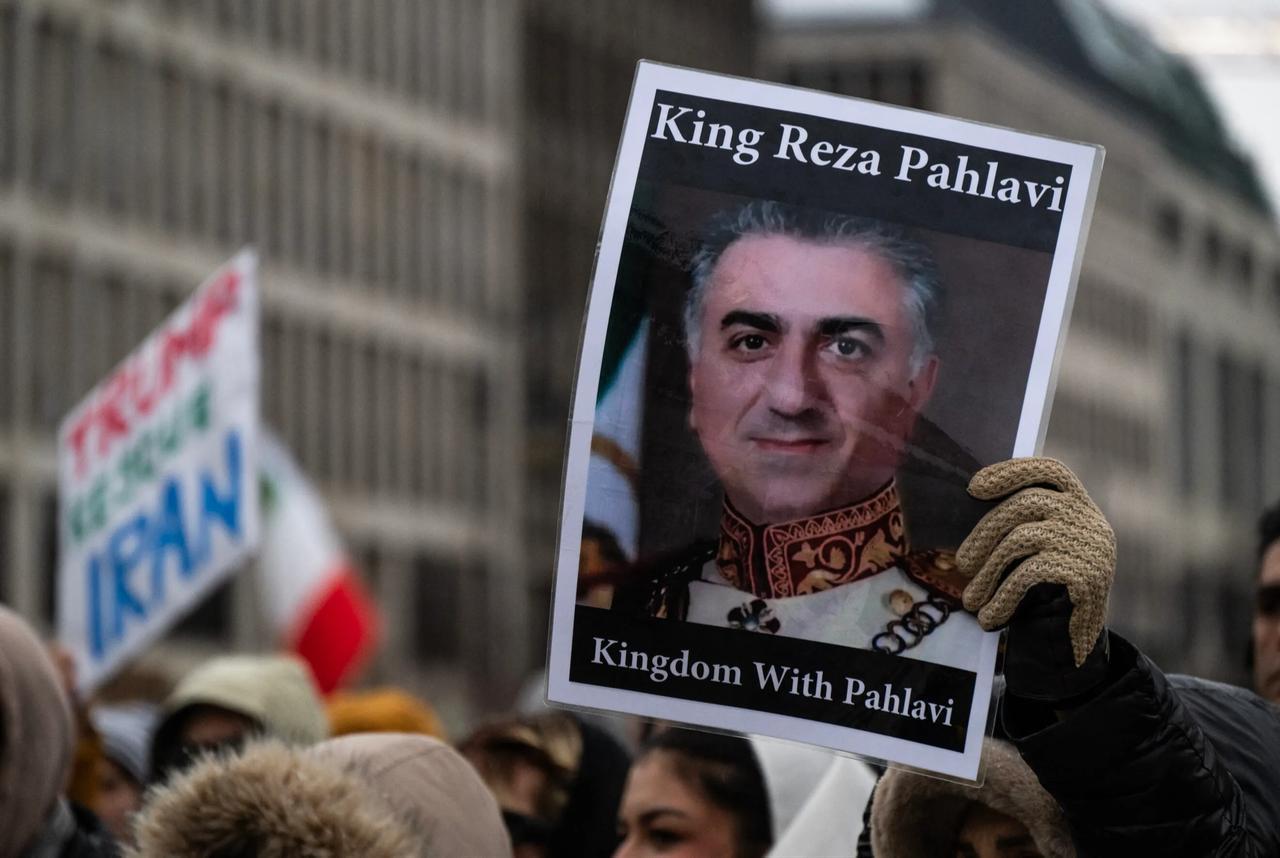
This fragmentation limits the protest movement’s ability to translate scale into leverage. Street mobilisation alone has not produced a credible alternative centre of power as the alternative is a foreign-backed monarchy.
A critical distinction between the current Iranian context and the Arab Spring is the nature of the regime’s international relationships. The governments in Tunis and Cairo maintained deep ties with Washington and were consequently sensitive to American diplomatic pressure.
In contrast, Tehran views any statement of support from the United States as a convenient tool for domestic propaganda. The leadership frequently caricatures Western solidarity as proof of a foreign-orchestrated conspiracy against the nation’s sovereignty.
By framing legitimate internal grievances as products of external interference, the state justifies its most extreme measures to its core base. This isolationist posture limits the effectiveness of traditional diplomatic intervention and emboldens the hardline elements of the administration.
The Iranian state has demonstrated its capacity to suppress unrest through overwhelming force. This capacity distinguishes it sharply from Arab Spring regimes that lost control over their coercive institutions.
Yet suppression has not translated into stability. The underlying drivers of dissent remain intact and unresolved.
Iran’s protests therefore, diverge not only in outcome but in structure. They represent a prolonged confrontation between societal exhaustion and a state built for endurance rather than adaptation.


 Set as preferred source
 Set as preferred source


 1 min read