Newsletters


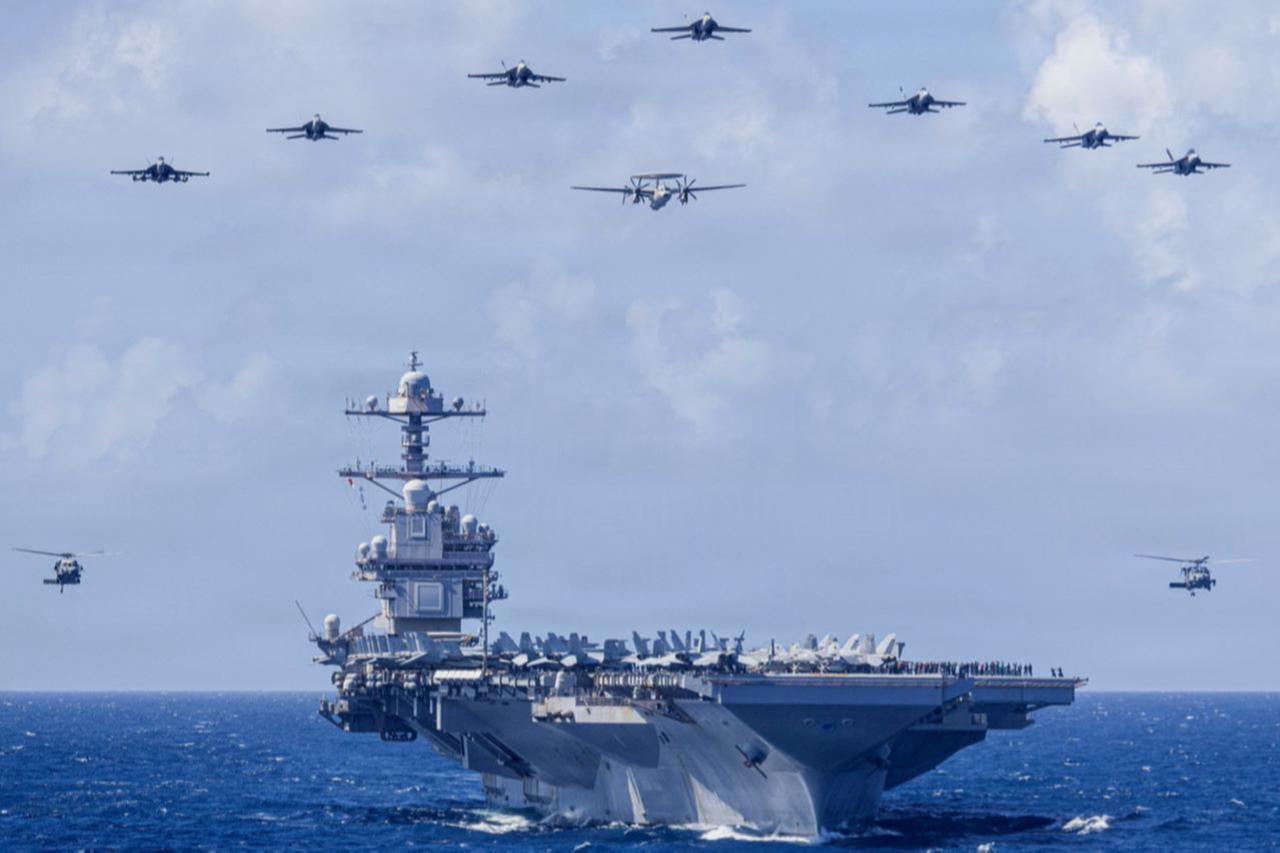


With the joint U.S.-Israeli offensive against Iran well into its third week, concerns are mounting that the West is sleepwalking into a regional quagmire, a Middle Eastern echo of the grinding stalemate that has defined the war in Ukraine.
The comparison is intuitive on the surface: a major military power, a smaller but resilient adversary, and a conflict with no clear diplomatic off-ramp on the horizon.
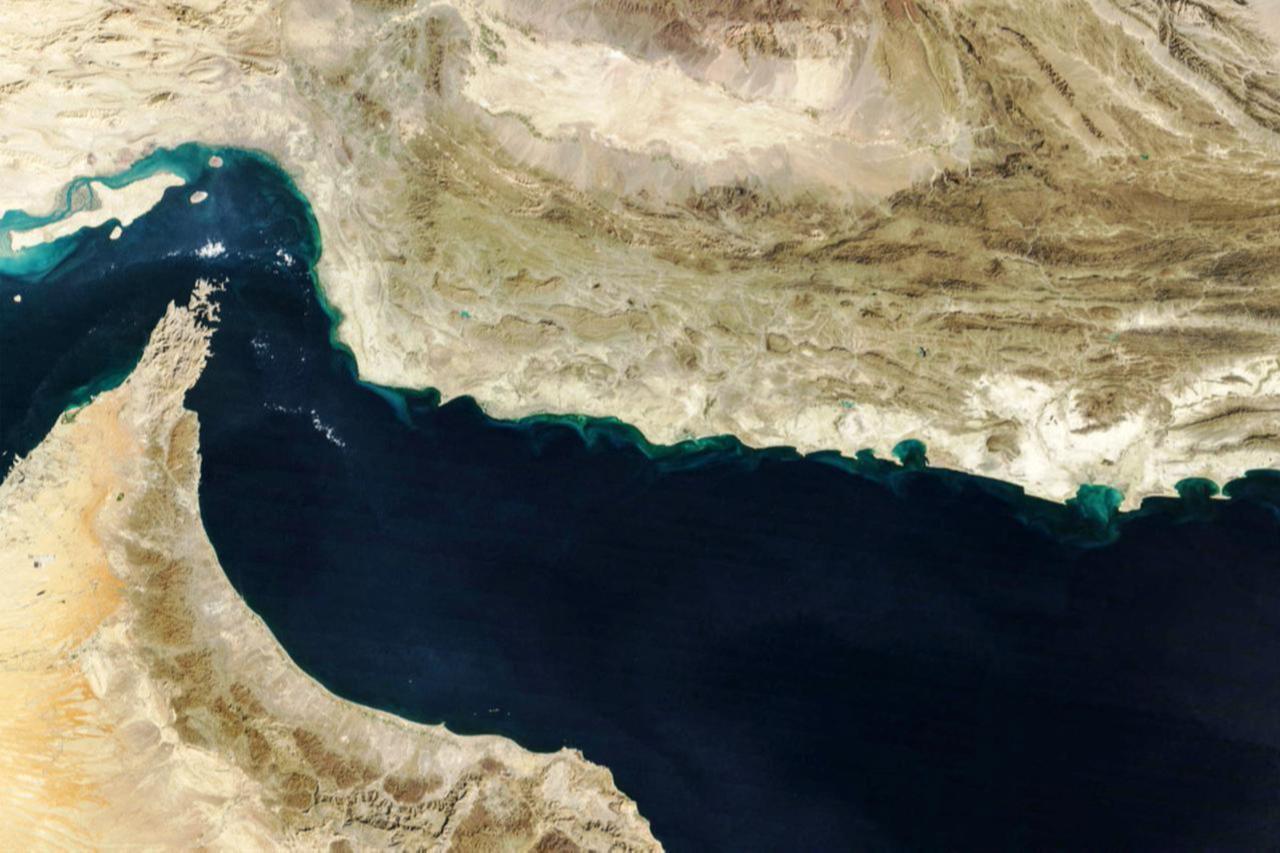
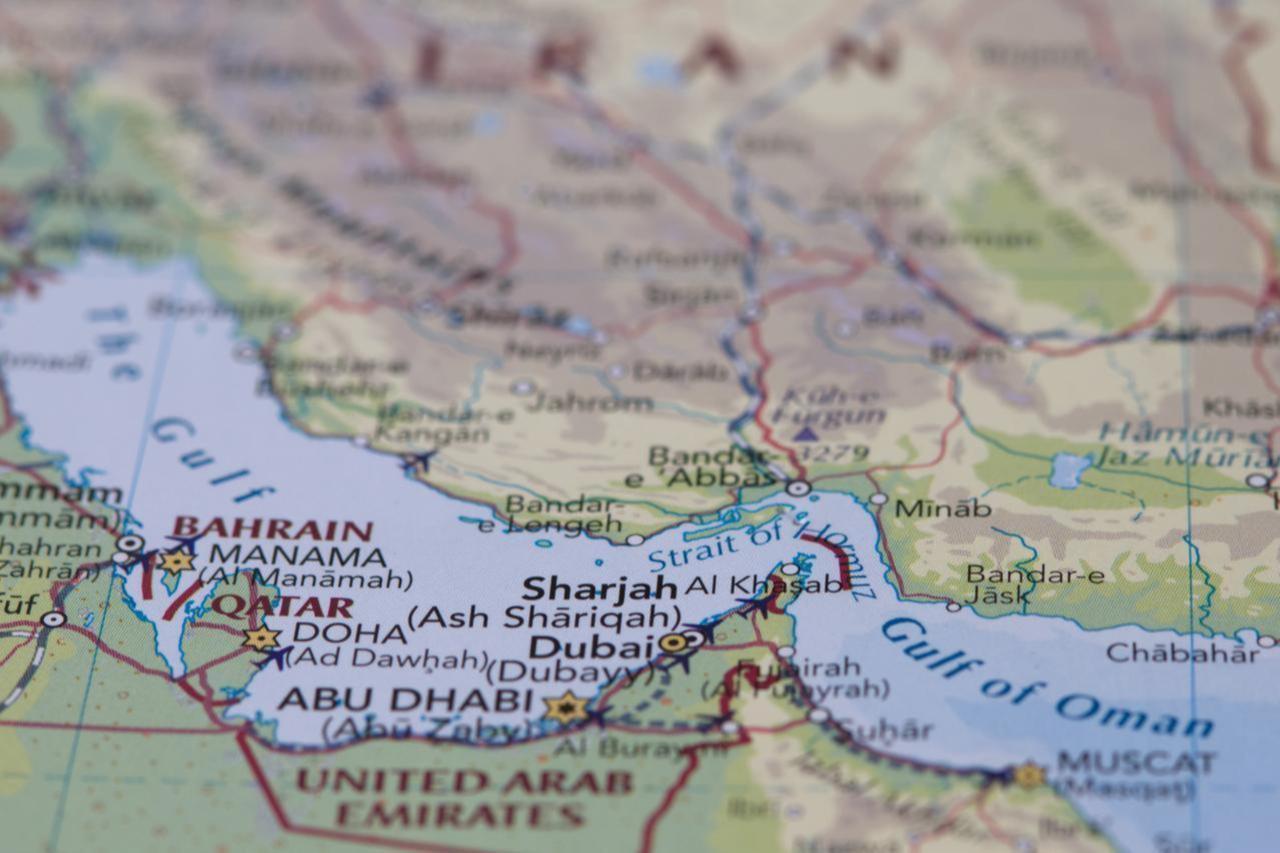
While Iran’s proximity to the Strait of Hormuz grants it the capacity to disrupt global energy transit, the U.S. has been notably devoid of a pre-planned contingency operation to counter Tehran's predictable maneuvers.
So long as Tehran maintains these geopolitical levers, the region will remain a primary source of friction for Washington.
A military solution has been sidelined by the administration's failure to secure multilateral backing from key allies and formidable topographical constraints.
For many observers, this suggests the "Ukraine analogy" is a credible framework for the current deadlock. Türkiye Today speaks to three seasoned analysts who have studied both theaters closely to receive their takes.


Military analyst and former U.S. Army Major Mike Lyons dismisses the comparison outright. “I would push back on the analogy as there are too many failsafes in the current administration to prevent it from happening,” he says.
From a structural standpoint, the conflicts diverge sharply according to Jennifer Parker, an adjunct professor at the Defence and Security Institute at the University of New South Wales and a former naval officer.
She stresses that Russia’s war in Ukraine is rooted in territorial ambition, while U.S. actions toward Iran remain limited in scope. “These are fundamentally different conflicts with very different military objectives and strategic dynamics,” she notes.
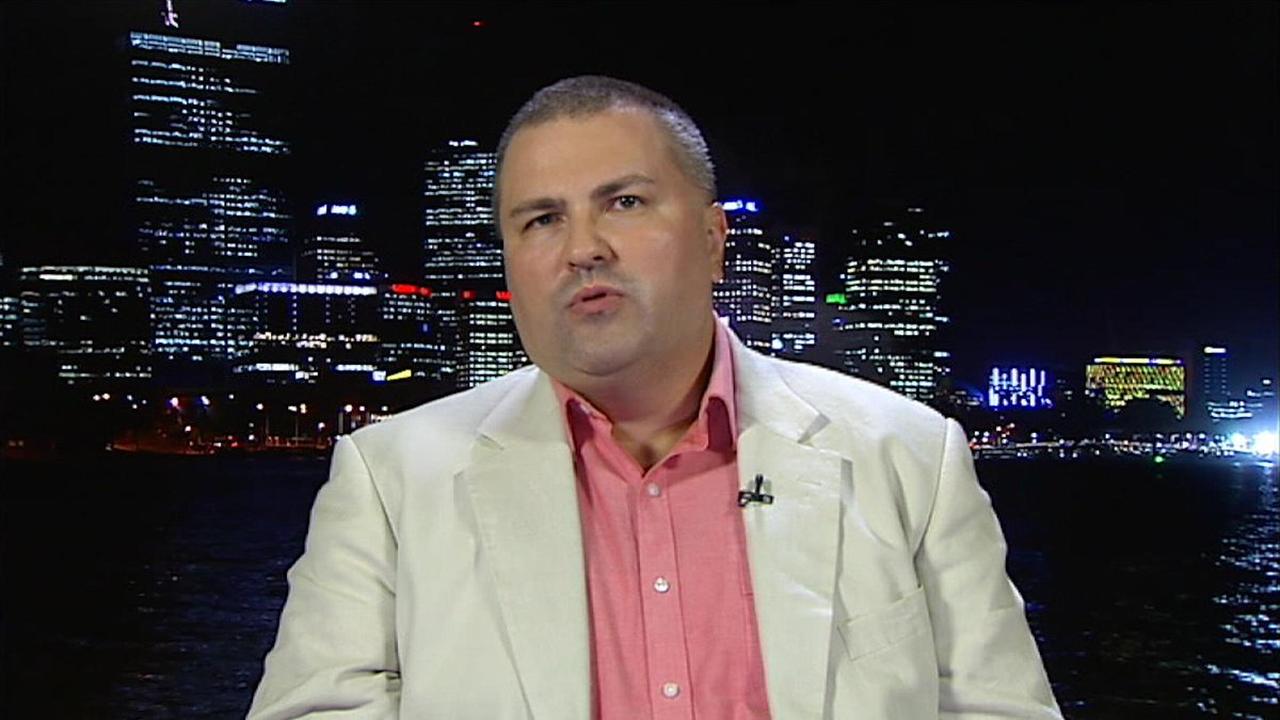
That distinction is reinforced by Alexey Muraviev, an associate professor of national security and strategic studies in Perth, who frames the issue in operational terms.
“For the U.S., the war in Iran is an expeditionary campaign. For Russia, the war in Ukraine is not,” he explains, emphasizing that Washington has no intention of incorporating Iranian territory.
At the operational level, analysts argue that the Ukraine analogy breaks down even further. Lyons points to fundamental flaws in Russia’s military execution that led to its current position.
“Russia's problem now is a ground war of attrition against a peer adversary on home soil, with no air supremacy, no decapitation of leadership, and no strategic clock running,” he says. According to Lyons, the U.S. and Israeli campaign against Iran has unfolded with different dynamics by contrast.
He highlights reported gains, including “air supremacy over most of Iranian airspace” and the degradation of “roughly 70%–90% of missile launcher capacity,” arguing that “this is not a stalemate by any military definition.”
Muraviev, however, injects caution into that assessment. “We have entered the fourth week of the war. It’s too early to tell if Iran might become a second Vietnam for Trump,” he says, adding that “it’s a stalemate for now.”
Developments in the Strait of Hormuz have fueled arguments that the conflict is approaching a deadlock. Analysts, however, interpret Iran’s actions there as part of a broader asymmetric strategy.
Parker notes that such disruption was neither unexpected nor unplanned for. “Iran’s ability to impose costs in the maritime domain is well understood,” she says, suggesting that these dynamics were likely factored into U.S. strategic calculations from the outset.
Muraviev points to the Strait as a potential turning point in operational terms. He argues that if diplomatic solutions fail, “a strategic amphibious operation, which would establish control over the Iranian coast in the Strait, could ease the situation.”
“The Strait of Hormuz is Iran's last genuine lever,” Lyons says. “They can't win militarily, so they're imposing global economic pain in hopes the world pressures Washington to stop.” He characterizes this approach as “a desperate move, not a winning position.”
A central dividing line between the two conflicts lies in their underlying military logic. Russia’s war in Ukraine is a territorial campaign, while U.S. actions toward Iran remain expeditionary in nature.
Muraviev emphasizes this distinction clearly: “The U.S. does not plan to make parts of Iran part of its territory.”
Parker reinforces this point by noting that limited objectives inherently constrain escalation risks. “By contrast, U.S. military action involving Iran appears to be more limited and defined,” she says, warning that drawing parallels to Ukraine is not only inaccurate but also analytically flawed.
Lyons adds that the tempo and outcomes of the current campaign further differentiate it. With key military and industrial targets already degraded, he argues that the operational trajectory does not resemble the grinding stalemate seen in Eastern Europe.

Beyond Ukraine, parallels with the U.S. experience in Iraq have also emerged, notably in the resignation letterof Joe Kent, director of the National Counterterrorism Center.
“I don't think this becomes Iraq either,” Lyons says, pointing to lessons learned from post-2003 mission creep. Instead of nation-building, he describes a strategy focused on what he calls “the Trump Doctrine of Visual Leverage.”
This approach prioritizes a clear and decisive end-state. Lyons suggests that Washington is seeking “a clear, undeniable symbol of American resolve and Iranian capitulation” before declaring victory, whether through dismantling Iran’s nuclear program, securing concessions, or achieving a high-impact military objective.
Muraviev’s caution remains relevant here as well. While the campaign may be structured to avoid long-term entanglement, he notes that outcomes will ultimately depend on how the conflict evolves in the coming weeks.
While debate continues over whether the conflict could stall, analysts increasingly point to a different risk: uncertainty over how it ends.
“I don’t think the risk is stalemate,” Lyons says. Instead, he highlights “strategic ambiguity about what that closing image actually looks like and whether Iran has anything left to offer that qualifies.”
Muraviev’s more cautious framing—that the situation currently reflects elements of a stalemate—suggests that the trajectory remains open. Political decisions on both sides will shape whether the conflict remains limited or expands further.
Parker, meanwhile, reiterates that comparisons to Ukraine remain misleading at this stage. The differences in objectives, scale, and execution continue to define a conflict that is following its own distinct path.
Although it is unclear how much longer the war will last, the unlikely possibility of China or Russia providing support to Iran could always change the situation.


 Set as preferred source
 Set as preferred source


 1 min read
 1 min read