Newsletters


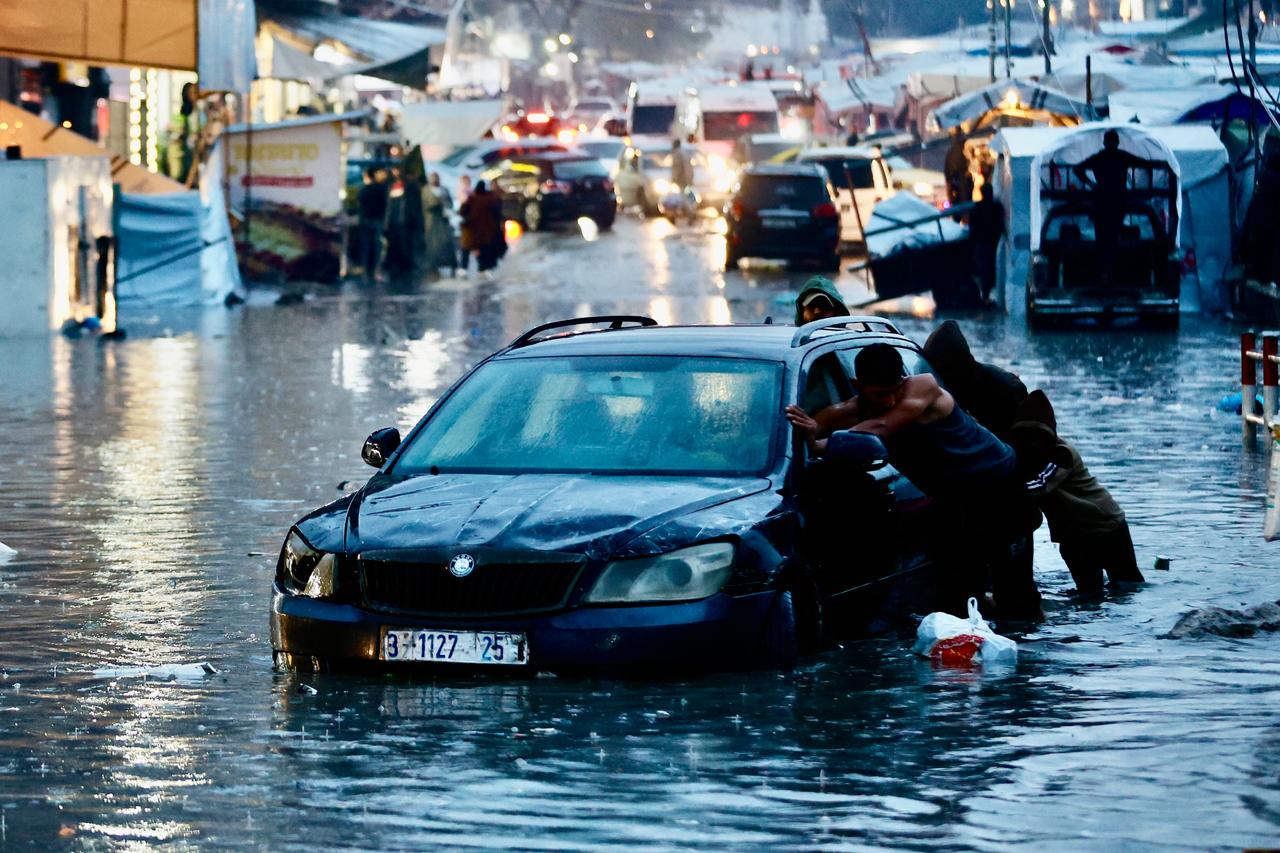


Heavy rainfall triggered by a new low-pressure weather system flooded thousands of tents sheltering displaced Palestinians across the Gaza Strip early Tuesday, while water also leaked into parts of Al-Shifa Hospital in Gaza City, disrupting medical services.
According to an Anadolu correspondent, rainwater leaked into several sections of Al-Shifa Hospital in Gaza City, particularly the reception and emergency departments, disrupting medical services.
Al-Shifa, the largest medical complex in the Gaza Strip, has been subjected to repeated Israeli strikes over the course of two years of genocide and sustained severe damage.
Rehabilitation efforts by Gaza’s Health Ministry following the ceasefire have failed due to Israel’s prevention of the entry of necessary equipment.
Witnesses told Anadolu that thousands of tents sheltering displaced people were also flooded and blown away by strong winds that have been battering the Gaza Strip since Monday evening.
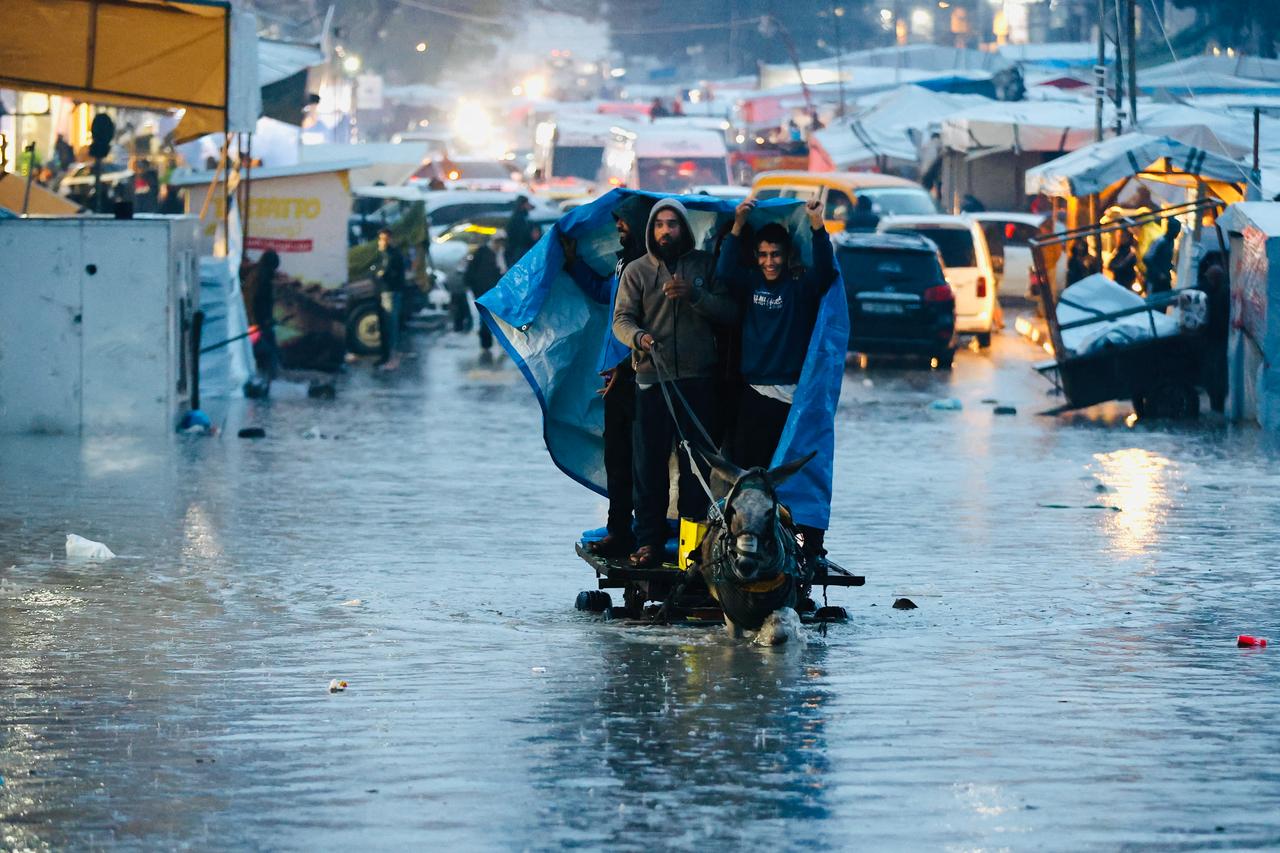

The director of Gaza’s Government Media Office said that more than a quarter of a million displaced people are living in tents and makeshift shelters that offer no protection from rain and cold.
He added that Israel is preventing the entry of 300,000 tents, mobile homes, and emergency relief supplies, despite commitments outlined in the ceasefire agreement.
UNICEF’s spokesperson in Palestine warned of the spread of diseases among children due to harsh weather conditions, while UNRWA renewed its warning that civilian conditions are worsening as a result of shortages in aid and shelter supplies.
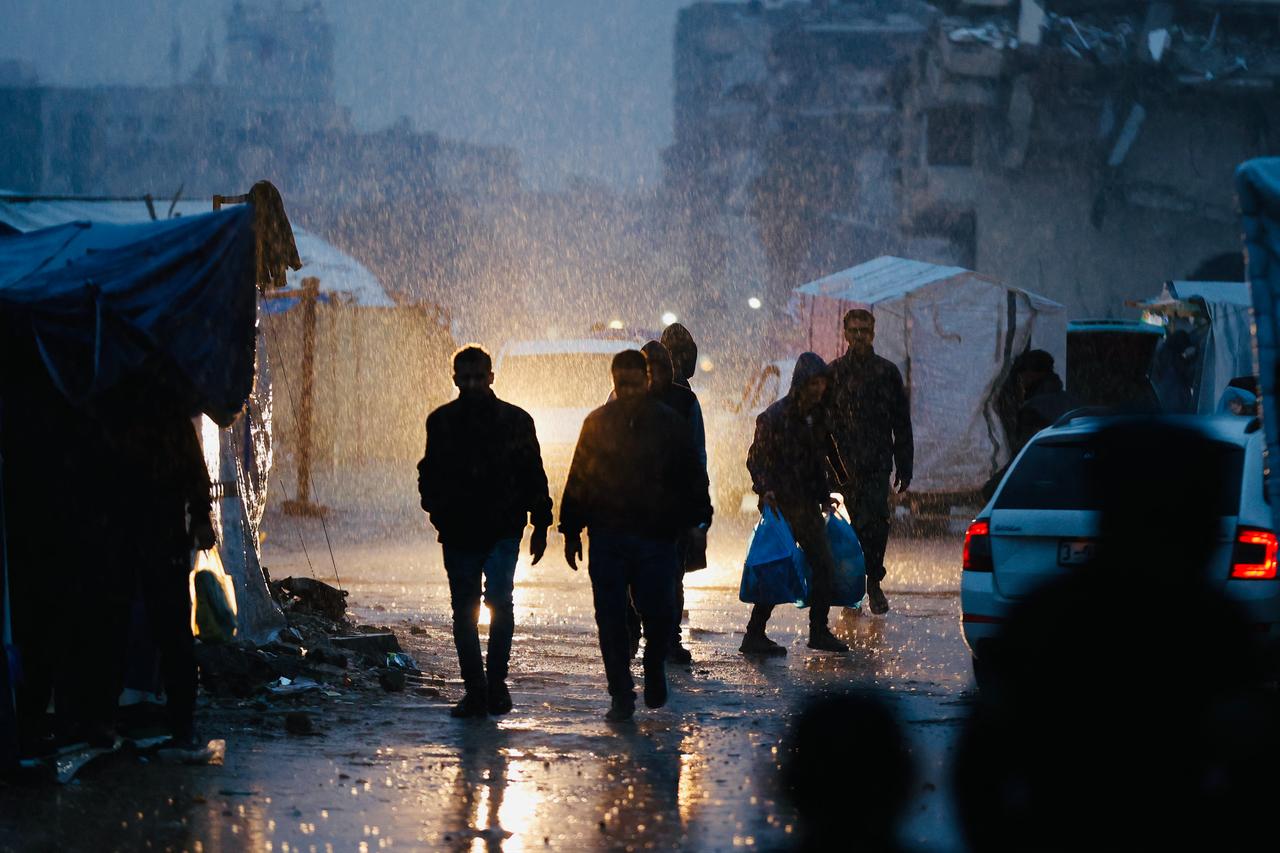
In a related development, eyewitnesses reported that thousands of tents sheltering displaced people were flooded by rainwater, while strong winds blew some of them away along with their contents, leaving many families exposed to the elements under heavy rain.
One displaced person said he woke up with his wife and children submerged in rainwater after their tent was inundated.
Hundreds of Palestinians attempted to seek refuge under parts of buildings destroyed by bombardment, as several areas, including al-Mawasi west of Khan Younis and numerous camps, witnessed widespread flooding.
Yahya al-Siraj, head of the Union of Gaza Strip Municipalities, confirmed that the new weather depression could be harsher than the previous one, warning of serious risks due to widespread destruction, the lack of safe shelter, and the absence of heating means amid shortages of fuel and municipal machinery.
Siraj explained that heavy rainfall and strong winds threaten to flood tents, shelters, and densely populated areas hosting displaced people.
He said working teams are operating around the clock to mitigate the damage, but fuel and equipment shortages are hampering their efforts.
He added that the previous depression caused the collapse of at least 13 already damaged buildings, with Palestinian bodies recovered from under the rubble, and that the new depression has further worsened conditions in tents and shelters.
At least 14 people lost their lives in a winter storm in Gaza last week. More than 53,000 displacement tents were partially or fully flooded, swept away by torrents, or torn apart by strong winds, while 13 buildings collapsed across the territory.
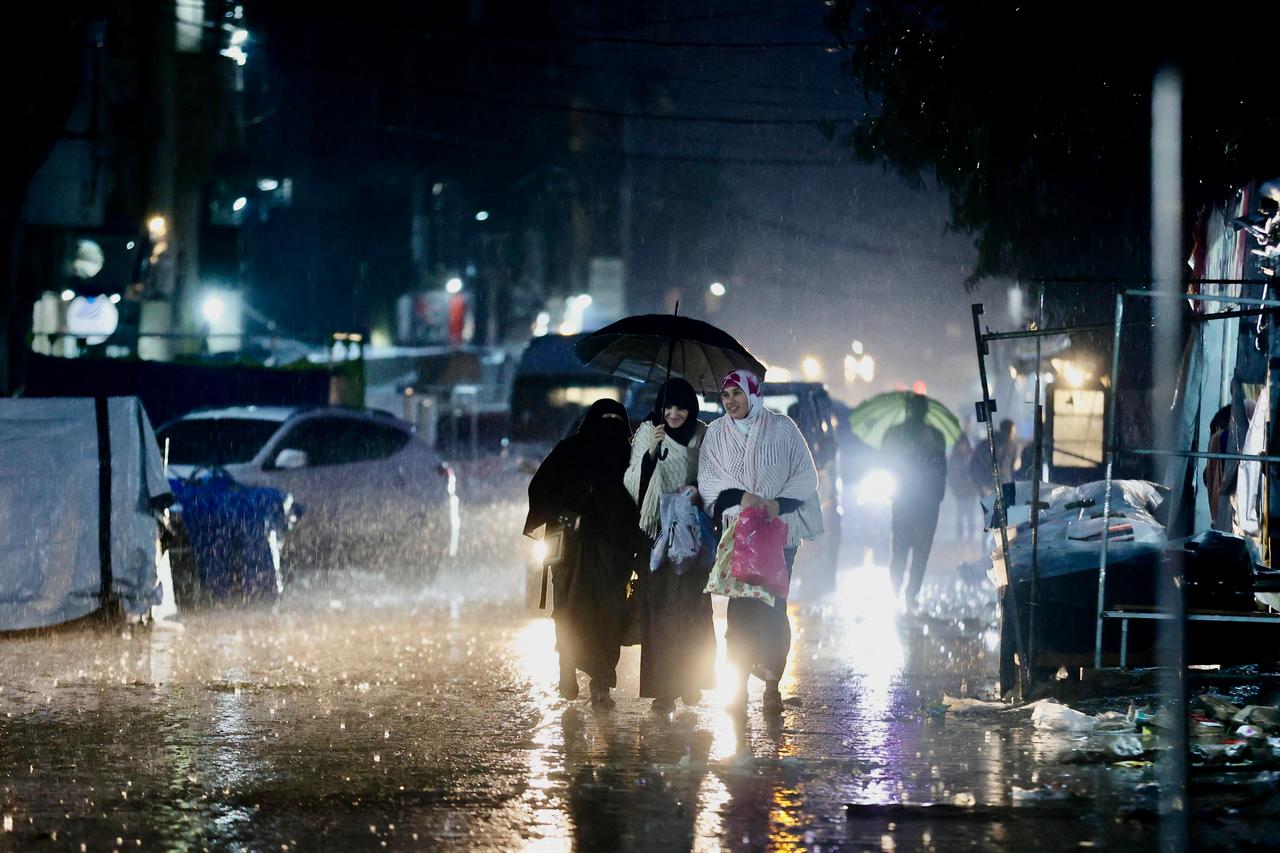
According to the Civil Defense, nearly 250,000 families are currently living in displacement camps across the Gaza Strip, many of them facing cold weather and flooding inside fragile tents.
Although a ceasefire took effect on Oct. 10, living conditions in Gaza have not improved, as Israel continues to impose strict restrictions on the entry of aid trucks, in violation of the humanitarian protocol of the agreement.
Israel has killed more than 70,600 people, mostly women and children, and injured more than 171,100 others in attacks on Gaza since October 2023, which have continued despite the truce.


 Set as preferred source
 Set as preferred source



 3 min read