Sign in
 Newsletters


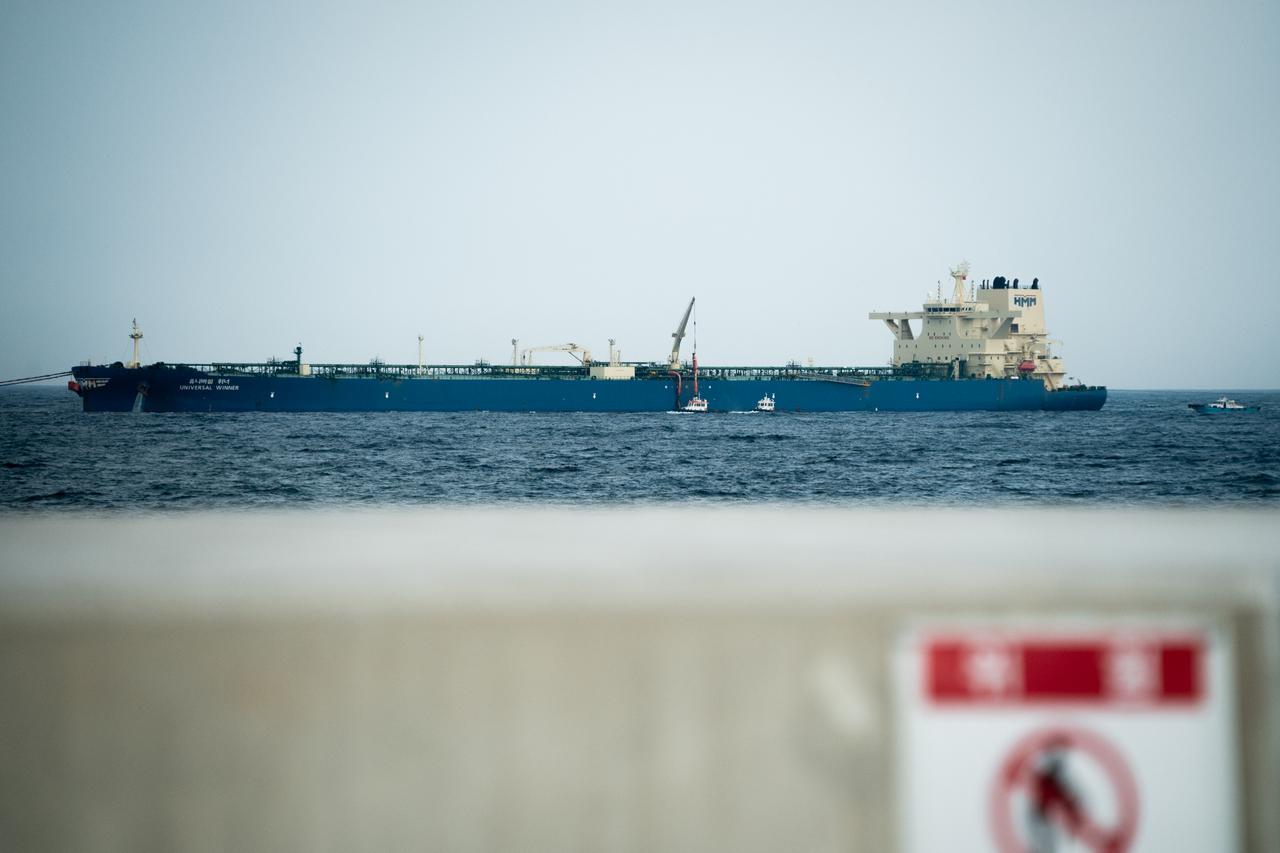


The world could drastically reduce its dependence on the Strait of Hormuz by investing approximately $240 billion in alternative oil pipelines and production facilities, the International Energy Agency (IEA) said in its latest World Energy Outlook report, as the Iran war reshapes global energy markets.
The Paris-based energy watchdog said new pipelines and additional oil production elsewhere could reduce the volume of oil passing through the strait from around 20 million barrels per day before the war to less than 2 million barrels per day by 2035 under a scenario involving prolonged disruption.
"The world can conceivably manage without the strait. It is difficult, but it can happen," IEA Executive Director Fatih Birol said.
The agency estimated that achieving such a shift would require approximately $40 billion in new pipeline infrastructure and another $200 billion in oilfield investments outside the affected supply routes.
Before the conflict, roughly 20% of the world's oil and liquefied natural gas (LNG) supplies passed through the Strait of Hormuz, making it one of the most critical routes for global energy trade.
The disruption caused by the Iran war has triggered what the agency described as one of the largest energy supply shocks in history.
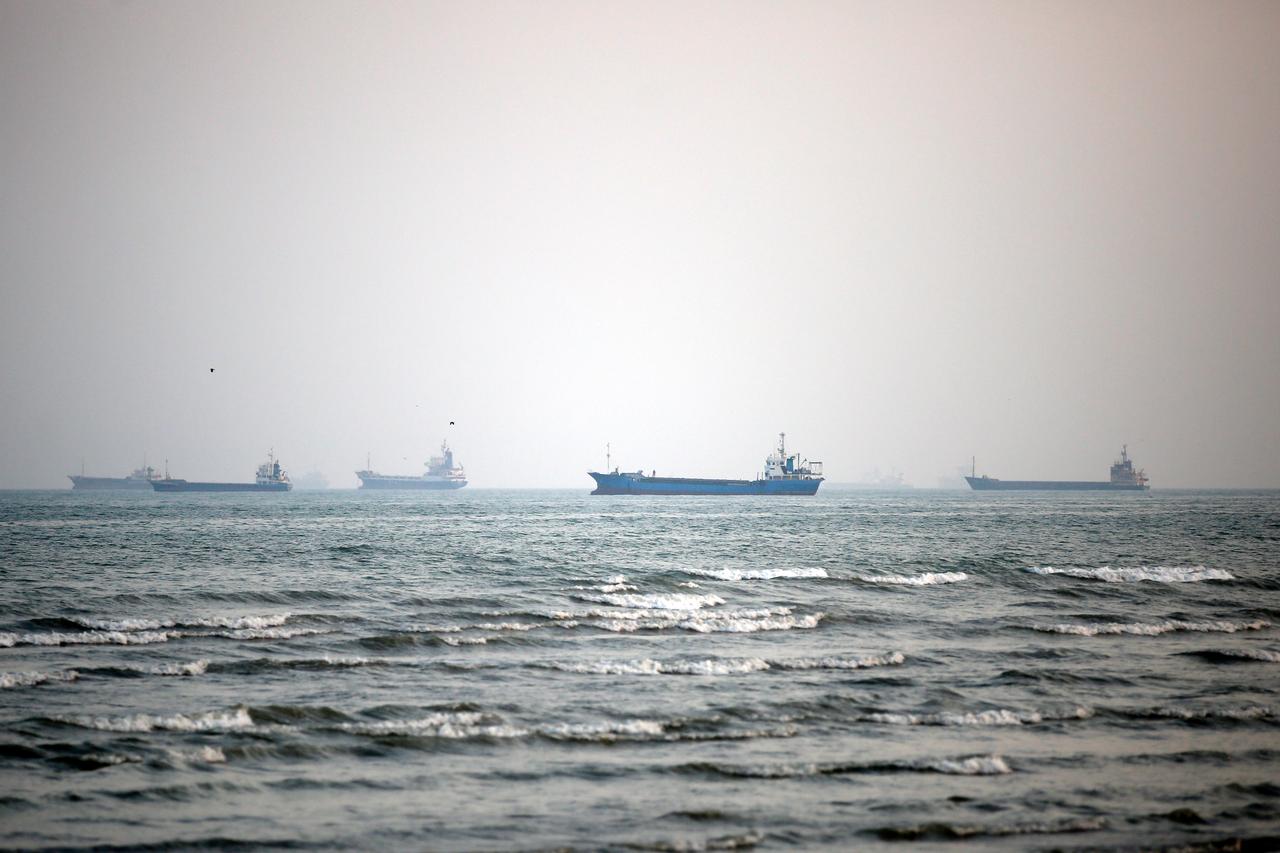

According to the IEA, additional pipelines in Saudi Arabia, the United Arab Emirates and Iraq could expand oil transportation capacity bypassing the strait to approximately 15 million barrels per day.
The agency highlighted Saudi Arabia's East-West pipeline, which allows oil exports to reach the Red Sea without passing through Hormuz.
The pipeline helped Saudi Arabia preserve approximately $60 billion in oil revenue during the first months of the war, according to the IEA.
In a scenario involving prolonged risks to shipping through Hormuz, investments in alternative infrastructure, increased oil production elsewhere and changes in demand could reduce oil flows through the strait to approximately 8.5 million barrels per day by 2030.
By 2035, those flows could fall below 2 million barrels per day.
However, the IEA emphasized that this represented an extreme scenario rather than a forecast of the most likely outcome.
The agency also warned that even under such conditions, the Middle East would remain the world's largest oil-exporting region.
The outlook is more complicated for LNG.
Unlike oil exports, Qatar's LNG shipments have no alternative export route that bypasses the Strait of Hormuz, leaving a major source of global natural gas supply vulnerable to continued disruption.
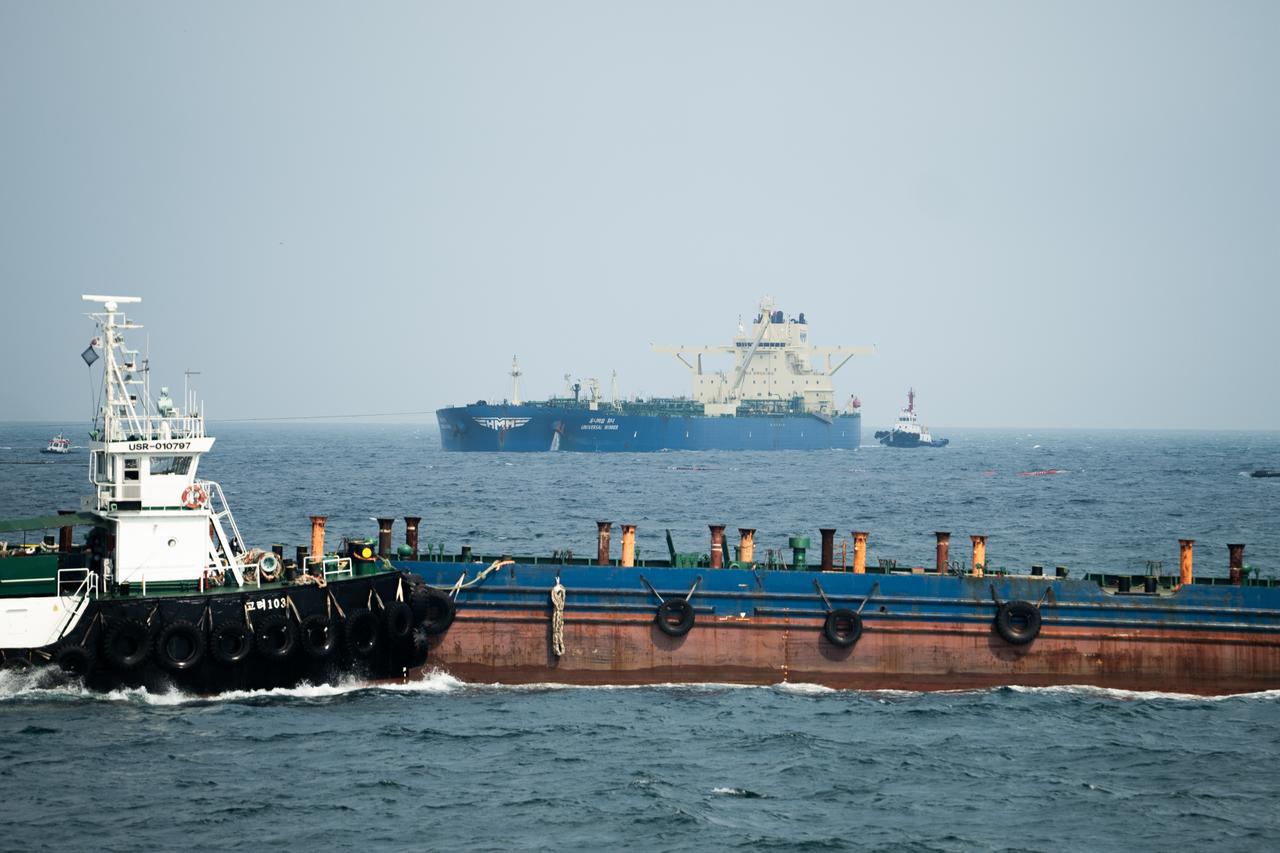
The report warned that the duration of the Middle East conflict would play a decisive role in determining how permanently countries alter their energy strategies.
"I don't see any credible pathway for the energy world to return to the way it was before," Birol said.
The IEA said importing countries were increasingly reconsidering their dependence on foreign oil and natural gas, with some prioritizing domestic energy resources, diversifying supply routes and accelerating electrification.
The shift could benefit renewable energy, particularly solar power, as well as nuclear energy, both of which are expected to expand significantly across the agency's scenarios.
However, energy security concerns could also prolong reliance on coal in parts of Asia, where several major oil and gas importers have substantial domestic coal reserves.
The agency noted that a lasting resolution to the conflict could eventually allow oil and gas supplies to recover, potentially creating downward pressure on prices.
At the same time, structural changes in energy demand could permanently alter the outlook for fossil fuels.
The energy crisis is also accelerating the transition toward greater electricity use across the global economy, according to the IEA.
Since 2019, global electricity demand has grown faster than the world economy and at twice the rate of overall energy demand.
The increase has been driven by electric vehicles, heat pumps, air conditioning, industrial electric motors, household appliances and data centers.
The agency expects electricity demand to grow even faster through 2035, with electricity's share of global final energy consumption approaching 30% across the scenarios examined.
Rising temperatures are also changing energy consumption patterns, with demand for cooling buildings estimated to have surpassed demand for heating them for the first time.
The IEA said higher fossil fuel prices and supply uncertainties were encouraging some countries to accelerate purchases of electric technologies, solar panels and batteries.
But the crisis could also threaten progress in expanding access to electricity and clean cooking technologies, particularly in developing and emerging economies facing higher energy costs.
Despite the potential acceleration in clean energy adoption, the IEA warned that current and announced policies still put the world on a pathway toward approximately 2.5 to 2.9 degrees Celsius of global warming, far above the Paris Agreement's 1.5-degree target.
Birol cautioned governments against replacing one form of energy dependence with another as they reconsider their supply strategies.
He said countries could pursue different approaches based on their own resources and economic circumstances but shared an interest in building more secure, affordable and sustainable energy systems.
The IEA stressed that its scenarios were not predictions, but illustrations of how different policy choices and market developments could reshape the global energy system.
For governments facing the consequences of disrupted supplies through Hormuz, the report suggested that decisions made during the current crisis could influence energy security, investment and consumption patterns for decades.


 Set as preferred source
 Set as preferred source


 1 min read
 1 min read