Newsletters




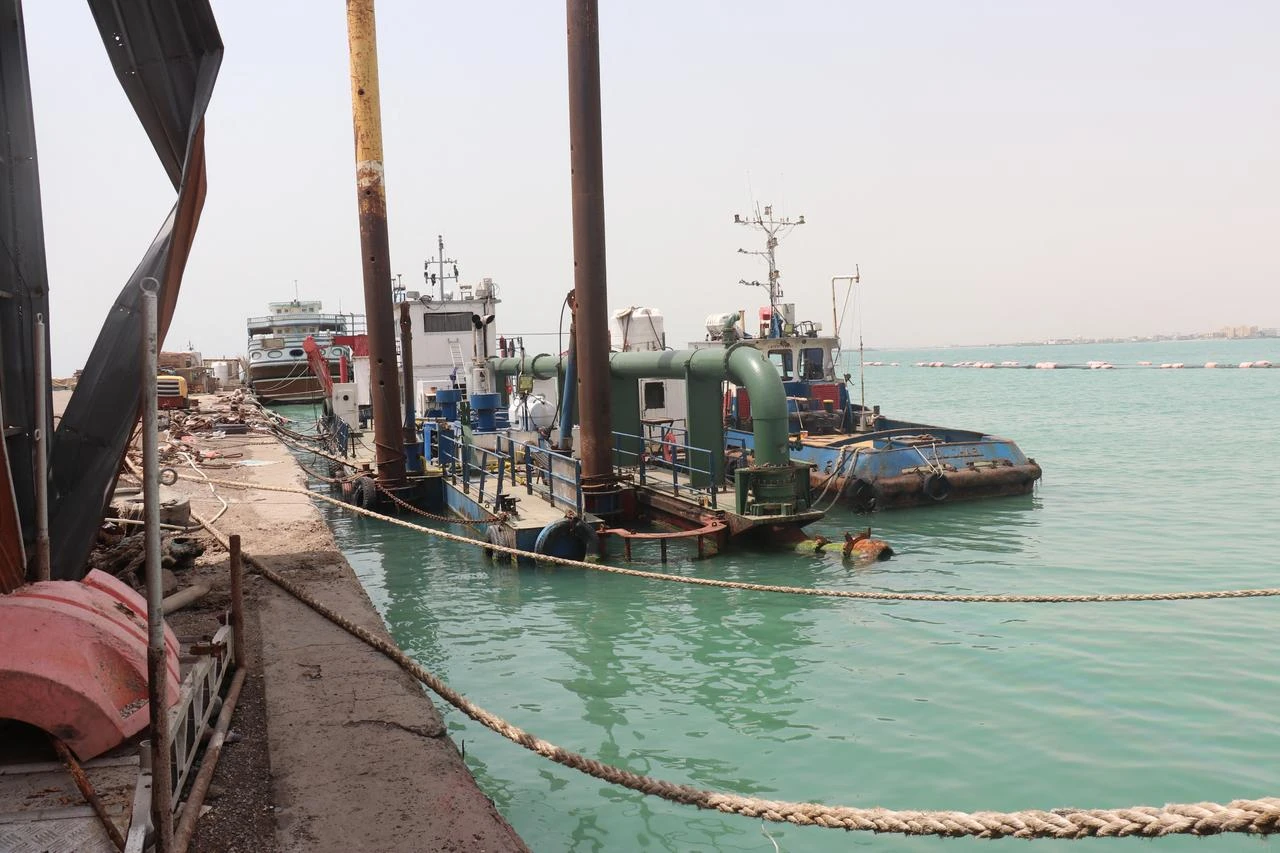
Disruptions in tanker traffic through the Strait of Hormuz caused by the war in the Middle East could temporarily halt about 9.9 million barrels per day of liquid fuel production in Gulf countries in March, according to the International Energy Agency.
The International Energy Agency said the conflict in the Middle East has effectively stopped tanker traffic through the Strait of Hormuz, leading to a sharp decline in global oil supply this month.
According to the agency's Oil Market Report, if tanker transit through the strait does not return to normal soon, around 7.9 million barrels per day of crude oil production and a total of 9.9 million barrels per day of liquid fuels could be suspended in Gulf countries in March.
The Strait of Hormuz is one of the world's most critical energy transit routes, with about 20 million barrels per day of crude oil and petroleum products transported through the waterway in 2025.
Since the start of the war, shipments through the strait have fallen to less than 10 percent of pre-crisis levels.
The disruption has forced widespread production cuts among oil-producing countries in the Gulf, with some oil fields shutting down entirely.
The agency said alternative export routes offer only limited flexibility if tanker traffic through the strait does not resume soon.
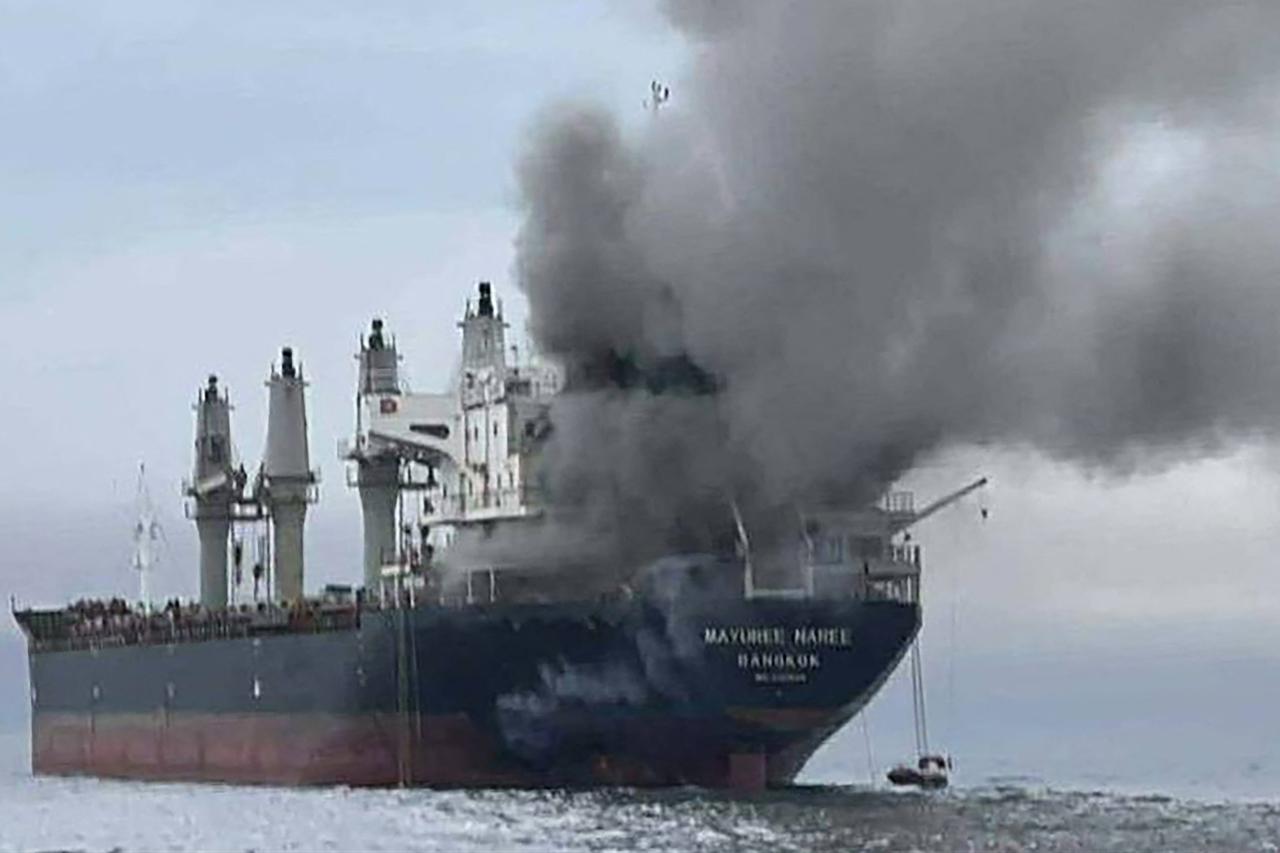

The report said global oil supply is expected to drop by about 8 million barrels per day this month to 98.8 million barrels per day, the lowest level since the first quarter of 2022.
Losses caused by disrupted shipments from the Gulf are partly offset by production recovery in North America following winter weather and the resumption of supplies from Kazakhstan and Russia after earlier disruptions in February.
However, the report said uncertainty remains high because there are no signs of easing in the conflict or a clear timeline for restoring flows through the Strait of Hormuz.
Global oil supply rose by about 380,000 barrels per day in February to reach 106.87 million barrels per day, according to the report.
OPEC crude production increased by about 340,000 barrels per day compared with the previous month to 29.63 million barrels per day.
OPEC natural gas liquids production also rose by 40,000 barrels per day to 5.75 million barrels per day, bringing the group's total oil supply to 35.38 million barrels per day.
Oil production from non-OPEC countries increased by about 10,000 barrels per day during the same period to around 71.5 million barrels per day.
The agency forecasts global oil supply will rise by 1.11 million barrels per day this year to average 107.23 million barrels per day.
The IEA also revised down its global oil demand growth forecast for this year by 205,000 barrels per day.
Global demand is now expected to increase by about 644,000 barrels per day compared with last year to reach 104.766 million barrels per day.
In its previous report, the agency had forecast demand growth of about 849,000 barrels per day, with total consumption reaching 104.872 million barrels per day.
The agency also reduced its oil demand growth forecast for March and April by about 1 million barrels per day compared with last month's estimate due to the U.S.-Israel and Iran war.
The report said widespread flight cancellations in the Middle East and major disruptions to LPG supplies contributed to the lower demand projections.
Rising oil prices and uncertainty surrounding the global economy also pose additional risks to the forecasts.
Demand in non-OECD countries is expected to increase by about 684,000 barrels per day this year to reach 58.924 million barrels per day, while demand in OECD countries is projected to fall by about 40,000 barrels per day to 45.843 million barrels per day.


 Set as preferred source
 Set as preferred source


 1 min read

 1 min read