

 Newsletters




As the war in Yemen returns to the center of regional security debates, Ankara faces a pivotal question: does safeguarding its national interests and regional partners now require Türkiye to assume a more expansive strategic role?
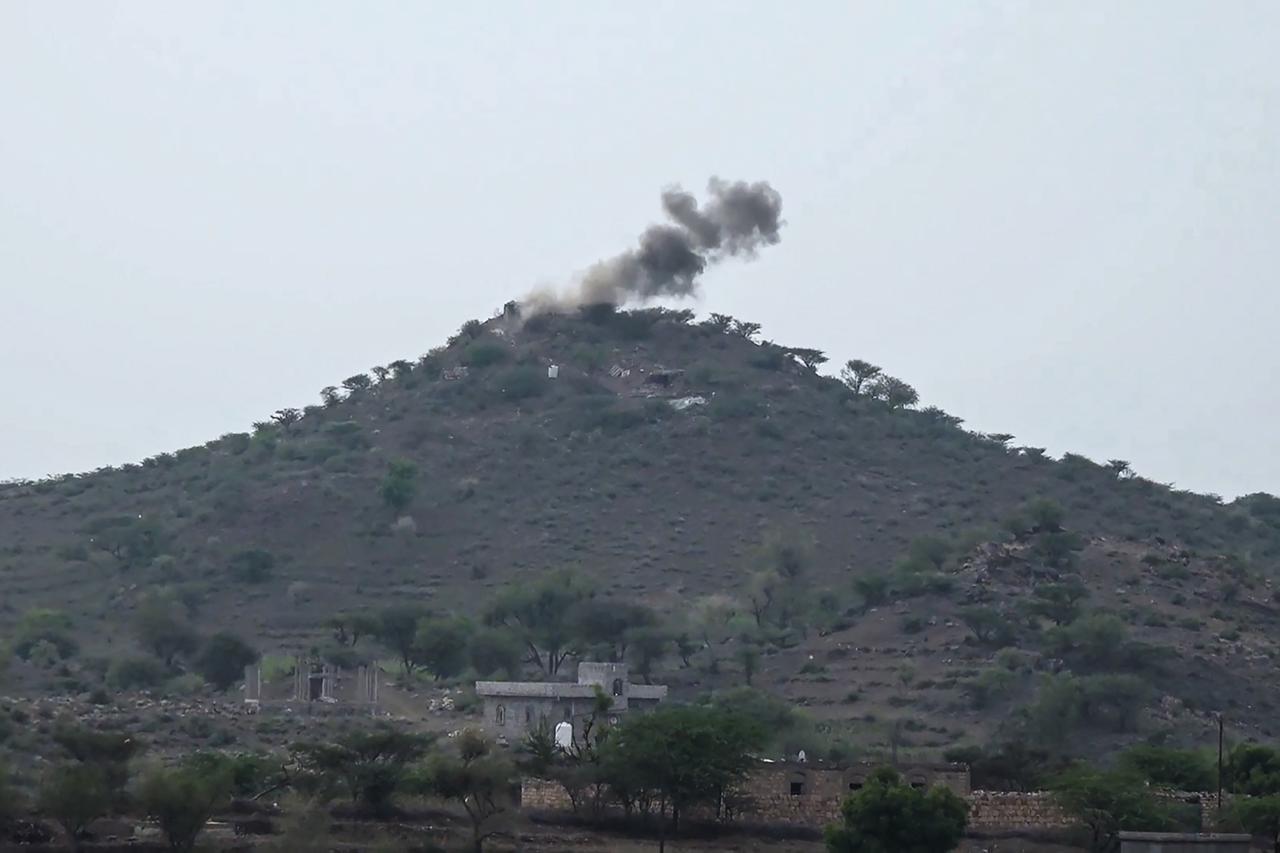
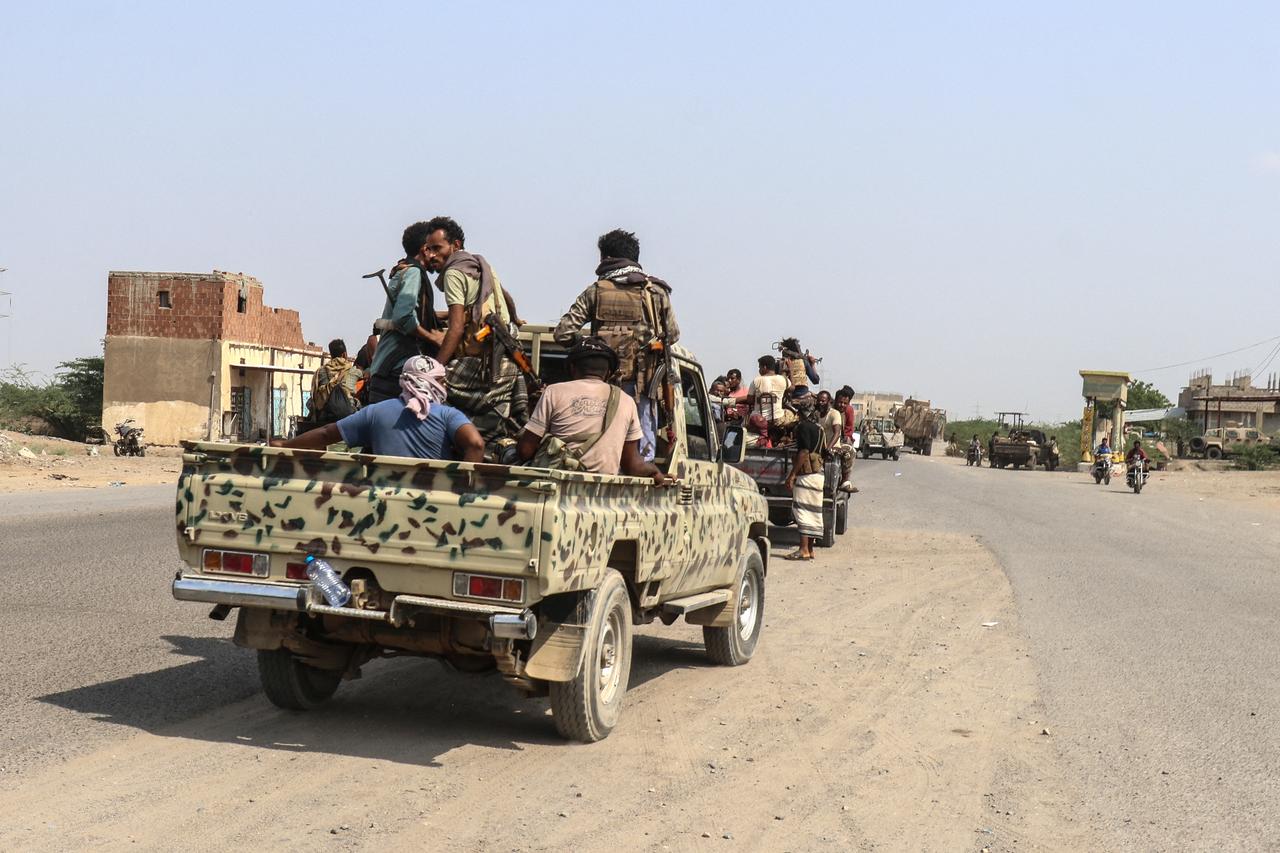
The Houthis’ recent advances along the Red Sea coast, their capture of strategic areas around the Bab el-Mandeb Strait, and their increased missile and drone attacks against Saudi Arabia are pushing Riyadh to seek new security arrangements.
Reports that Saudi air defense stocks have come under pressure in recent months, together with Riyadh’s search for support from its allies, have once again brought Türkiye’s potential role into the spotlight.
So what would happen if Türkiye were to support Saudi Arabia solely in the field of air defense, without directly participating in offensive operations?
For example, what would be the consequences if Turkish warships were deployed in the Red Sea, Turkish radars provided early warning, or Turkish air defense systems were used to intercept missiles and drones targeting Saudi cities?
The first issue to consider is Iran.
Relations between Ankara and Tehran have historically followed a complex course, combining competition and cooperation. Particularly following the 12-Day War and the subsequent Iran-U.S. war, the Houthis have become one of the most important elements of Iran’s regional influence network.
The Houthis are no longer merely an Iranian-backed group controlling northern Yemen. They have also become an actor capable of exerting pressure on Saudi Arabia, the Red Sea, and global energy routes, while serving as a complementary actor to the strategic pressure Iran is seeking to establish in the Strait of Hormuz.
It is precisely at this stage that Türkiye, Pakistan, and Saudi Arabia signed the Mecca Pact. Although the pact has not yet been ratified by the Turkish Parliament, it has placed Yemen at the center of global debate.
However, Türkiye has no intention of becoming involved in the fighting inside Yemen. Ankara believes that if Türkiye becomes part of offensive operations against the Houthis, Iran could interpret this as a direct move against its sphere of influence.
By contrast, a purely defensive role, such as providing air defense support to protect Saudi bases, refineries, and cities, could elicit a more limited response from Tehran.
Still, Iran is not expected to remain completely indifferent. After all, air defense would also mean neutralizing the Houthis’ most important instrument of pressure. The more unsuccessful Houthi missile and drone attacks become, the more Iran’s deterrence capacity would be weakened.
The most likely scenario, therefore, is not that Iran would sever relations with Türkiye, but rather that it would respond diplomatically, reduce cooperation on certain regional issues, and increase political pressure on Ankara.
Iran has already significantly lost some of the tools available to it for retaliation as a result of developments in Syria, the war, and sanctions. The more important issue, however, is Somalia.

At first glance, Yemen and Somalia may appear to have no direct connection.
Yet when the map and various reports are considered, a different picture emerges. Somalia is one of the two strategically important countries on the opposite side of the Bab el-Mandeb Strait, which the Houthis have seized.
Türkiye’s largest overseas military base is the TURKSOM facility in Mogadishu, and Ankara has in recent years become one of the most important external actors in Somalia’s security architecture. Türkiye is not only providing military training but is also expanding its influence and cooperation in maritime security and defense.
For this reason, some observers believe that Iran could seek to pressure Türkiye through Somalia. Is such a risk scenario theoretically possible? Yes. Although the likelihood of it materializing is low, it is possible.
Iran has sought to establish influence in the Horn of Africa in the past. Until the transformation in Yemen, this process unfolded as a low-intensity and often difficult-to-detect struggle stretching from Somalia to Niger.
During Iran’s anti-U.S. activities, this process involved contacts with al-Shabaab in Somalia, as well as the unusual relationship between al-Qaida and Iran. In recent years, according to U.N. Security Council reports and independent assessments, the level of communication and cooperation between al-Shabaab and the Houthis has also increased.
From this perspective, if Türkiye becomes involved in the Yemen crisis inside Saudi Arabia for defensive purposes, the response may not come directly from Iran or from Tehran’s traditional proxy forces.
The main actor threatening Türkiye’s presence in Somalia would not necessarily be directly backed by Iran either. Although it is known that Tehran does not currently have sufficiently strong local networks in Somalia to impose high costs on Türkiye, al-Shabaab could see an opportunity here because of its past relationship with Iran.
Türkiye’s presence in the region could therefore become a symbolic target for al-Shabaab. However, these are risk scenarios. Even in the most concrete scenario, the risk would increase and require attention, but it is not currently possible to say that it would reach a critical level.
The energy dimension, however, is clearer.
Energy markets are already under pressure because of the war involving Iran. In addition, Ukrainian attacks on Russian energy infrastructure have triggered concerns over global oil supply security and the diesel price crisis.
In such an environment, a new military escalation originating from Yemen is a realistic concern that is currently just below the surface, waiting to emerge, with the potential to put upward pressure on prices.
While Türkiye’s defense support may fan regional tensions in the short term, safeguarding Saudi energy infrastructure and curbing Houthi strike capabilities could ultimately stabilize energy markets over the medium term.
Türkiye’s provision of air defense-focused support to Saudi Arabia would create a certain degree of tension in relations with Iran. However, it would not be logical to expect this to reach the level of a strategic rupture, at least from Tehran’s perspective.
Such cooperation could create indirect risks for Türkiye’s presence in Somalia, but additional factors would have to come into play for it to pose a direct and serious threat. In terms of energy markets, the risk premium would rise in the short term. However, if the support succeeds in protecting Saudi energy infrastructure, it could instead have a stabilizing effect in the medium term.
In today’s Middle East, there is an important distinction between providing military support and becoming a party to a war. For Türkiye, the critical issue is precisely where that line is drawn.


 Set as preferred source
 Set as preferred source


 2 min read
 1 min read


