Newsletters


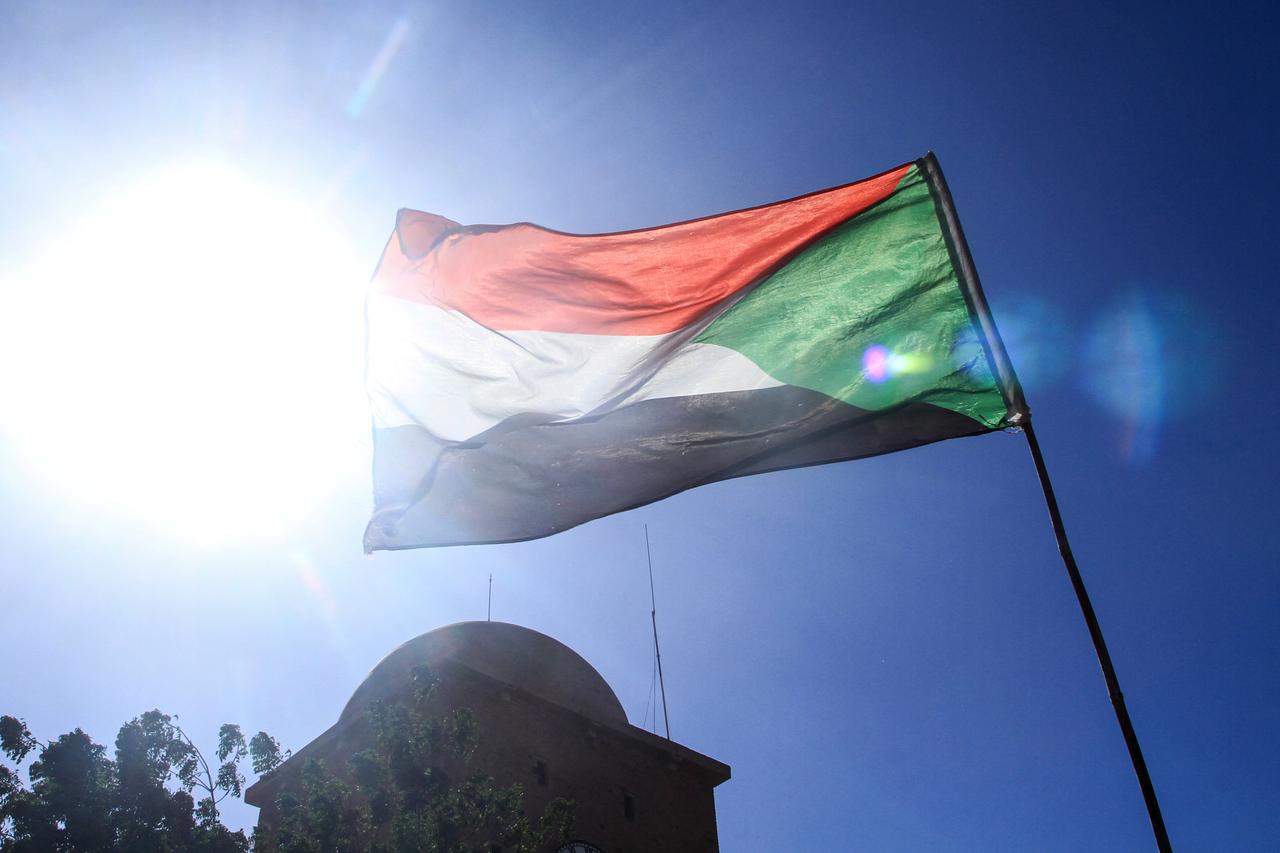


A research lab at Yale University says tens of thousands of civilians have been killed during Sudan’s two-year war and plans to release a report documenting at least 140 sites suspected to be mass graves, particularly in the city of El Fasher.
The lab said it plans to release a report next week documenting at least 140 sites suspected to be mass graves or locations where the bodies of those killed were gathered, particularly in the city of El Fasher.
Nathaniel Raymond, director of Yale University’s Humanitarian Research Lab, said the Rapid Support Forces are carrying out systematic operations to remove evidence, noting that his team observed a brigade-sized force working to clear human remains.
He added that these movements are taking place amid the near-total disappearance of civilian life, with no markets, no water points, and no transportation activity within the affected areas.
Raymond stressed that the clear objective of these operations is the rapid disposal of as much evidence as possible before any independent body reaches the city.
In the same context, Sudan’s North, South, and West Kordofan states have witnessed intense military escalation in recent weeks, with the widespread use of drones by both sides of the conflict.
The Kadugli area has been under a siege imposed by the Rapid Support Forces and their allies for more than a year, leading to a worsening humanitarian situation and the spread of epidemics, including cholera.
In a related development, Britain has imposed sanctions on senior commanders of Sudan’s Rapid Support Forces, accusing them of involvement in mass killings, systematic sexual violence, and deliberate attacks on civilians in Sudan.
The sanctions targeted Abdul Rahim Dagalo, deputy commander of the Rapid Support Forces; Maj. Gen. Jedo Hamdan, commander of the North Darfur sector; commander Tijani Ibrahim Moussa; and al-Fateh Abdullah Idris, known as Abu Lulu.
The United States also imposed sanctions last week on a transnational network that recruits former Colombian military personnel and trains fighters, including children, to fight alongside the Rapid Support Forces.
In a statement, the U.S. Treasury Department said it imposed sanctions on four individuals and four entities within the network, which it said is made up largely of Colombian nationals and companies.
Of Sudan’s 18 states, the Rapid Support Forces control all five states of the Darfur region in the west, except for some northern parts of North Darfur that remain under army control.
The army, in turn, holds most areas of the remaining 13 states in the south, north, east, and center, including the capital, Khartoum.
The conflict between the Sudanese army and the Rapid Support Forces, which began in April 2023, has since killed thousands of people and displaced millions of others.


 Set as preferred source
 Set as preferred source


 2 min read