Newsletters


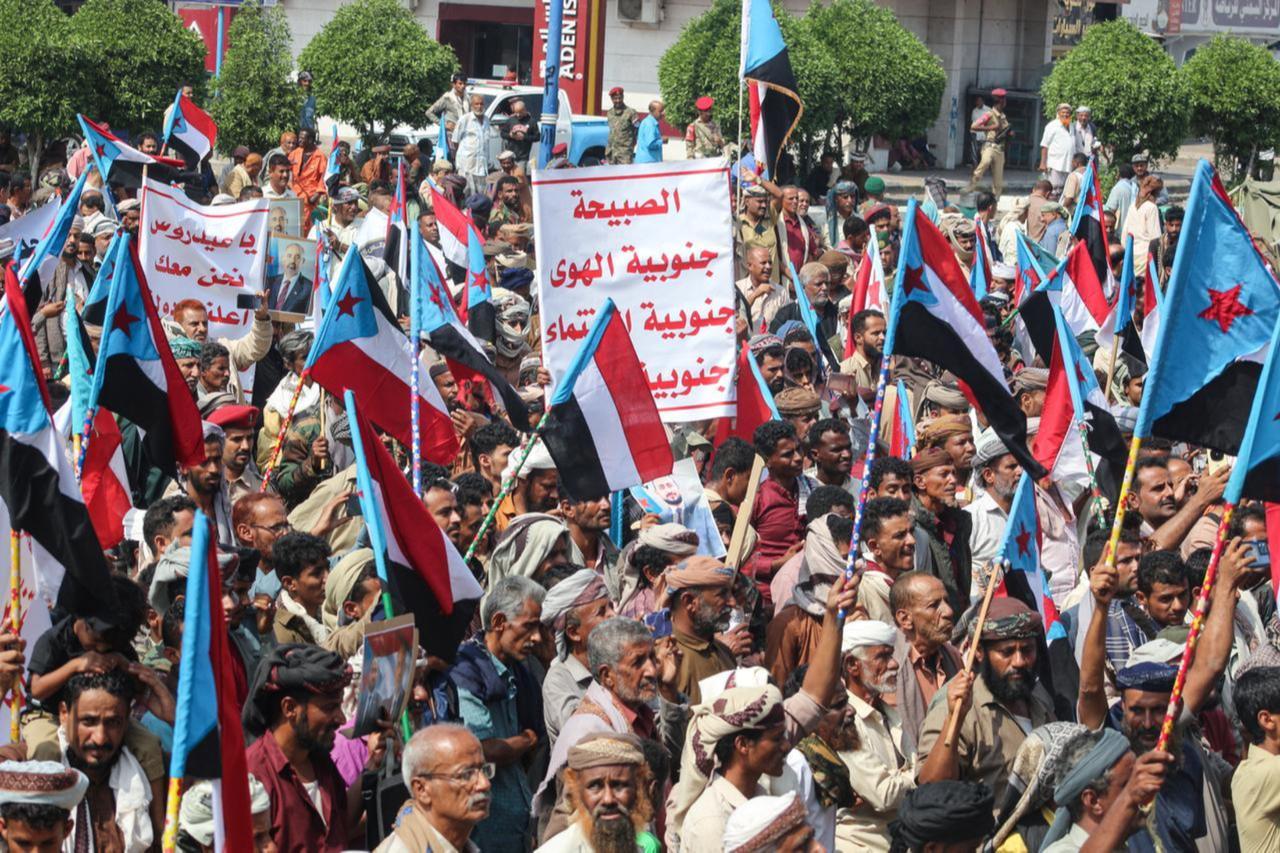


The Yemeni government has accused the United Arab Emirates-backed Southern Transitional Council of restricting freedom of movement and detaining travelers, including patients and students, attempting to enter the interim capital of Aden.
According to Yemen's official news agency SABA, citing an unnamed official from the Presidential Leadership Council, Southern Transitional Council forces have prevented citizens from other parts of the country from passing through the city's main entry points into Aden.
The government characterized such practices as a clear violation of the constitution and contrary to all agreements made during the transitional process, particularly the Riyadh Agreement. Officials emphasized that all Yemenis should enjoy citizenship rights without discrimination, rejecting regional discrimination and calling for an end to practices that undermine civilians' basic rights.

The restriction of travel freedom and detention of passengers, including families, patients and students, contravenes both Yemeni laws and international human rights conventions, the government said. Officials warned that such measures damage social cohesion and deepen humanitarian problems amid already difficult economic conditions.
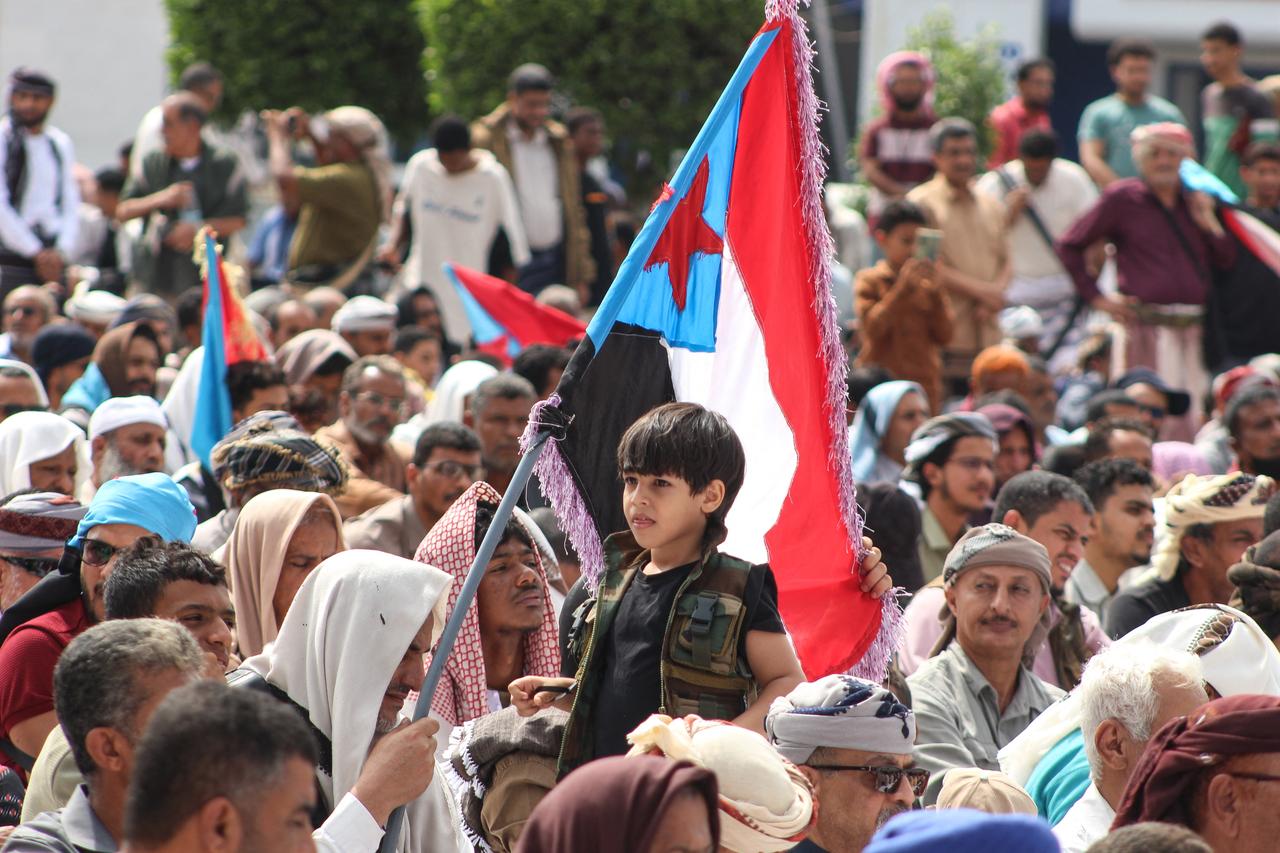
The Southern Transitional Council is a separatist movement seeking independence for southern Yemen. It has received backing from the UAE and controls significant territory in the south, often operating independently from the internationally recognized government.
In early December, forces loyal to the UAE-backed separatist Southern Transitional Council expanded their military presence in eastern governorates through military operations. The Saudi-led Arab Coalition struck UAE military vehicles on December 30.
The Yemeni government subsequently announced the cancellation of a joint defense agreement signed with the UAE, which maintains military forces in the country. Riyadh, acting on the Yemeni government's request, called on the UAE to withdraw its forces from Yemen within 24 hours.
Following the tensions with Saudi Arabia, the UAE announced it was voluntarily dissolving its "counterterrorism" teams operating in Yemen.
On Jan. 2, military positions in Hadramawt governorate captured by Southern Transitional Council forces in December came under airstrikes. The council, claiming the attacks were conducted by Saudi Arabia, declared a two-year transitional period "for independence."
The Riyadh Agreement, signed in 2019, was meant to end power struggles between the internationally recognized government and the Southern Transitional Council by integrating separatist forces into government institutions. However, implementation has repeatedly stalled amid continued tensions over control of southern territories.


 Set as preferred source
 Set as preferred source


 1 min read


 1 min read