Newsletters


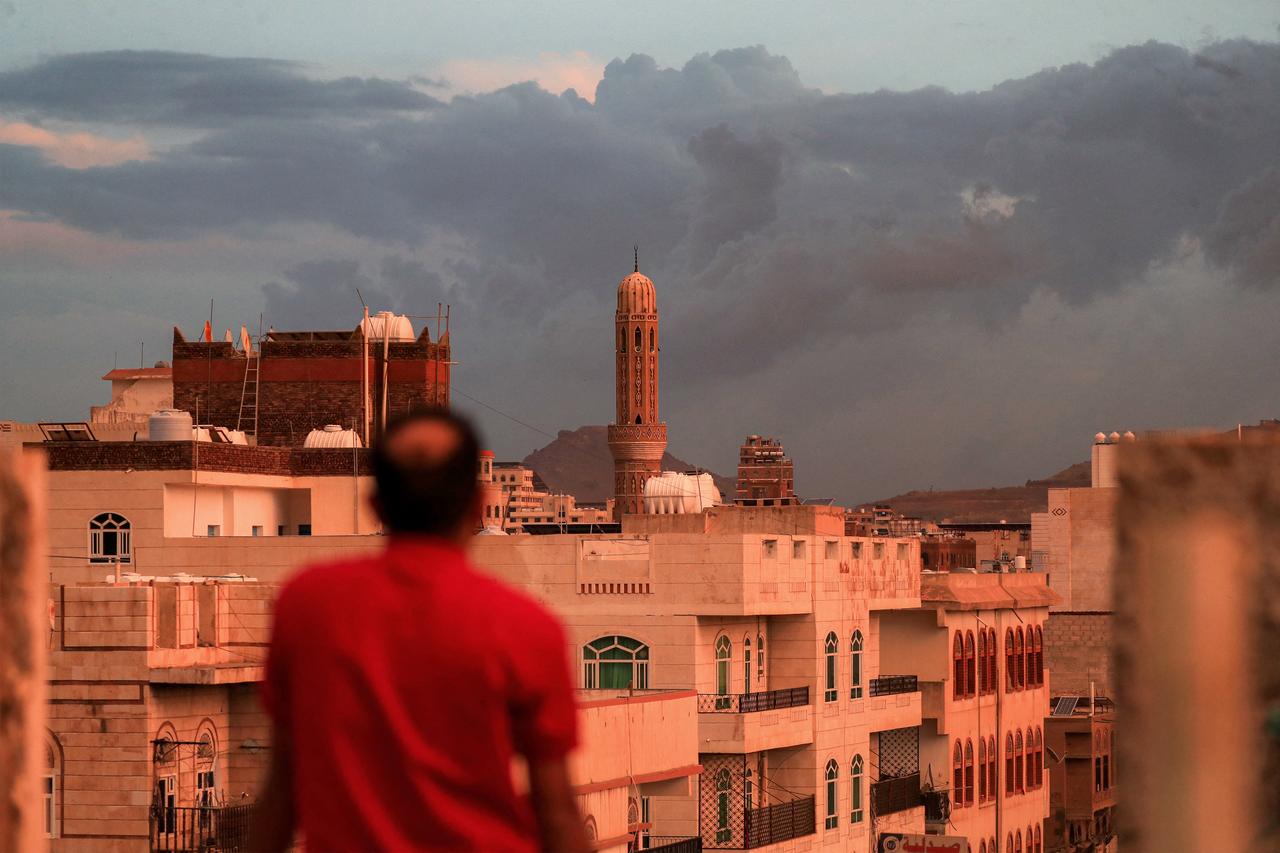


Yemen’s hospitals are struggling to cope with a growing number of war-wounded patients from the country’s civil conflict, the International Committee of the Red Cross said Wednesday, warning that the fragile health system is facing critical shortages.
“Hospitals and health facilities are overwhelmed,” the ICRC said, citing an “unprecedented surge” in weapon wounds.
Yemen’s civil war, in which a Saudi-led military coalition supports the government against the Iran-backed Houthis, reignited in July amid a wider regional conflict.
“Trauma care staff are under enormous pressure,” said Feras Abusamra, the ICRC’s health coordinator.
“Only a small proportion of Yemen’s functioning health facilities have the capacity to provide comprehensive trauma care, while frontline hospitals are receiving large numbers of wounded people with limited supplies of surgical materials, anaesthetics, oxygen and medicine,” he said.
“Health workers are having to treat these emergencies while continuing to provide essential care for mothers, children and patients with chronic diseases,” he added.
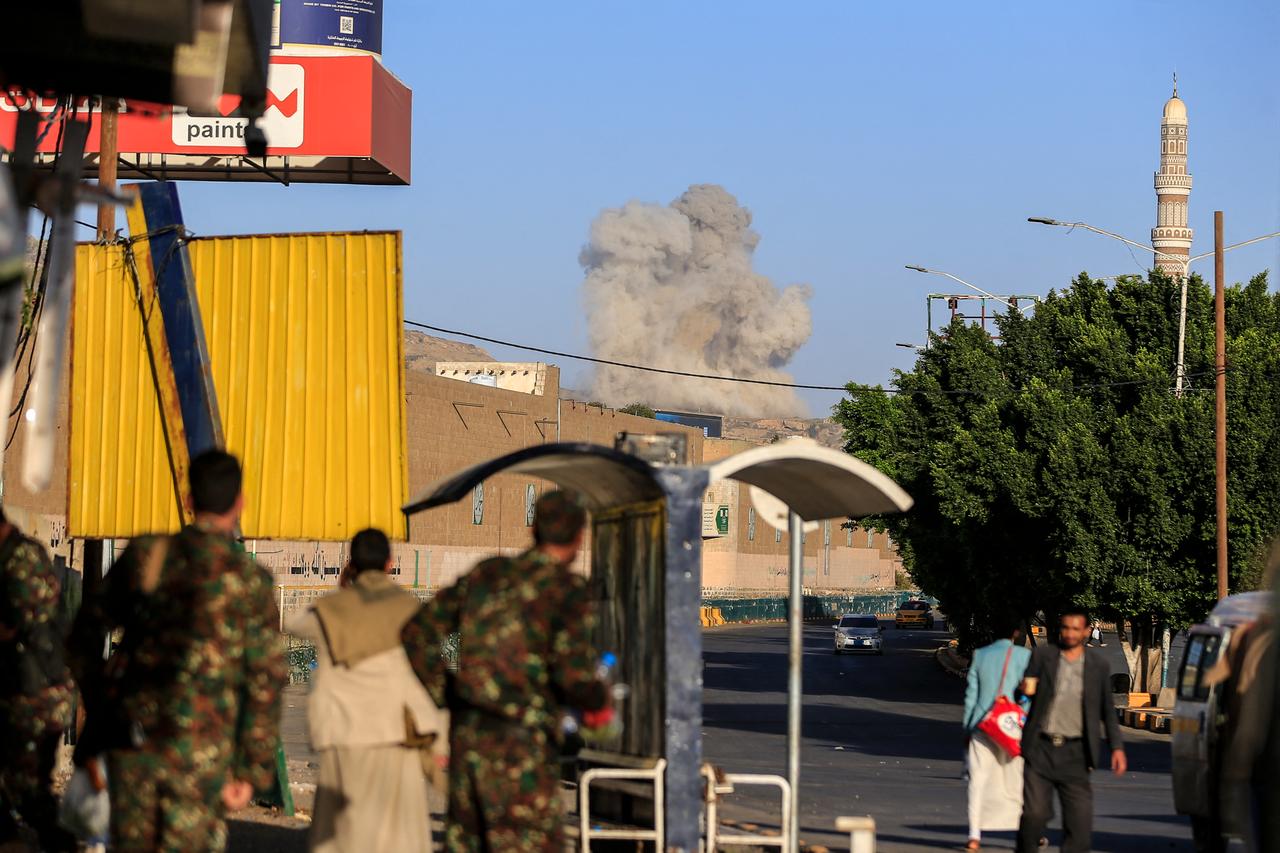

The ICRC said that since the escalation began, it has brought in more than 500 tons of life-saving medical supplies.
It has also provided emergency support, along with prosthetic and rehabilitation services for people who have lost limbs.
“Our concern is that the system may have little capacity left to absorb a major surge in casualties,” said Christine Cipolla, head of the ICRC’s delegation in Yemen.
 2 min read
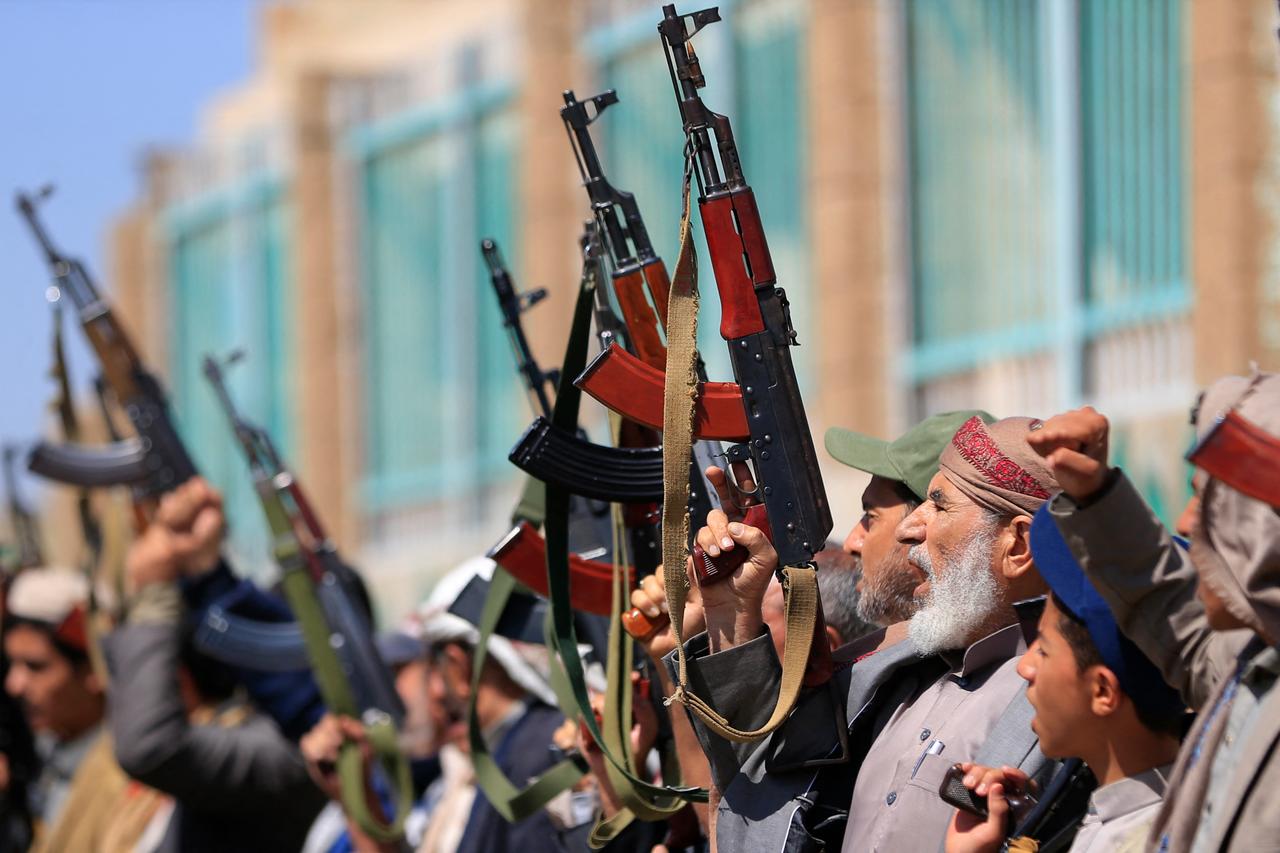
The U.N. World Food Program warned that the fighting had cut off its access to 800,000 people.
The agency said shifting front lines were restricting life-saving humanitarian aid, especially to Taiz, Yemen’s third-largest city.
“The loss of access is especially alarming given that Taiz has some of the country’s highest levels of food insecurity,” WFP said in a statement.
Across Yemen, more than 18 million people face acute food insecurity, while about 2.2 million children under the age of 5 are acutely malnourished, the agency said.
“This is the kind of situation that can rapidly spiral into a humanitarian catastrophe,” said El-Khidir Daloum, WFP’s country director in Yemen.
WFP said it needs $268 million to sustain emergency food assistance and critical humanitarian logistics services in Yemen through 2027.


 Set as preferred source
 Set as preferred source



 1 min read