Newsletters


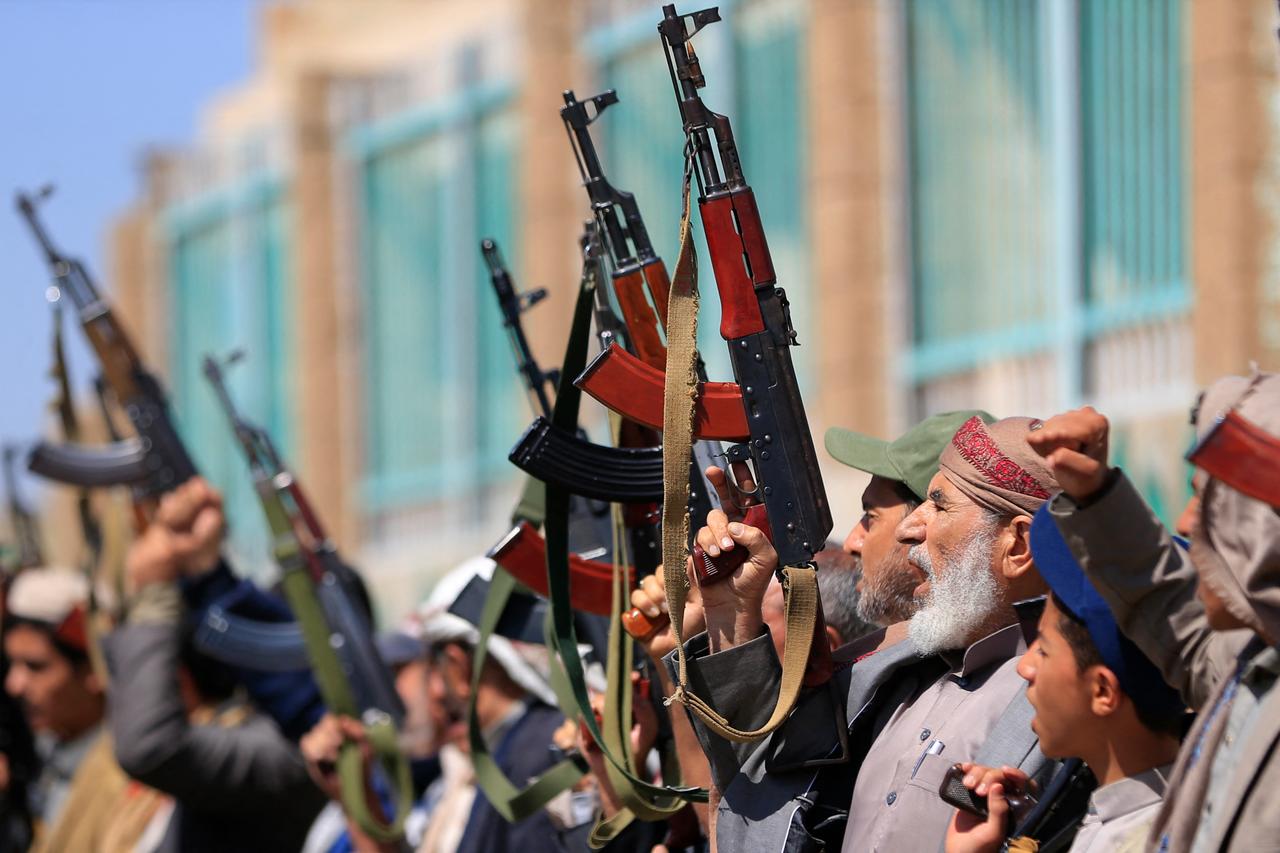


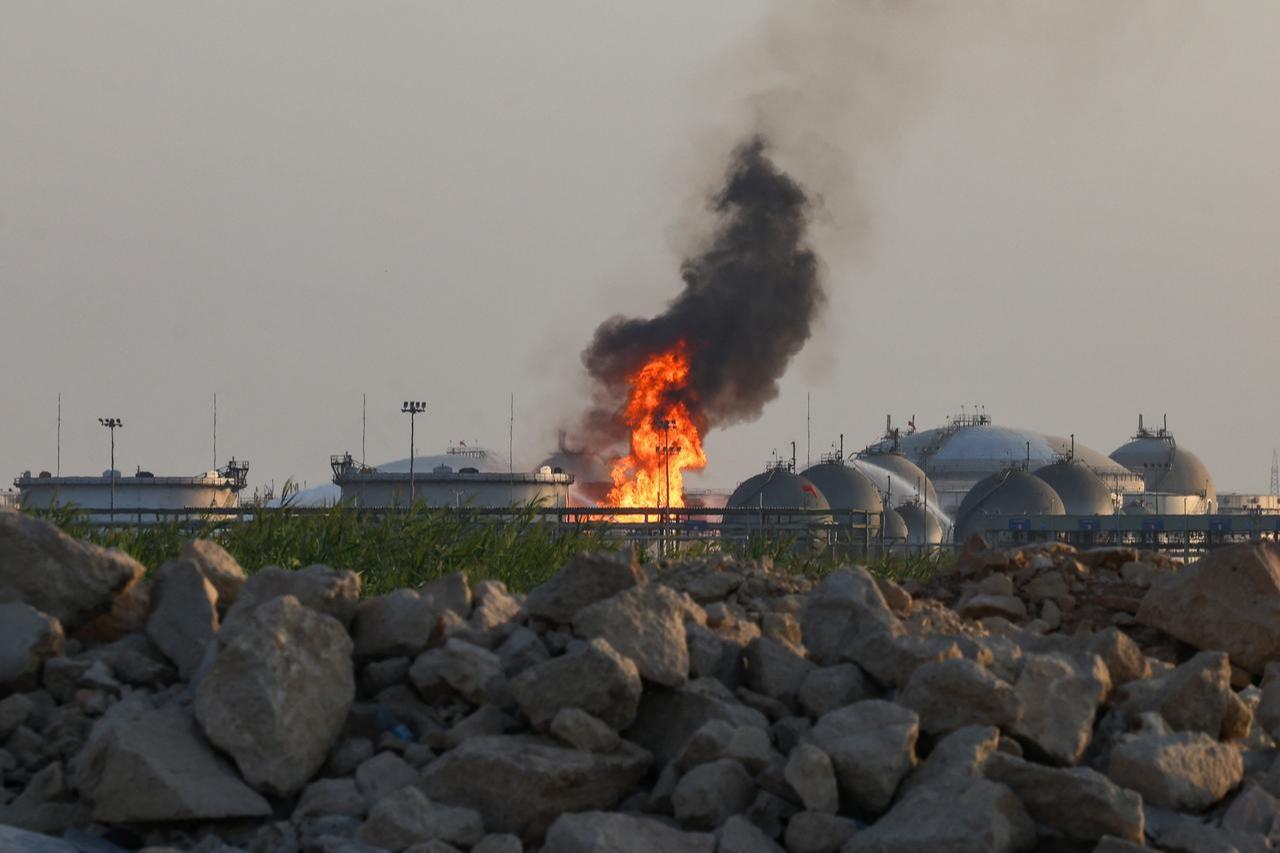
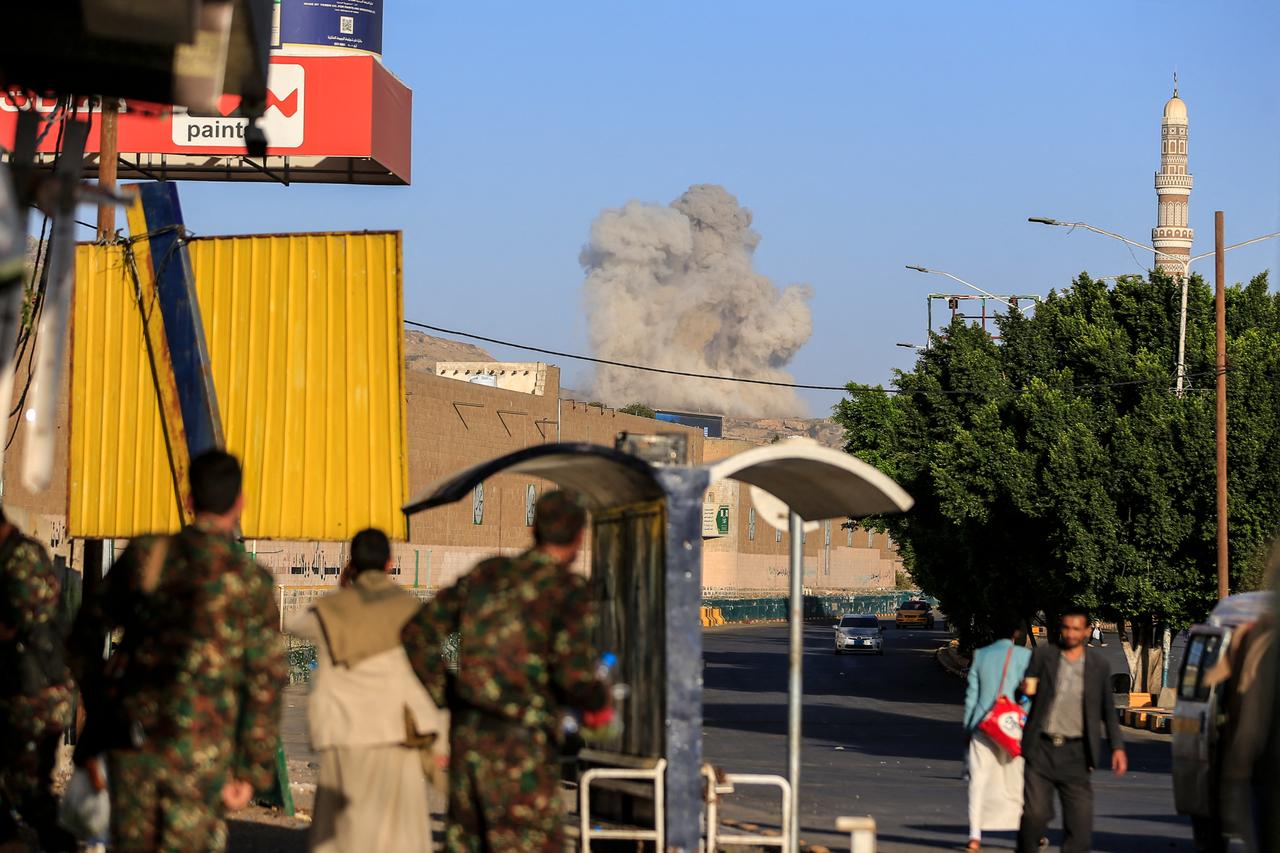
Marking a dangerous escalation in Saudi Arabia’s confrontation with Yemen’s Houthis, the deadly attack on Riyadh’s King Khalid International Airport on Oct. 10 has not only disrupted Saudi aviation, but it has also raised concerns about the security of Saudi Arabia’s critical infrastructure.
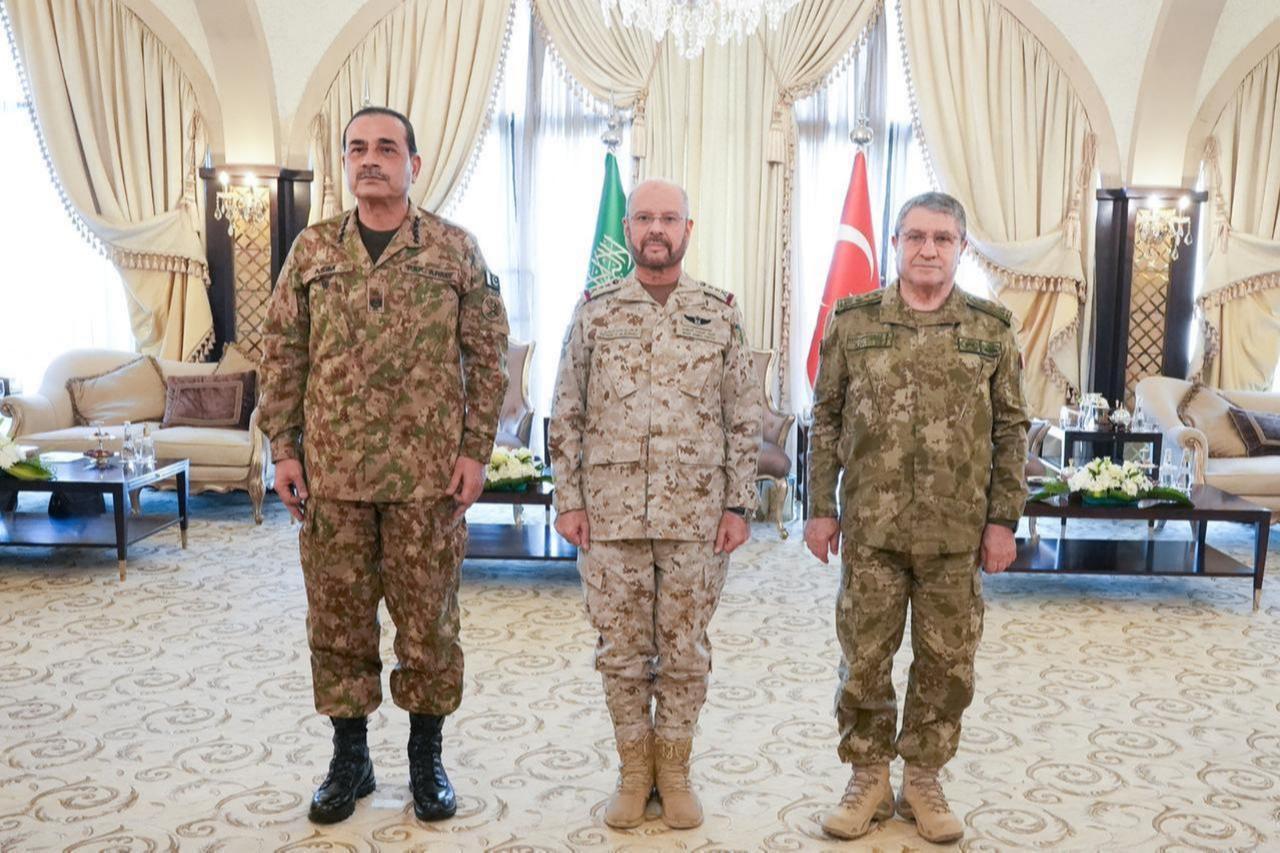
While the crippling of Saudi aviation adds to the urgency of effectively implementing the Mecca Joint Defense Agreement (MJDA) signed by Saudi Arabia, Pakistan and Türkiye on Aug. 7, it also raises the risk of widening the war zone.
Saudi air defenses managed to intercept incoming threats elsewhere in the kingdom, but the immediate question is whether Riyadh can prevent further attacks, and what Pakistan and Türkiye could contribute under the joint security pact.
Discussing the working of the MGDA, Mohamed Alhamed, a geopolitical analyst and President of the Saudi Elite Group, told Türkiye Today that the Mecca defense pact does not “replace the Kingdom’s internal strength as it has capable security, intelligence, defense and crisis-management institutions.
Instead, he said, the alliance “moves the response beyond diplomatic statements, acts as a deterrence framework, helps secure maritime routes and creates a collective response against those that use missiles, drones, sectarian networks, or political chaos as tools of influence.”
Describing its relevance under the current crisis, he said that it “creates a platform for joint coordination, intelligence sharing, deterrence, maritime security, and collective readiness against actors who try to destabilize Muslim countries, threaten holy sites, or disrupt vital waterways and international interests in the Middle East.”
Pointing out that any direct threat to Saudi Arabia security is not just a national issue, Alhamed said that it affects the stability of the whole region, the Gulf, the Red Sea, energy security, global trade, and the wider Islamic world. And the pact gives Riyadh a “stronger political and security framework to respond with partners when threats cross borders.”
Underlining the significance of Mecca, Alhamed said that it is the spiritual heart of the Muslim world, and any attack or attempted threat against it not an attack on Saudi Arabia but “on the sanctity of Islam and on more than a billion Muslims around the world.”
Therefore, he said that while “dialogue is always welcome, the security of the Kingdom, the holy sites, and regional stability are red lines.”
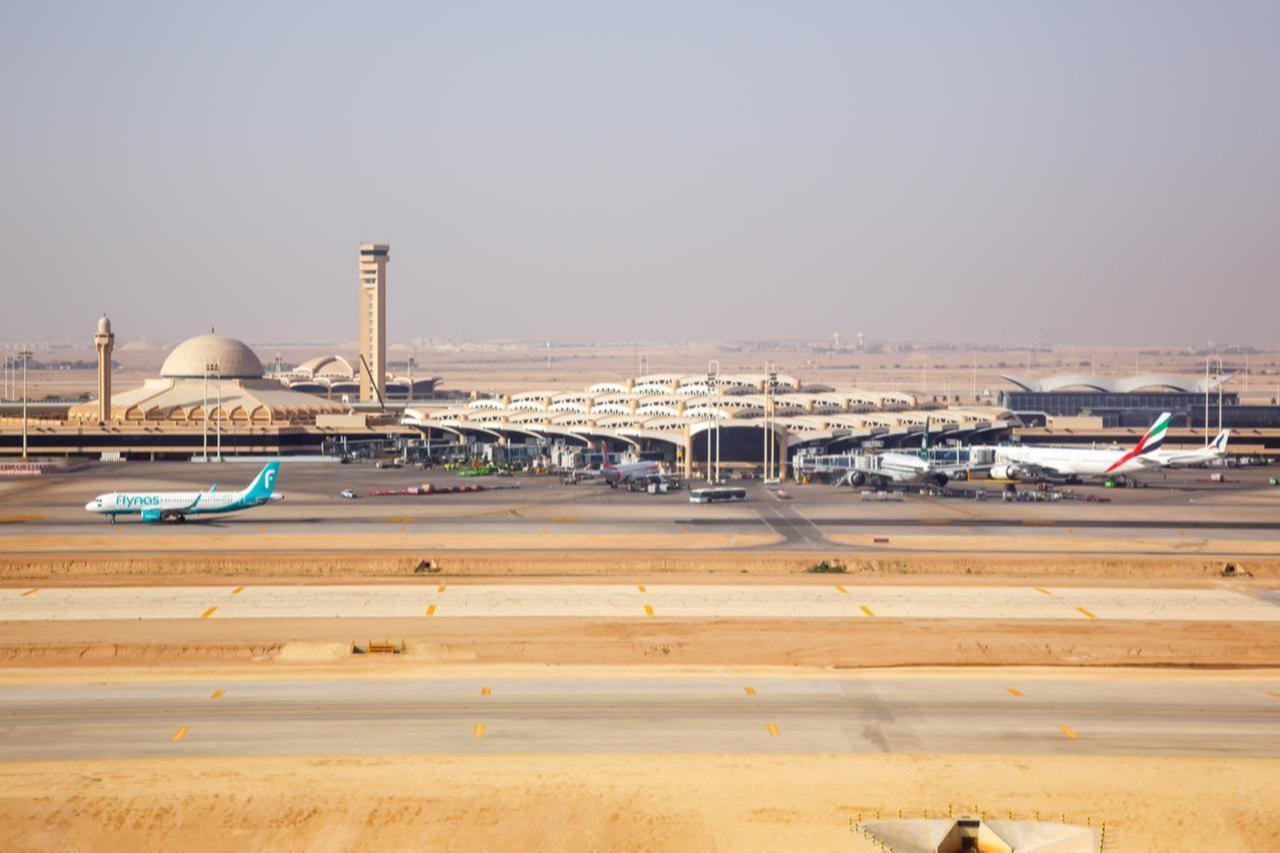

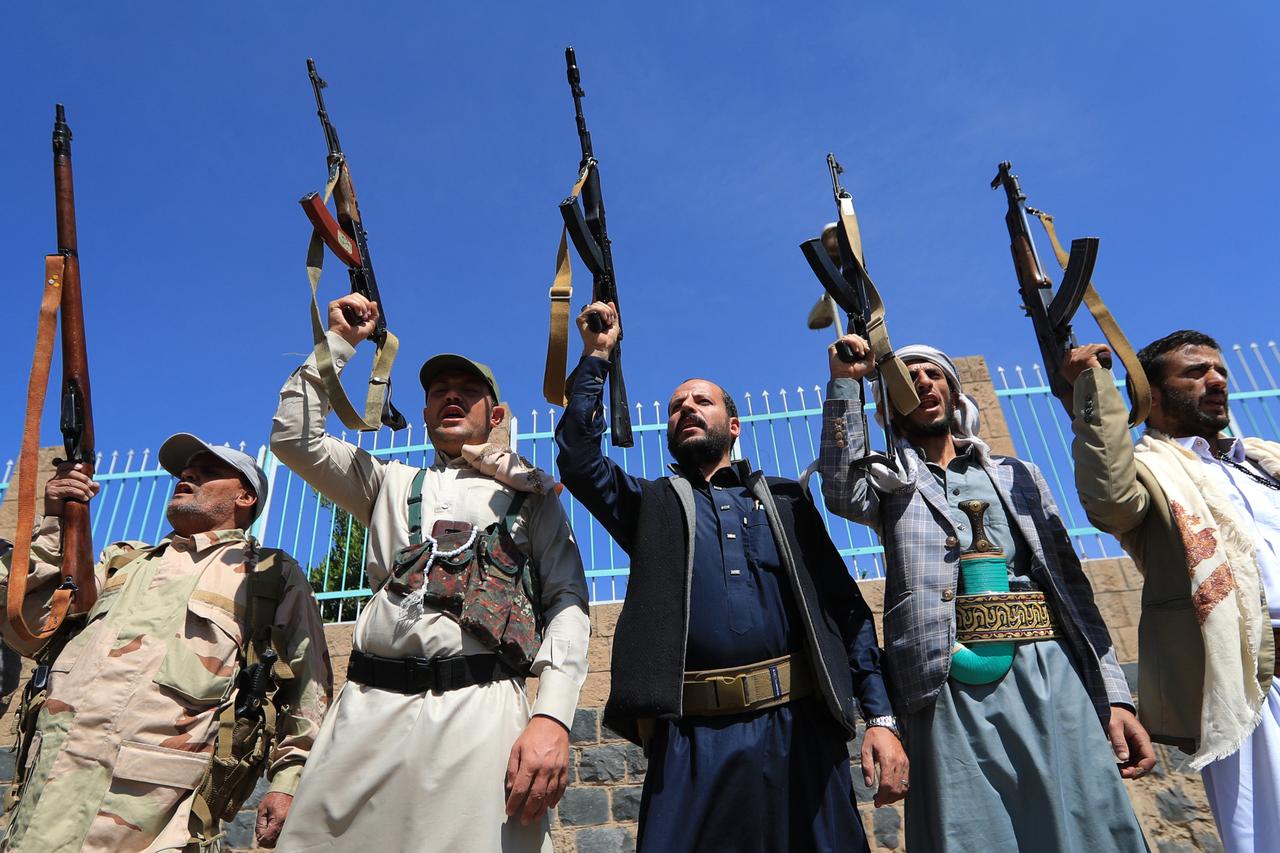
Explaining the sudden re-appearance of the Houthis and their underlying strategy, Naveed Ali Shaikh, a military affairs analyst, told Türkiye Today that they have controlled the majority of Yemen’s western coast for at least 10 years and in the past four years, he said, they (the Houthis) “amassed stockpiles of smuggled weapons arriving through both maritime routes and land routes via Oman.”
In Sheikh’s assessment, the Houthis were actively preparing to choke off the Bab el-Mandeb strait even when the war was focused on the closure of the Stait of Hormuz, and when “Saudi Arabia managed to restore its supply routes through Yanbu Port in September, they decided to attack and capture Mocha and Dhubab.”
As per some accounts, Sheikh said, “Pakistani forces pushed the Houthis out on Oct. 5, and Saudi oil tanker movements through Bab el-Mandeb resumed. And with the plan to choke off Saudi oil exports having failed, the Houthis shifted to Plan B.”
Since then, there have been attacks on airports, demonstrating that defending Saudi Arabia involves more than protecting military installations. Airports are civilian transport hubs, essential links for foreign residents and pilgrims, and potential points of disruption for commercial and international travel.
As confirmed by Foreign Office spokesperson Sajjad Haider Khan on October 9, Pakistan already has a longstanding military presence in Saudi Arabia with substantial forces and resources in Riyadh, though he declined to disclose operational details.
However, he categorically rejected reports that Pakistani forces would cross into Yemen to attack the Houthis, as the alliance is defensive.
In any case, Pakistan’s most relevant potential contribution would not be combat deployment, but the strengthening of Saudi Arabia’s ability to detect, assess and respond to incoming threats.
Personnel with relevant military expertise could be provided to help Saudi authorities improve their understanding of incoming threats, although the effectiveness of any arrangement would depend on the systems and personnel actually deployed.
These are the potential areas of assistance right now, and there is no confirmed inventory of newly deployed equipment, as the Pakistan government has not publicly identified the specific platforms or units involved.
Meanwhile, Türkiye brings a different set of capabilities to the partnership, particularly its defence industry and experience developing military surveillance and air-defense technologies. Potential Turkish contributions could include technical assistance, equipment, intelligence cooperation and support for defensive coordination.
Türkiye’s defense industry could also be relevant to Saudi efforts to strengthen surveillance and protection of critical infrastructure. However, the availability of particular systems does not establish that they have been supplied under the pact. The specific equipment, quantities and delivery schedules have not been publicly confirmed.
In Sheikh’s assessment, missiles are now being launched from deeply entrenched positions within Houthi-controlled territory. And to “locate and destroy the stockpiles, either massive and sustained airstrikes would be required or a ground invasion.”
As per Sheikh, “Saudi Arabia now finds itself at a crossroads as it does not wish to commit forces beyond its borders, but it has to finish the job quickly before the Houthi attacks get worse.” Therefore, “Riyadh mulls over bringing fighters from Syria, but Houthis would have an edge over Syrians in Yemeni terrain just like Syrians would have over Houthis in Syrian territory.”
However, Shaikh said that as far as Bab el-Mandeb is concerned, “the Houthis have reportedly withdrawn from the area after suffering heavy losses at the hands of Pakistani forces. The battle may have been won, but the war continues on another front.”
Under the Makkah pact, Shaikh said that “Pakistan and Türkiye could practically establish air capabilities, though this wouldn’t guarantee that Houthi missiles will not pass through the defense curtain; it would gradually erase the threat as there is no overnight solution for the problem for Saudi Arabia.”
For Pakistan, the principal strategic consideration is how to honor its commitment to Saudi security without becoming directly involved in a wider war in Yemen. The government’s stated position is that the Mecca alliance is defensive and that Pakistani forces will not cross into Yemen to launch attacks.
Türkiye has likewise indicated that its assistance will be defensive and technical rather than an offensive troop deployment. These positions suggest that the immediate emphasis is likely to be on protecting Saudi territory, although the precise arrangements remain undisclosed.
The attacks have increased pressure on the three countries to demonstrate that their agreement can produce practical results. Yet collective-defense commitments do not, by themselves, reveal the forces each member will deploy or the precise circumstances in which they will be used.
 1 min read
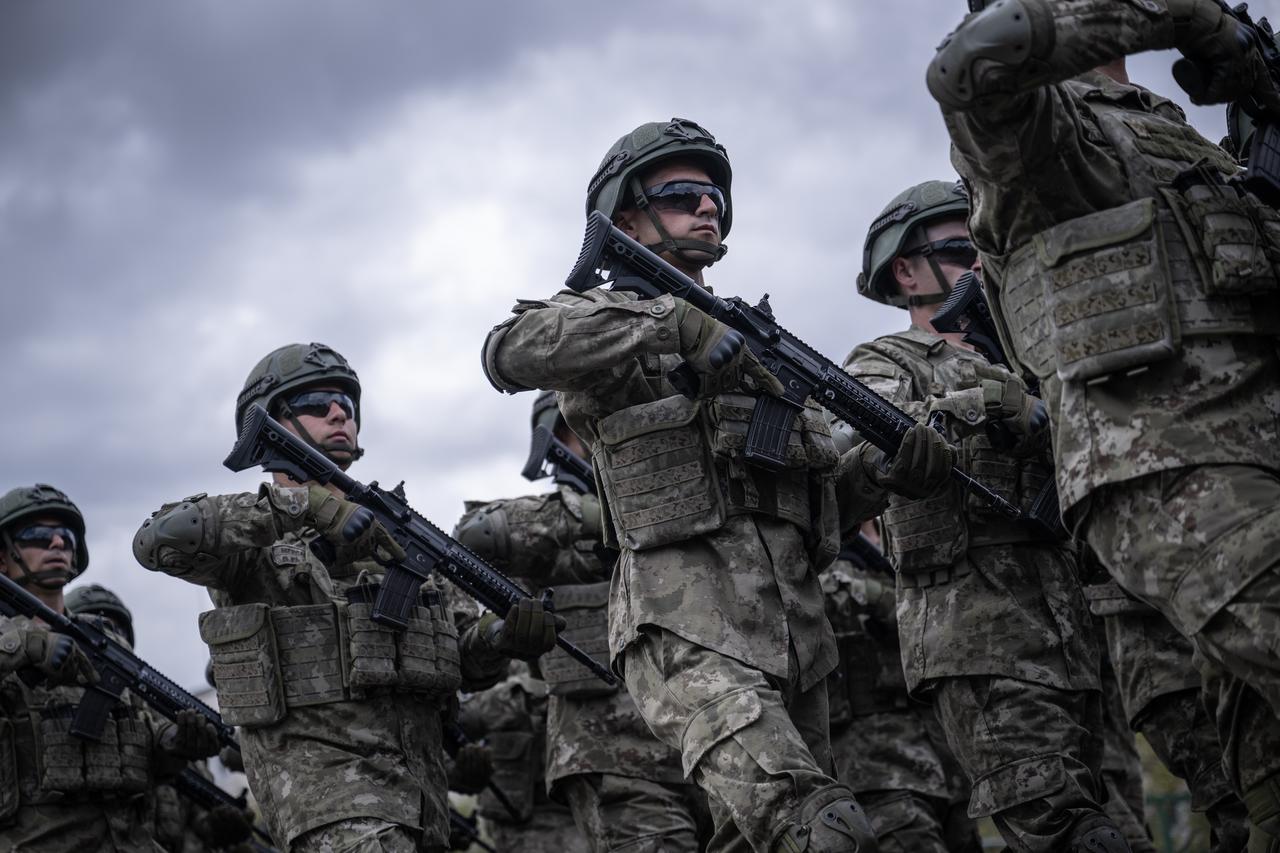
Zeeshan Shah, a political observer based in Washington, told Türkiye Today that Pakistan had already deployed a squadron of fighter jets in addition to other military assets deployed under the (SMDA bilateral) defense pact with Saudi Arabia in April. “Beyond this no credible evidence has emerged of any official military involvement for both Pakistan and Türkiye on the side of the Saudis.”
In his opinion, “with the Makkah Defense Pact just established, it seems that Pakistan and Türkiye will support the Saudis more on the logistical and planning level then actually using any military force against the Houthis in the short to medium term.”
However, the Riyadh airport attacks have turned the Makkah pact from a longer-term framework for military cooperation into an urgent test of regional security coordination.
And now, the key question is not simply how many troops or aircraft the alliance can deploy, but whether the three countries can actually improve Saudi Arabia’s ability to detect and respond to threats while keeping their involvement within the defensive limits they have publicly declared.
The pact’s credibility will increasingly depend on that distinction.


 Set as preferred source
 Set as preferred source


 1 min read