Newsletters





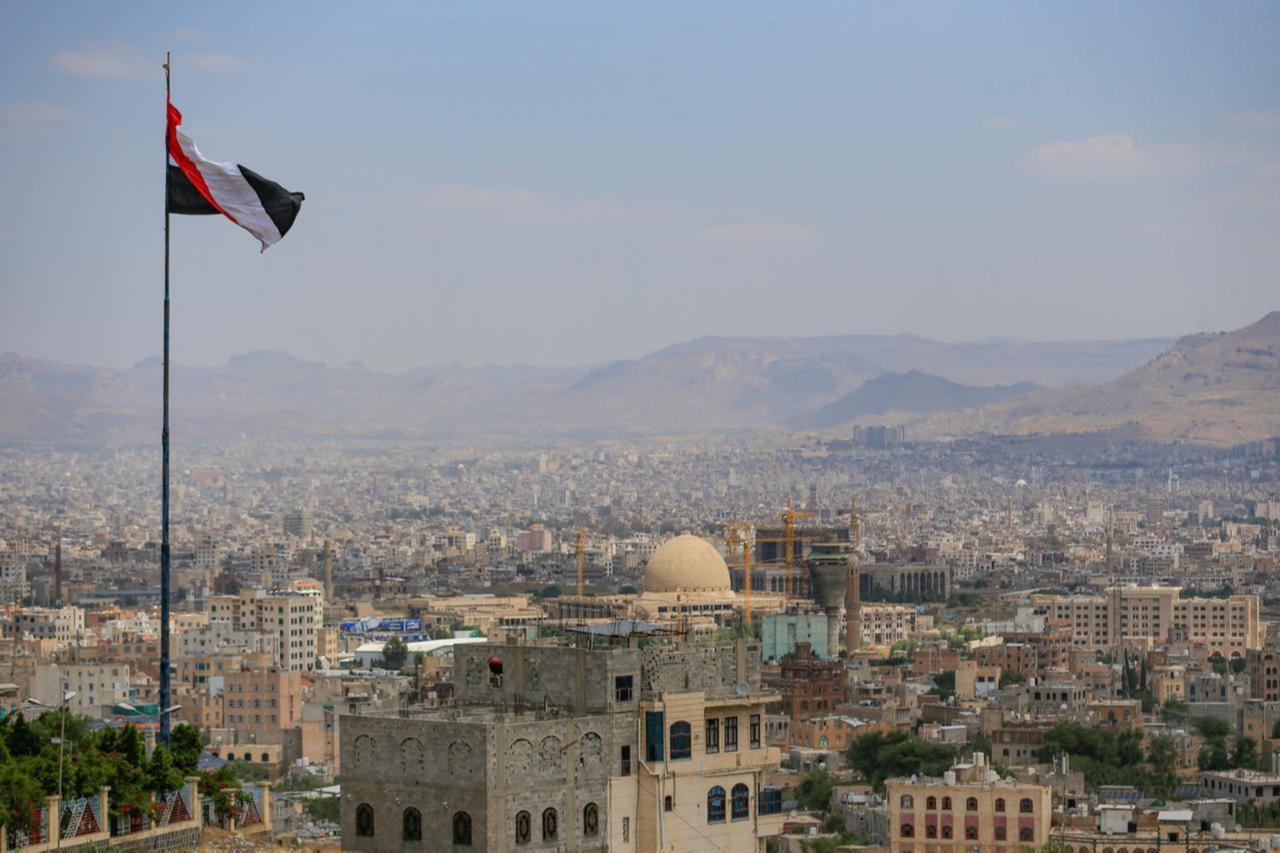
Yemeni government forces said Monday they had taken control of the strategic Bab el-Mandeb area and the nearby Dhubab district from the Houthis, as the government launched "Operation Dawn of Yemen" with the stated aim of retaking the capital Sanaa.
The Houthis denied any government advance.
The pro-government Southern Giants Brigades and Nation's Shield forces "successfully took control of Bab el-Mandeb," military spokesman Lt. Col. Majed al-Nuzaili said on X, adding that government forces also seized Dhubab airport and cut the road between Dhubab and Mokha.
The Houthis seized the strait, a key chokepoint linking the Red Sea to the Gulf of Aden, in a lightning offensive in September, gaining leverage over global shipping and Saudi oil exports.
The government's claims could not be independently verified.


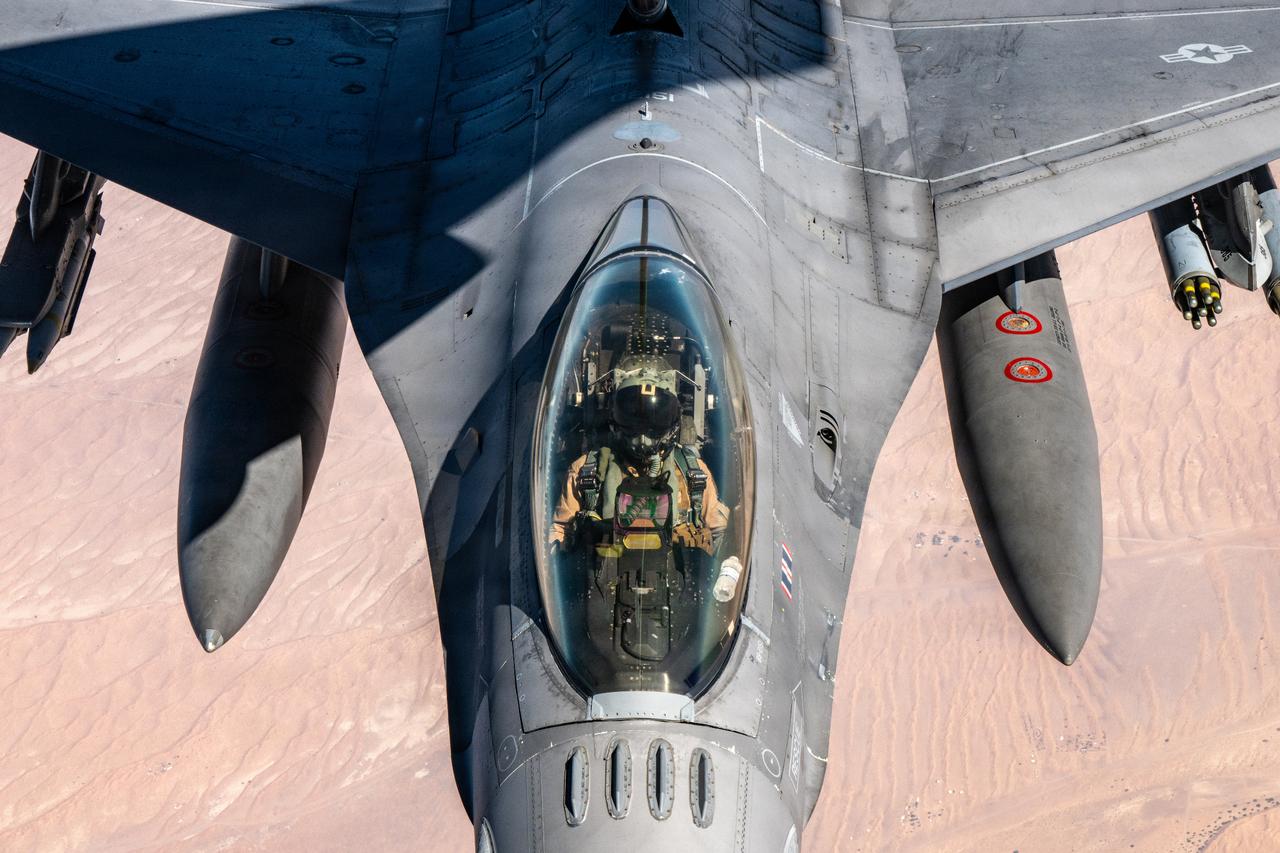
Saudi-led coalition spokesman Turki al-Maliki wrote on X: "100 fighter jets participated at dawn today in Operation 'Dawn of Yemen'."
He noted that the coalition destroyed 324 "high-value" targets with the launch of Operation Dawn of Yemen, adding, "We secure air protection for the Bab el-Mandeb Strait, and handling moving targets is ongoing. Aerial support to back the Yemeni armed forces on the ground around the clock."
In a series of statements, Nuzaili said government forces carried out a flanking operation to take Bab el-Mandeb and established fire control over the Dhubab-Mokha road.
He said hundreds of Houthi fighters had been surrounded in the Dhubab area and urged them to surrender, adding that some fled by boat.
"Forces from the Homeland Shield Forces and the Giants Brigades carried out a large-scale military operation with air cover targeting Houthi militia positions and movements in several areas of the district," the army said in a statement, noting, "During the operation they advanced and seized important positions, cutting off supply lines and roads leading to Bab el-Mandeb."
The government's Saba news agency said the forces, backed by the Popular Resistance, took control of Dhubab in western Taiz province, killing or injuring an unspecified number of Houthi fighters.
The Houthi-controlled version of Saba cited a military source as denying any government advance toward Dhubab and calling the reports "baseless."

"With God's blessing, Operation 'Dawn of Yemen' has begun to restore state institutions, liberate the capital Sanaa, and end the coup by the Houthi militias," Presidential Leadership Council Chairman Rashad al-Alimi said on X.
"With the will of our people, the bravery of our armed forces and all military formations, and the support of our brothers and friends, Yemen will move toward a new dawn of freedom, peace and stability," he said.
The army also said it had carried out more than 1,000 strikes on Houthi artillery and rocket positions, fortifications and supply lines.
The government strikes have yet to blunt Houthi advances elsewhere; on Sunday the group effectively encircled the city of Taiz by cutting its main supply route to Aden.
 1 min read
"It is a significant development, but I think it is still too early to say that we are witnessing a decisive turning point," Ahmed Nagi, a senior Yemen analyst at the International Crisis Group, told Agence France-Presse (AFP).
"All signs are pointing towards a long battle," Baraa Shiban, an associate fellow at the Royal United Services Institute, told Al Jazeera, adding, "I don't think it's going to be an easy and quick operation. We might be looking into years."
"Unfortunately, it's the Yemeni public who are going to bear the brunt of this escalation," Shiban said, noting that the U.N. envoy to Yemen has not been able to meet the Houthis for more than two years.
The Houthis' September offensive killed hundreds of combatants and forced more than 145,000 people from their homes, according to U.N. figures, as the battle for Bab el-Mandeb intensifies.


 Set as preferred source
 Set as preferred source



 1 min read