Newsletters


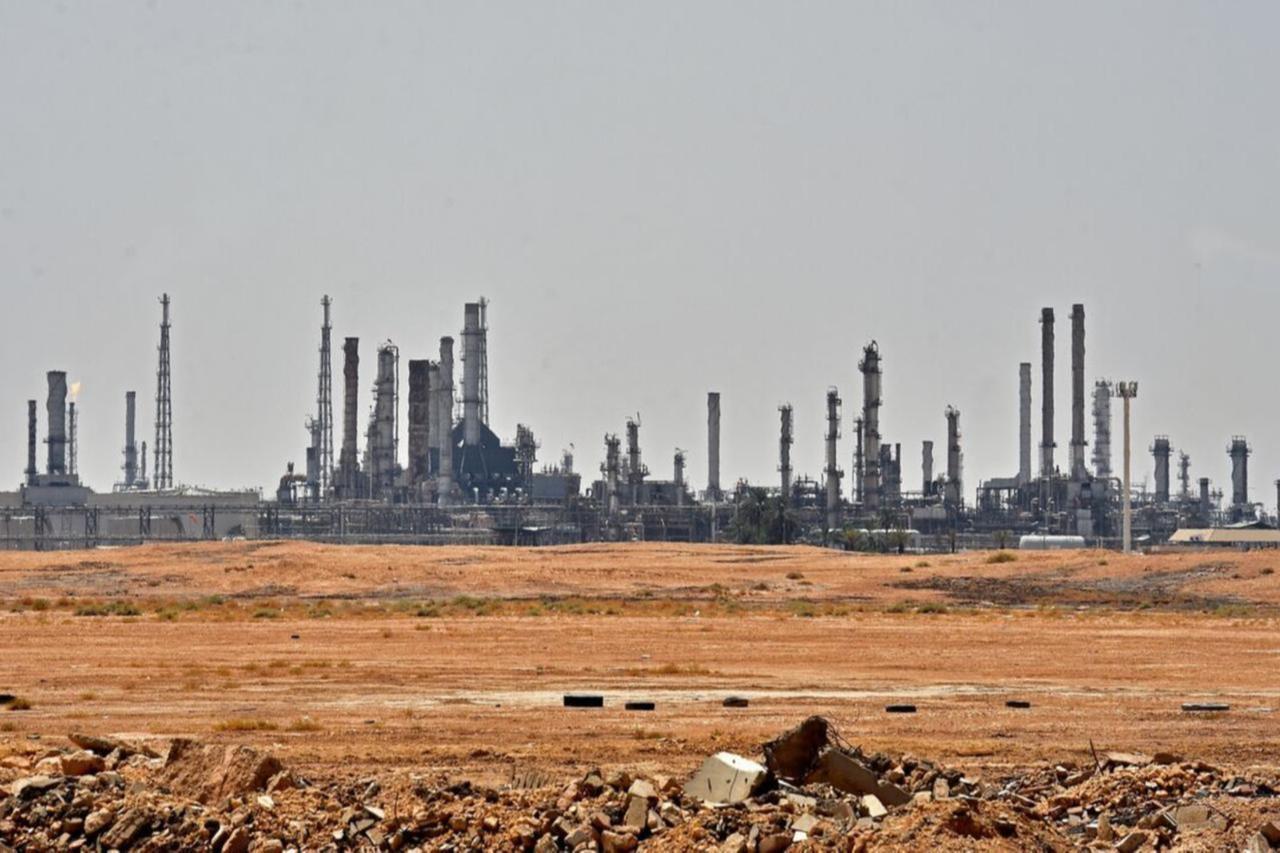


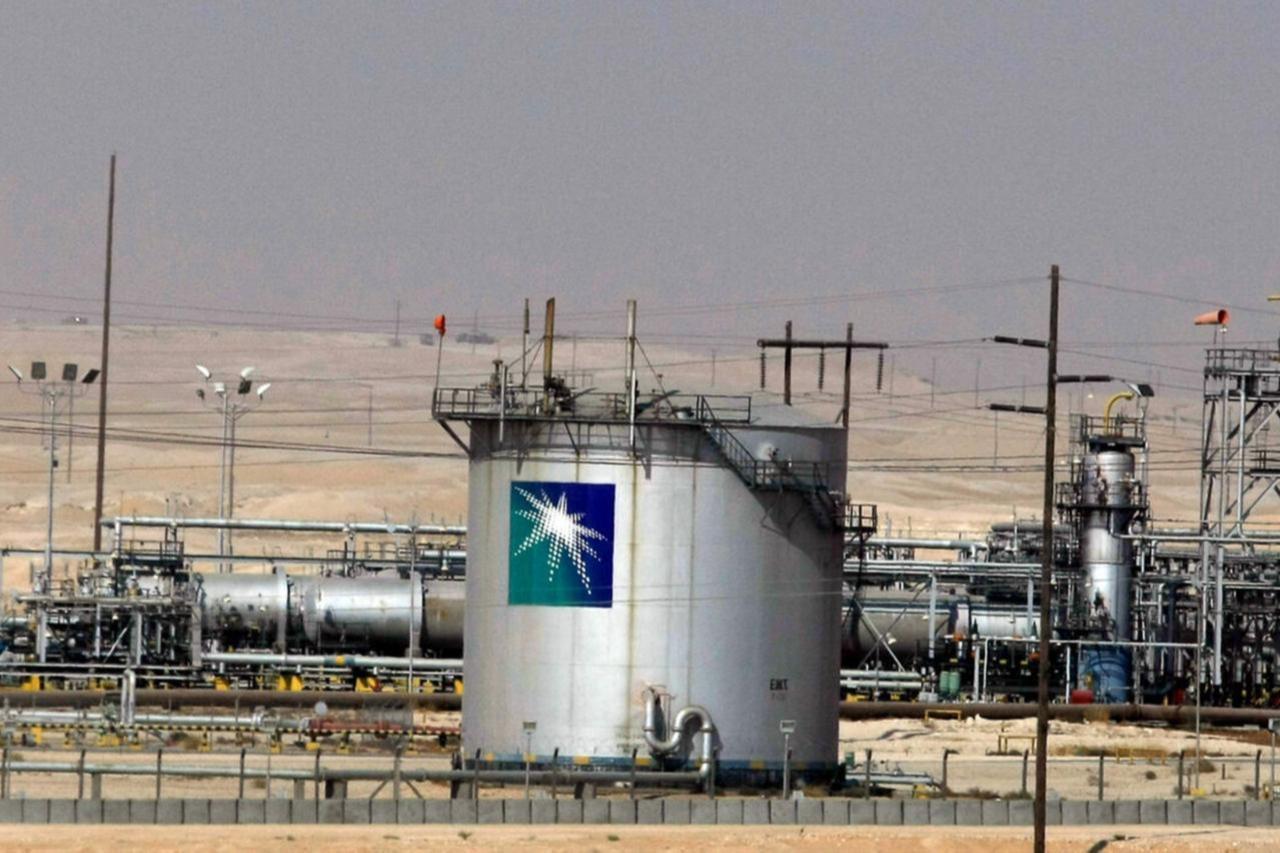
Yemen's Houthi movement said Saturday it had launched ballistic missiles and drones at facilities belonging to Saudi Arabia's state oil giant Aramco in Riyadh, describing the strike as retaliation for recent airstrikes on the Yemeni capital, Sanaa.
Houthi military spokesman Yahya Saree said in a televised statement that the operation had "successfully achieved its objective," claiming the attack ignited fires at the targeted sites. He did not provide further details on the scale of damage or casualties.
Saudi Arabia had not responded to the Houthi claim as of 8 p.m. GMT.
Saree said Sanaa and other Yemeni provinces had come under 60 airstrikes in the preceding 24 hours, which he attributed to Saudi Arabia. He put the cumulative total of such strikes at 1,420, though he did not specify the time period covered by that figure.
The spokesman framed the attack on Aramco as a direct response to that bombardment, warning that the group intended to meet "blockade with blockade, and escalation with escalation."
The warning echoes a step the Houthis took in July, when the group announced a naval blockade against Saudi Arabia. At the time, the Houthis said the move was a response to what they described as a Saudi naval and air siege on territory under Houthi control in Yemen.
Saturday's claimed strike and accompanying rhetoric suggest the group is positioning further restrictions on shipping or additional attacks as a continued response to Saudi military action, though neither side has detailed what new measures might follow.
The exchange is the latest flashpoint in a conflict that has gripped Yemen for more than a decade. The Houthis, an armed movement aligned with Iran, seized Sanaa and other territory in September 2014. Saudi Arabia has led a military coalition backing Yemen's internationally recognized government against the Houthis since March 2015.
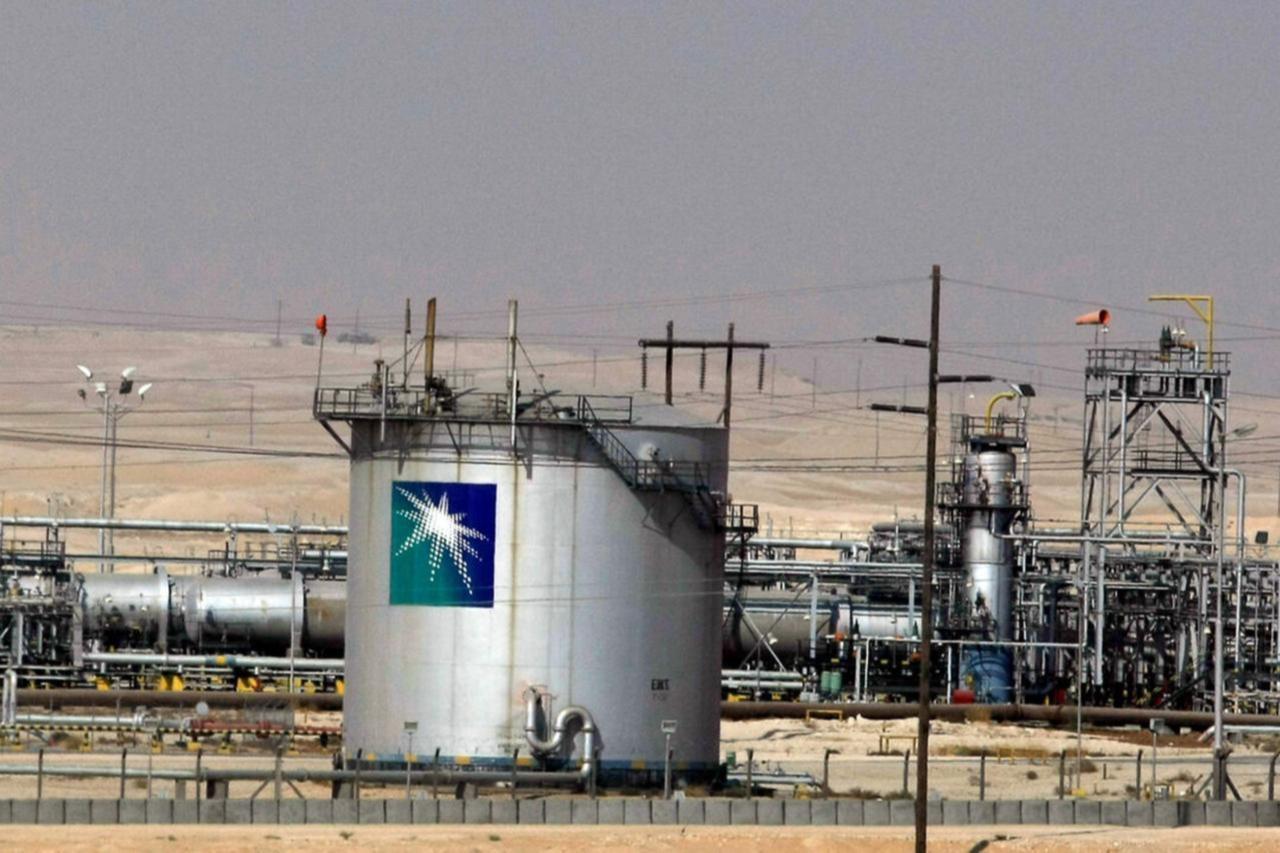
Aramco, formally known as Saudi Arabian Oil Co., is the kingdom's state-owned petroleum and natural gas company and one of the world's largest oil producers, making its facilities a recurring target in cross-border attacks tied to the conflict.


 Set as preferred source
 Set as preferred source


 1 min read

 1 min read