Newsletters


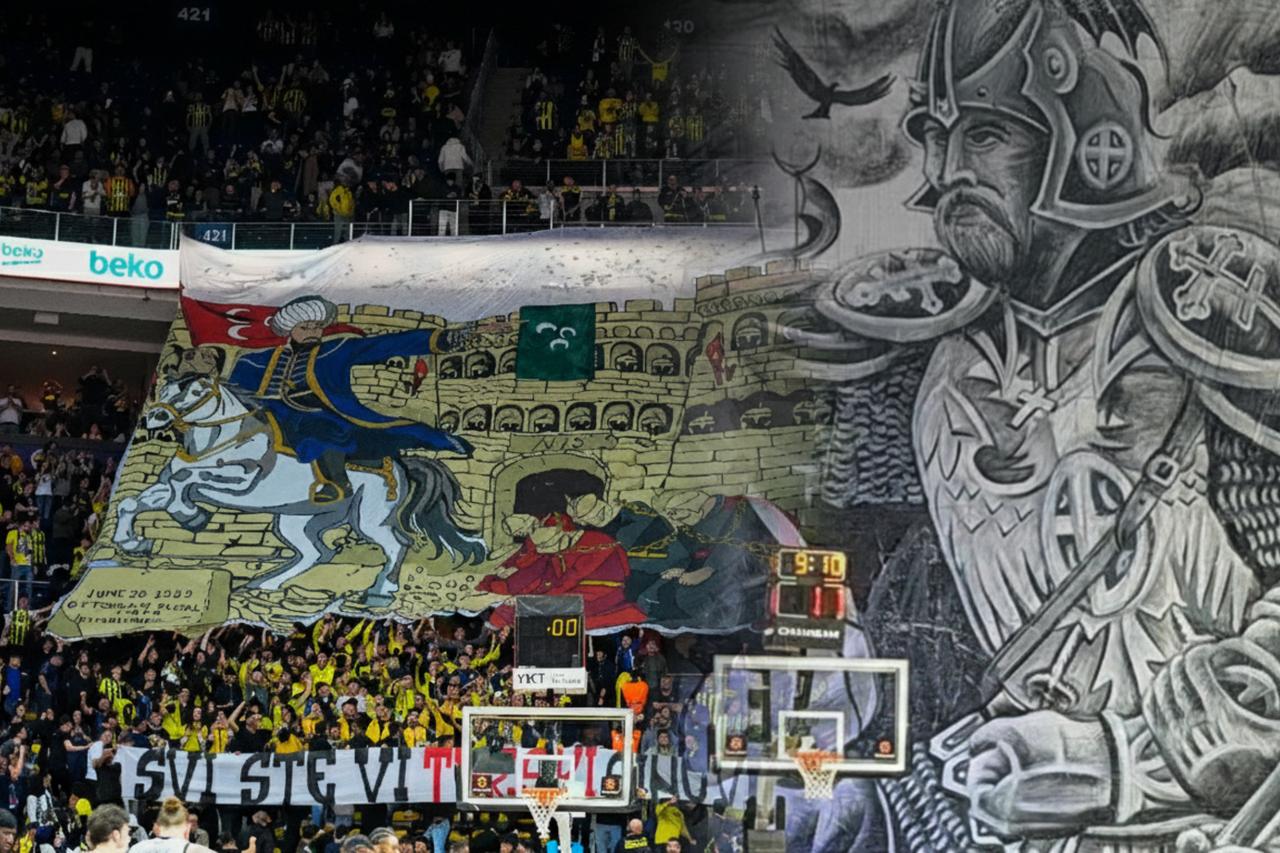


Fenerbahce Beko supporters answered back on Feb. 25, 2026, after a controversy in the earlier EuroLeague meeting with Partizan Belgrade, where Serbian fans had displayed a provocative banner tied to the 1389 Battle of Kosovo and the killing of Ottoman Sultan Murad I.
In the EuroLeague Week 12 game in Belgrade, Partizan supporters displayed a large banner depicting Milos Obilic, a medieval Serbian figure known for assassinating Ottoman Sultan Murad I during the 1389 Battle of Kosovo.
The imagery was widely viewed as deliberately provocative and racist toward Turkish fans, and the game also featured prolonged anti-Turkish chants.
EuroLeague later fined Partizan €40,000 ($46,000) for “multiple incidents caused by Partizan Belgrade supporters during the game against Fenerbahce Beko" and said the club’s upcoming home matches would be played with arena capacity reduced to 80%.
The league added that the partial-closure sanction was suspended conditionally throughout the 2025-26 season, warning that any further violation would immediately activate the restriction.
Fenerbahce had filed an official complaint about the incident, with board member for basketball Cem Ciritci saying the club complained that “despite all warnings, officials still allowed the banner to be displayed.”
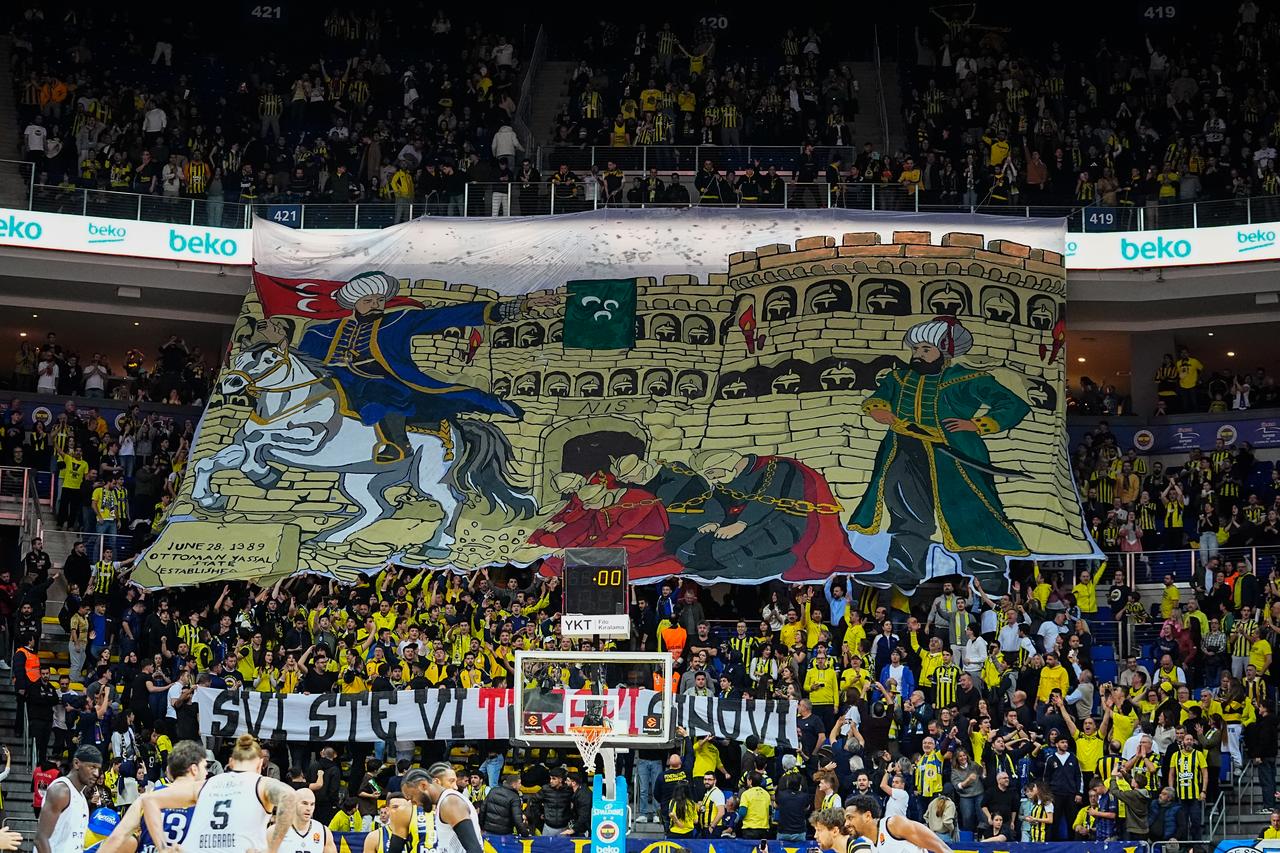

During the EuroLeague Week 28 game on Feb. 25, 2026, Fenerbahce Beko hosted Partizan at home, and Fenerbahce fans responded by unfurling a banner reading, "You are all Turks!"
According to the Anadolu Agency, the banner was framed as a reply to the earlier Partizan display, and it emphasized the Ottoman Empire making the Crusader Army kneel.
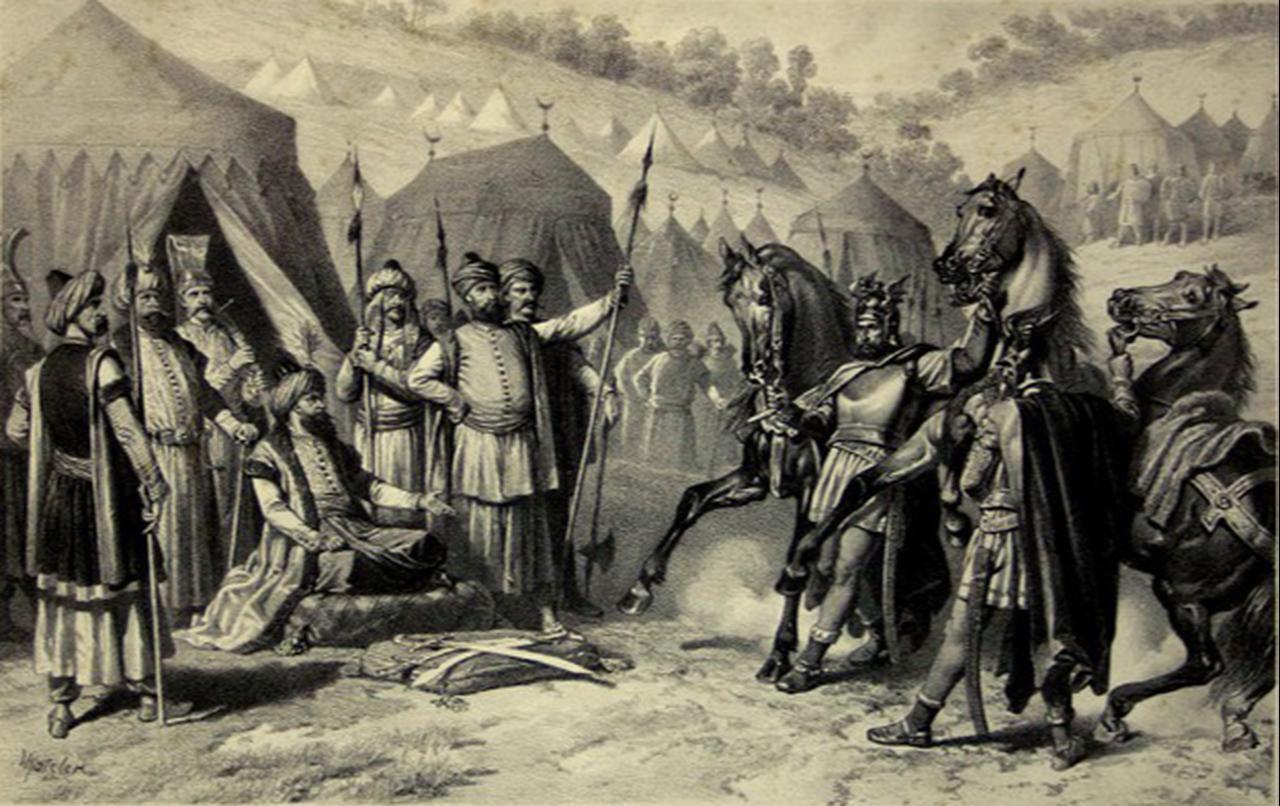
The First Battle of Kosovo, also called the First Kosovo Field Battle, took place on June 28, 1389. It was fought between the Ottoman army led by Sultan Murad I and a multinational Balkan army led by Serbian commander Lazar Hrebelyanovic.
On Sultan Murad’s death, the material describes differing historical accounts. It notes that early reports and historical documents suggested Murad was killed during the battle, referencing letters connected to Bosnian King Tvrtko and a response letter associated with Florence that focused on the killing, without naming the assassin.
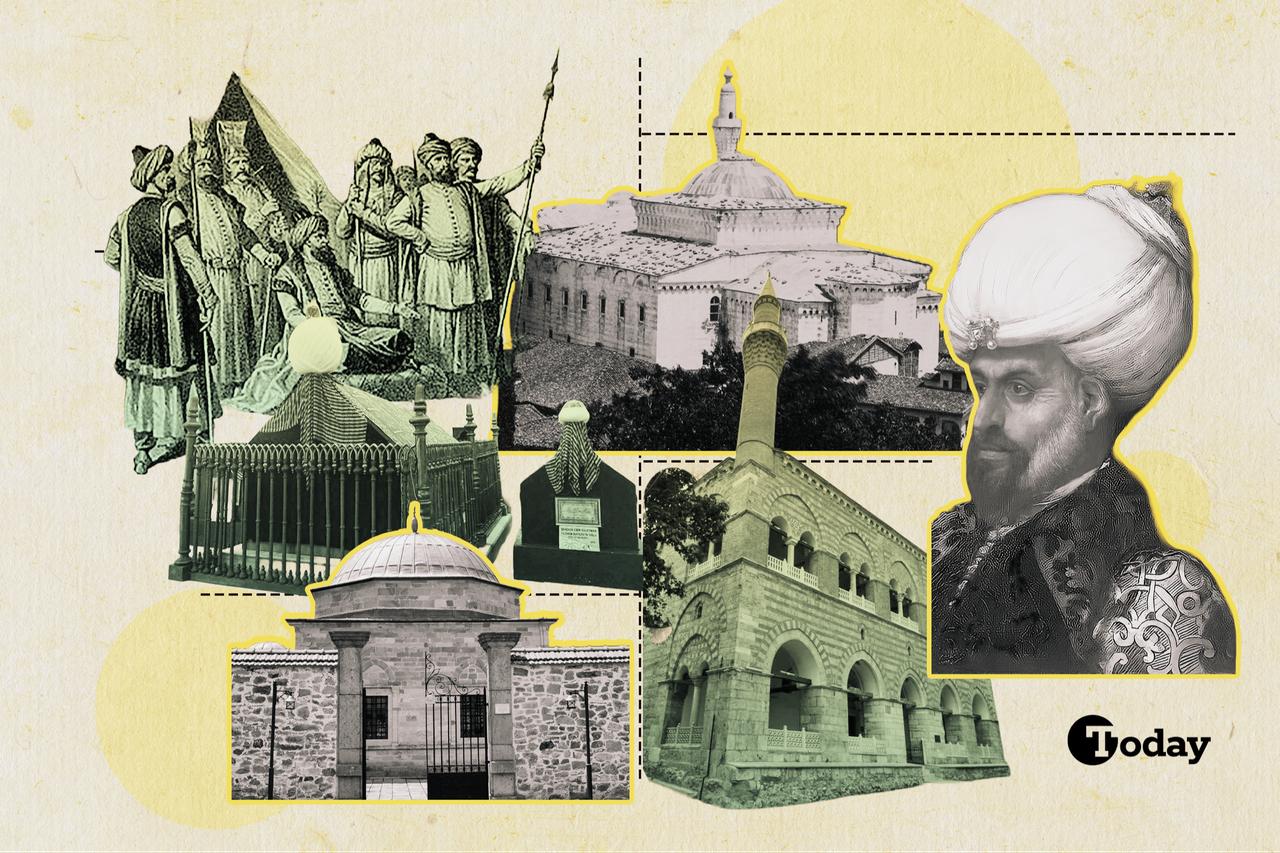
Ottoman sources say a Serbian, identified as Milos Obilic, approached the sultan by claiming he wished to convert and then stabbed Murad, after which Murad’s internal organs were buried on the spot, and the rest of his body was taken to Bursa for burial.
The same material adds that the battle became a foundational event in Serbian nationalism and remains highly significant in Serbian historical memory.


 Set as preferred source
 Set as preferred source


 1 min read

 1 min read