Newsletters


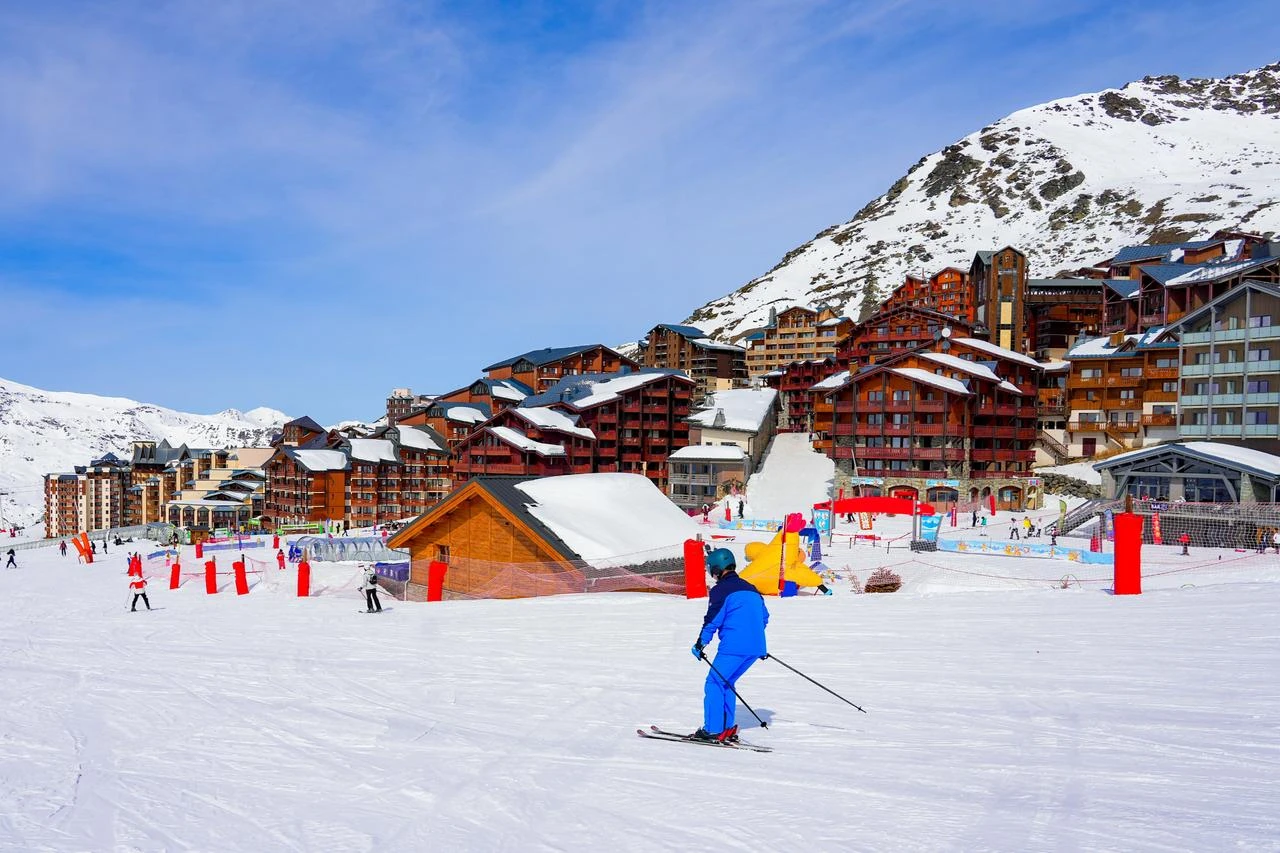


A financial corruption scandal within Croatia's ski federation has sent shockwaves through the country's athletic organizations, prompting star athletes to demand immediate systemic reforms.
For a population of just 3.8 million, Croatia boasts a remarkable number of sporting successes, from Olympic gold medallists to football World Cup finalists.
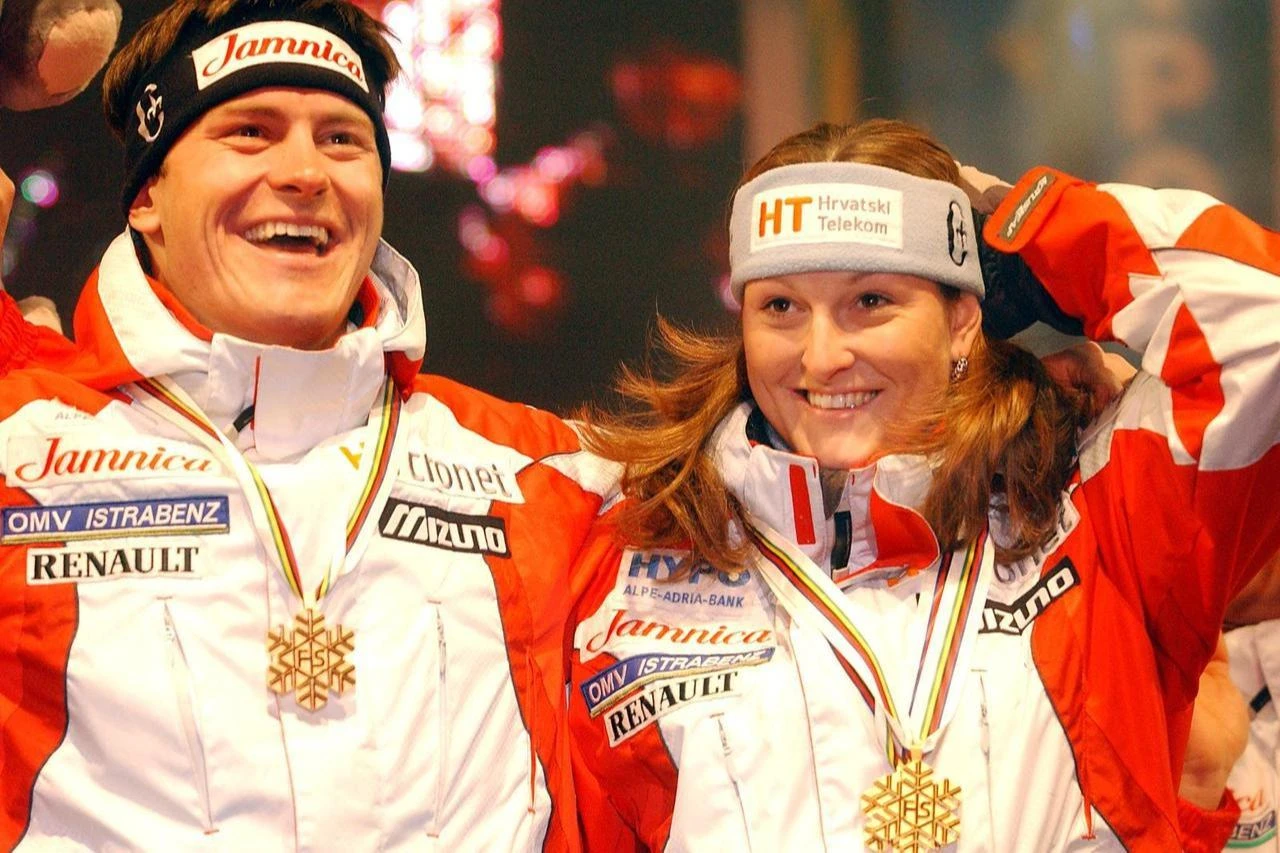
But with no domestic ski infrastructure, the world-champion sibling duo Janica and Ivica Kostelic's performances on the slopes in the 2000s and 2010s were a particular source of pride, with 10 Olympic medals.
So in March, when prosecutors launched an investigation into six people, including the former alpine ski director Vedran Pavlek, suspected of siphoning off nearly €30 million ($35 million) from the ski federation, it shook the country.
According to the prosecutors, Pavlek is suspected of using the money to fund a lavish lifestyle, including using at least €1.9 million to build a private villa and spending a substantial amount on cosmetic surgeries for multiple women.
It raised questions about the broader use of public funds distributed by the Olympic committee, with the country's Prime Minister, Andrej Plenkovic, demanding action.
"We have achieved great success in skiing, with results beyond realistic expectations, but these things are unacceptable," Plenkovic said, days after the scandal broke. "I do not understand how this went unnoticed."
Within weeks, longtime Croatian Olympic Committee head Zlatko Matesa stepped down to allow a "transparent clarification" of all issues in sports.

But for Viktor Simunic, a local mayor and campaigner against corruption in sport, the affair exposed long-running issues that should have been apparent to authorities. "It's not about one person.
The point is that the system does not work," the independent politician told Agence France-Presse (AFP) reporters. Simunic has repeatedly used freedom of information requests to uncover cases of alleged corruption across multiple sports bodies, but he said the latest indictment was particularly galling.
"They are stealing money generated by the athletes' success," he said. "With that money they could have created new Janicas and Ivicas."
As Pavlek fights extradition from Kazakhstan, media reported independent probes targeting several other sports bodies have been launched. The country's sports ministry has also announced changes to financial reporting and clearer disclosure of all public and private funding sources.
"If this is not shaken up and changed now, it never will. This is the moment to stop it," Simunic said of Croatia's battle against corruption in the country's sports bodies.
Tackling corruption was a key condition for Croatia's 2013 membership of the European Union, but graft remains a major issue.
Most of Croatia's sports federations rely heavily on public funds distributed by the national Olympic committee. But, according to prominent sports journalist Dean Bauer, the recent allegations have hurt another key revenue stream, commercial sponsorships, by tarnishing the broader perception of sports.
"It has created a perception that money laundering, cheating and stealing are widespread in sport, which is far from reality," Bauer said.
Former water polo player and Olympic medallist Perica Bukic agreed that "this atmosphere is very negative for Croatian sport as a whole and is causing great damage".
Olympic gold-medal rower Valent Sinkovic shared that the flow-on effect was already being felt. "It is extremely difficult to attract sponsors, and recent scandals have created a certain distance from sport," he said.
"If anything good can come from this, it is that things could change, controls on money entering sport could be tightened, and together we can regain trust in a system that has disappointed us."


 Set as preferred source
 Set as preferred source


 1 min read
 1 min read