Newsletters



Egyptian photojournalist Fareed Kotb documented the 2026 FIFA World Cup with a Zeiss Ikon 250/11 folding camera made in 1930, linking the first edition of the tournament with its latest staging through a nearly century-old photographic tool.
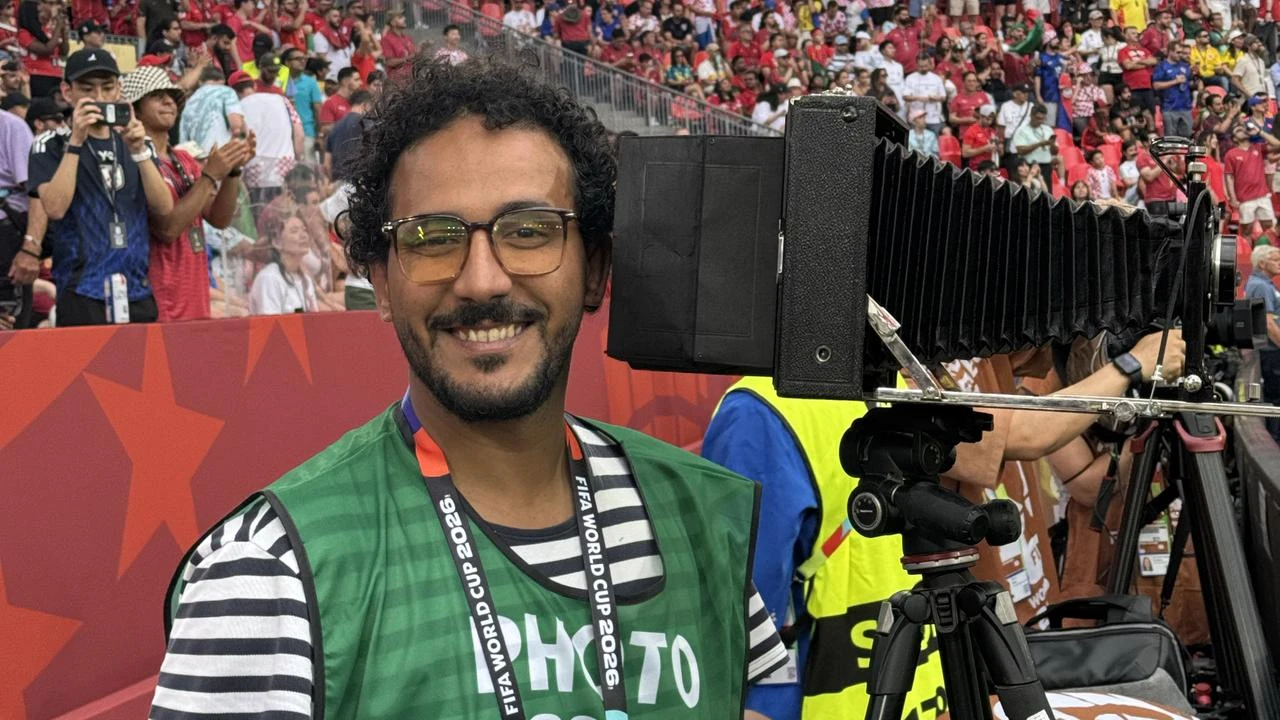
Kotb, who has worked as a photographer for the Confederation of African Football since 2019, spent a year tracking down a professional camera manufactured in 1930 before launching the initiative he named “Project 1930.”
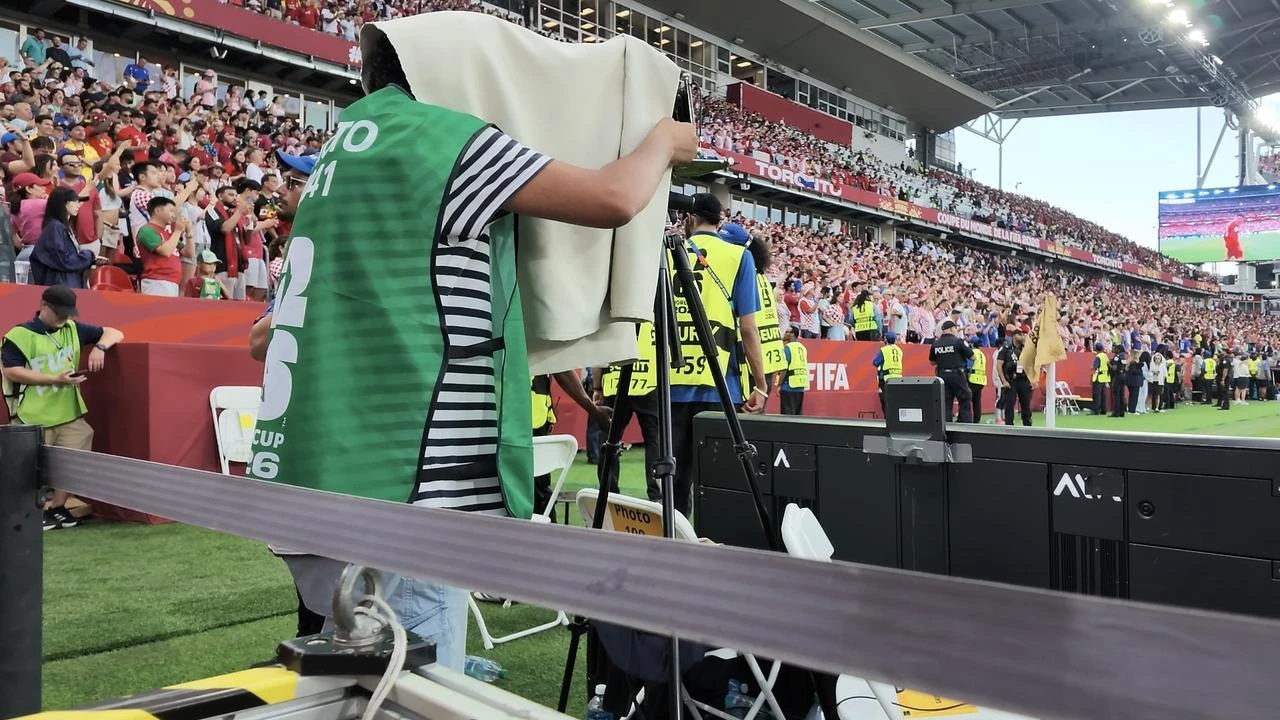
Rather than simply bringing an antique object into modern stadiums, Kotb set out to recreate the experience of early photography while covering matches normally documented with high-speed digital equipment.
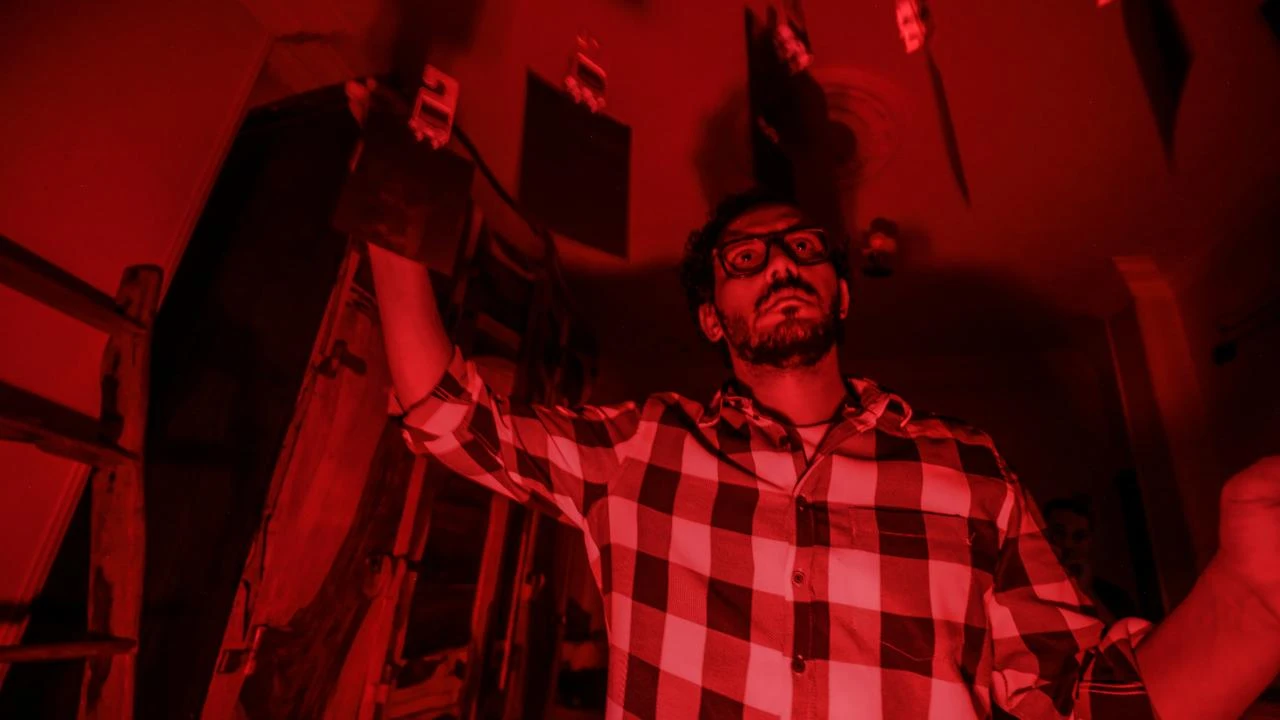
After finding the camera, he researched how to bring it back into working condition and converted its original glass-plate system, which recorded images on coated glass, into a format compatible with reusable negative film.
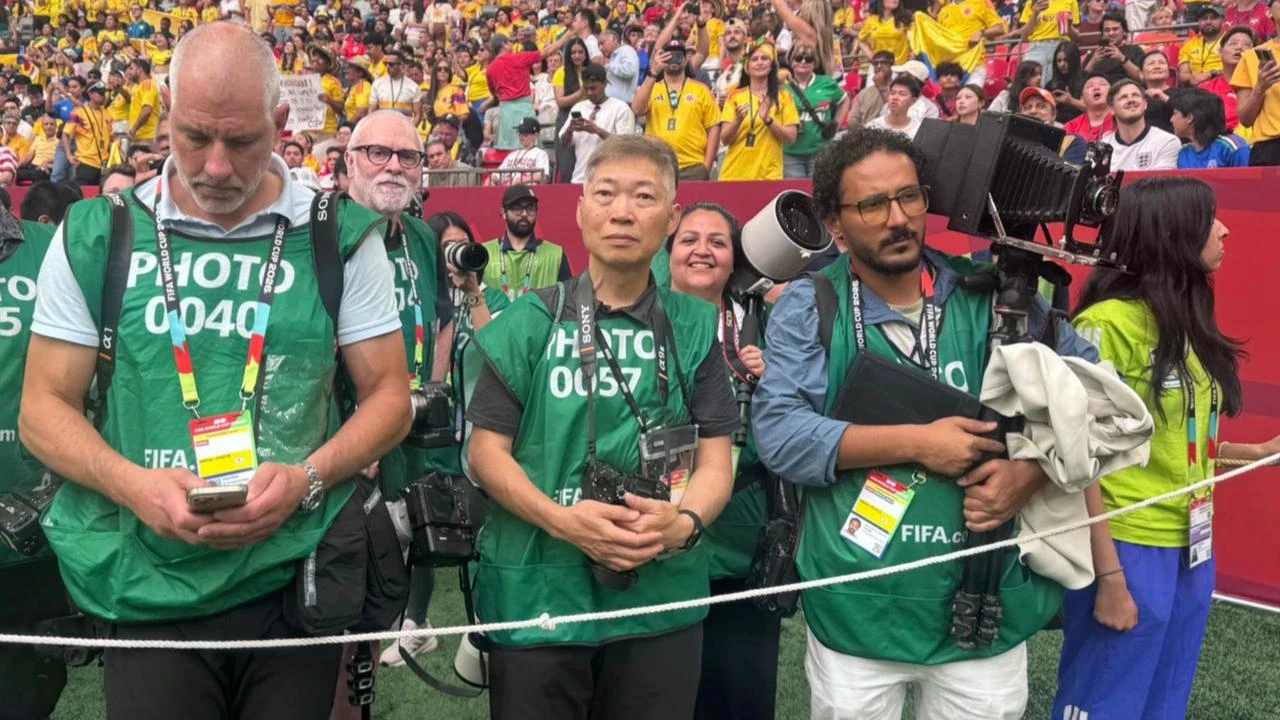
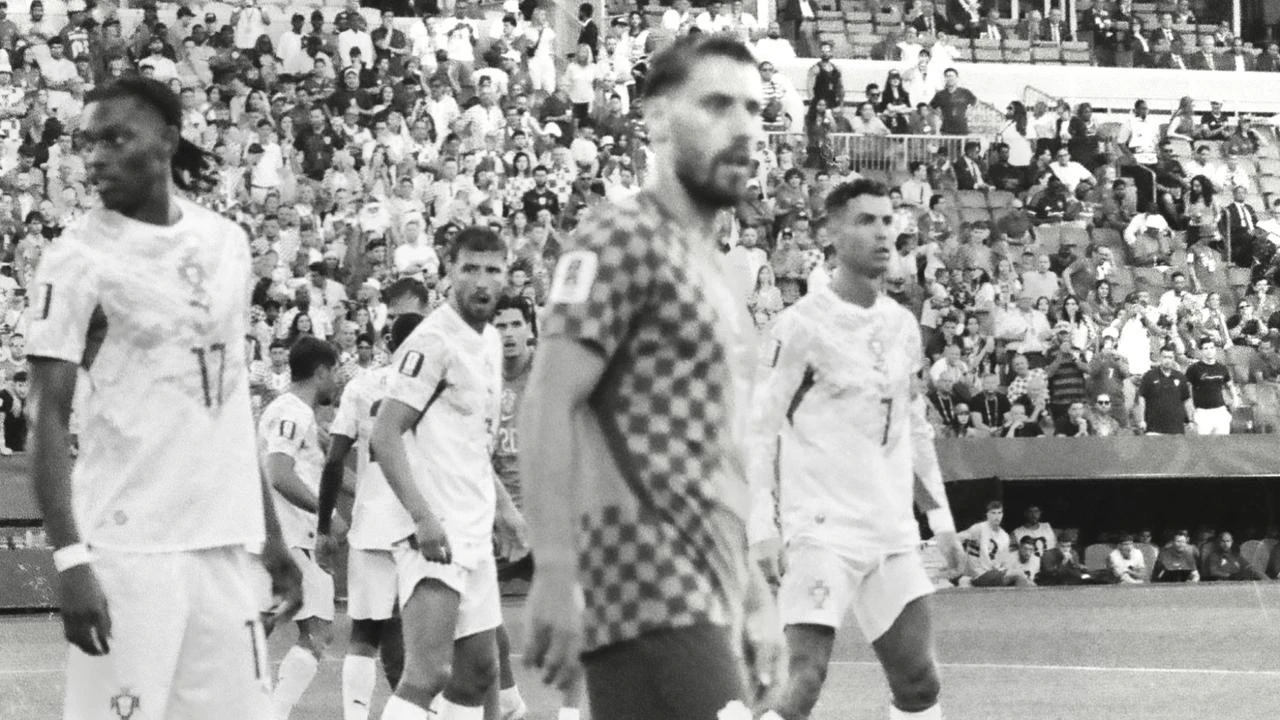
Kotb first tried out the restored camera in Canada during the Portugal-Croatia and Switzerland-Colombia matches, where its unusual appearance drew attention from photographers and spectators inside the stadiums.
Having previously covered the 2018 World Cup in Russia, the 2022 tournament in Qatar and the Olympic Games, Kotb chose to approach his third World Cup differently by slowing down a profession increasingly shaped by speed.
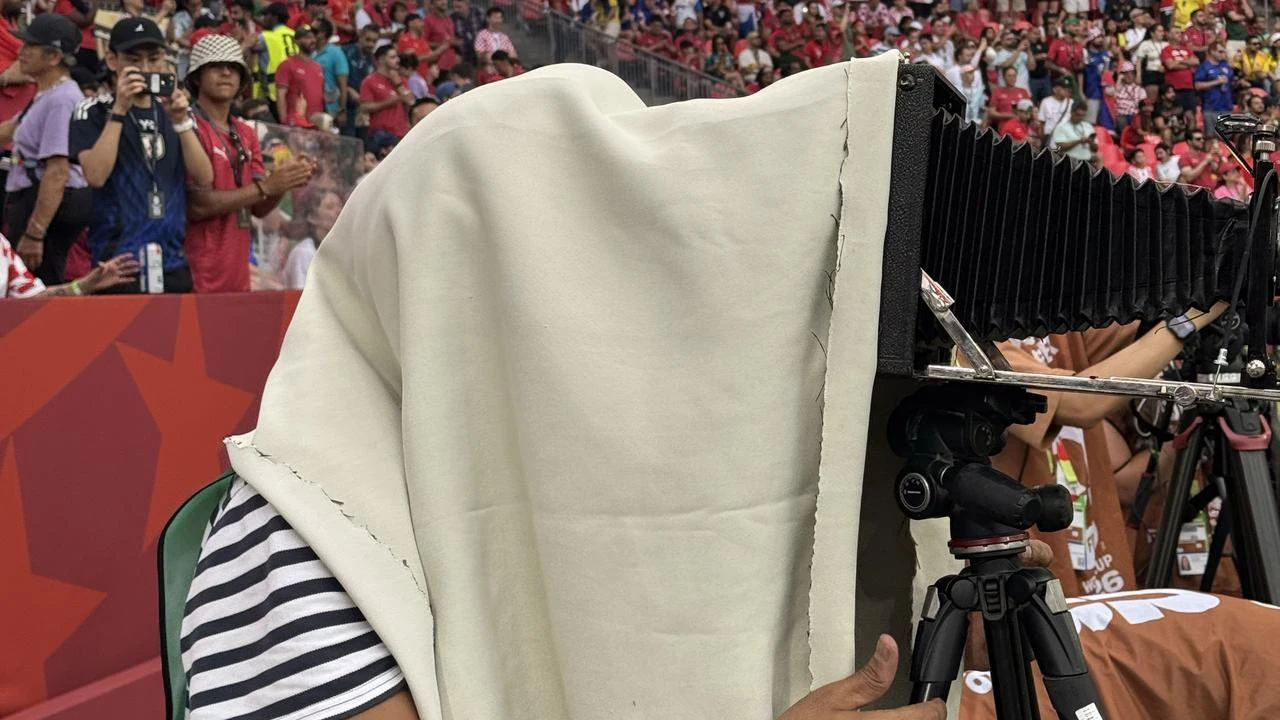
Describing his attachment to the camera, Kotb said travelling with it felt like taking his young son on a journey after it had remained shut away for decades. Reflecting on the contrast between the camera and the technology surrounding it, he said, “When I look at my camera during the match, I feel happy. It feels as though I have come from another time.”
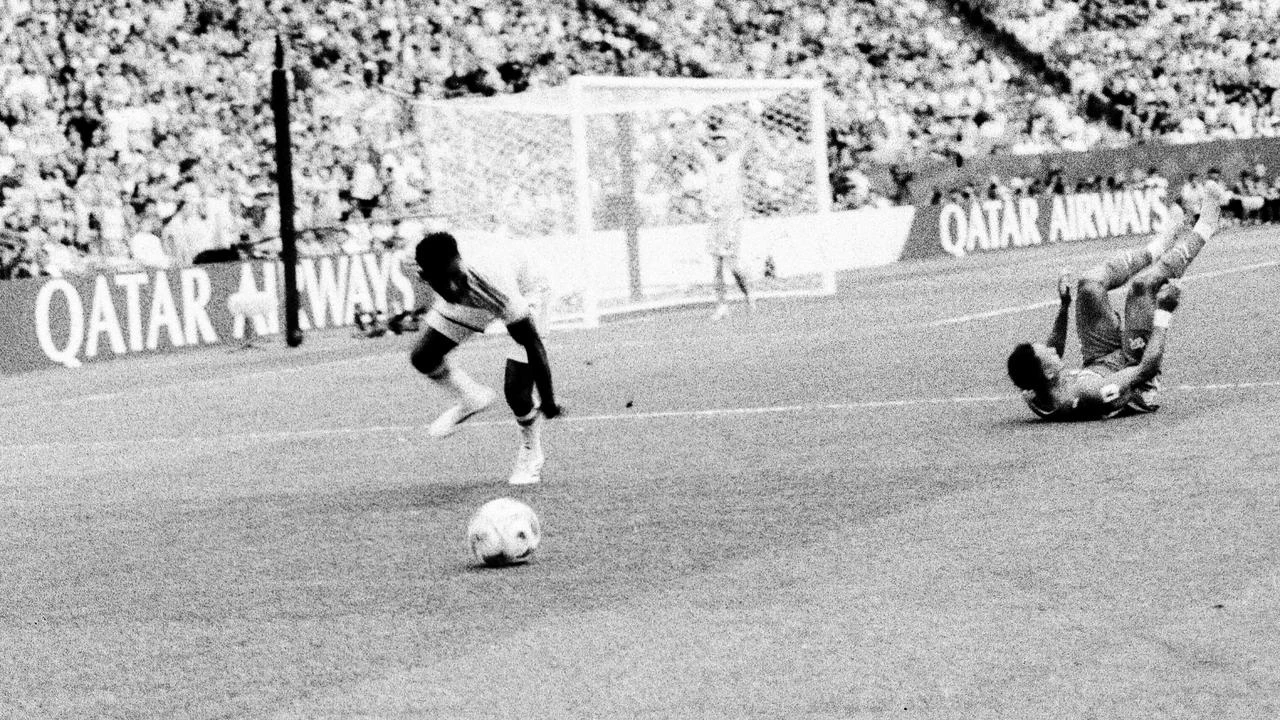
While a digital camera can freeze an action almost instantly, Kotb needs about a minute to open the folding camera, compose the upside-down image beneath a black focusing cloth, insert the film and switch from viewing to exposure mode.
Unable to follow players continuously, he fixes the camera on one area of the pitch and waits for a corner or goalmouth action before developing the negatives in a darkroom and scanning the finished photographs into digital form.


 Set as preferred source

 2 min read