Newsletters


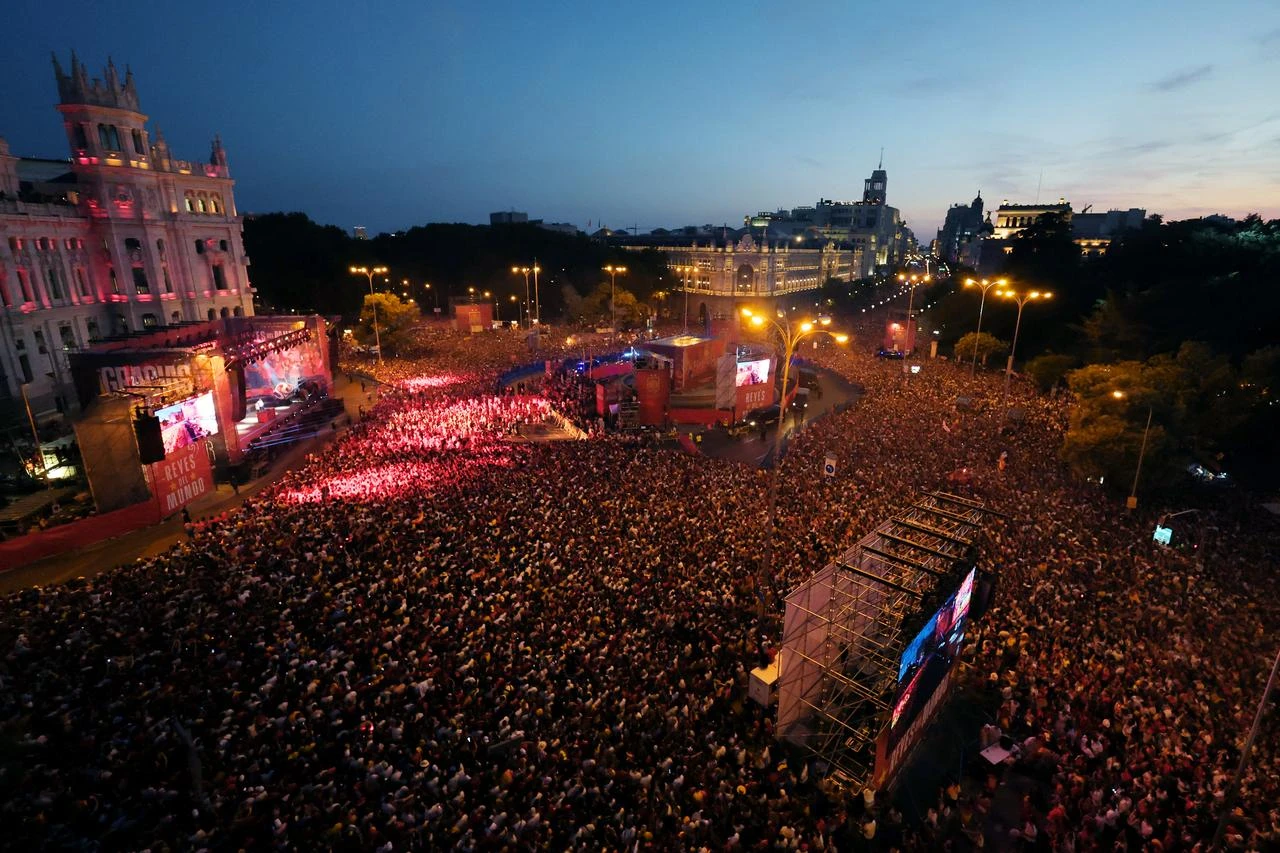


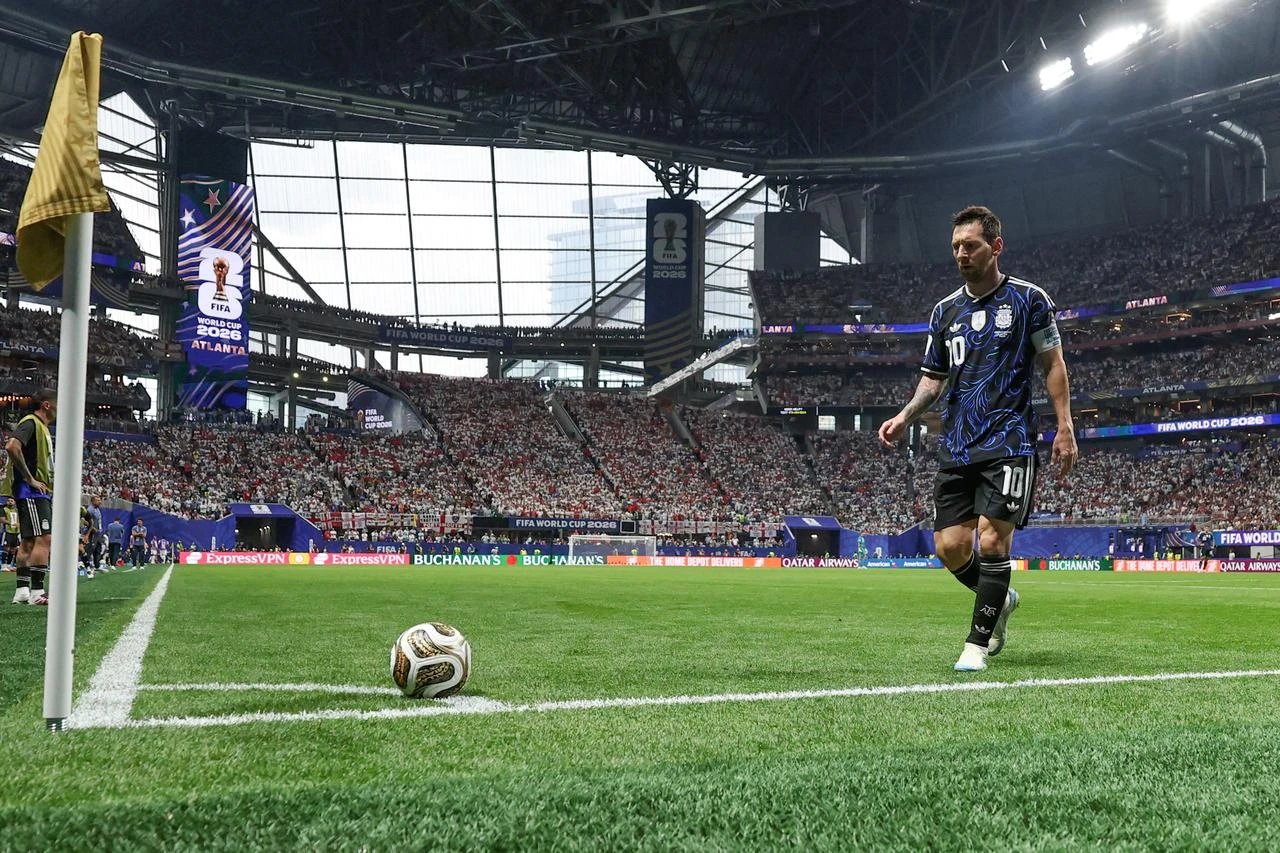
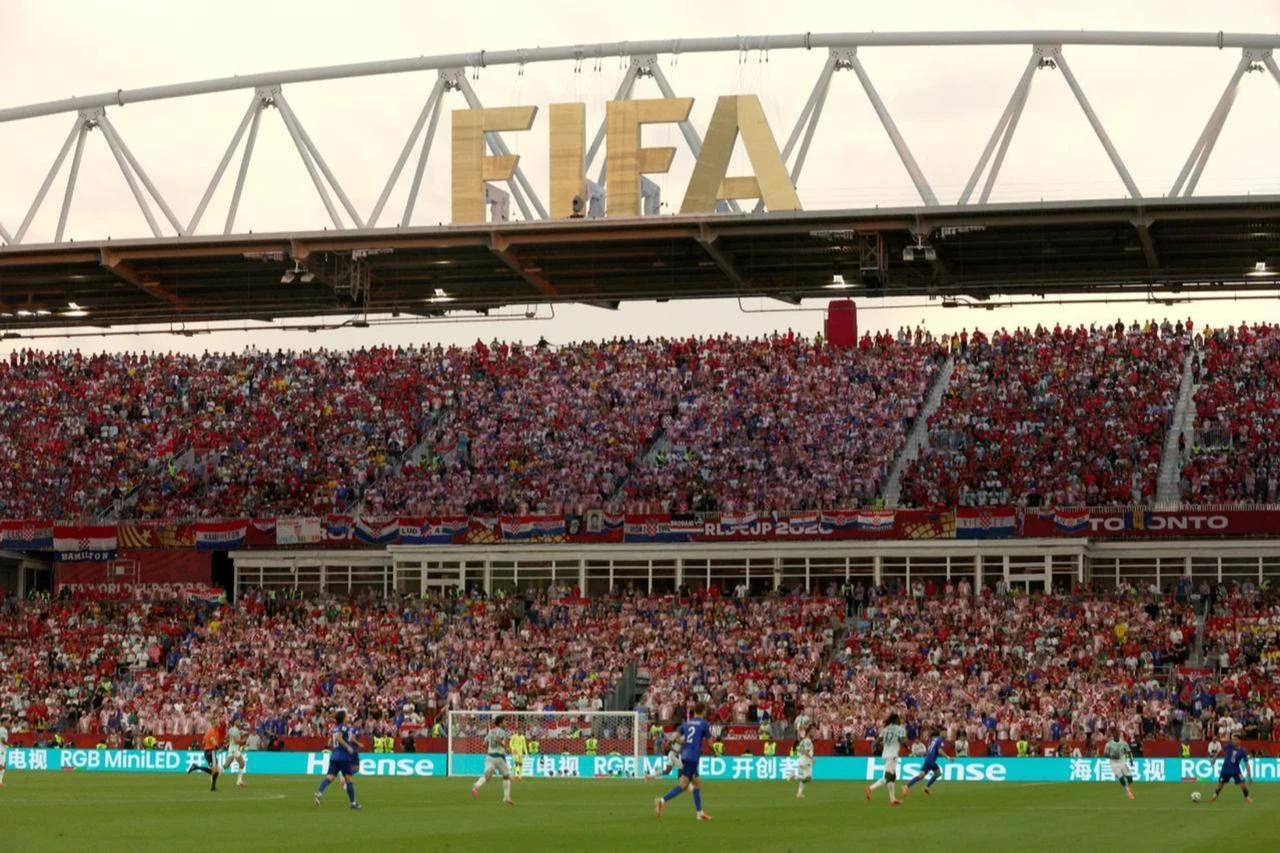
The expanded 2026 FIFA World Cup set a new stadium attendance record, drawing an estimated 6.81 million spectators across 104 matches as the tournament's larger 48-team format helped bring in unprecedented audiences.
FIFA President Gianni Infantino said television viewership had also broken the previous record “many, many times over,” although football's global governing body has not yet released detailed worldwide figures.
Infantino acknowledged that the records were partly driven by the tournament's increased size, with 16 more national teams taking part than in the previous format. However, he said the competition had still “exceeded all expectations.”


Before the third-place playoff and final, FIFA had officially recorded more than 6.6 million spectators at stadiums across the United States, Canada and Mexico.
Following Spain's victory over Argentina in the final, media outlets calculated that overall attendance had climbed to approximately 6.81 million. FIFA had not yet confirmed the final total.
The tournament passed the five-million-spectator mark during France's round-of-32 match against Sweden. The round of 32 is the first knockout stage involving the 32 teams that advanced from the group phase.
The previous World Cup attendance record was set in the United States in 1994, when almost 3.59 million tickets were sold. In 2026, stadiums reportedly operated at 99.7% of capacity, with an average crowd of 65,351 spectators per match, despite continued debate over high ticket prices.
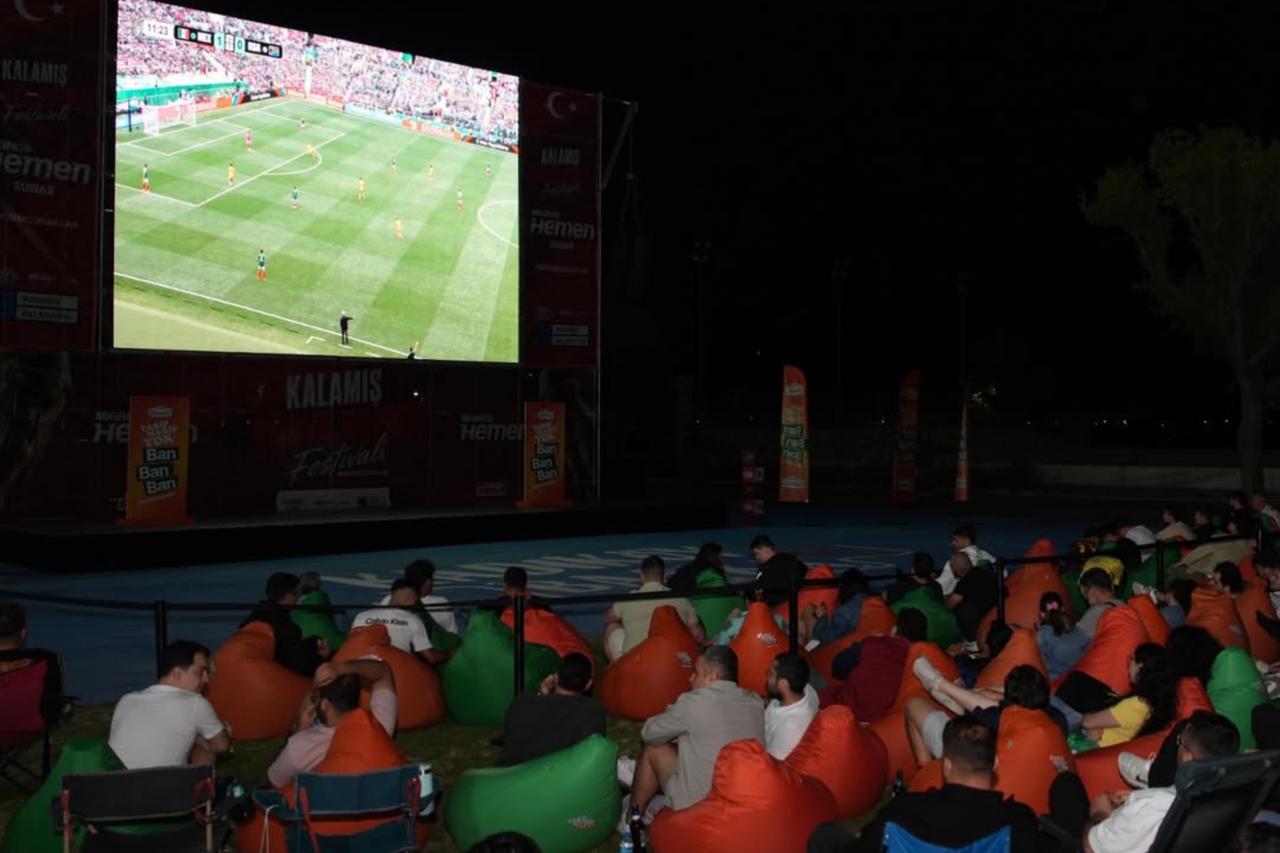
FIFA said television viewership records had been broken both within the host countries and around the world, but it has not yet put out a complete audience breakdown.
During a press conference, U.S. President Donald Trump referred to a figure of “nearly six billion viewers,” although no detailed supporting figures were provided.
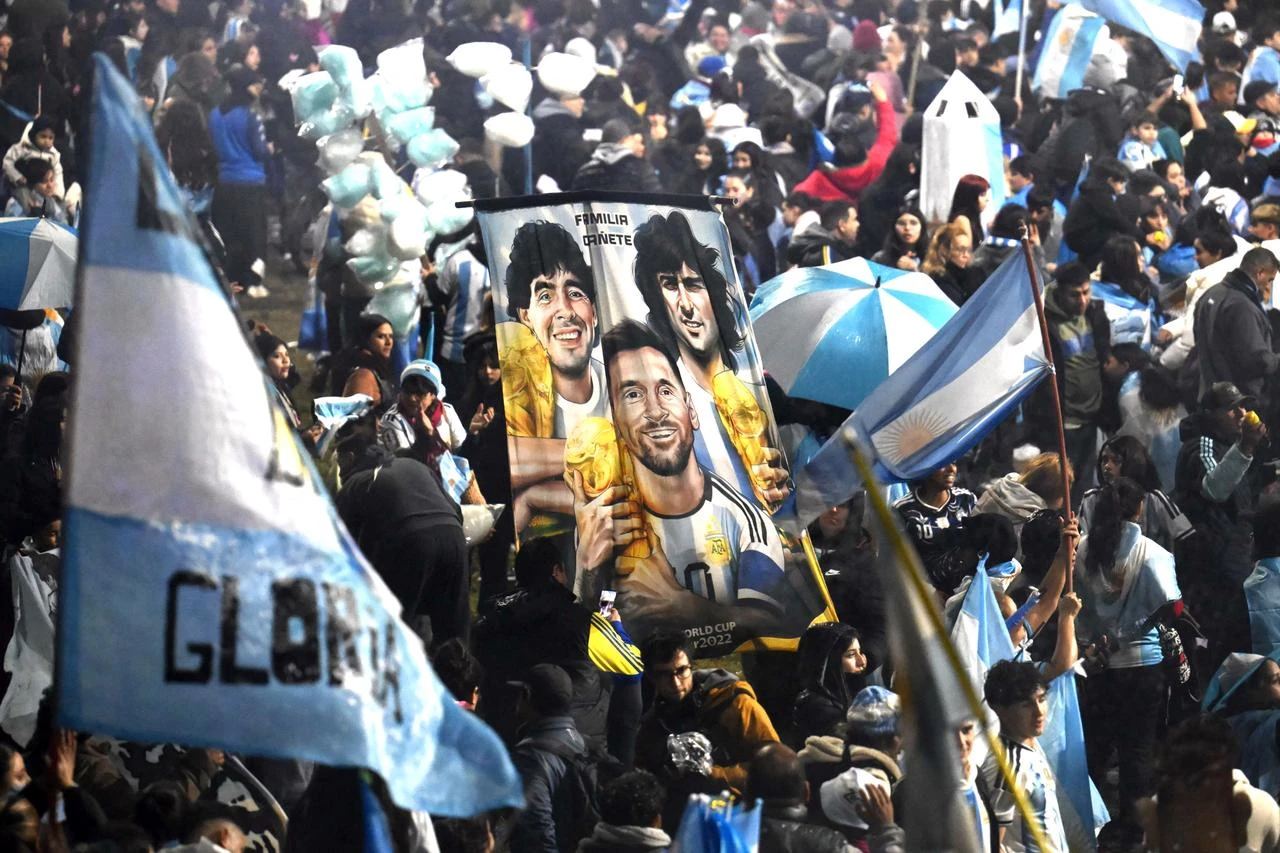
The 2022 final between Argentina and France had previously been the most-watched match in World Cup history, attracting 1.5 billion viewers. That match had overtaken the 2018 final, which drew an estimated audience of 1.12 billion.
FIFA also reported strong digital engagement. By the end of the round of 16, the governing body estimated that 5.2 billion people, close to two-thirds of the global population, had interacted with the tournament at least once through social media or online platforms.
Before the tournament, FIFA projected that its total revenue for 2026 would move beyond €7 billion, equivalent to approximately $8 billion. This would represent a 56% increase compared with 2022, when Qatar hosted the previous World Cup.
Broadcasting-rights income was expected to rise by 34% to nearly $4 billion, while sponsorship revenue was projected to increase by 21%.
FIFA planned to spend $3.7 billion on staging the competition. Around one-quarter of that amount was allocated to participating national teams and to clubs whose players were released for international duty.
The total prize pool was raised by 15% in late April to $871 million, almost double the $440 million distributed during the Qatar tournament.
The champions were set to receive $50 million, while every participating national team was guaranteed at least $12.5 million. However, the payments were not guaranteed to cover the higher costs linked to hosting matches across a wide geographical area in three countries.

The record-breaking figures have emerged as FIFA considers making the World Cup even larger.
At the beginning of the 2026 tournament, Infantino said discussions had taken place about expanding the competition to 64 teams for its centenary edition in 2030.
The 2030 World Cup is set to be staged across Spain, Portugal and Morocco, with additional matches in Paraguay, Uruguay and Argentina.


 Set as preferred source
 Set as preferred source


 1 min read

 1 min read