

 Newsletters


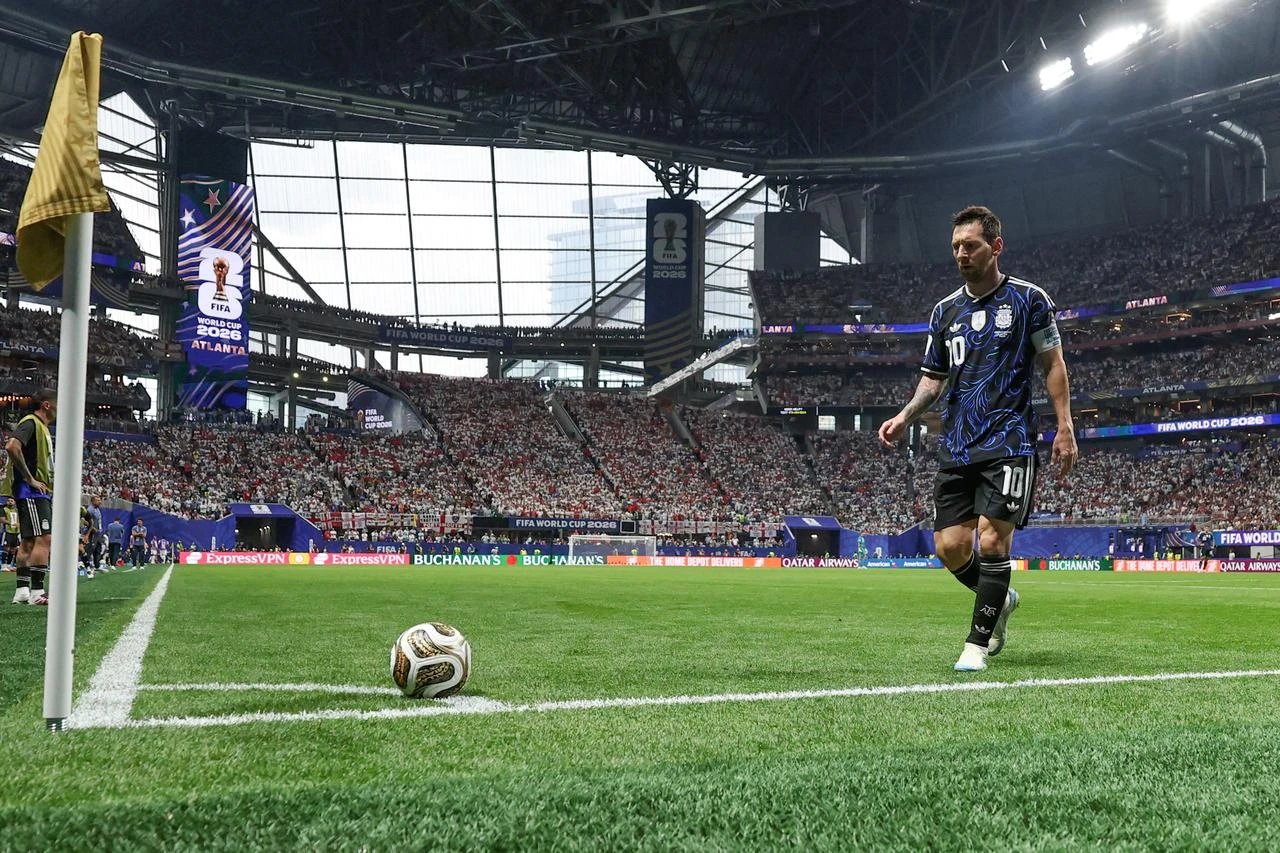


Israel is not playing in this World Cup. It has not played in one since 1970. And yet, in living rooms and public squares from Tel Aviv to Jaffa, this tournament is being watched with an intensity usually reserved for a team of its own.
That contradiction is not an accident. It is the product of five decades without a team to call their own, a diaspora that never really left, and a political moment that has turned a football rivalry into something closer to an alliance. Messi gets the credit. He is only part of the story.
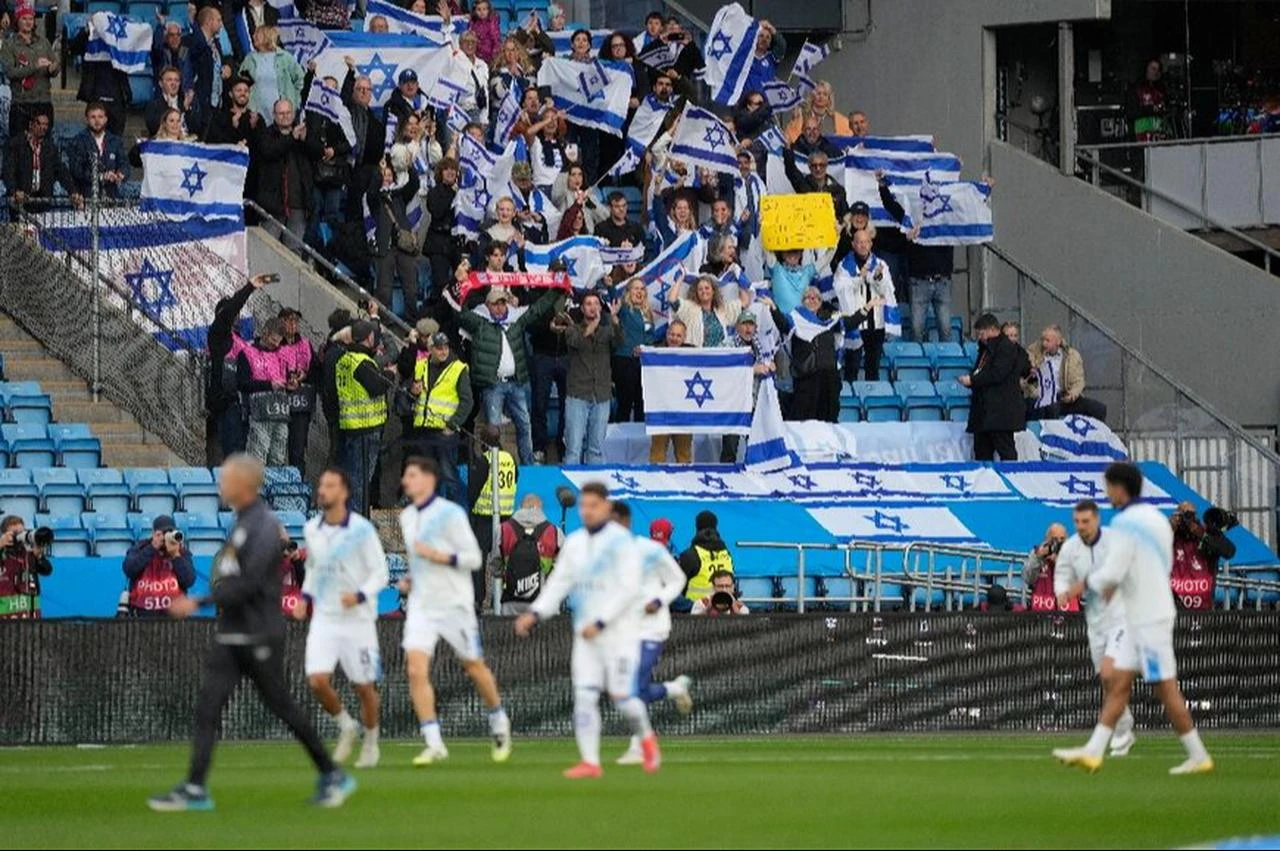

That absence has quietly reshaped how an entire country watches the tournament: not as neutral spectators, but as adoptive fans, borrowing someone else's team and making it their own.
This year, the adoption is lopsided. A poll cited by Globes found 38% of Israeli fans backing Argentina, nearly 14 points ahead of second-place Brazil.
A separate Walla poll found that 61% of Israelis planned to follow the tournament at all, with 34% of men committing to every match, compared with just 8% of women, a gap that says as much about who inherits this loyalty as who chooses it.
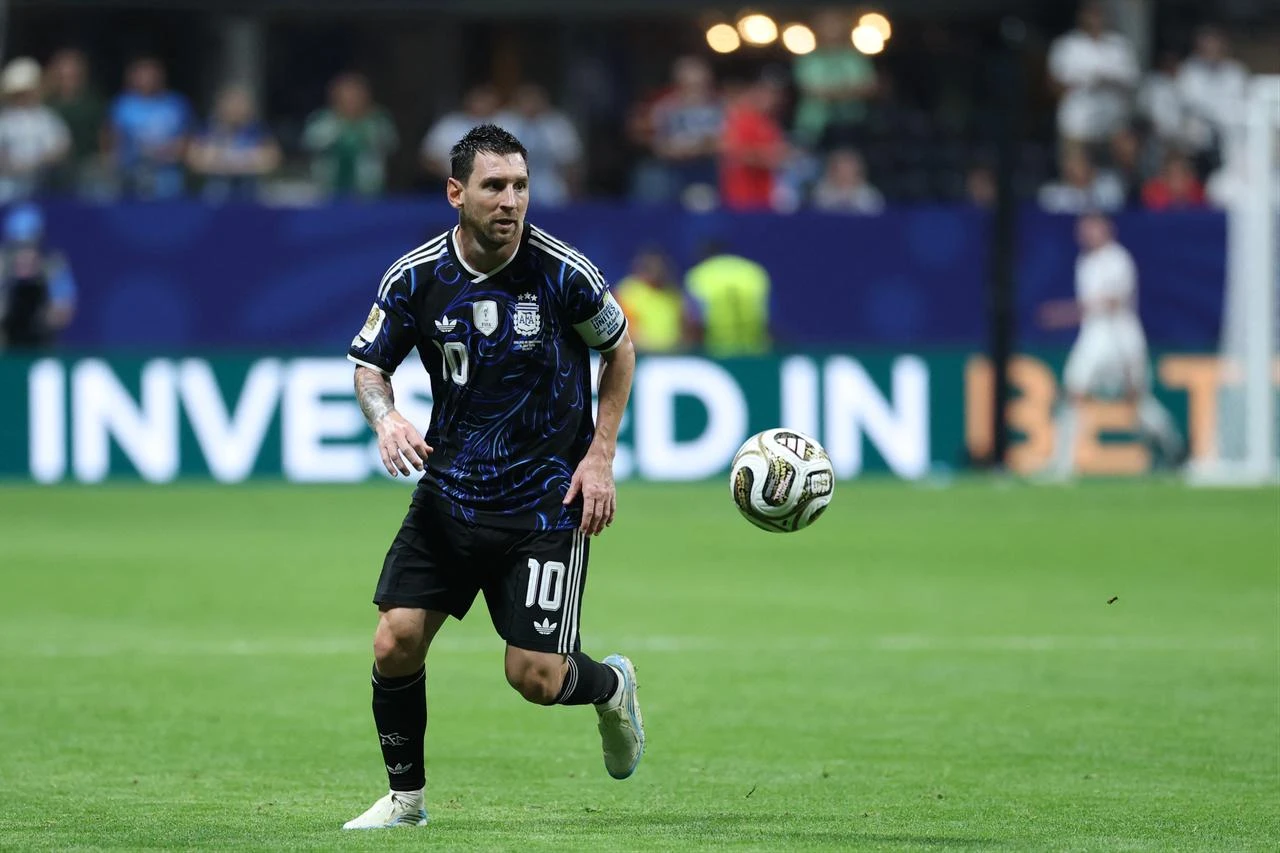
Messi is the easy explanation. Kan sports chief Yoav Berkowitz credited him directly with pulling Argentina ahead of Brazil over the past decade, a gap that widened once Messi finally lifted the trophy in Qatar in 2022.
But Messi alone doesn't explain fans like Adi Keller, who told the Jerusalem Post she feels closer to South American teams than European ones, not because of any one player but because of the noise, the barbecues, and the sense that a match is an all-day event.
That kinship has a demographic backbone. Israel is home to one of the largest Argentine Jewish diaspora communities in the world, according to JFeed. For a meaningful share of Israeli fans, cheering for Argentina was never really adopted. It was always family.
What complicates the story is that Messi has done almost nothing to invite it. He is Catholic, not Jewish, and has spent his career carefully steering clear of political statements, according to a Times of Israel retrospective.
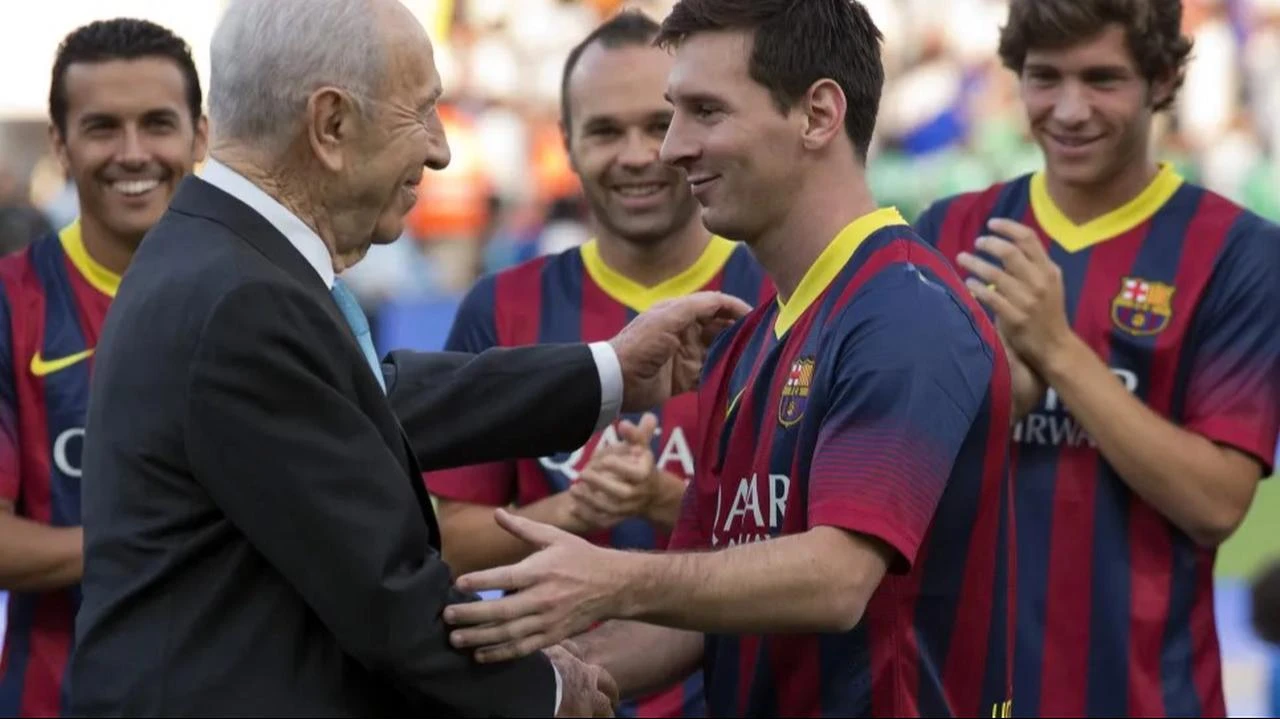
And yet he keeps getting pulled back in: a 2013 stop at the Western Wall on a Barcelona "peace tour," a 2020 ambassadorship for the Israeli company OrCam, and, most consequentially, the collapse of a 2018 friendly in Jerusalem after Boycott, Divestment and Sanctions pressure—an episode that ended with FIFA suspending the Palestinian soccer federation's president over threats made against Messi. A rescheduled match went ahead in Tel Aviv the following year without incident.
Even the shirt on his back carries the connection. Argentina's crest was designed in 1976 by Norberto "Toto" Rud, a member of a Jewish sports club in Buenos Aires, according to the Jewish Telegraphic Agency—a detail almost no one watching knows and one more thread in a bond that keeps finding new ways to reassert itself.
If diaspora and nostalgia explain the quiet, decades-long affection, this year's politics explain why it's suddenly loud. President Javier Milei has called himself "the most Zionist president in the world" and made support for Israel a defining plank of his presidency.
Prime Minister Benjamin Netanyahu, for his part, has said plainly that his own rooting interest has less to do with Messi than with Milei, calling the Argentine leader "a great friend of Israel," turning a sports allegiance into something closer to a diplomatic toast.
Not everyone is applauding.
Some critics of Israeli policy have cited Messi's past associations as reason enough to oppose Argentina outright, while an Argentine Jewish rights group has separately raised concerns about Milei's use of Jewish symbolism for political ends, according to Euronews.
The affection isn't really about Argentina at all. It's about what Israel doesn't have—a team of its own, a straightforward rooting interest, and a World Cup story that isn't tangled up in geopolitics. Argentina just happened to be close enough, familiar enough and, this year, politically convenient enough to fill that gap.


 Set as preferred source
 Set as preferred source


 2 min read
 1 min read


