Newsletters


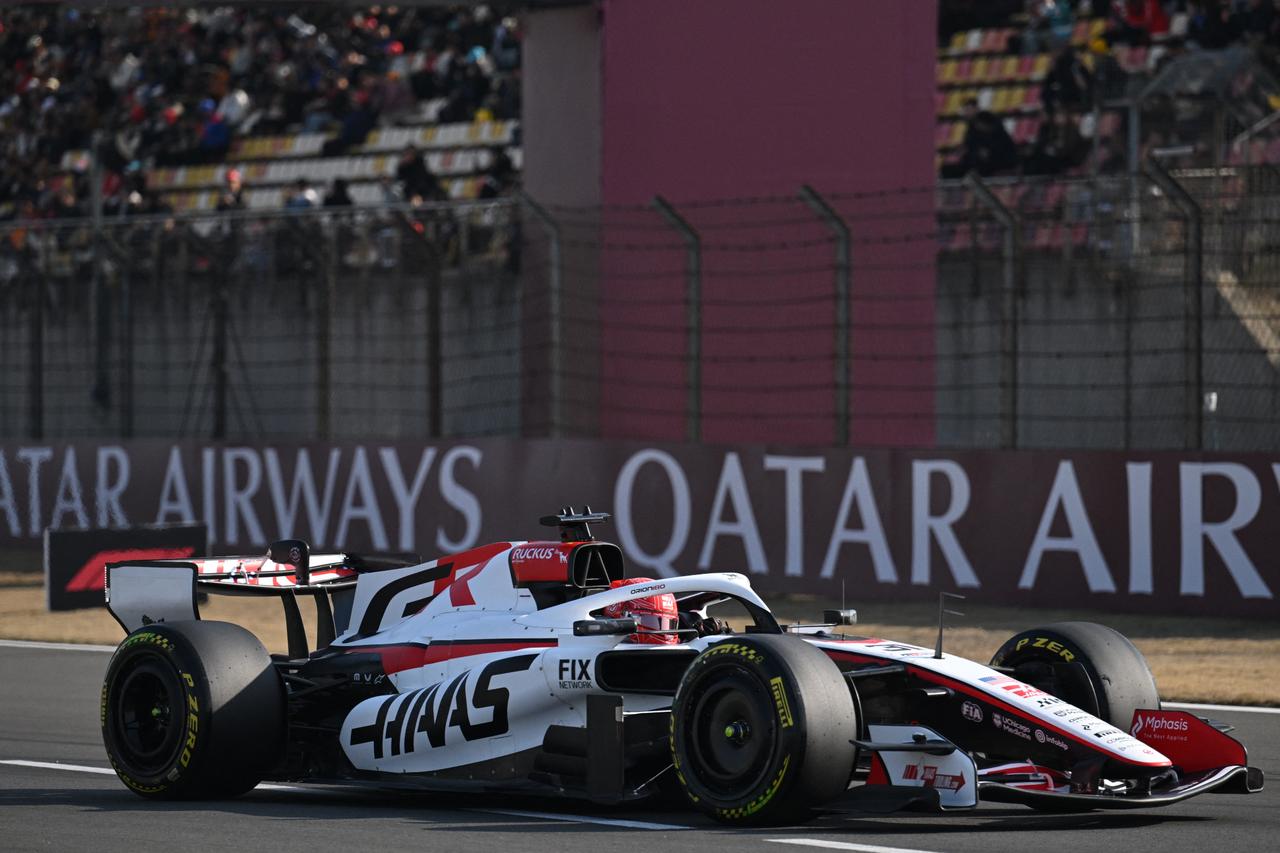


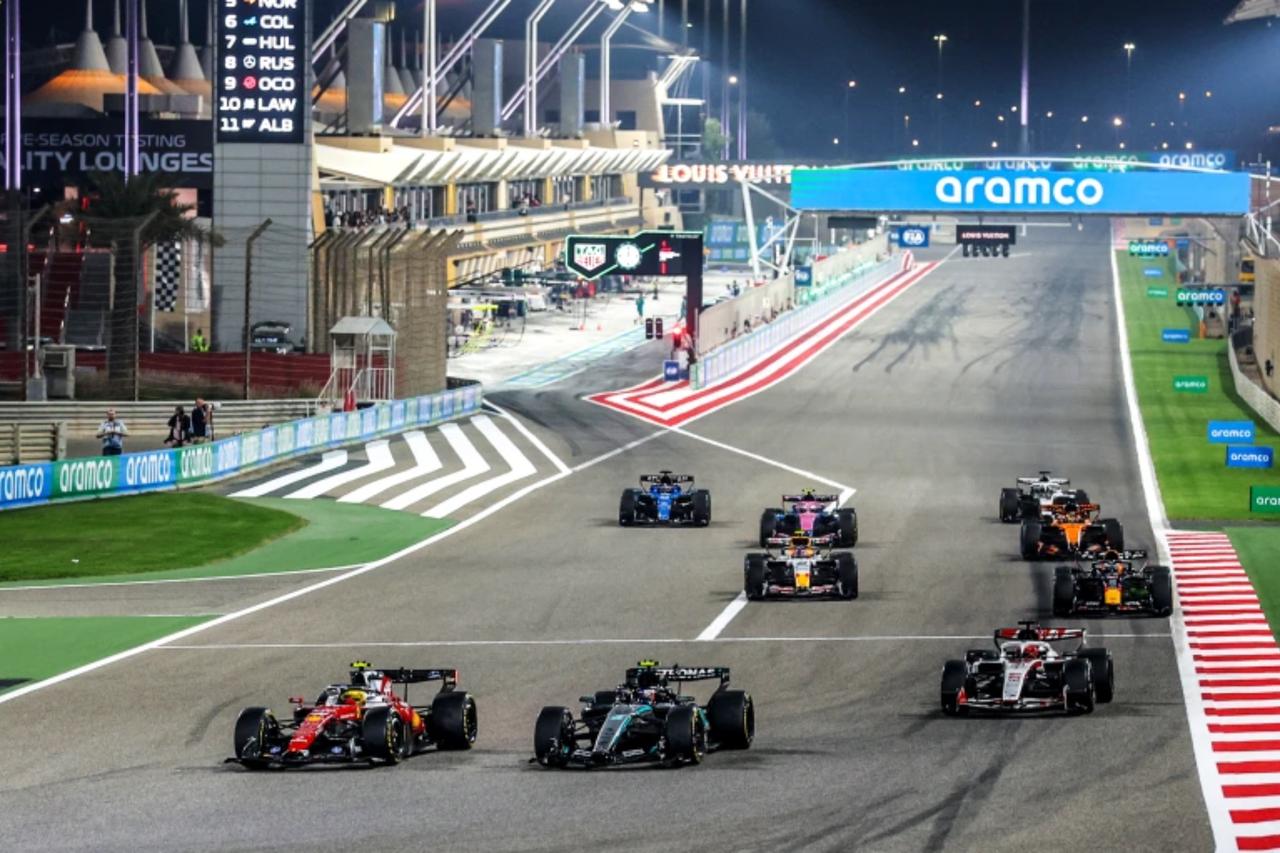
Formula 1 is expected to confirm the cancellation of the Bahrain Grand Prix and the Saudi Arabian Grand Prix this weekend, as the ongoing conflict in the Gulf region continues to disrupt travel, logistics and event planning across the sport.
According to sources within the paddock at the Formula One Chinese Grand Prix in Shanghai, the governing bodies of the championship have been closely monitoring the situation since hostilities erupted on Feb. 28 following joint U.S.-Israeli strikes on Iran.
Officials from Fédération Internationale de l'Automobile and Formula 1 have remained in contact with local authorities and race promoters in both Bahrain and the Saudi port city of Jeddah while assessing the risks posed by the regional conflict.
According to Adam Cooper, with no improvement in security conditions and air travel across the Gulf still heavily affected, the two races are now expected to be removed from the 2026 championship calendar.
The two Middle Eastern races had been under review since the escalation of hostilities in the region, which has complicated international travel and freight operations that underpin the sport’s global race schedule.
While safety has been the primary concern, organizers have also had to work through complex commercial considerations tied to race hosting agreements and logistics.
Saudi organizers were understood to have explored ways to keep their race on the calendar, but the lack of stability in the region ultimately forced Formula 1 and the FIA to move toward cancellation in order to give teams, suppliers and event staff enough time to adjust their plans.
The decision is also expected to trigger a wave of operational changes, as thousands of flights and hotel bookings linked to the events will now be called off.
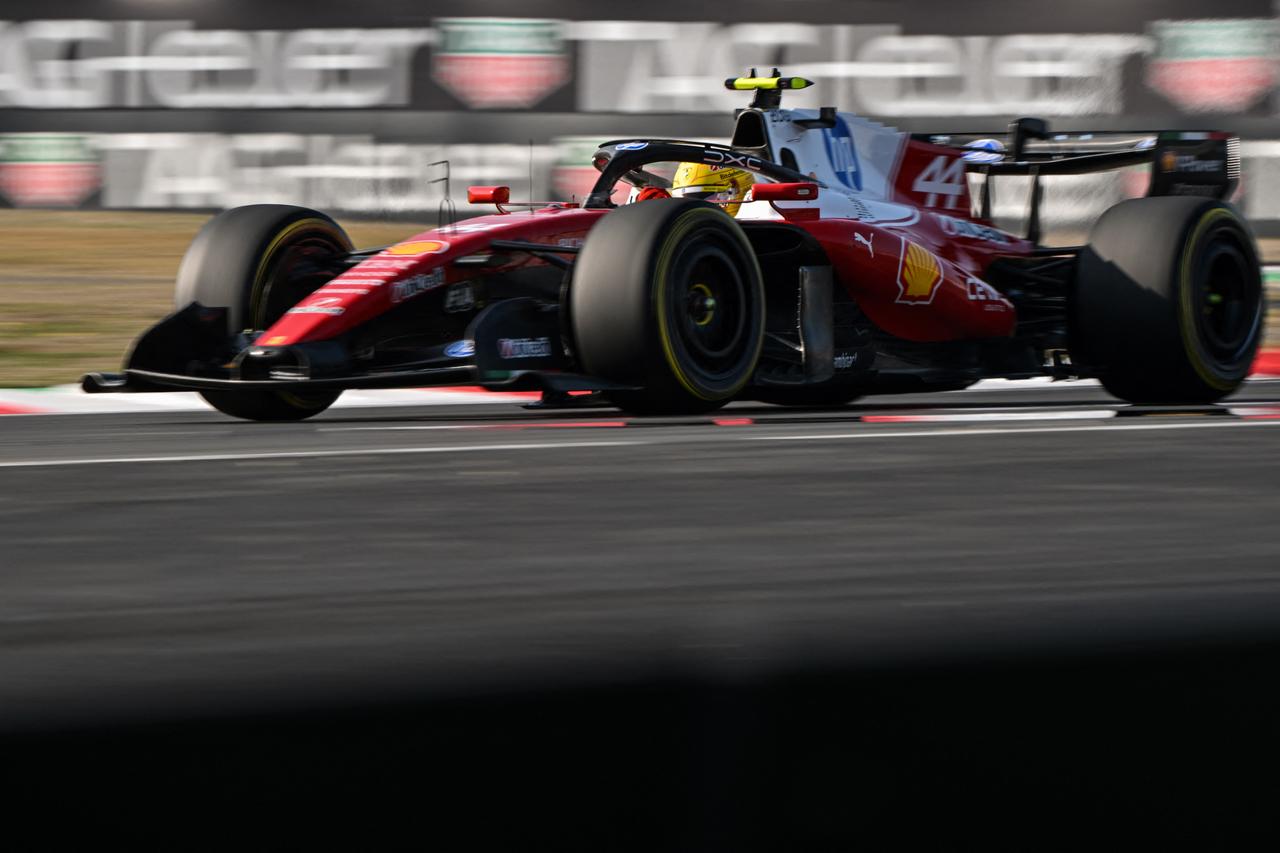

If confirmed, the cancellations would reduce the 2026 Formula 1 calendar to 22 races, leaving a four-week gap between the Japanese Grand Prix at Suzuka and the next scheduled event in Miami.
Formula 1 currently has no plans to replace either race, according to sources familiar with the discussions.
One of the key logistical deadlines came after the Suzuka race in Japan, when freight used by the teams was originally scheduled to leave for Bahrain before continuing on to Saudi Arabia.
Instead, that equipment will now be redirected to the United States for the Miami race.
Because of the long gap in the schedule, organizers are also considering whether the cargo should travel directly to Florida or temporarily be stored in a climate-controlled facility during the interim period.
The sudden shift in logistics affects not only Formula 1 teams but also the junior series that share parts of the championship calendar.
Freight belonging to FIA Formula 2 Championship and FIA Formula 3 Championship is still located in Melbourne, as both series were scheduled to race in Bahrain, with Formula 2 also heading to Jeddah.
While it remains unclear whether the lost races in those championships will be rescheduled, replacement events are considered likely because drivers have already paid for full-season participation contracts.
Meanwhile, Formula 1 teams face additional complications because large amounts of equipment remain in the Middle East following earlier preseason activities.
Several teams had left sea freight in Sakhir after winter testing in Bahrain, where garages were still set up when the conflict began.
Companies such as Pirelli, along with teams including McLaren and Mercedes-AMG Petronas Formula One Team, had also remained in Bahrain for a planned tyre test that was later cancelled once hostilities escalated.
Some sea freight has already reached Jeddah but remains packed in crates, which may make it easier to redirect to another destination.
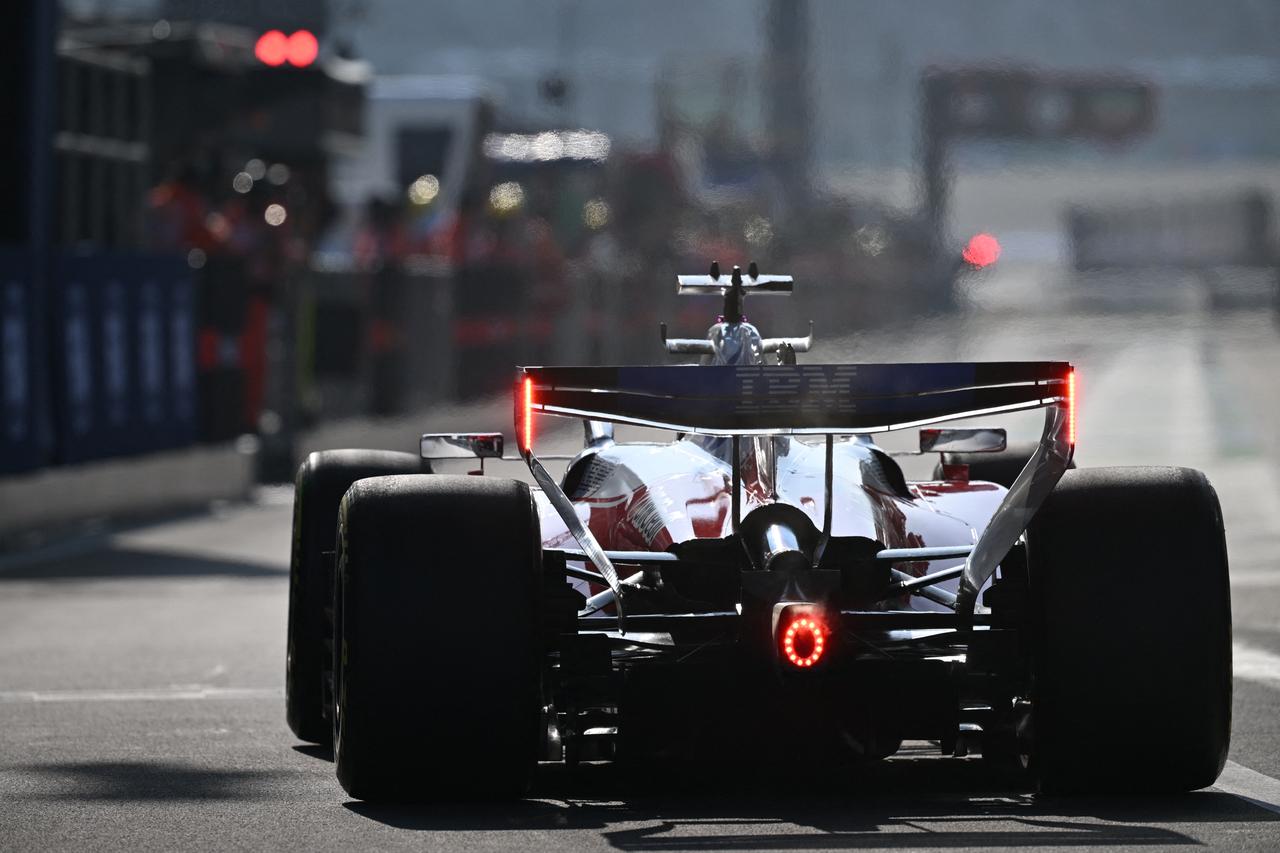
The loss of two races will also reshape the technical timeline of the championship.
With a month now opening up in the calendar, teams are expected to return to their European factories to analyze data from the first three races and accelerate research and development work on their cars.
Drivers are also likely to spend additional time in team simulators as engineers refine upgrade packages that had originally been scheduled to debut in Bahrain and Saudi Arabia.
Those updates will now likely appear later in the season, starting with the Miami Grand Prix.
The change also alters the timing of an upcoming technical regulation adjustment. A new compression ratio test originally set to take effect on June 1 during the Monaco Grand Prix will now come into force after five races rather than seven due to the shortened early-season schedule.
Team principals have largely refrained from speculating publicly about the situation, choosing instead to rely on guidance from the sport’s governing bodies.
Audi team principal Jonathan Wheatley suggested that teams trust the decision-making process led by Formula 1 and the FIA.
“They have always led us in the right direction,” Wheatley said, adding that no team would accept a scenario that placed staff in an uncomfortable or unsafe situation.
He also pointed out that while logistics remain a major operational challenge in Formula 1, teams are accustomed to dealing with unexpected disruptions and can adapt when necessary.


 Set as preferred source
 Set as preferred source


 1 min read
 1 min read