Newsletters


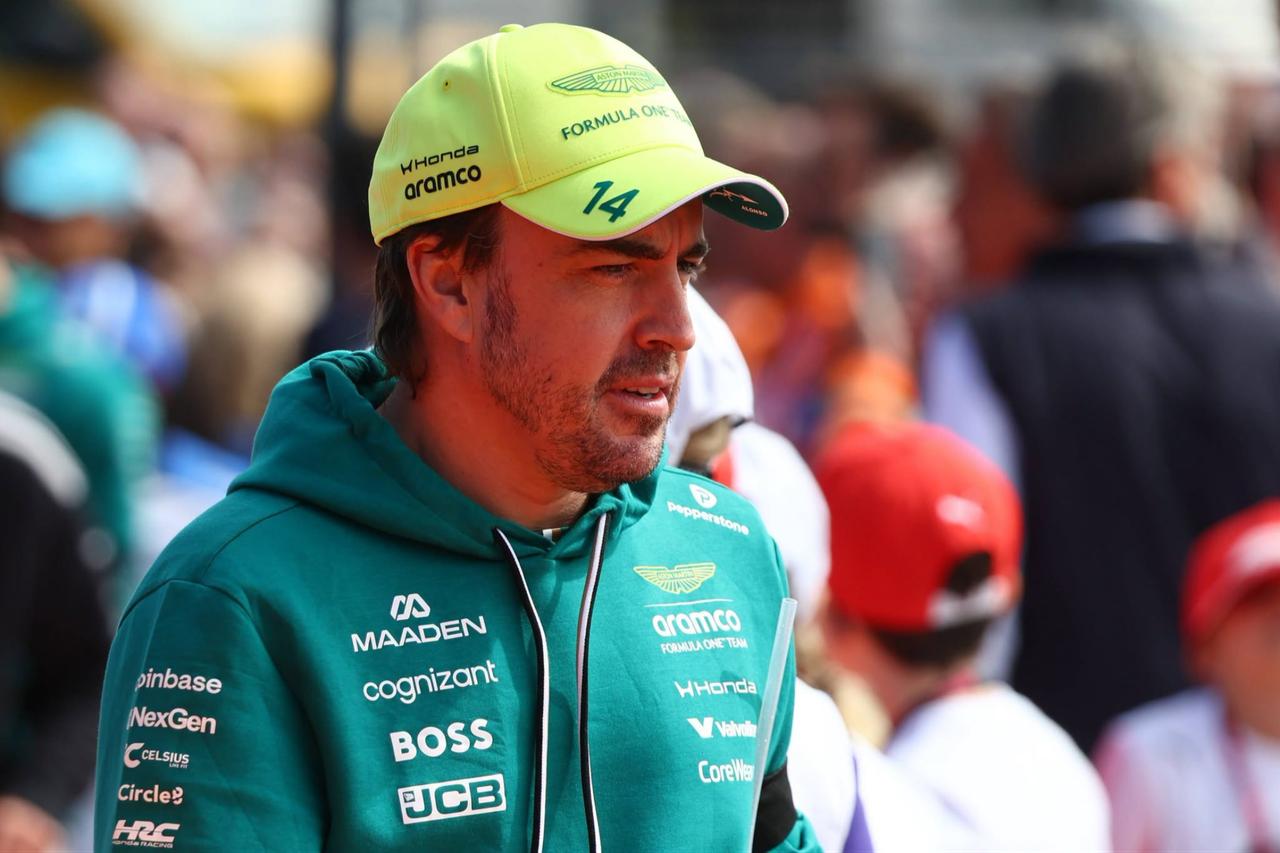


Fernando Alonso said his decision on whether to continue racing in Formula 1 beyond the 2026 season depends more on the sport's regulations than on Aston Martin's results, speaking ahead of the Italian Grand Prix at Monza.
The 45-year-old two-time world champion's contract with Aston Martin expires at the end of the current season, and he has not yet said whether he will sign an extension.
"This is not the Formula 1 we grew up with. This is not the Formula 1 that we all want," Alonso said, adding that he hopes to help shape future regulations and contribute to restoring what he called "the real Formula 1."
Alonso has been a vocal critic of the power-unit rules introduced this season, describing the competition as a "battery world championship" due to the greater role of electrical power and energy management.
Formula 1 has agreed to rebalance power-unit output from 2027, increasing the contribution of the internal combustion engine and reducing electrical power.
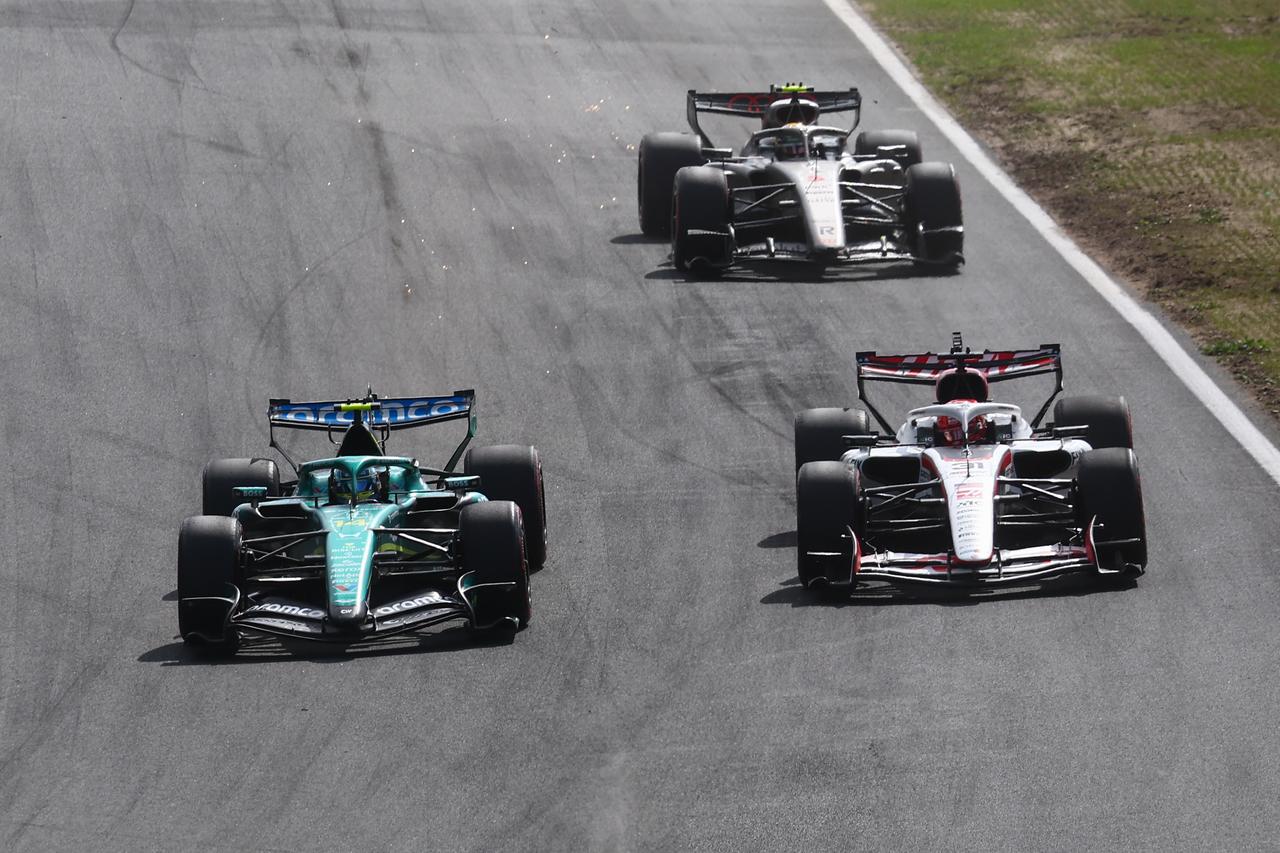

Alonso finished ninth at the Dutch Grand Prix in Zandvoort, earning 2 points for his best result of the season and moving to 19th in the drivers' standings with 3 points.
He said the result was not enough to influence his decision about remaining in the sport, and that Aston Martin needed to improve both its chassis and engine for next season.
Asked whether the Zandvoort points were enough to sway him toward staying, Alonso said "no," adding that his choice "is not really about the car."
He said he would continue competing "at 100%, fighting for P15 or fighting for a podium," but that his future "is more about the regulations."
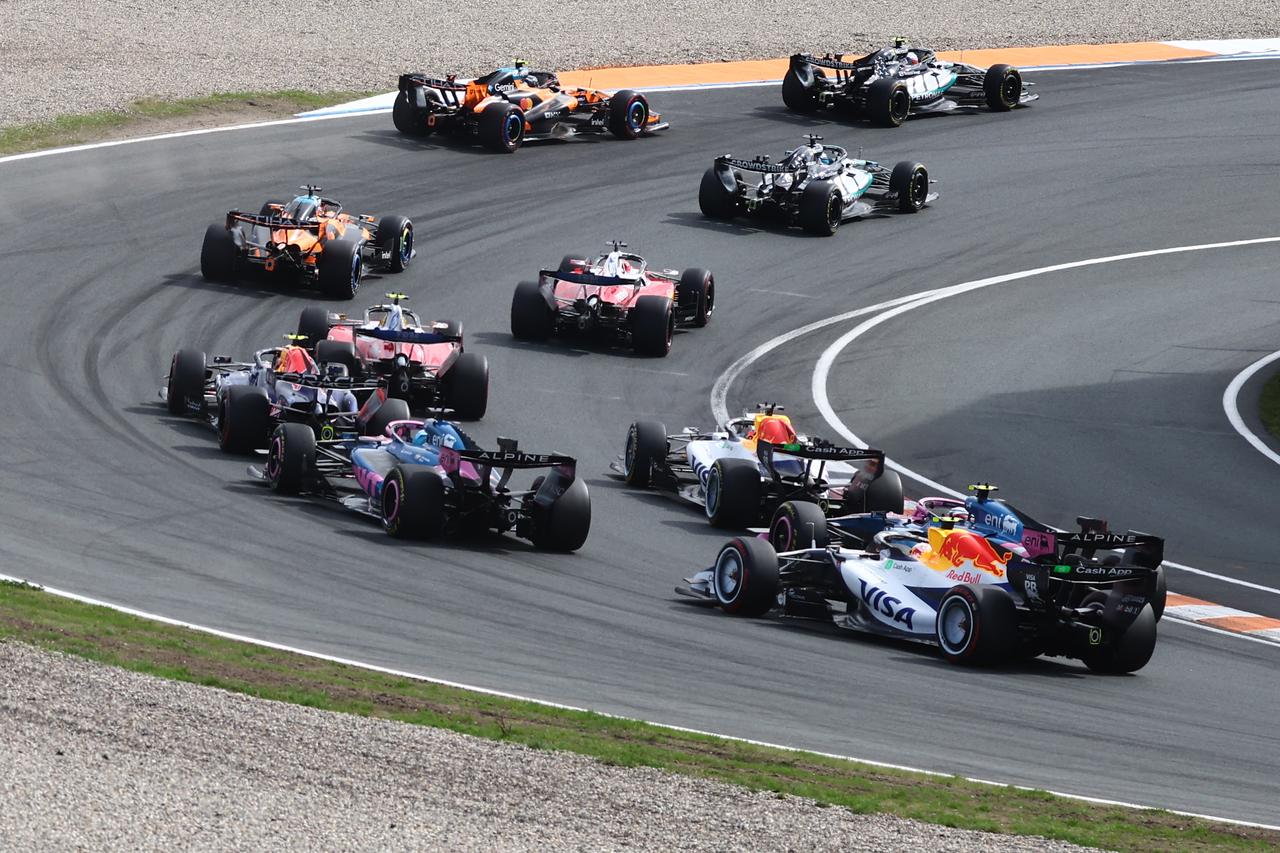
Aston Martin sits near the bottom of the constructors' standings this season in its first year partnered with Honda's power units.
Team trackside chief Mike Krack said the team is prepared to wait for Alonso's decision, telling reporters at Monza that a resolution in "September, October, November" would not be a problem.
Alonso holds the Formula 1 record for the most Grand Prix starts, with the Italian Grand Prix set to be his 438th.


 Set as preferred source
 Set as preferred source


 2 min read