Newsletters


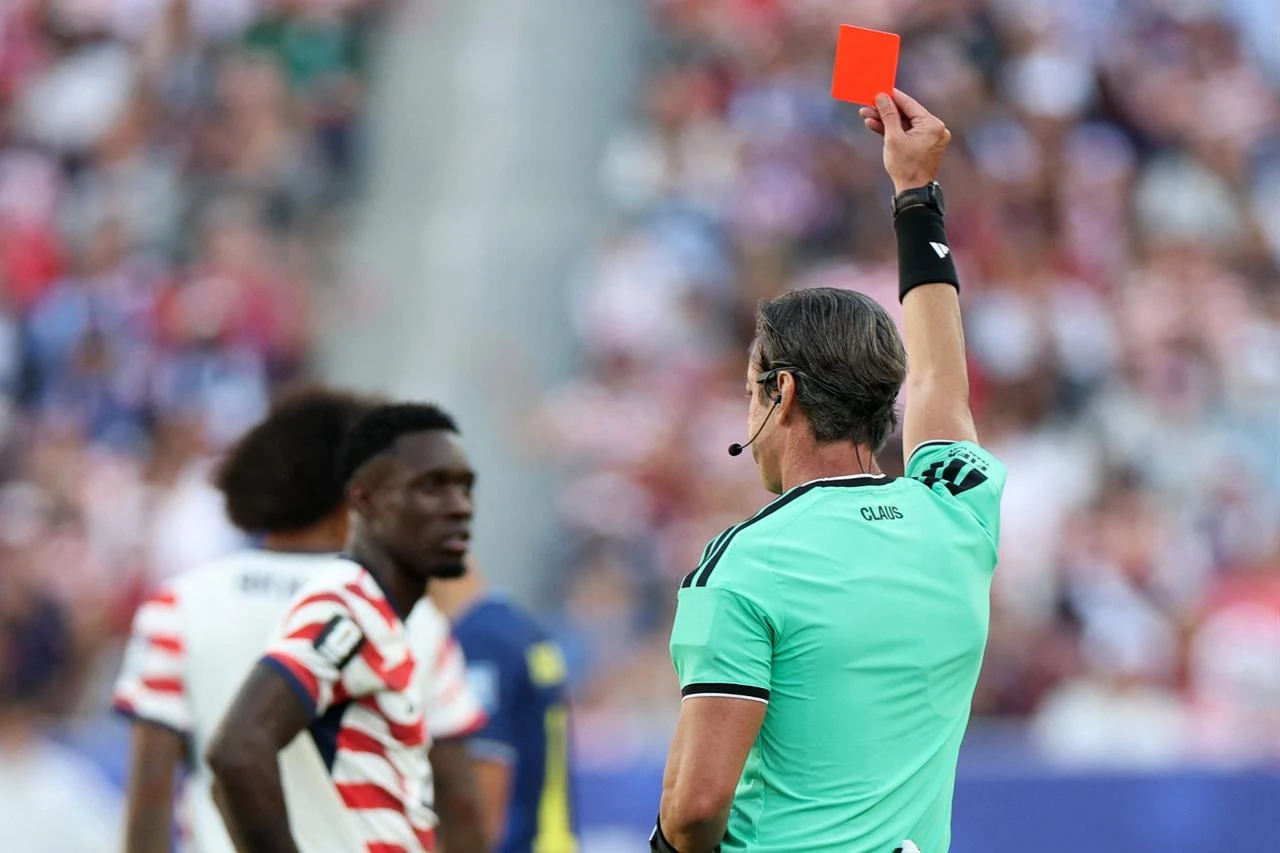


FIFA has suspended the automatic one-match ban triggered by Folarin Balogun's red card in the United States' round-of-32 victory over Bosnia-Herzegovina, clearing the striker to play in Monday's round-of-16 match against Belgium in Seattle, in what appears to be a historically rare application of disciplinary rules at a major tournament.
The decision, announced on FIFA's website, cited Article 27 of the FIFA Disciplinary Code, placing Balogun's suspension on a one-year probationary hold rather than enforcing it immediately.
U.S. Soccer welcomed the ruling, saying it accepted the disciplinary committee's decision and that its full attention had turned to Monday's match against Belgium.
The U.S. kicks off against Belgium at 8 p.m. ET in Seattle, with a place in the quarterfinals, the team's first since 2002, on the line.
Balogun scored the opening goal in the 45th minute of the United States' 2-0 win over Bosnia-Herzegovina on Wednesday before being shown a red card in the 64th minute for a challenge on Bosnian defender Tarik Muharemovic, which officials deemed dangerous.
Speaking on Friday, Balogun pushed back on the call, arguing that the contact was unavoidable. "If you played the game, you would understand there's scenarios that you simply can't avoid," he said, "and it has to be taken into context when it's being reviewed."
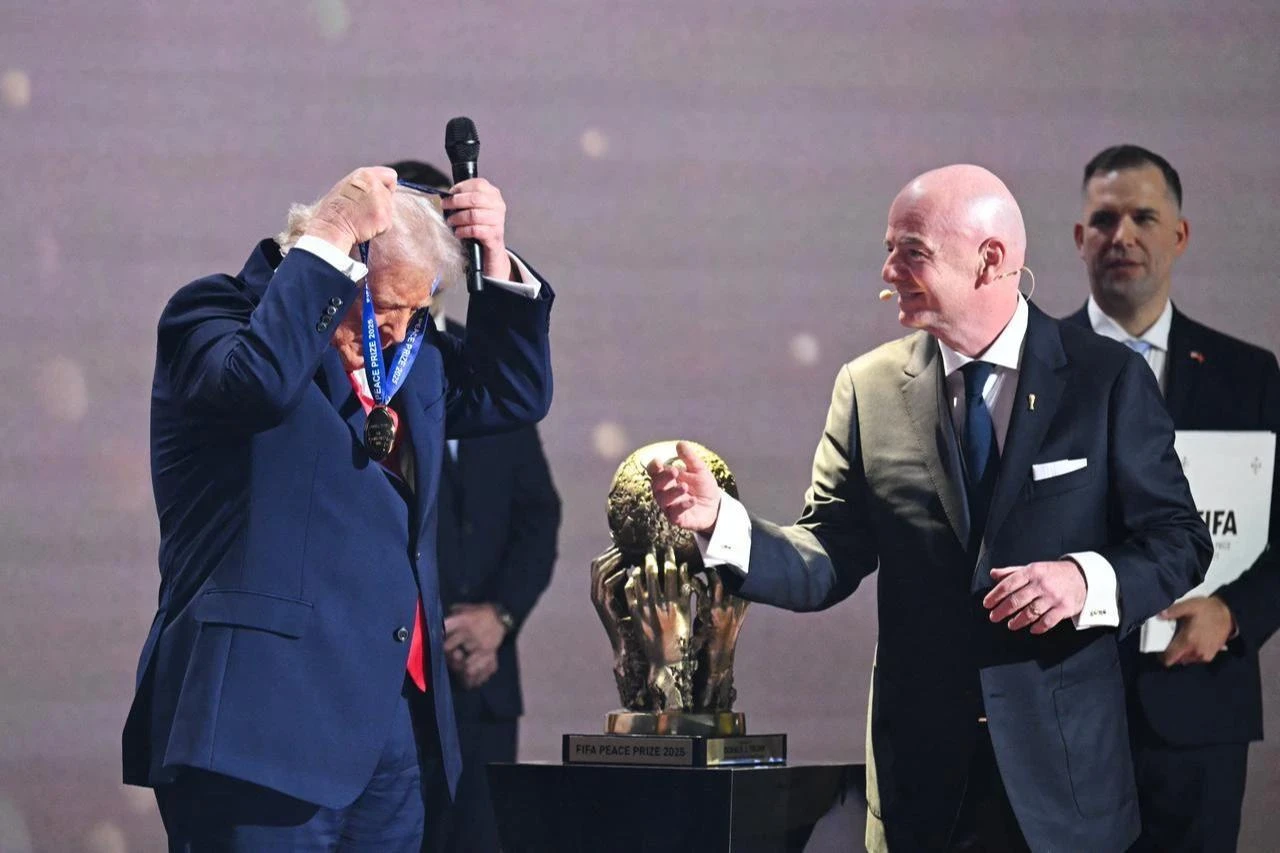

U.S. President Donald Trump publicly celebrated the decision on Truth Social, writing that FIFA had done "what was right" by reversing what he called "a great injustice."
Beyond the public statement, sports broadcaster and senior football correspondent Ben Jacobs of GiveMeSport reported exclusively that the White House made a direct call to FIFA, contacting president Gianni Infantino to request a review of the red card.
FIFA, when approached for comment by ESPN, referred to the findings of its independent disciplinary committee. Sources within the governing body insisted that White House pressure could not have influenced the outcome, pointing to the independent nature of the panel and the specific provisions of Article 27, which governs the suspension of bans on probationary terms.
The use of Article 27 to hold a red card suspension in abeyance during an active World Cup has drawn widespread attention, with observers describing it as an application not previously seen in the sport.
Critics in football circles went further, describing the ruling as evidence of political and commercial interference in the game, with some commentators arguing that FIFA, as a partner of major corporate interests, had openly manipulated the outcome to keep the host nation's team in the tournament, and that established legal and sporting norms had been abandoned under pressure.
FIFA has not offered additional public explanation beyond its initial statement citing the disciplinary code.


 Set as preferred source
 Set as preferred source


 1 min read

 1 min read