Newsletters


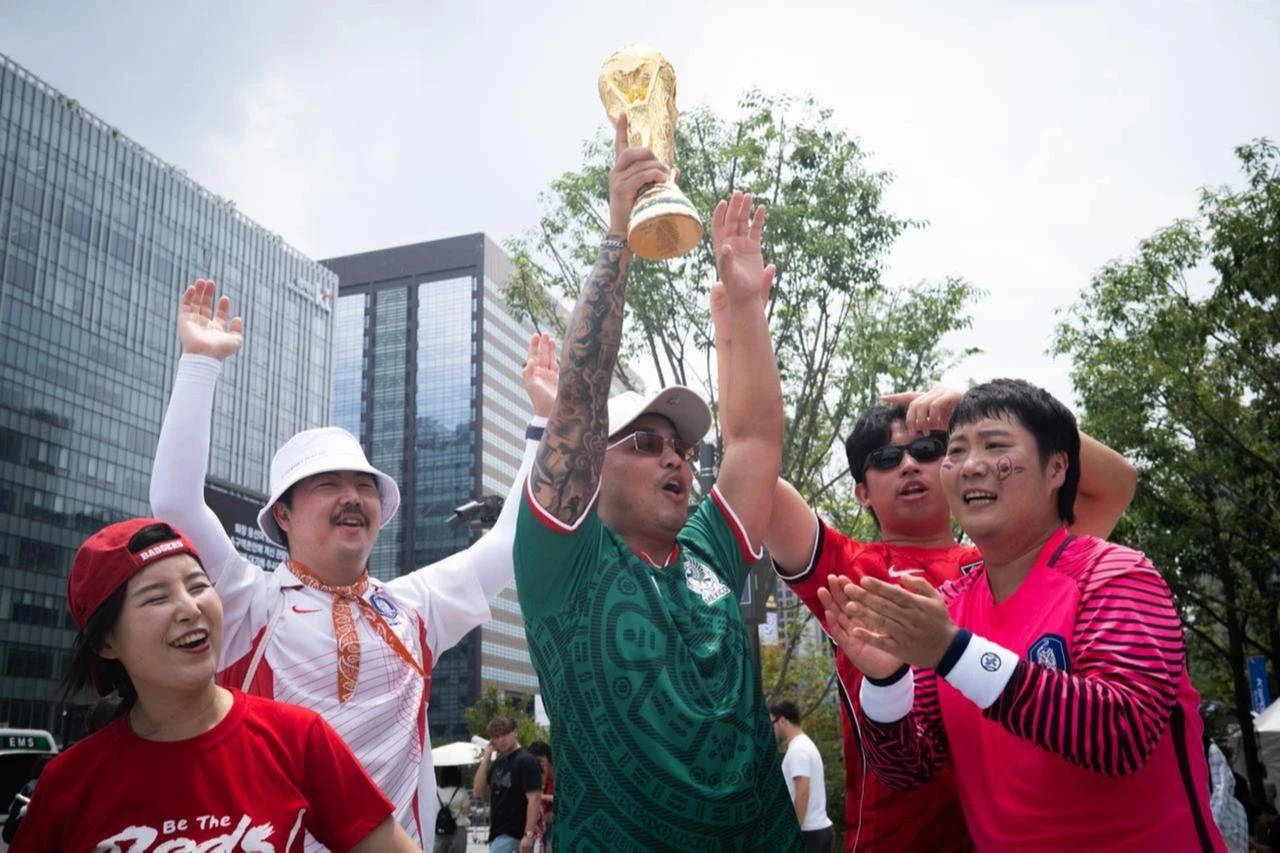


Football brought Mexican and South Korean supporters together during the 2026 FIFA World Cup, but the friendship that caught international attention had already been taking shape for years through migration, shared history and industrial ties.
That connection can be seen clearly in Pesqueria, an industrial municipality around 38 kilometers from Monterrey, one of Mexico's three World Cup host cities. Known locally as "Pescorea," the area has built up a significant Korean presence around a major KIA manufacturing plant that opened in 2016.
Along the roads leading to the KIA factory, Korean-language signs appear on banners, shops, restaurants and cafes. Mexican businesses have also added Korean translations to their storefronts as they try to reach workers and families who have moved into the area.
Cesar Garza, who manages an industrial security equipment store, said the arrival of KIA and its supporting companies had brought in a large Korean community, prompting his business to put up a Korean translation on its main banner.
The exchange also shows up inside local convenience stores, where Mexican snacks sit alongside Korean instant noodles, Pepero biscuit sticks and pouch drinks commonly sold in Seoul.
Korean-owned restaurants and cafes initially opened to serve Korean workers, but they have increasingly drawn in Mexican customers interested in Korean dishes such as kimchi, a traditional side dish made from fermented vegetables.
Hye Young Lee, whose restaurant offers a daily Korean buffet, said her family had lived in the area for seven years and now considered it their "second home."
Justin Lee, who traveled from New York City to Monterrey for South Korea's World Cup match against South Africa, said the two societies appeared to share similar attitudes toward family, food and sport.

Mexico is currently home to an estimated 13,680 ethnic Koreans, according to South Korea's Foreign Ministry, but the history of Korean migration to the country stretches back more than a century.
Around 1,000 Korean migrants arrived on the Yucatan Peninsula after being promised free housing and fair wages. Instead, they were forced to work under brutal conditions harvesting henequen, a fibrous type of agave plant used to produce rope and other materials.
Working alongside Indigenous Maya laborers, the Korean migrants developed ties with local communities through their shared experience of exploitation and hardship.
The relationship later took on a more visible and celebratory character during the 2018 FIFA World Cup. Mexico had been close to elimination when South Korea scored two late goals against Germany, allowing the Mexican team to move on.
Hundreds of Mexican supporters gathered outside the South Korean Embassy in Mexico City and chanted, "Korean brother, you are now Mexican!"
Seung Jun Ryu, a 23-year-old South Korean, said that victory over Germany had strengthened the friendship between the two countries, adding that Mexican people seemed to have developed a particular affection for Koreans.
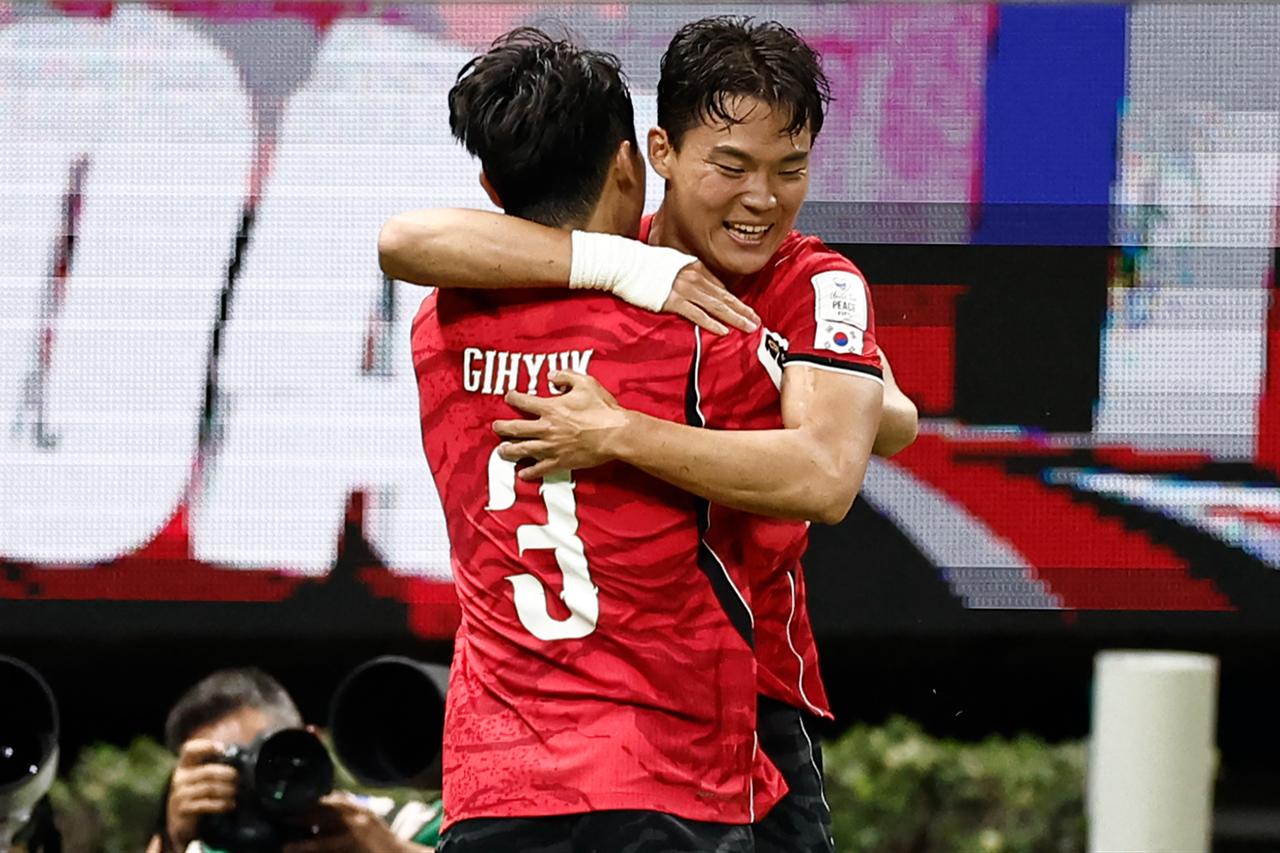
The relationship carried over into the 2026 World Cup, even after South Korea lost to Mexico in its second match.
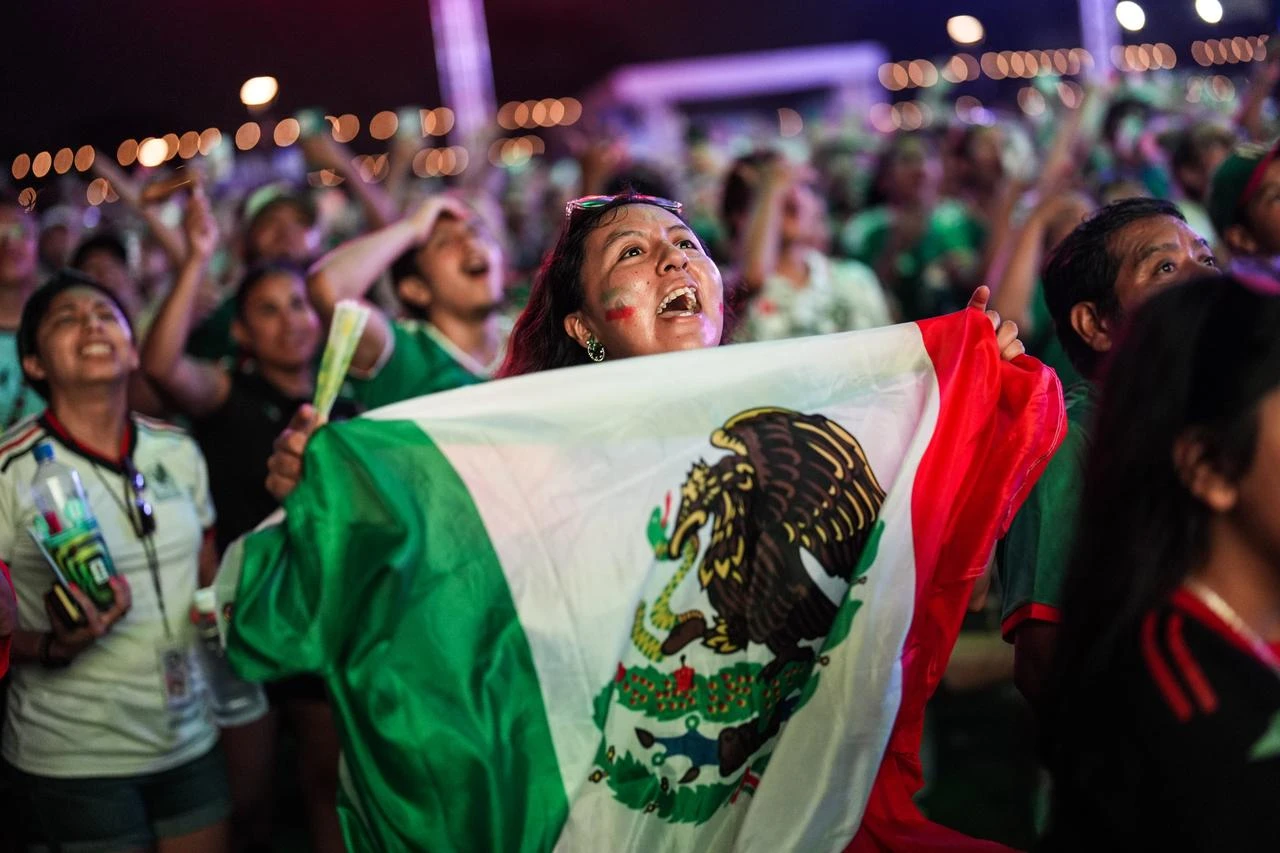
Ahead of South Korea's decisive game against South Africa, Korean red jerseys mixed with Mexico's traditional green shirts at the Monterrey Fan Fest. Some supporters carried cardboard cutouts of DPR Ian, the Korean-Australian singer who headlined the festival.
Among them was 22-year-old Romina Romero, who traveled from Mexico City to see the artist. She had followed Korean pop music for 13 years and continued supporting DPR Ian after he stepped away from the K-pop idol system to focus on his mental health and independent work.
The wider rise of the "K-wave," a term describing the international popularity of South Korean music, television and other cultural products, has also drawn Mexican audiences toward groups such as BTS.
Romero said messages about self-love had reached people who sometimes felt alone. BTS was also recently welcomed to Mexico's National Palace by President Claudia Sheinbaum.
In Pesqueria, closer contact has also brought cultural and linguistic challenges.
Dalia Baeza, manager of Cafe Onda, said Mexican and Korean customers often relied on phone translation applications and hand gestures to communicate. However, she noted that some Korean residents had begun speaking fluent Spanish, particularly as younger generations settled in.
Baeza, who previously worked for six years at automotive and manufacturing supplier Dong Kook, said local workers initially struggled to adjust to Korean expectations surrounding punctuality and cleanliness.
Garza, who also worked at the KIA plant, described its working rhythm as almost "militarized," particularly when compared with the local tendency to put off unfinished tasks until the following day. Over time, however, he said both sides had learned to understand each other's pace and find middle ground.
After South Korea dropped out of the World Cup, its supporters began cheering for Mexico. Although Mexico was later eliminated as well, the relationship between the two communities continued beyond the tournament.
Yujin Choi, who attended the match in Monterrey, said both societies shared a strong sense of passion and community.
"We had fun and built a friendship, which I believe is the purpose of this World Cup," Choi said.


 Set as preferred source
 Set as preferred source


 2 min read