Newsletters


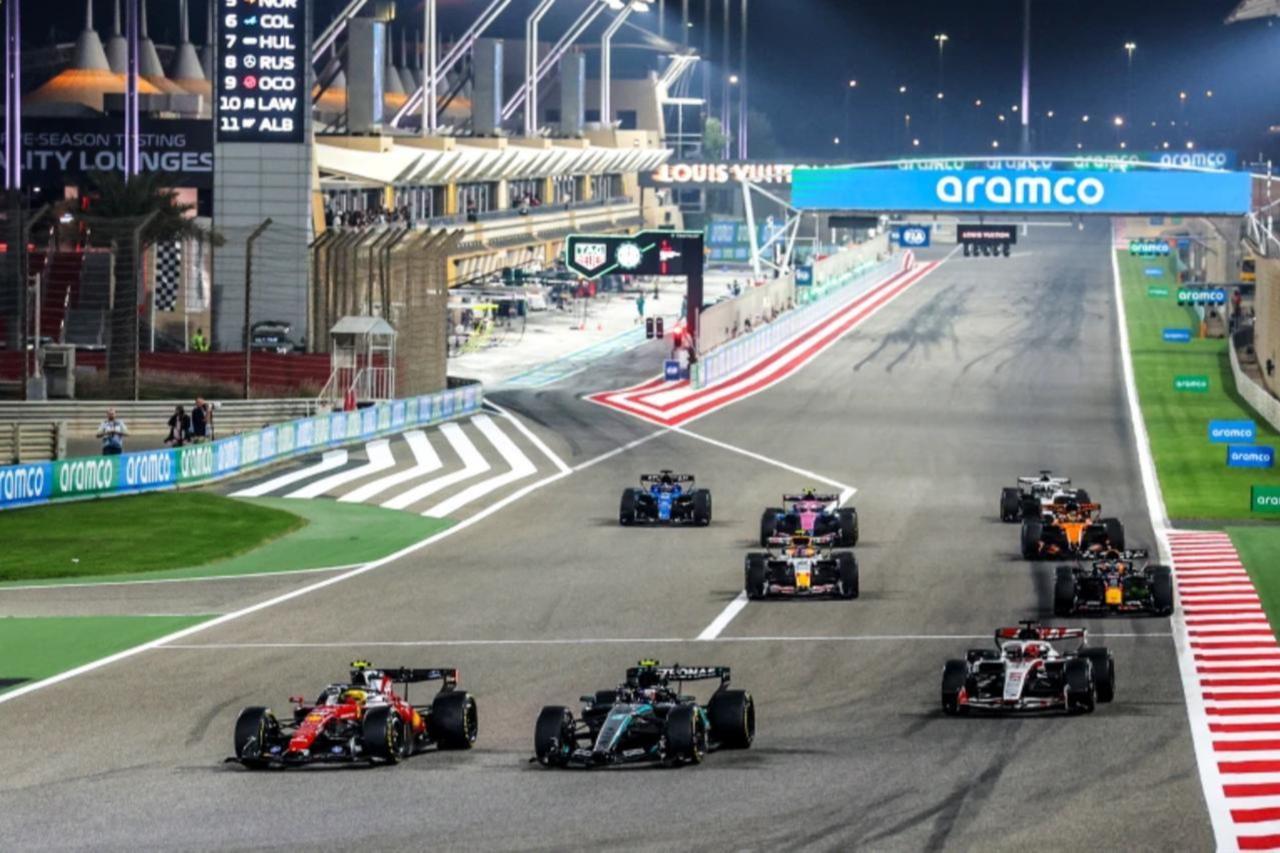


Formula 1 will bring back V8 engines in the 2030 season, replacing its current turbo-hybrid power units, FIA President Mohammed Ben Sulayem confirmed Tuesday during an event in Rwanda announcing the sport's return to Africa.
Speaking in the Rwandan capital Kigali alongside President Paul Kagame and Formula 1 CEO Stefano Domenicali, Ben Sulayem said the new engines would make their debut in 2030, ending uncertainty over whether the change would take place that year or in 2031.
The announcement came as Formula 1 unveiled plans to return to Africa for the first time since 1993, with a new purpose-built circuit in Rwanda set to host the African Grand Prix in the early 2030s under a 10-year agreement.
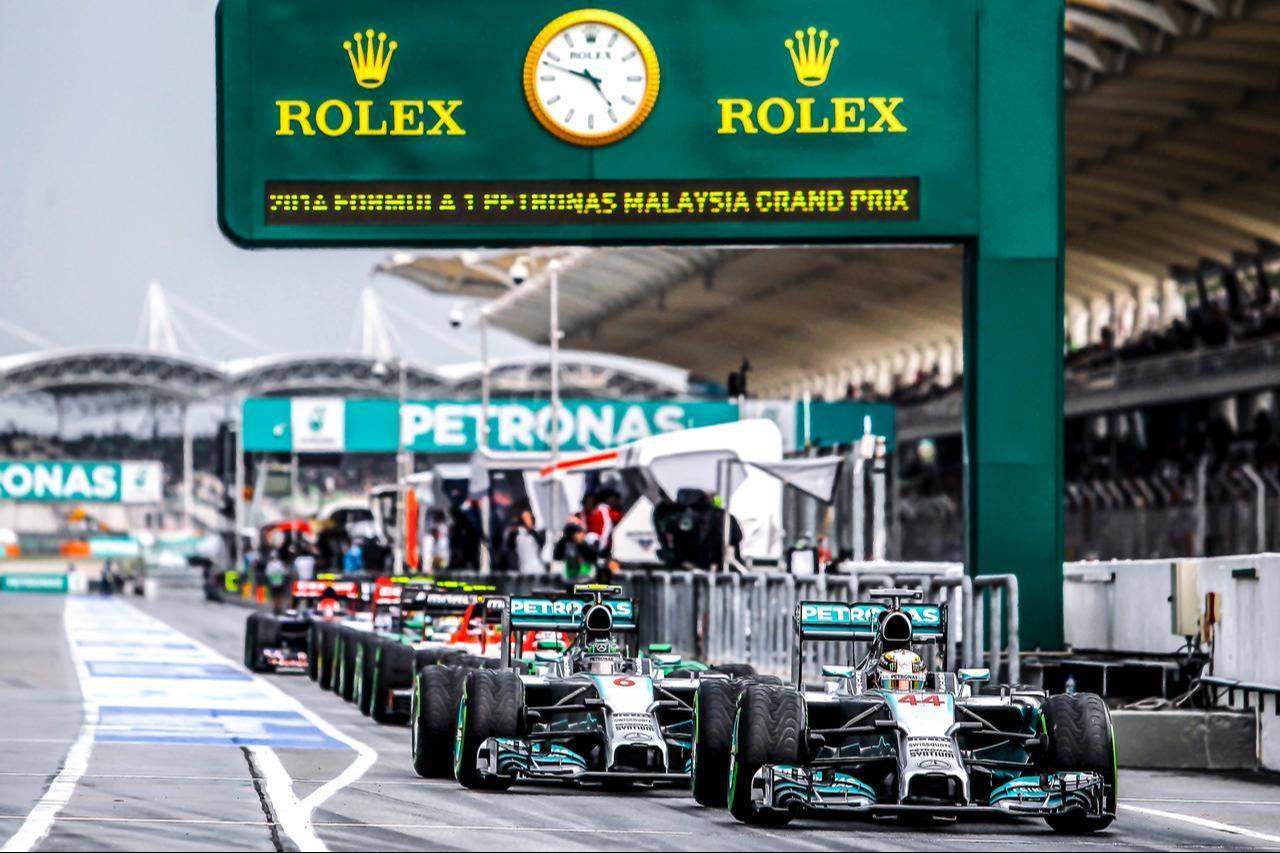

Ben Sulayem outlined three priorities behind the move to V8 engines: reducing vehicle weight, cutting costs and bringing back the engine sound associated with earlier generations of Formula 1.
He said the new regulations were expected to make cars approximately 80 kilograms (176 pounds) lighter while reducing engine-related research and development costs by at least 50%.
The FIA president also emphasized the importance of the experience for spectators, describing the objective as restoring the sound of Formula 1 engines rather than simply increasing noise.
"The launch of the new V8 will be in 2030, so Rwanda is going to have that engine in the first ever race," Ben Sulayem said.
He added that the proposal had support from Formula One Management (FOM), the organization responsible for the sport's commercial operations, as well as engine manufacturers.
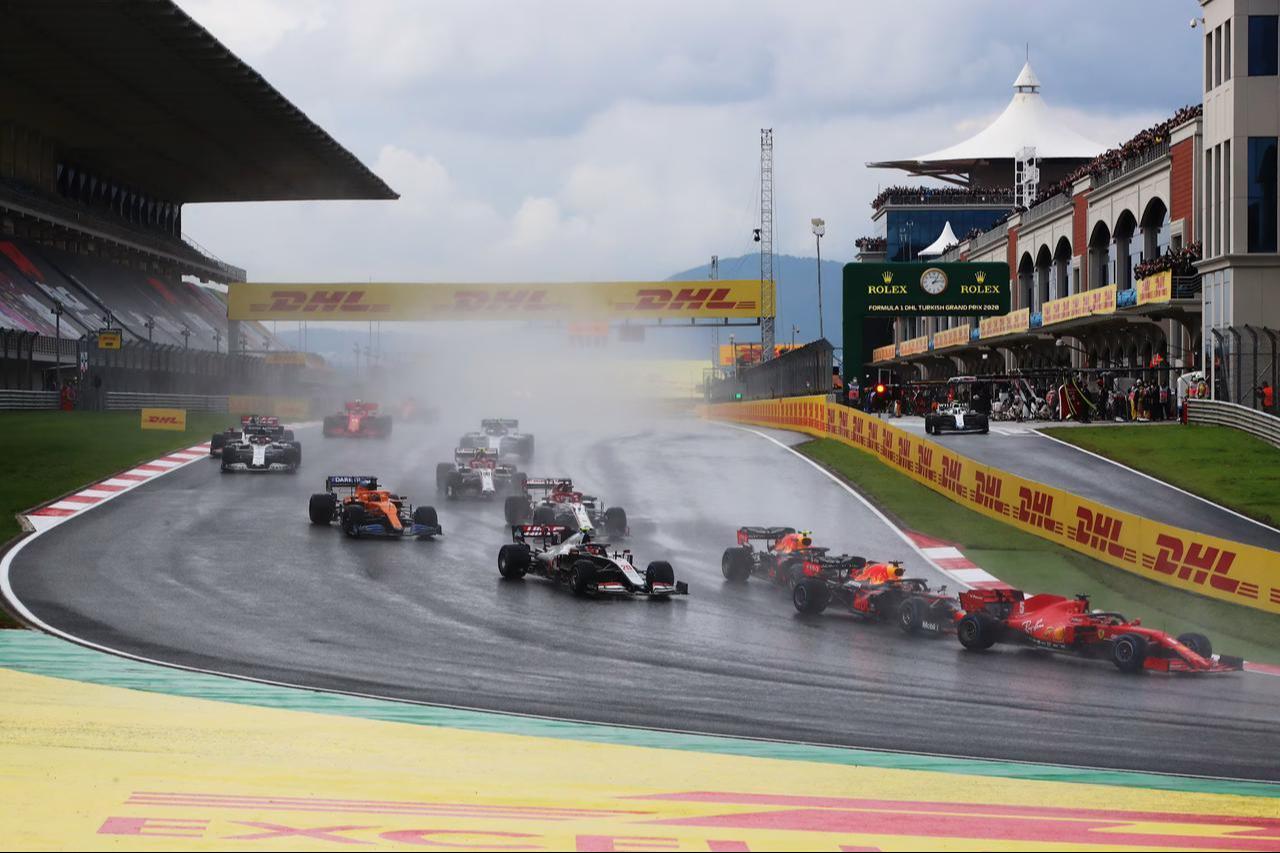
The decision follows criticism of Formula 1's 2026 power-unit regulations, which split power output equally between the internal combustion engine and the electrical system.
Under the previous regulations, combustion engines provided approximately 80% of the power, while electrical systems supplied the remaining 20%. The balance shifted to 50-50 in 2026 as part of efforts to attract more automotive manufacturers to the championship.
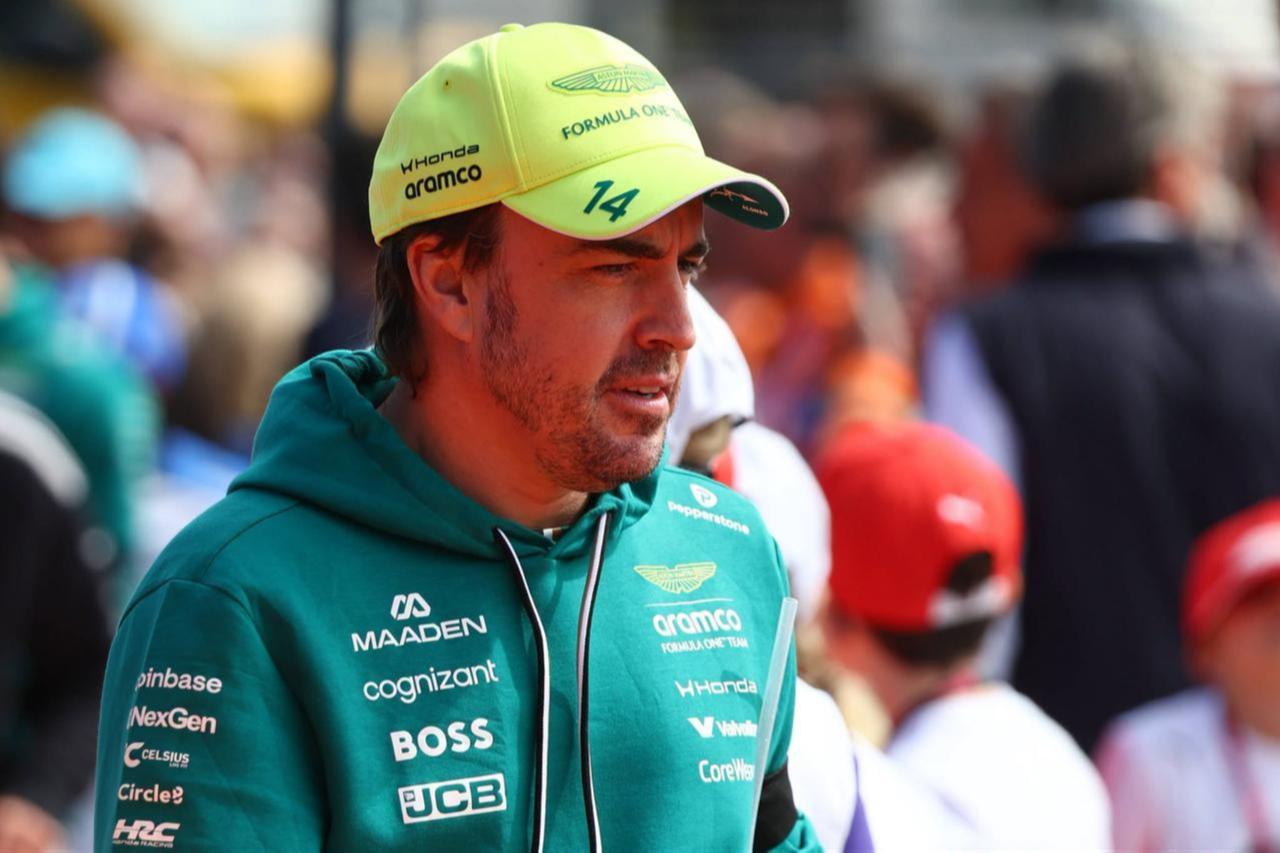
However, the increased reliance on battery power has drawn criticism from drivers, including world champions Fernando Alonso, Max Verstappen and Lando Norris, particularly when cars run low on electrical energy and must switch to energy-recovery and charging modes.
The planned V8 introduction will also coincide with Formula 1's return to the African continent, with Rwanda expected to host its first Grand Prix using the next generation of engines.


 Set as preferred source
 Set as preferred source


 1 min read
 1 min read