Newsletters


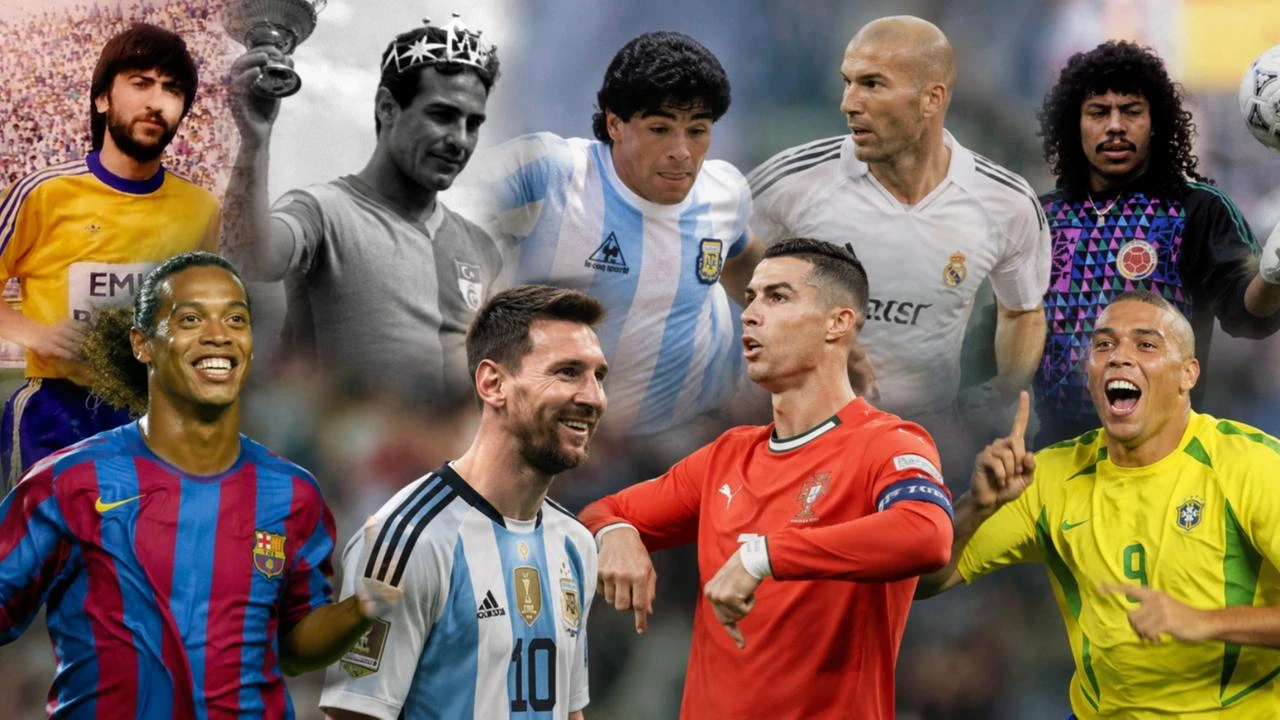
Football stars are often remembered not only for their goals, trophies and technical ability, but also for the nicknames that summed up their playing style, personality or place in sporting history.
From Lionel Messi's "La Pulga" to Turgay Seren's "Berlin Panther," some of the game's best-known figures picked up titles that followed them throughout their careers. Turkish footballers and coaches also stand out on the list, with nicknames inspired by leadership, goalscoring records and unforgettable international performances.
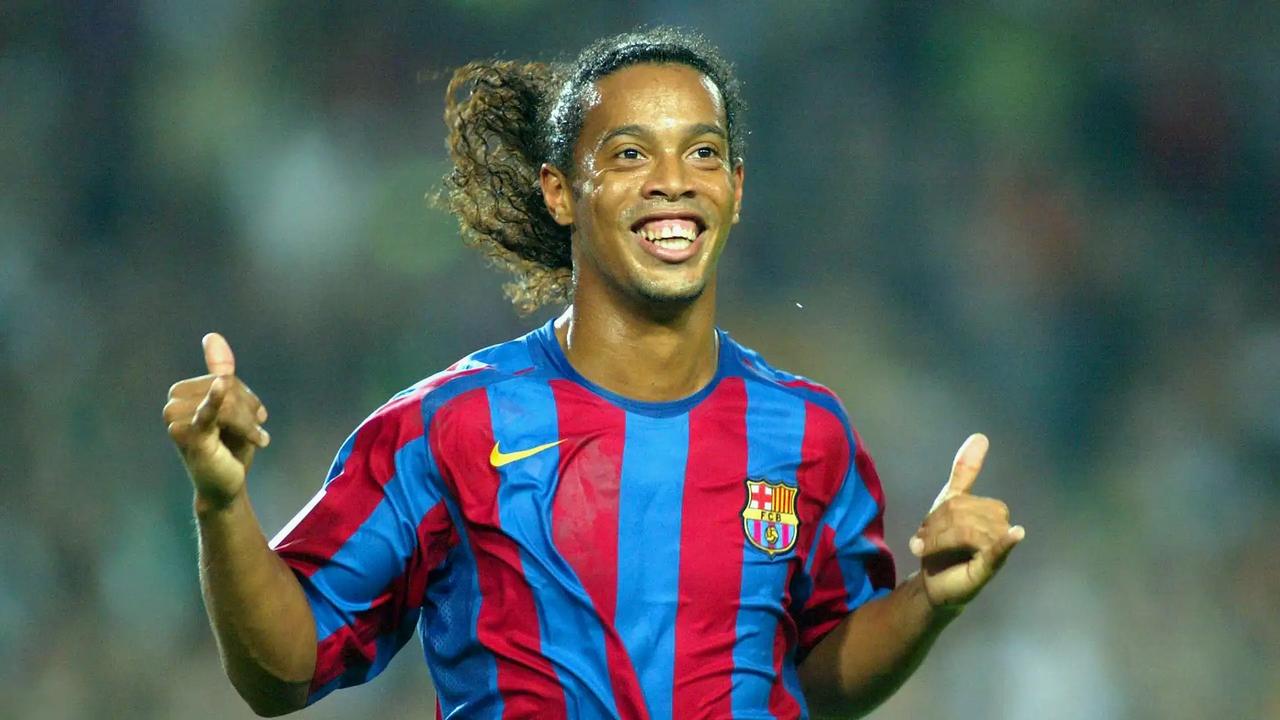
Brazilian star Ronaldinho became known as "O Gaucho" and "The Magician," reflecting the dazzling movements and creative skill he showed with the ball.
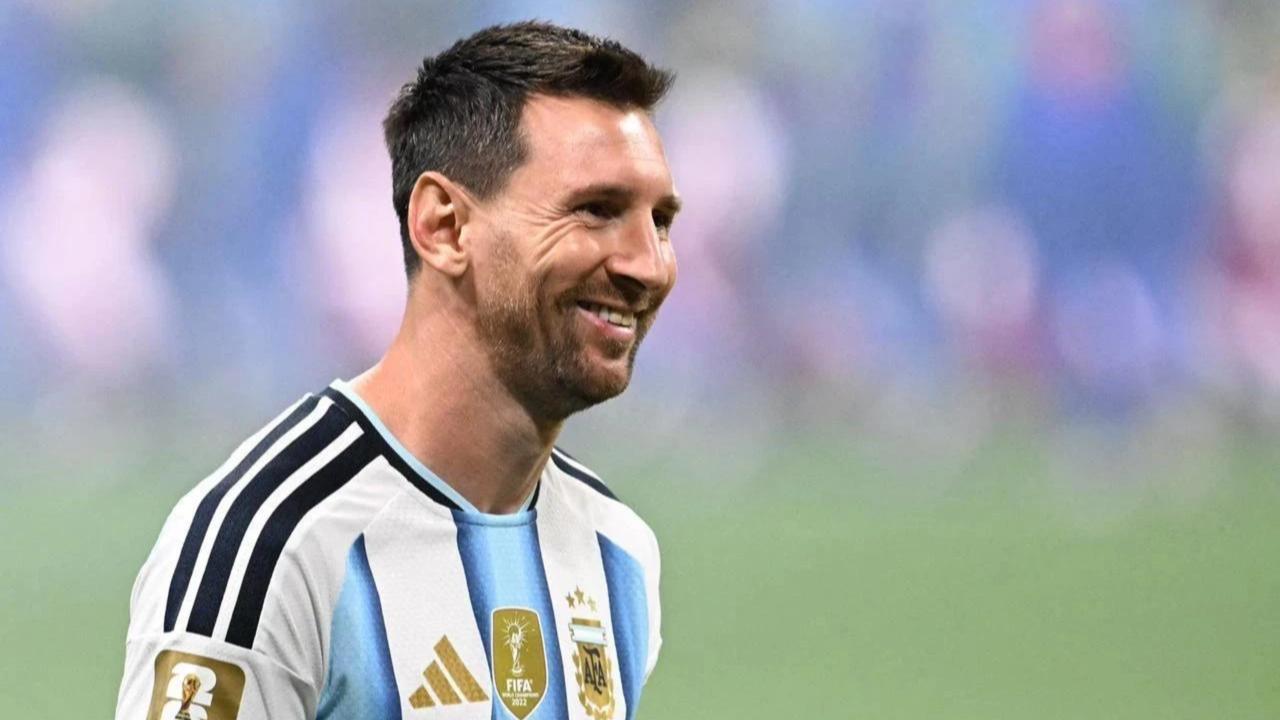
Lionel Messi's nickname, "La Pulga," meaning "The Flea" in Spanish, refers to his relatively small build as well as the speed and agility that allowed him to get past defenders.
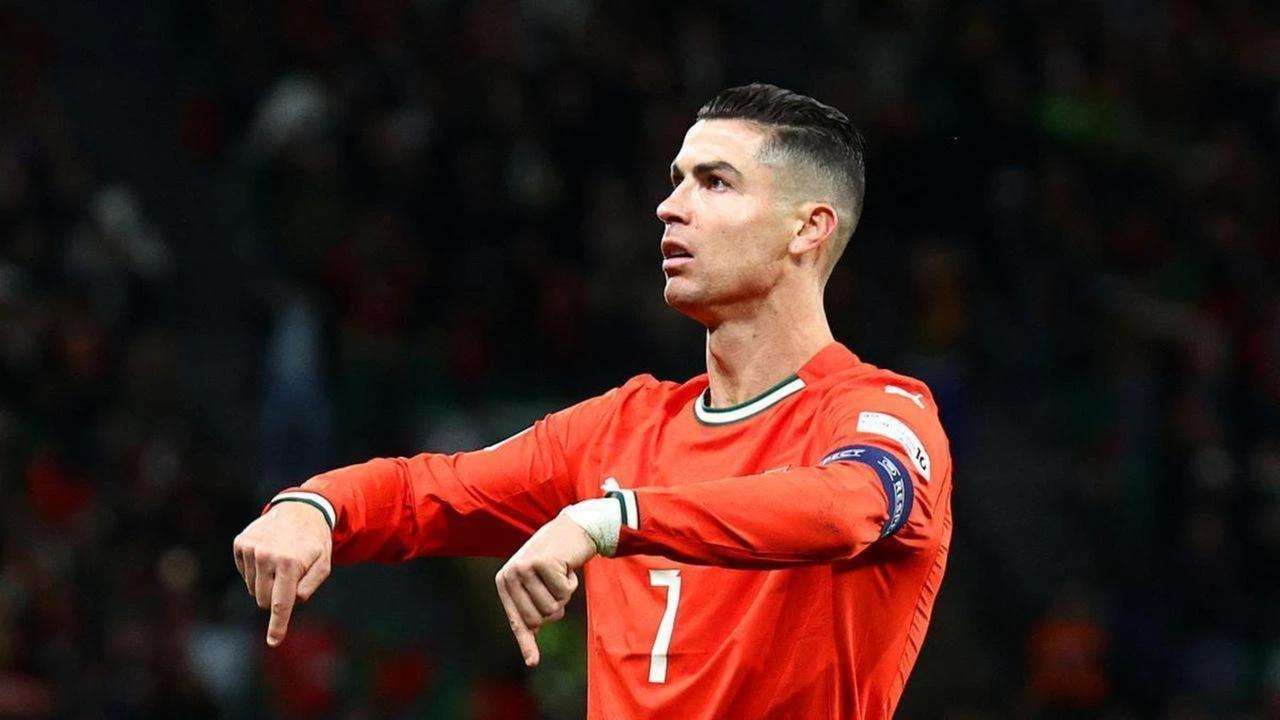
Cristiano Ronaldo became closely associated with "CR7," a combination of his initials and shirt number. He has also been called "El Comandante," or "The Commander," because of his leadership on the pitch.
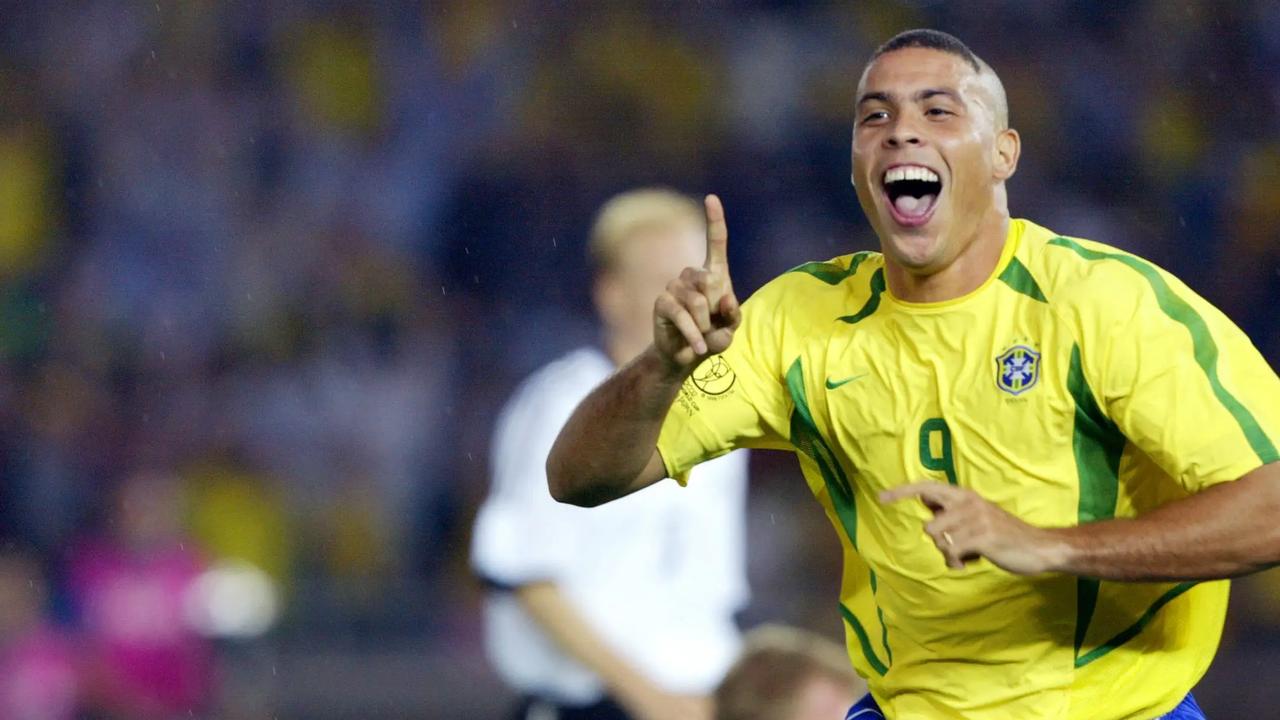
Brazilian striker Ronaldo Nazario was widely known as "Fenomeno," meaning "The Phenomenon," due to his extraordinary ability and goal-scoring performances.
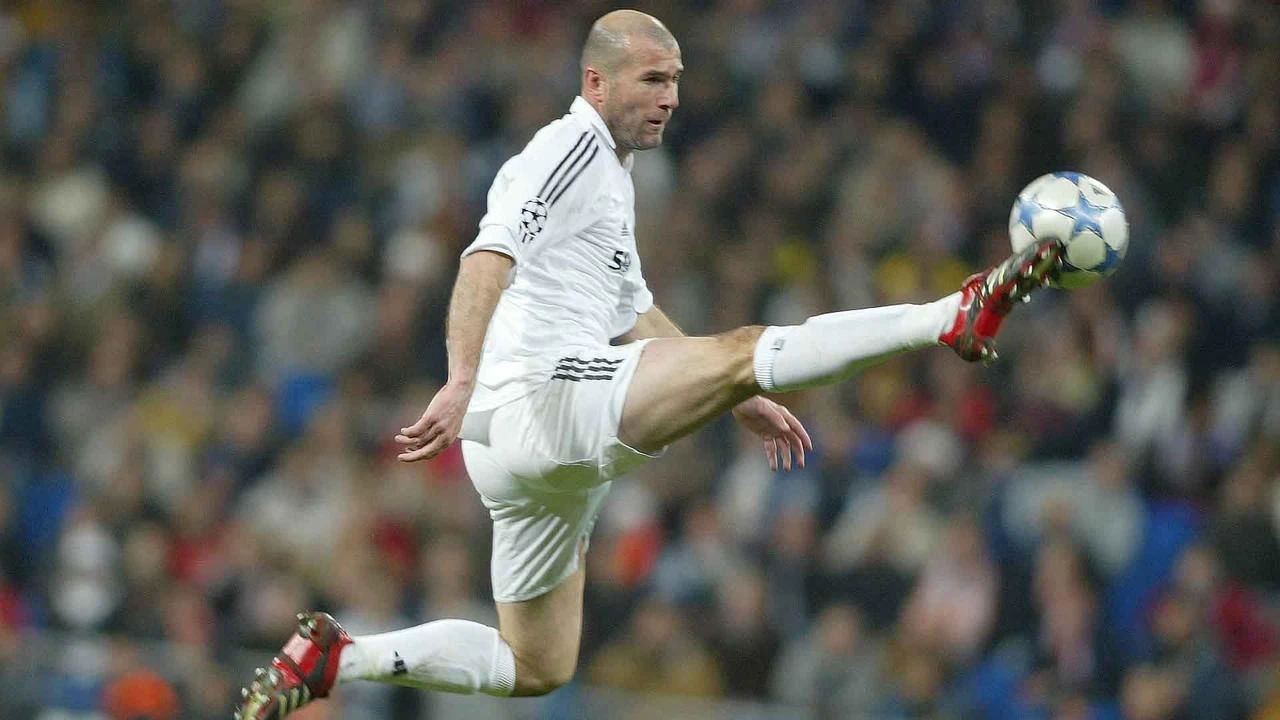
Zinedine Zidane's popular nickname, "Zizou," developed as a shorter and affectionate version of his name, while German legend Franz Beckenbauer became "Der Kaiser," or "The Emperor," in recognition of his authority and leadership.
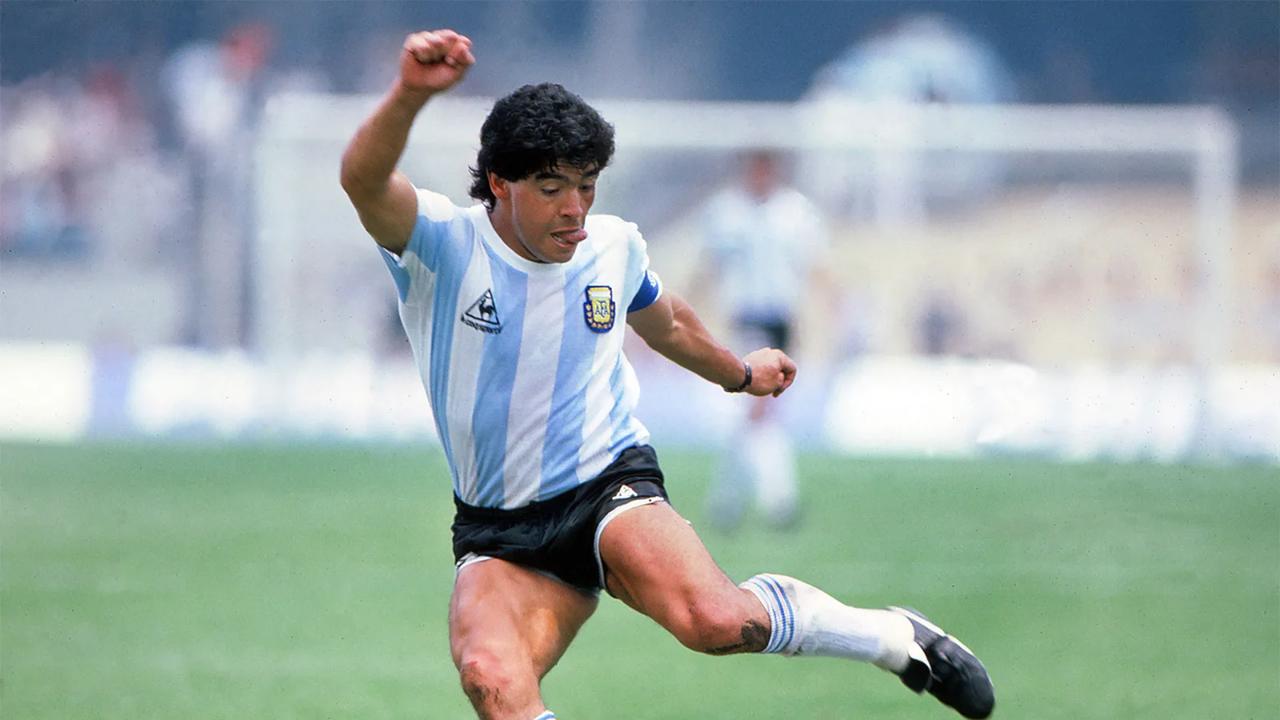
Diego Maradona was known as "El Diez," meaning "The Number 10," because of the shirt number that became closely linked to his status in Argentina. He was also associated with the phrase "Hand of God" following his famous goal at the 1986 World Cup.
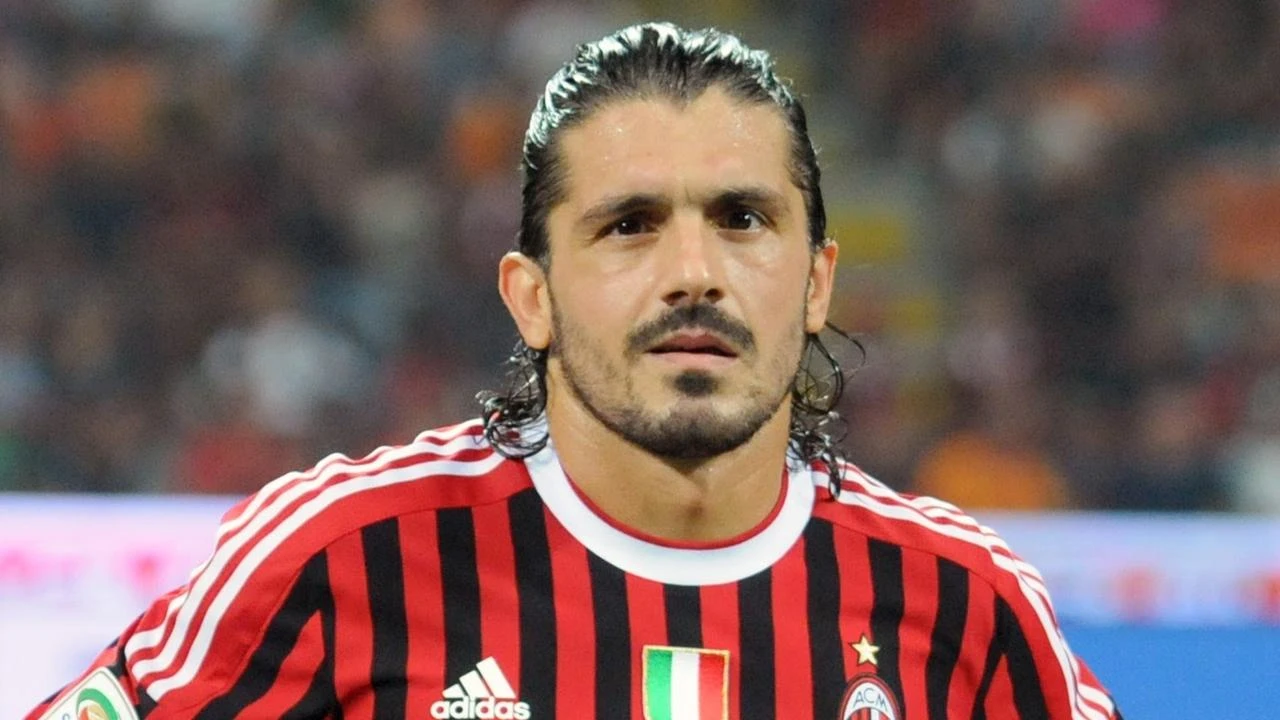
Some nicknames grew out of a player's intensity rather than technical flair. Italian midfielder Gennaro Gattuso was called "Pitbull" because of the relentless and physical way he closed down opponents.
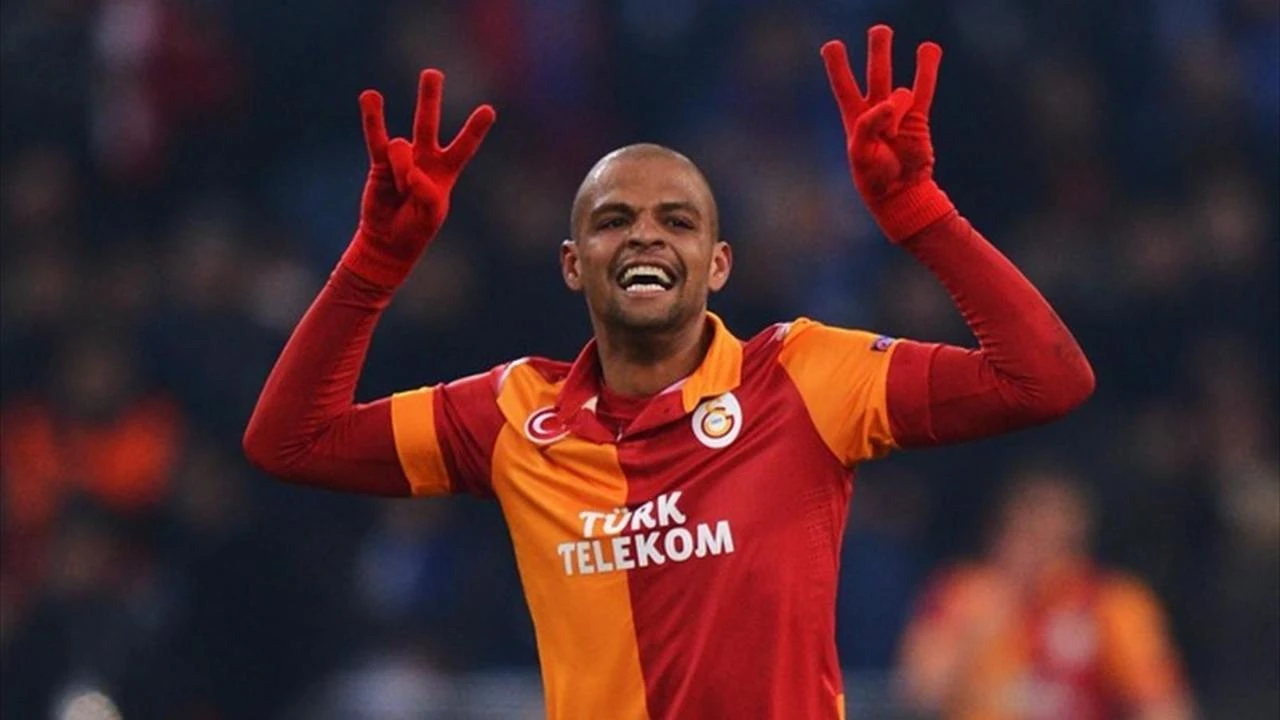
Brazilian midfielder Felipe Melo picked up the same nickname for his hard tackles and persistent pressure in midfield.
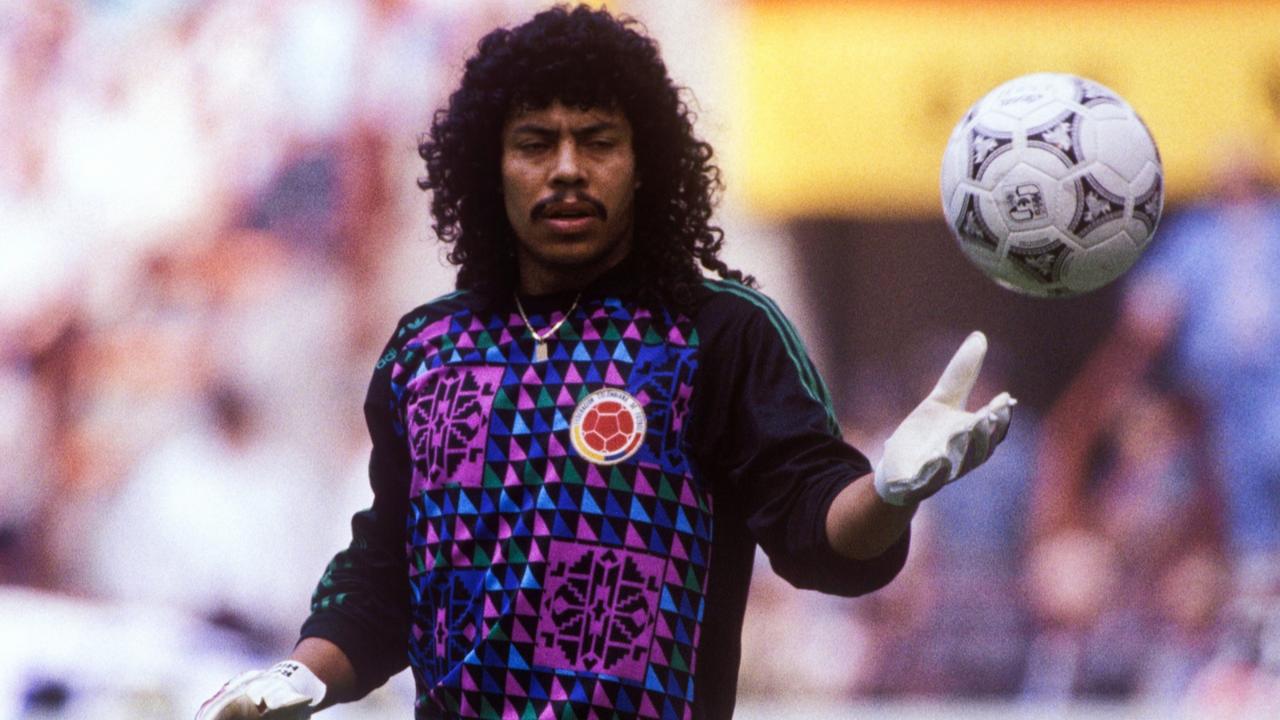
Colombian goalkeeper Rene Higuita became "El Loco," or "The Madman," because of his risky playing style and spectacular scorpion kick.
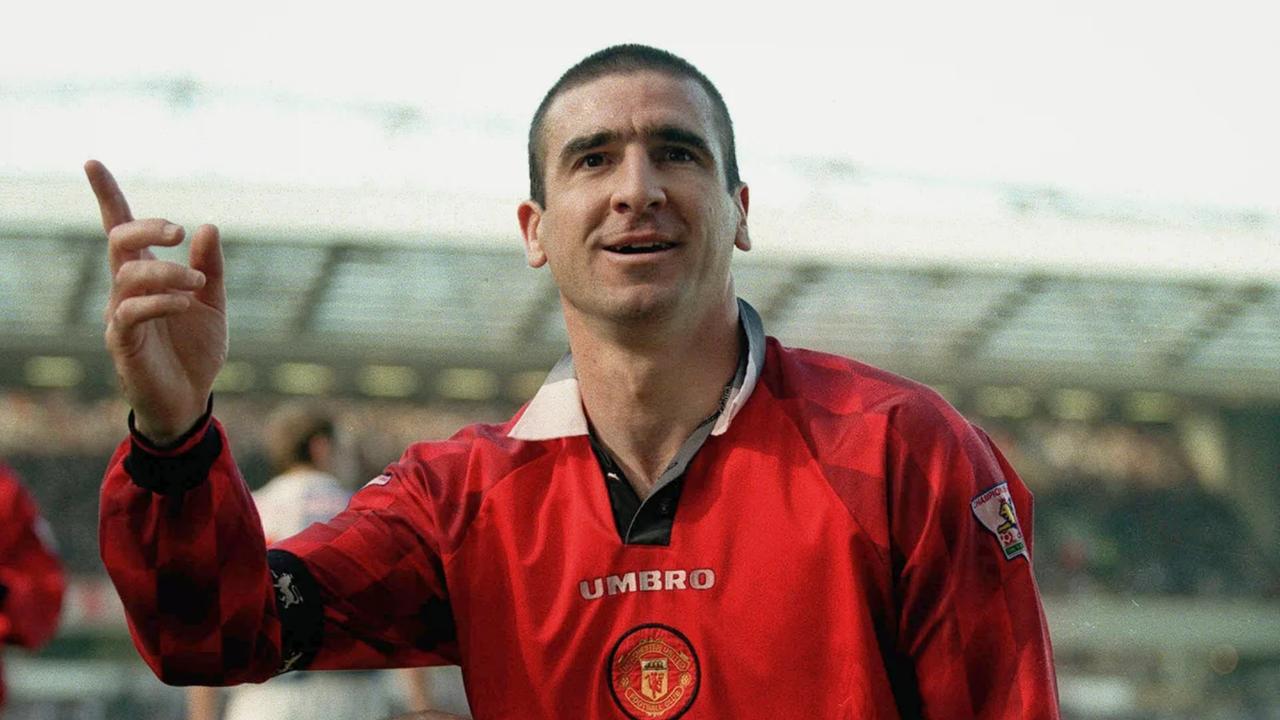
Eric Cantona was called "King Eric" by Manchester United supporters, who viewed him as a charismatic leader.
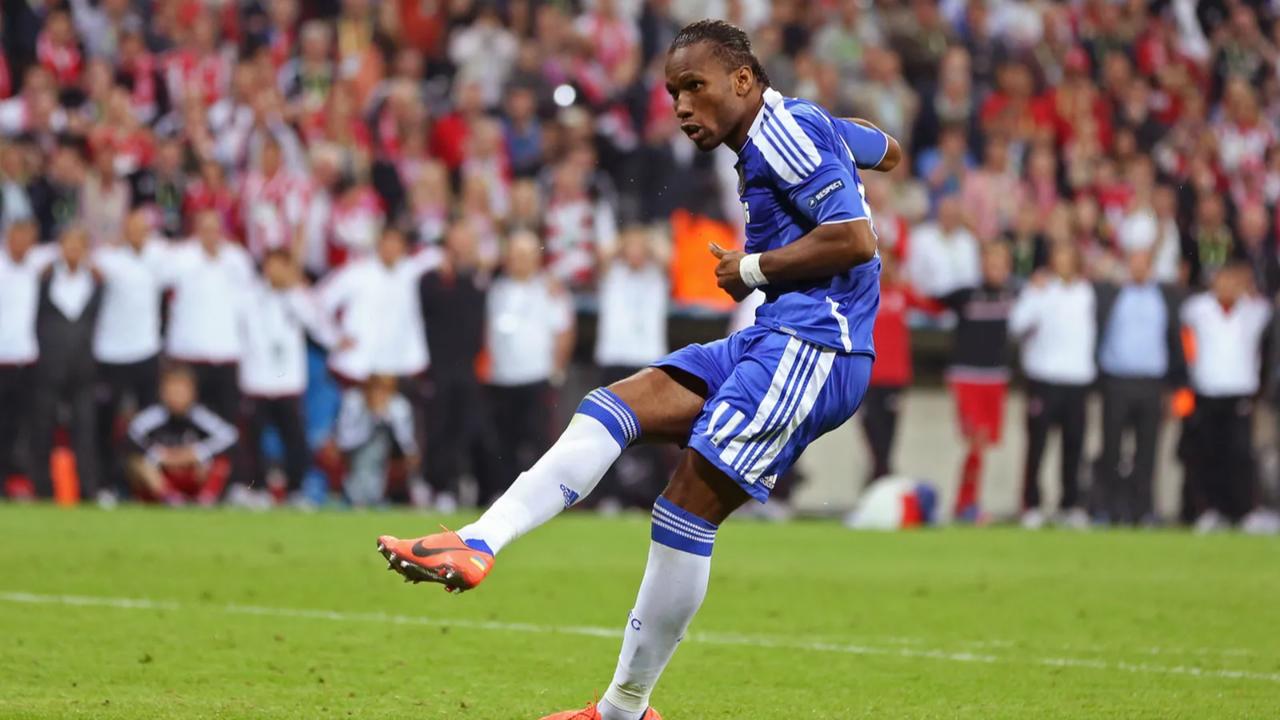
Didier Drogba, meanwhile, became known as the "Ivory King" after scoring crucial goals for both Chelsea and the Ivory Coast national team.
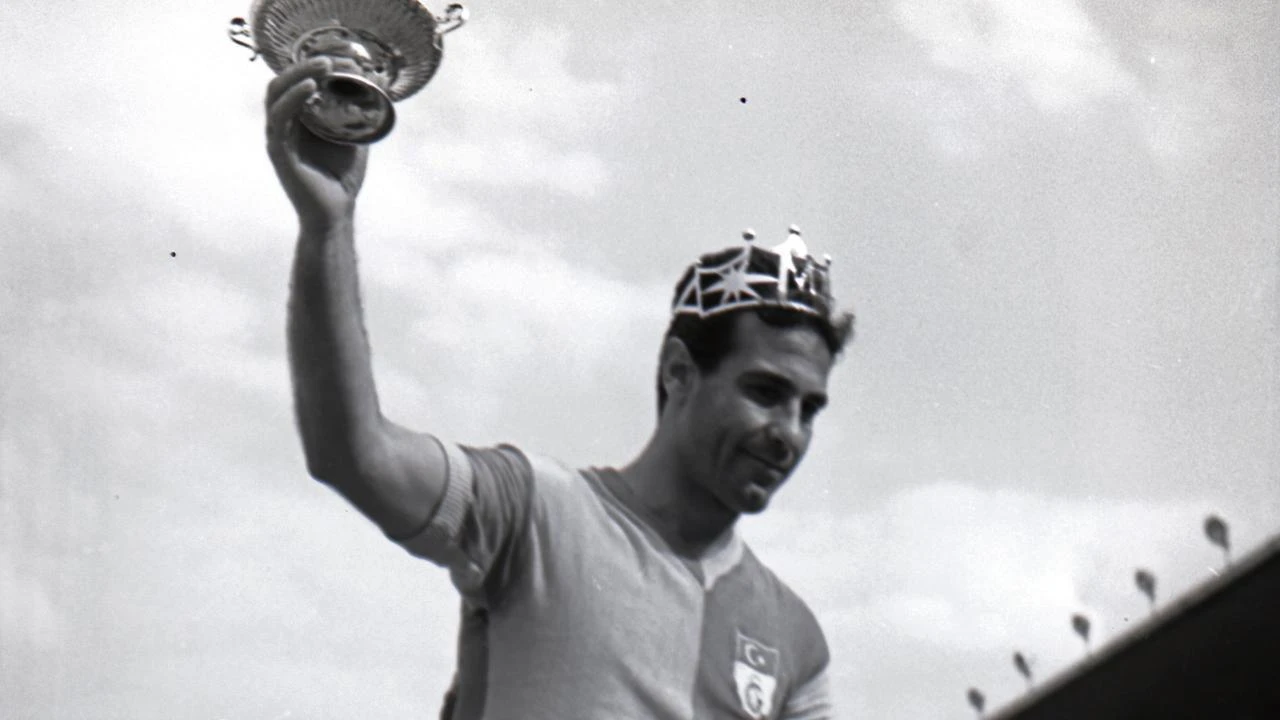
Several of Türkiye's most celebrated football figures became closely identified with titles linked to authority and success. Metin Oktay was known as the "Uncrowned King" after building up a legendary Galatasaray career through his goalscoring achievements.
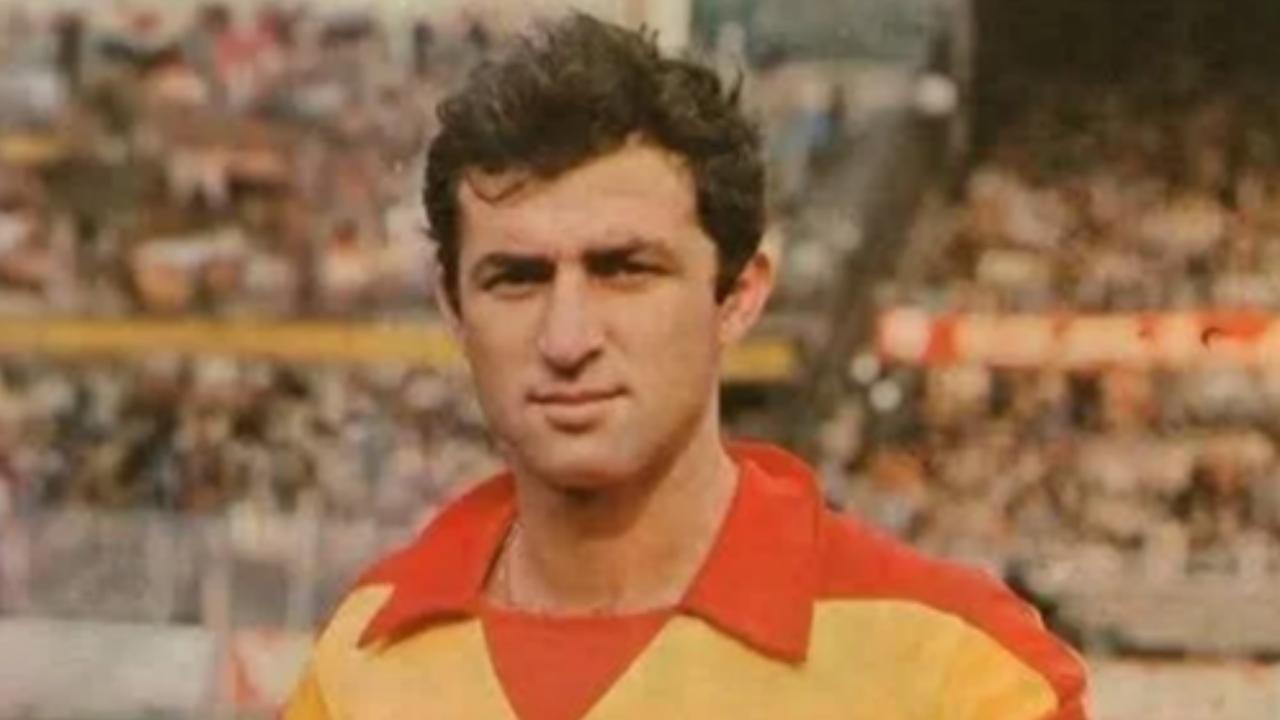
Former Galatasaray coach Fatih Terim became "The Emperor" because of his commanding leadership in both the club and Turkish football.
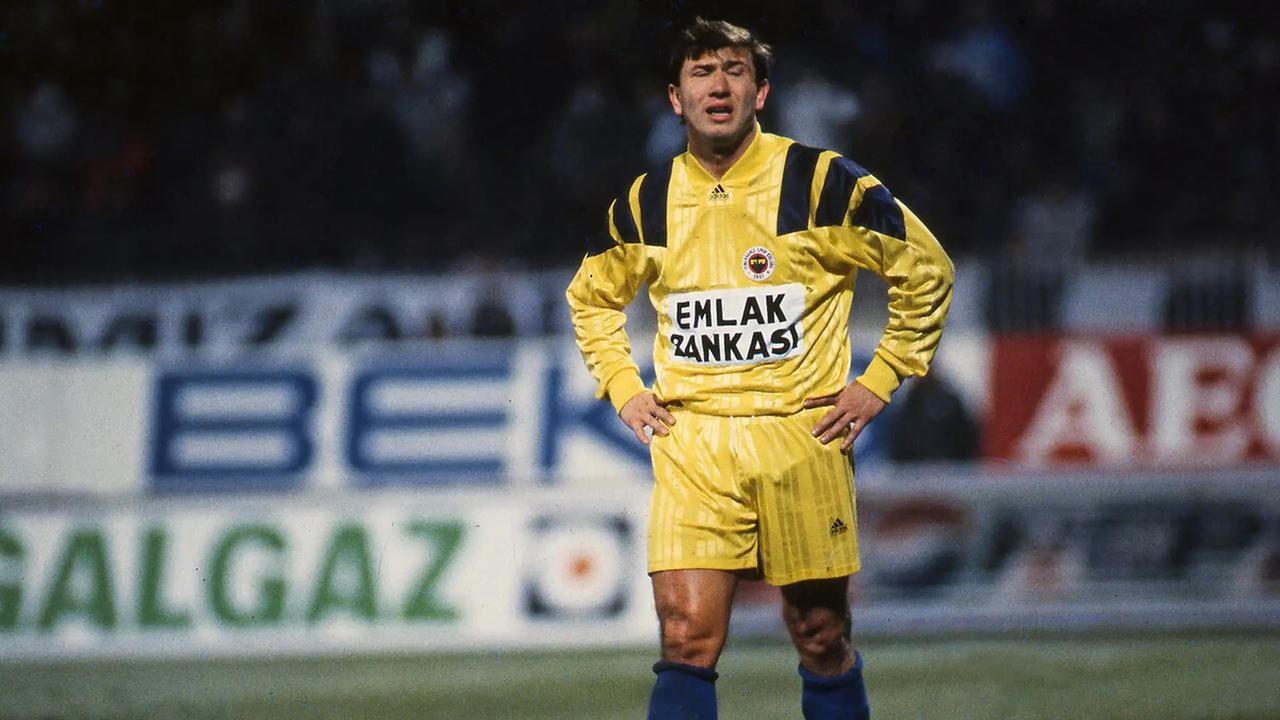
Tanju Colak was simply called "The King" after winning scoring titles and setting records, while long-serving Galatasaray captain Bulent Korkmaz became known as the "Great Captain."
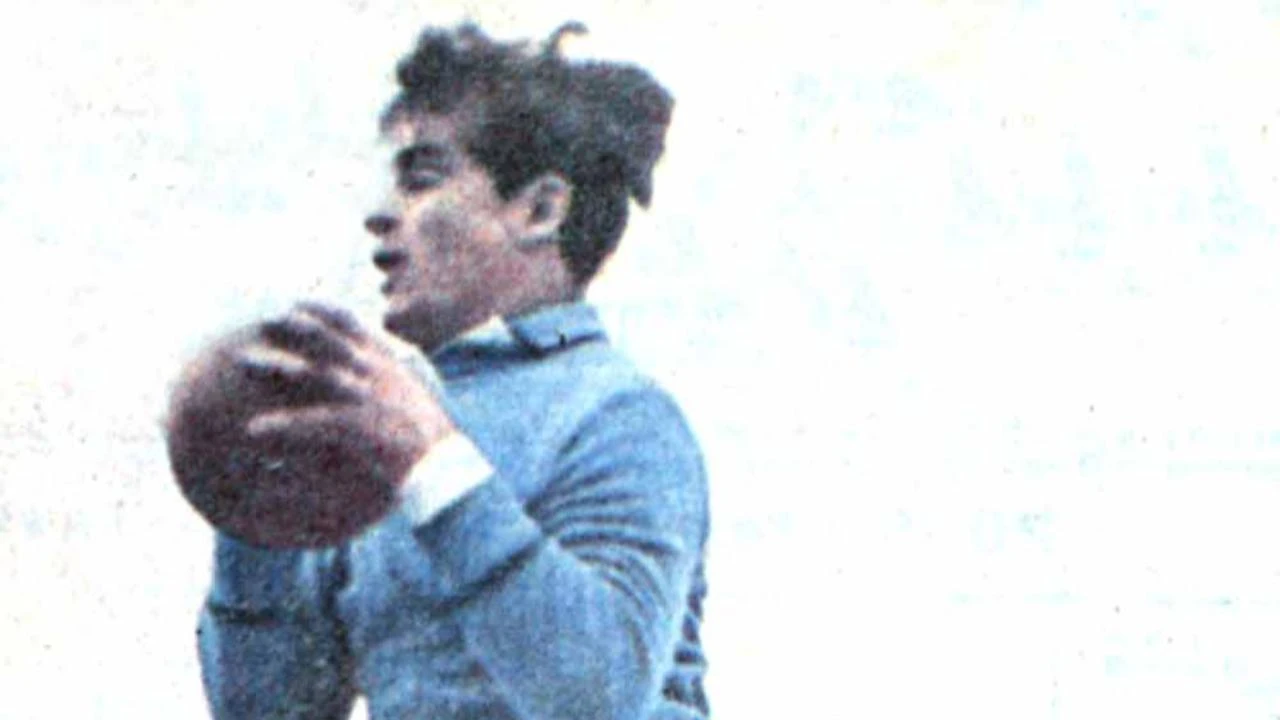
Turgay Seren earned one of Turkish football's most distinctive nicknames after an international performance. He became the "Berlin Panther" following his remarkable saves against Germany in Berlin in 1951, with the title attributed to the German press.
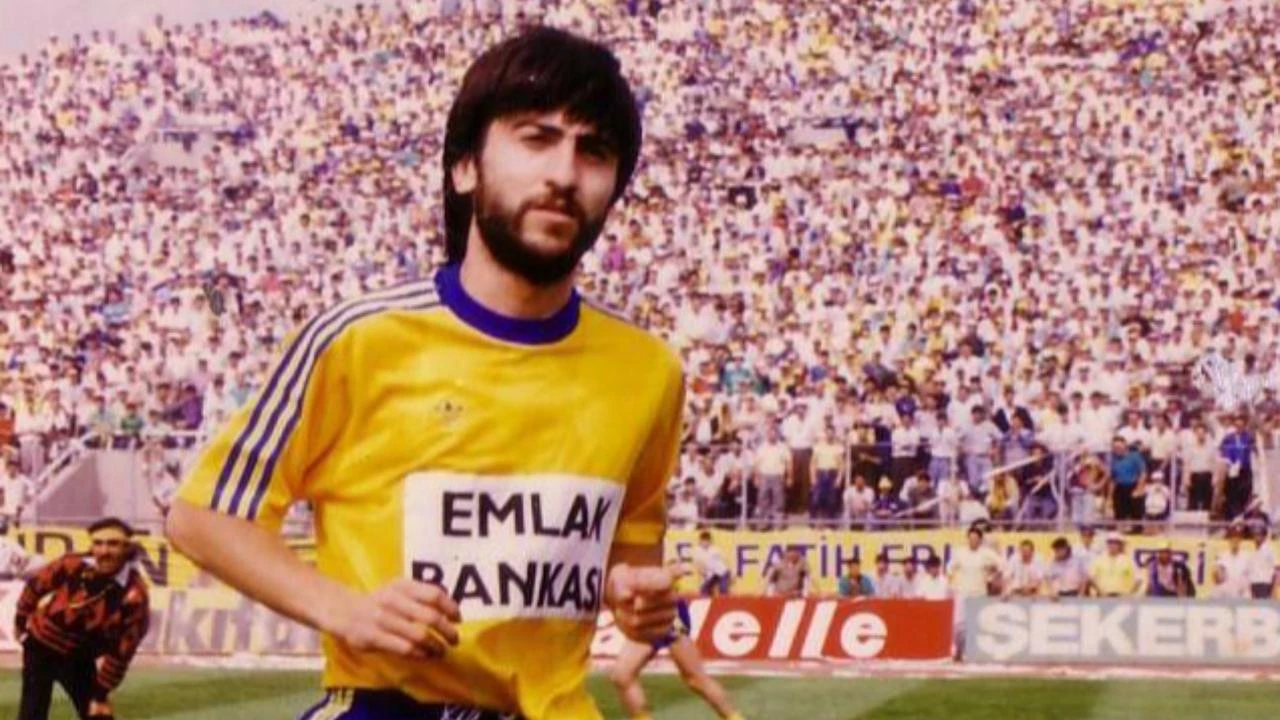
Ridvan Dilmen was known as "The Devil" because of the quick movement and dribbling ability he used to wrong-foot defenders.
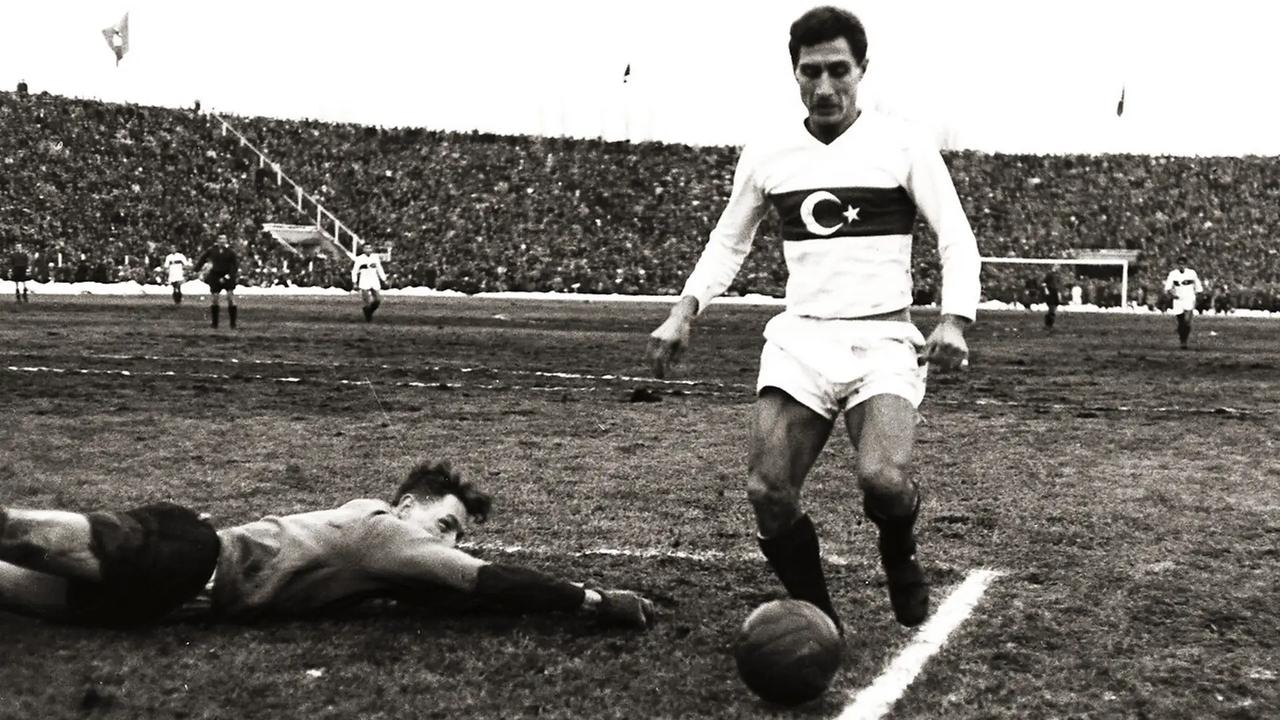
Lefter Kucukandonyadis, one of the leading names in Turkish football history, became known as "Ordinaryus." The term, derived from a senior academic title, was used to underline the exceptional level of his footballing ability.
Together, these nicknames show how football identities can grow out of a single performance, a distinctive playing style or a long career built around leadership and success.
 4 min read


 Set as preferred source