Newsletters


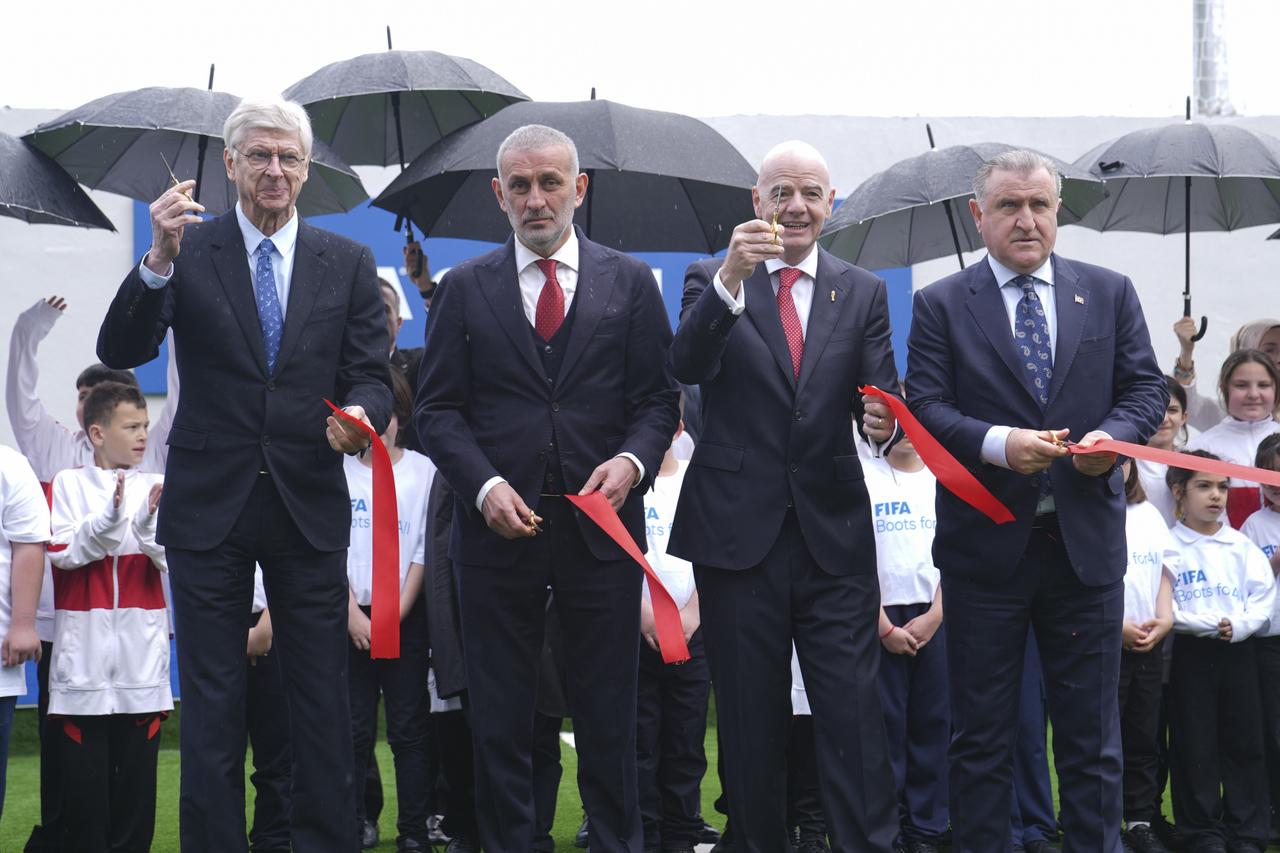


The official inauguration of the FIFA Arena project in Türkiye was held in Istanbul’s Riva district, marking a significant milestone in FIFA’s global initiative to expand access to football for children.
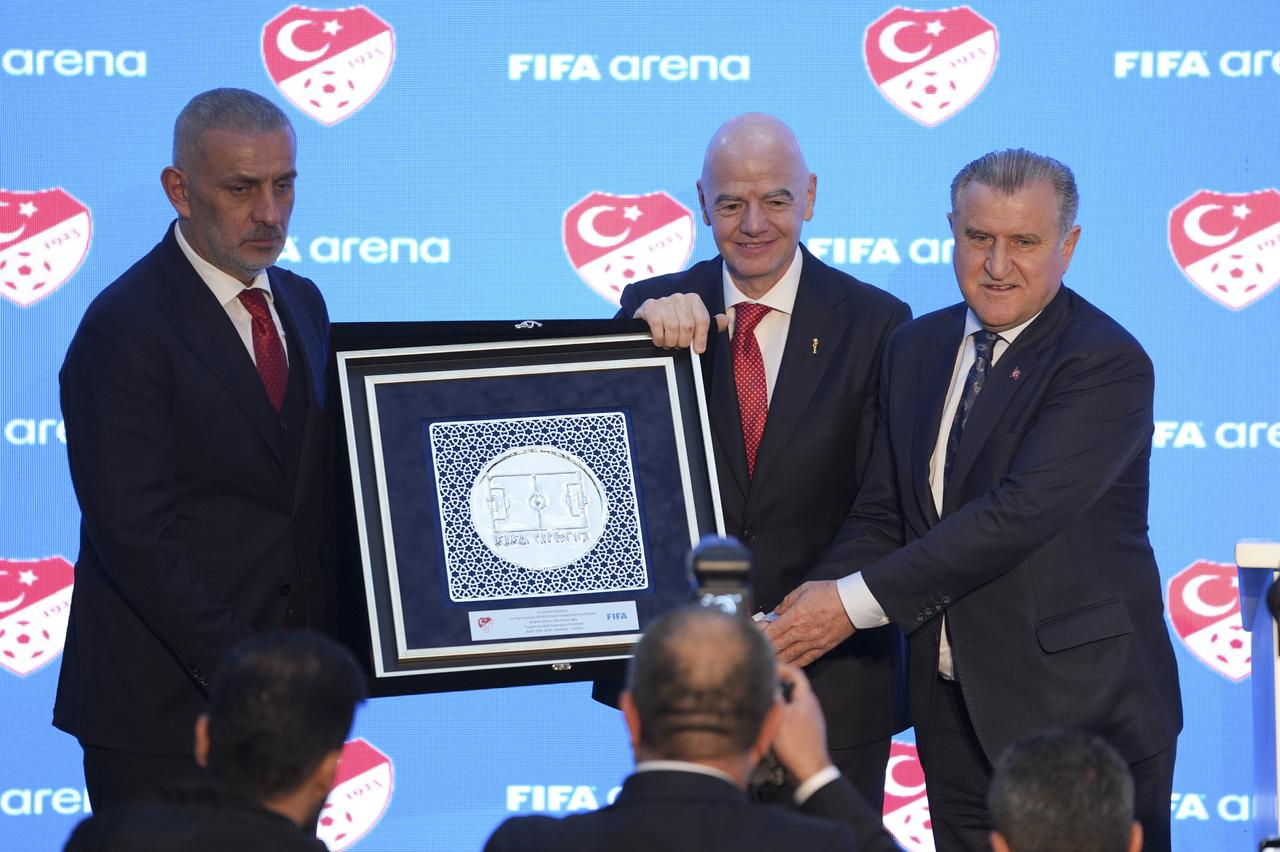
The ceremony took place at Spor Toto Teskilati Secondary School and was attended by FIFA President Gianni Infantino and FIFA Global Football Development Director Arsene Wenger, alongside Türkiye’s Minister of Youth and Sports Osman Askin Bak and Turkish Football Federation (TFF) President Ibrahim Haciosmanoglu.

The FIFA Arena initiative aims to strengthen grassroots football by building compact, modern pitches within school grounds and community spaces, with a particular focus on underserved and disaster-affected regions.
In Türkiye, 11 pitches have been completed so far, several of which are located in earthquake-affected areas. The Riva facility, inaugurated during the ceremony, is the ninth officially opened pitch and is the first FIFA Arena site in the country equipped with solar panels and dedicated changing rooms.
Minister Osman Askin Bak highlighted Türkiye’s nationwide sports infrastructure programme, noting that thousands of school-based pitches have already been constructed. He emphasized that such investments are part of a long-term strategy to increase youth participation in sport and strengthen the country’s football development pathway.
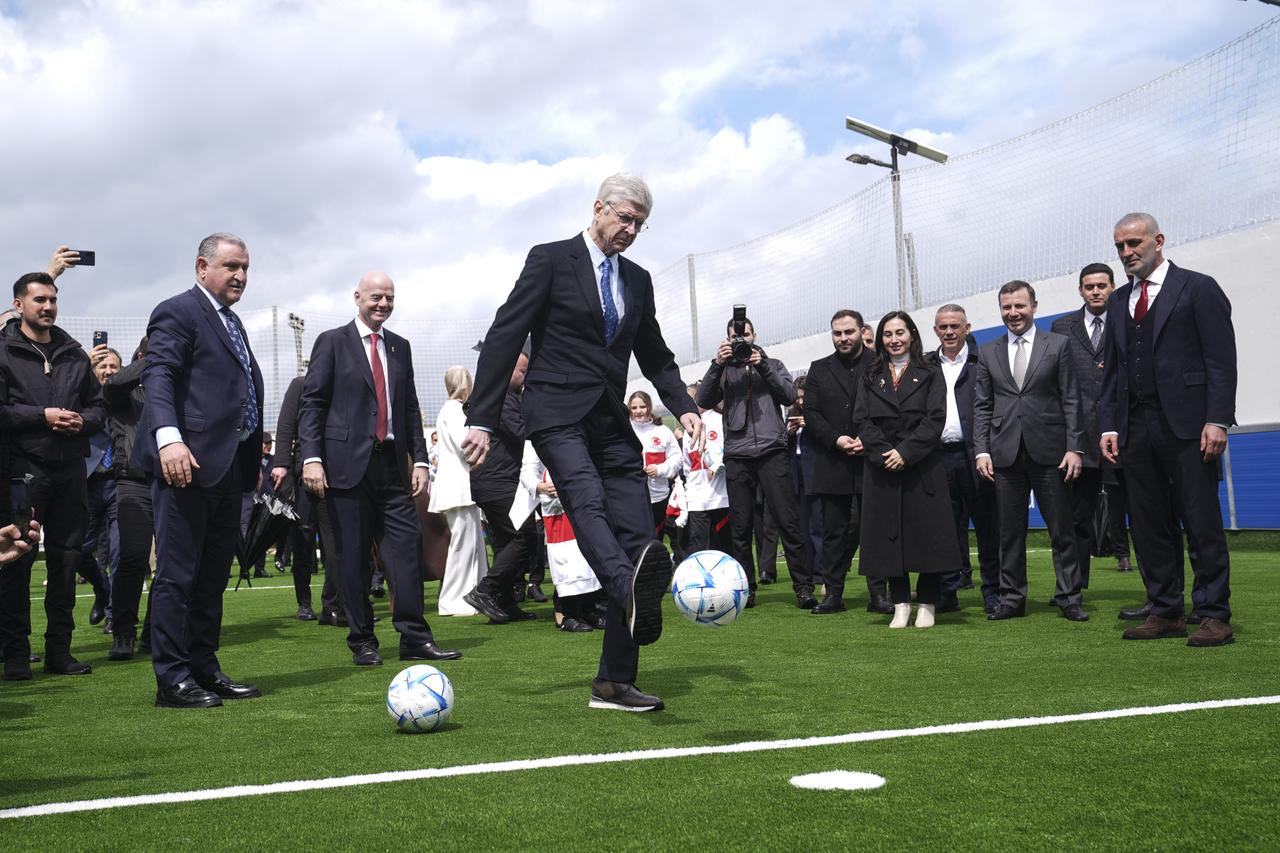
FIFA President Gianni Infantino praised the social impact of the project, stressing the importance of providing safe and accessible spaces for children to play football.
He stated that the FIFA Arena initiative is being implemented in around 100 countries, with a global target of at least 1,000 pitches by 2031. Türkiye’s contribution is expected to reach approximately 60 pitches, with potential for further expansion through additional partnerships.
Arsene Wenger, FIFA’s Global Football Development Director, also attended the ceremony, underscoring FIFA’s long-term commitment to nurturing young talent through structured grassroots programmes.
TFF President Ibrahim Haciosmanoglu described the project as a key investment in the future of Turkish football, highlighting its role in developing both athletes and positive role models while improving access to sporting facilities for young people.


 Set as preferred source
 Set as preferred source


 1 min read
 1 min read