Newsletters




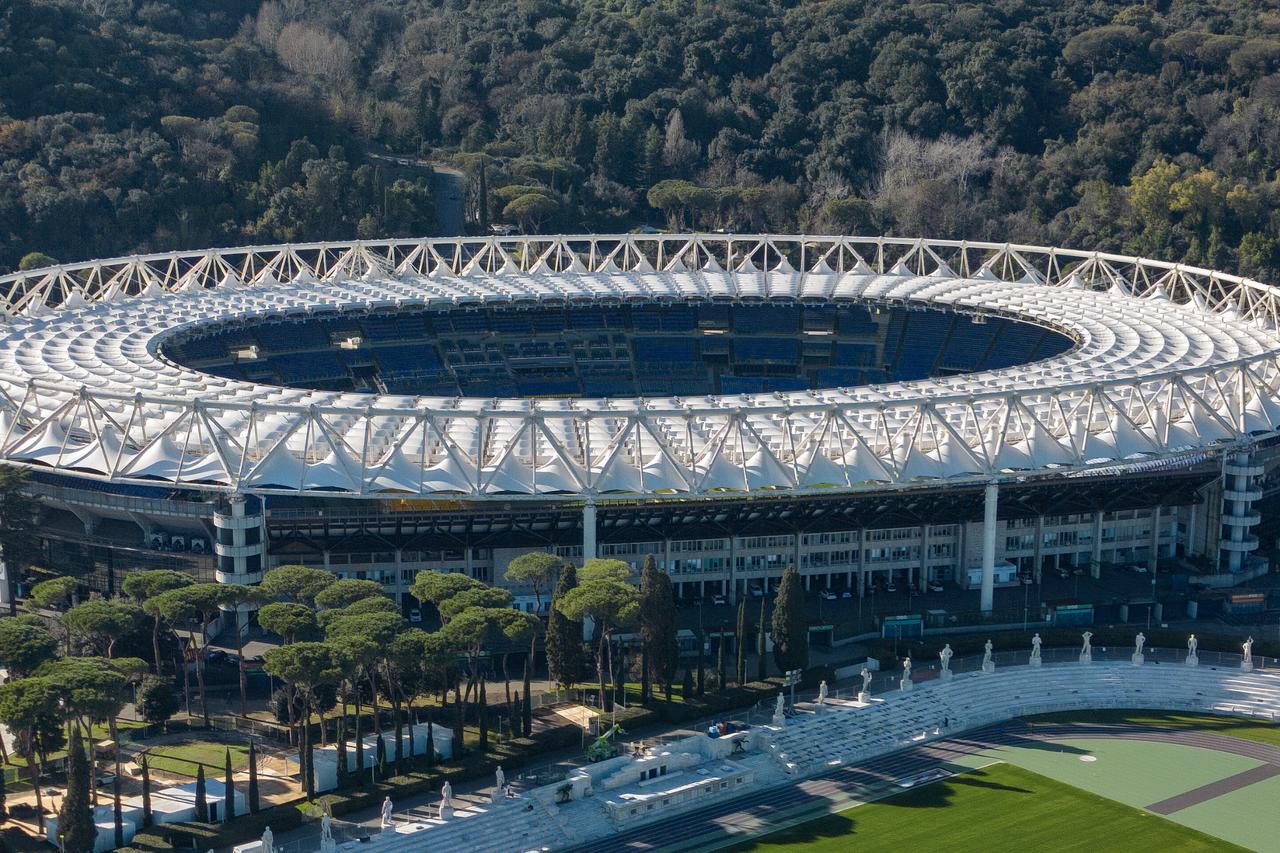
Italy’s role as co-host of the 2032 European Championship alongside Türkiye has come under serious threat, after UEFA president Aleksander Ceferin warned that failure to upgrade stadium infrastructure could lead to matches being taken away from the country.
According to a report by BBC Sport, Italy’s football authorities must present a shortlist of five suitable stadiums by October, a requirement that now stands as a decisive test for the country’s ability to follow through on its co-hosting duties.
Čeferin made it clear that while the tournament itself is not in doubt, Italy’s involvement depends entirely on whether it can bring its facilities up to standard in time.
He stressed that the competition will go ahead as planned, yet added that it may not be staged in Italy if infrastructure fails to meet expectations.
Italy’s governing body must now move quickly to put forward five stadiums capable of hosting matches, a process that will determine whether the country remains part of the tournament framework.
This requirement reflects UEFA’s broader expectations around modern stadium standards, including readiness, capacity, and overall infrastructure, although the immediate focus remains on Italy’s ability to meet the October deadline.
Speaking to Gazzetta dello Sport, Čeferin pointed away from football administrators and toward political decision-makers when addressing the underlying causes of the issue. He suggested that responsibility for outdated infrastructure lies beyond the football federation, indicating that broader structural factors have held back stadium development.
He also clarified that former FIGC president Gravina should not be blamed for the current situation, reinforcing the idea that the problem extends beyond football governance.


 Set as preferred source
 Set as preferred source


 2 min read