Newsletters


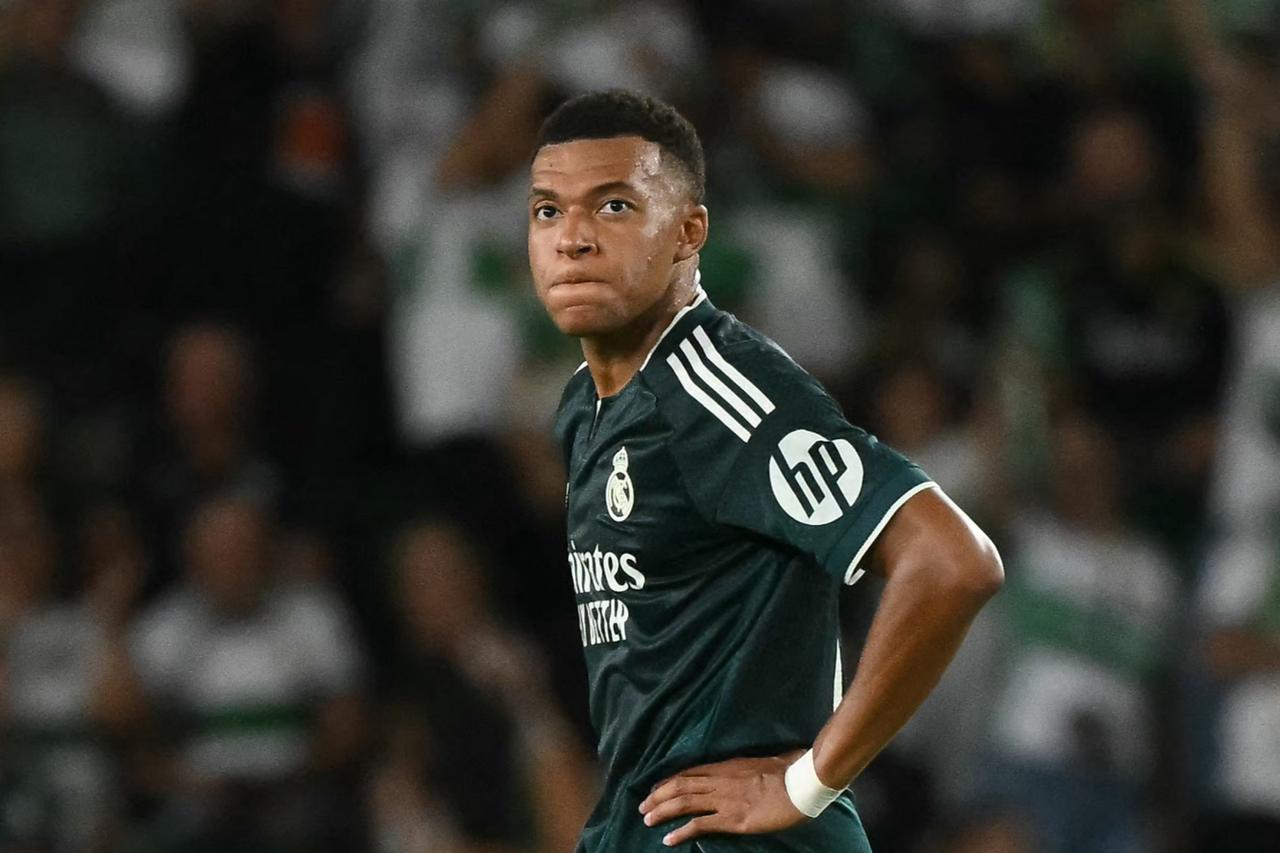


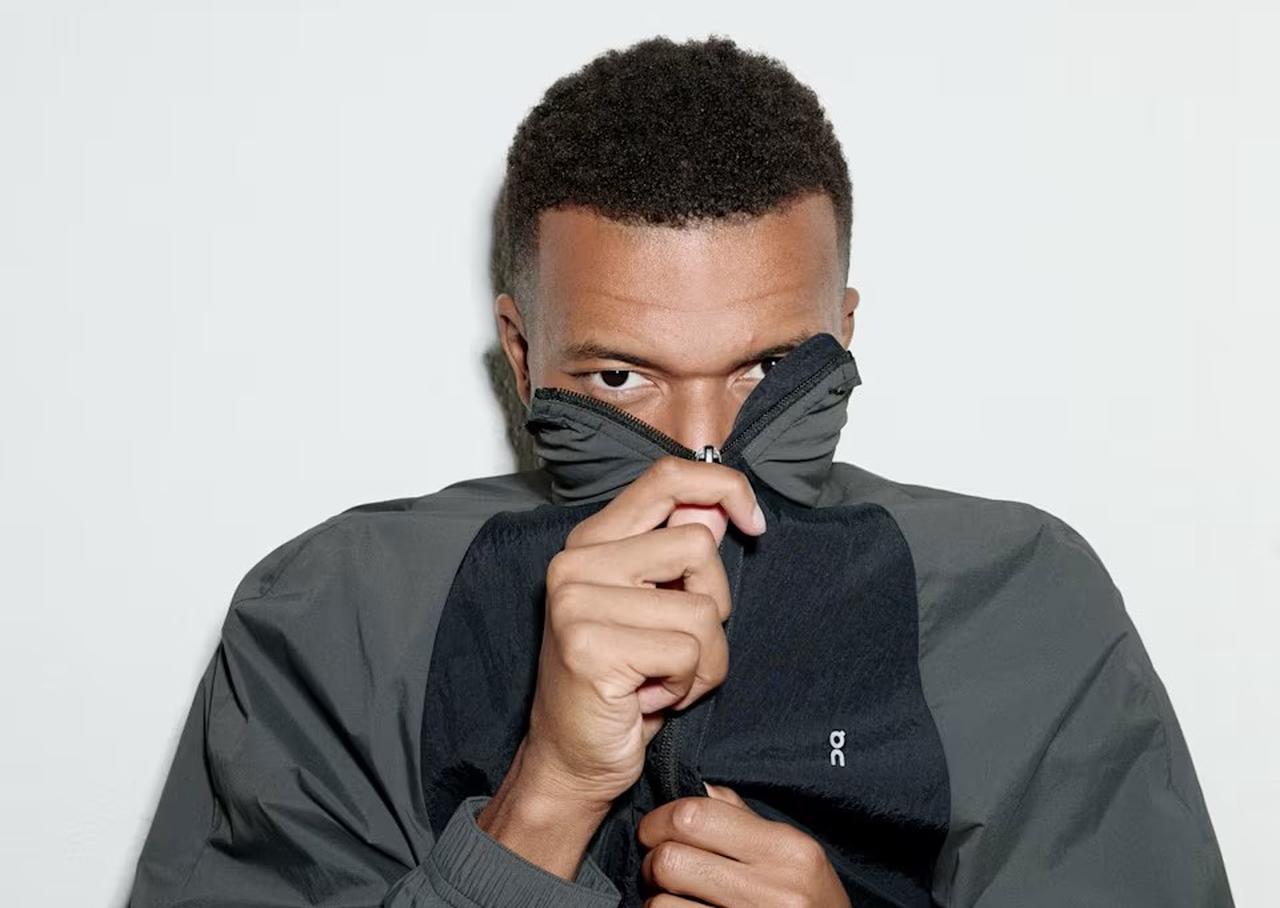
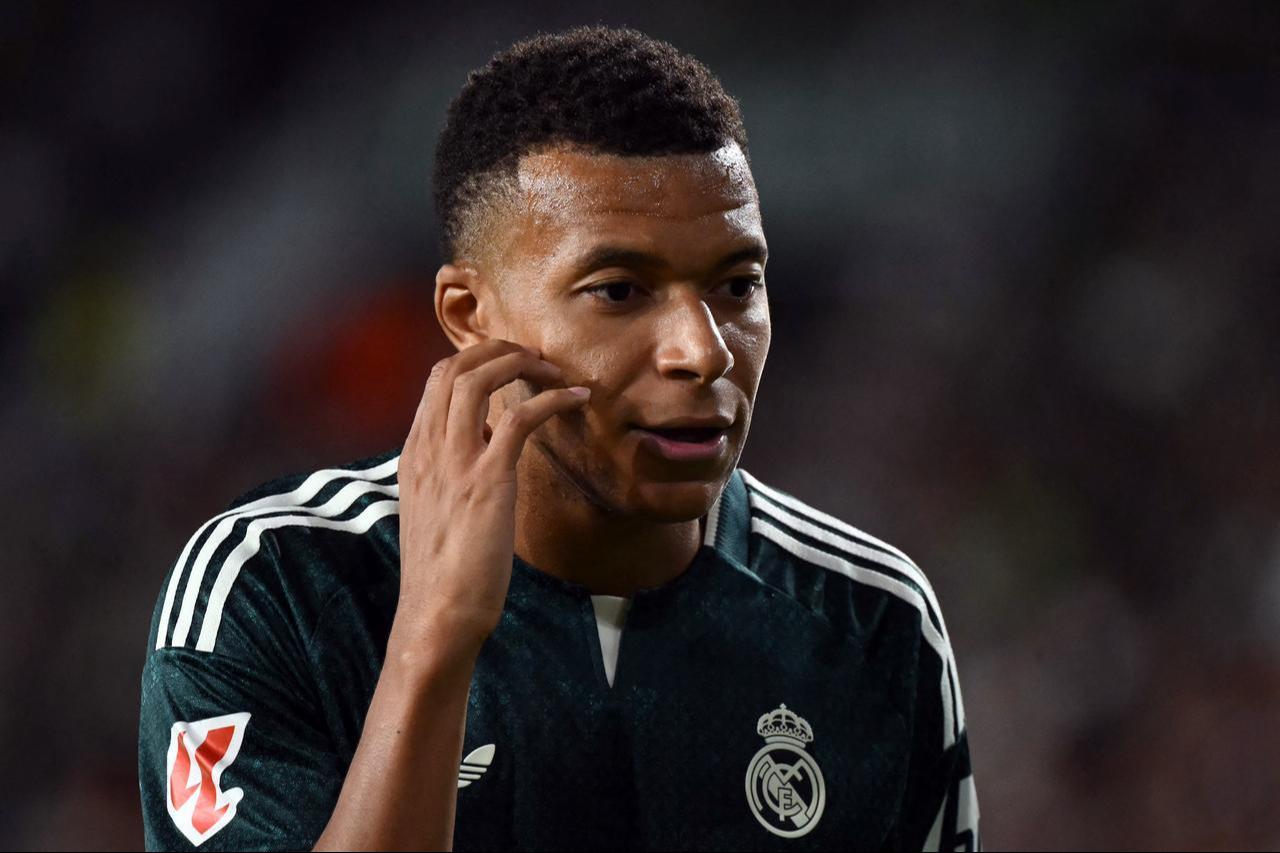
Kylian Mbappe has ended a 20-year partnership with Nike to join On, a Swiss sportswear brand co-owned by Roger Federer, as a shareholder and the centerpiece of the company's football project.
The deal breaks from a traditional sponsorship structure. Instead of a standard endorsement, Mbappe will acquire an equity stake in On, making him a partner in the brand rather than a paid brand face.
On the same day, the company confirmed that Thierry Henry, the former France and Arsenal striker, has been appointed its Football Director.
Henry has reportedly held an undisclosed role at the company since 2025 and personally led the process of persuading Mbappe, whose Nike contract had expired, to join the On project.

The move reflects a broader shift in how star athletes approach sponsorship. Rather than joining the crowded rosters of major established brands, some athletes are opting for equity stakes and a say in decision-making. Federer pioneered this model at On.
The Swiss player ended a 24-year relationship with Nike in 2018 to sign a clothing deal with Uniqlo, then chose On, then not yet publicly listed, for footwear in 2019 and became a shareholder in the brand.
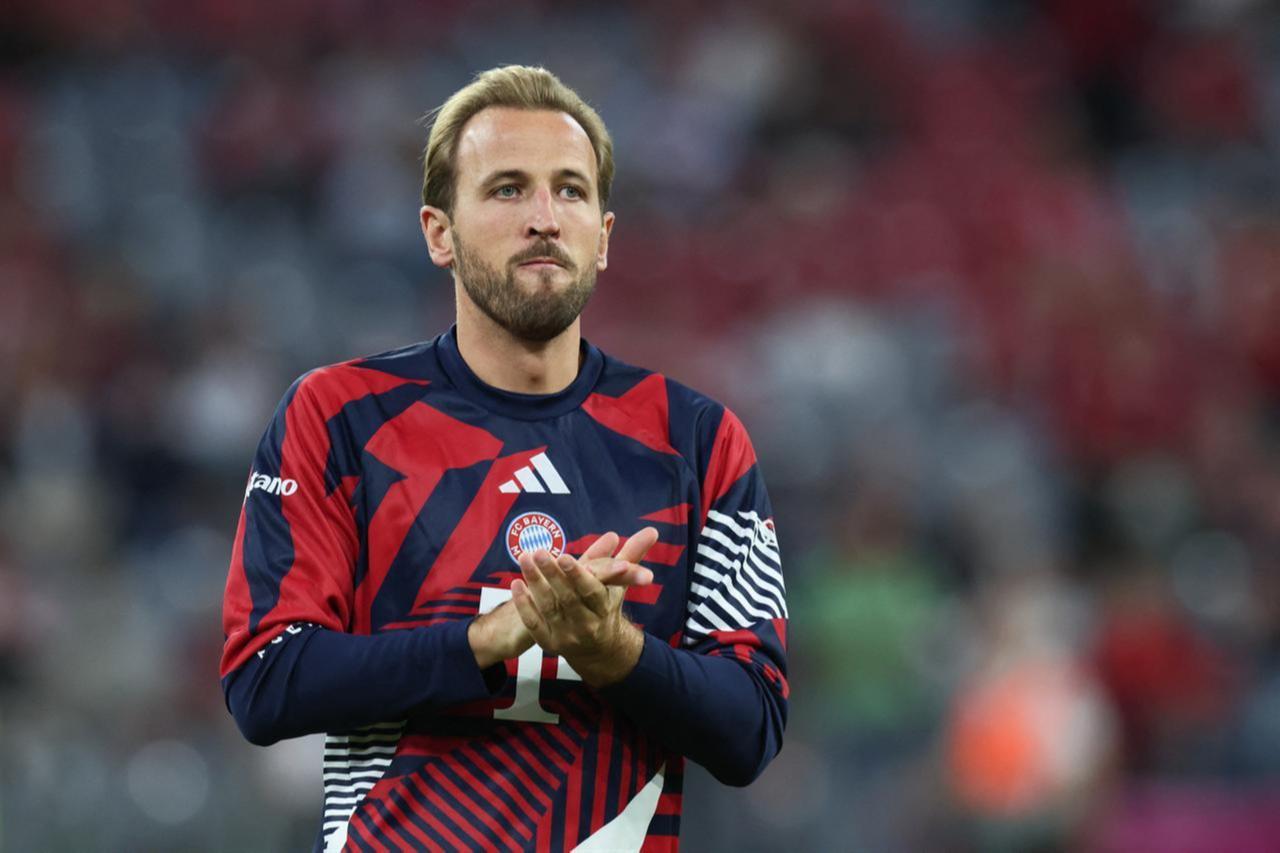
A similar pattern has appeared elsewhere in sports. England captain Harry Kane, whose boot deal carries no historical brand legacy, became the on-field face of Skechers. In basketball, Stephen Curry left Nike for Under Armour in 2013, helped grow the brand's market share and later launched his own sub-brand within the company.
Nike shares fell by approximately 2.3% on Friday following confirmation of the Mbappe departure. The company, already undergoing restructuring with its shares down nearly 30% for the year, faces a further blow to its market position.
Nike had reportedly planned to build its global football marketing around Mbappe as Cristiano Ronaldo and LeBron James, longtime faces of the brand, enter the final stages of their careers.
The loss of Mbappe follows Nike's earlier loss of rising young star Lamine Yamal to Adidas, a development expected to deepen the company's market difficulties.
The setback traces back to a model Nike itself created. The company's first Michael Jordan endorsement in 1984, followed by the Air Jordan line, reshaped sponsorship deals and helped drive Nike's growth into a global brand.
That partnership culminated in 1997, when the Jordan brand became an independent subsidiary. Nike was the company that first gave an athlete the opportunity to become a brand rather than remain the face of one. Nearly 40 years after transforming the industry, Nike now appears to trail the trend it started.
On faces a significant financial test of its own. The brand, which has expanded rapidly in running and tennis in recent years, has built its presence around a small roster of elite athletes. Its tennis roster includes Iga Swiatek, a six-time Grand Slam champion, and Ben Shelton, runner-up at the most recent US Open.
The brand's reach extended to basketball in January 2026, when Curry wore Federer's signature On The Roger Pro Fire tennis shoes during an NBA game.
In women's football, Sydney Schertenleib of Barcelona has joined the project as the face of On's boot development for female athletes.
Financial analysts note that football is the most expensive sponsorship arena in the sports industry.
On's signing of Mbappe represents a significant financial commitment, and the brand is expected to substantially increase operational spending in coming years to sustain its growth and establish itself in mainstream football.
On's first football boots are expected to reach retail shelves in 2027, positioned in the premium segment. Mbappe is reportedly set to wear prototype boots on the pitch in the coming weeks, ahead of the commercial release.


 Set as preferred source
 Set as preferred source


 2 min read