Newsletters


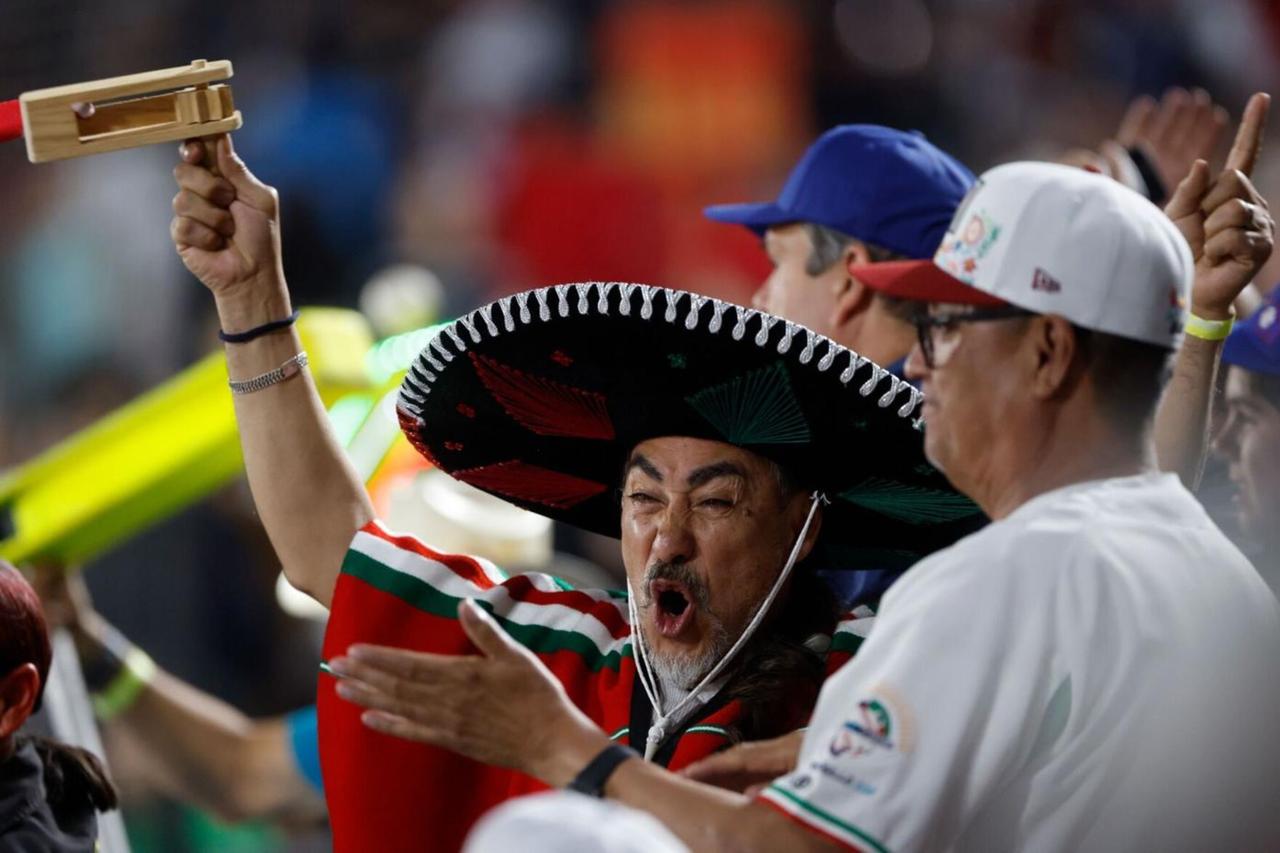


The opening match of the 2026 World Cup put one of Mexico's most recognizable fan traditions under the spotlight, as the sound of the matraca reached viewers through the broadcast and quickly became a talking point on social media.
Often compared with the vuvuzela that shaped the sound of the 2010 World Cup, the matraca stood out during Mexico's match against South Africa, not only inside the stadium but also among those watching from home.
During the match, viewers began asking where the high-pitched, rattling sound was coming from. Some questioned whether it was caused by the commentator's microphone, a technical issue in the broadcast, or another problem with the sound feed.
The source later became clear: the sound was coming from the matraca, a traditional cheering instrument widely used by Mexican supporters.
A matraca is a hand-turned noise-making instrument used in stadiums and public celebrations. When rotated, it produces a loud, rhythmic rattling sound that can carry across large crowds.
In Mexican football culture, the instrument is closely linked with fan support and matchday atmosphere. It is especially visible and audible during Mexico's games, where supporters use it to back their team and add to the energy of the stands.
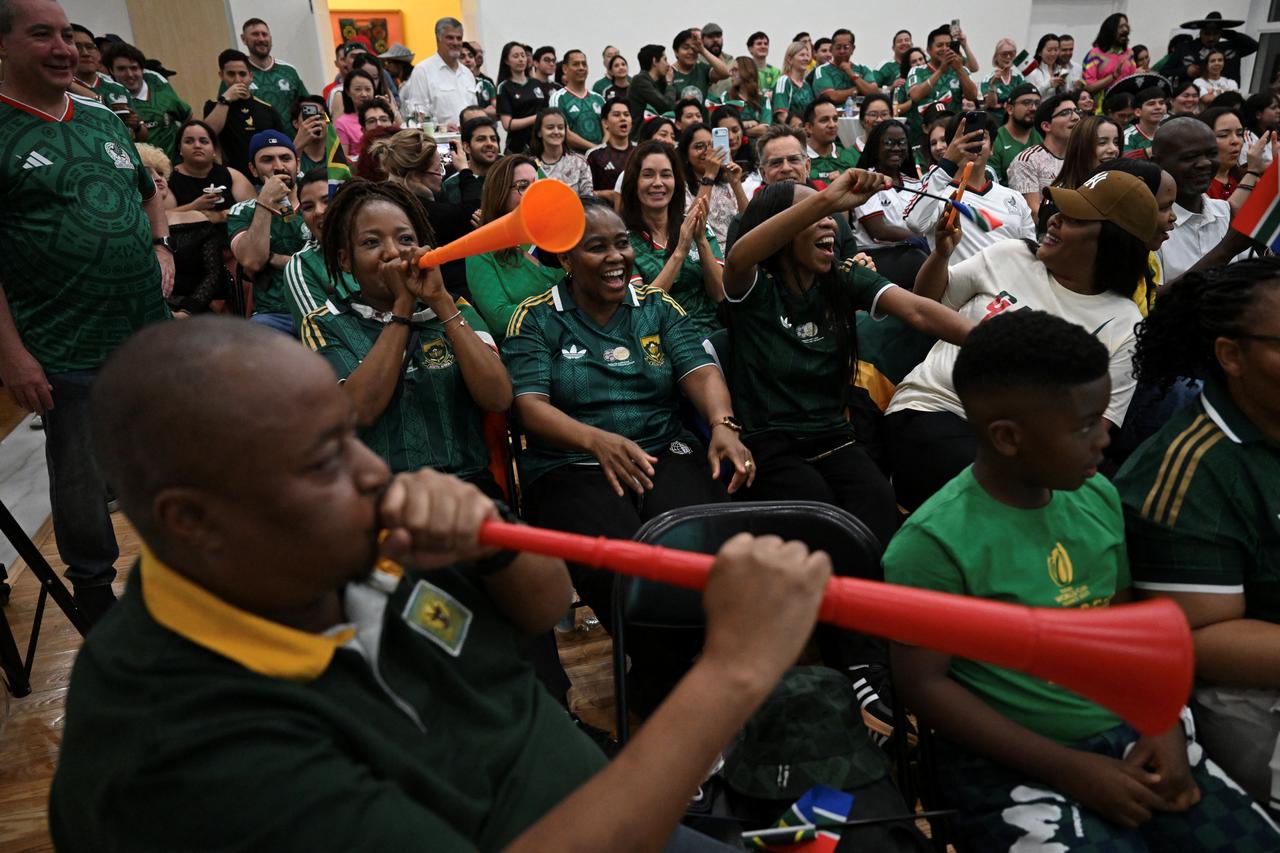

The noise drew comparisons with the vuvuzela, the plastic horn strongly associated with the 2010 World Cup in South Africa. While the two instruments are different in form and sound, both have become linked with how a tournament can be remembered through its stadium atmosphere.
For some viewers, the matraca became one of the most noticeable details of the opener, turning a traditional Mexican cheering tool into an early symbol of the 2026 World Cup broadcast experience.


 Set as preferred source
 Set as preferred source



 3 min read