Newsletters


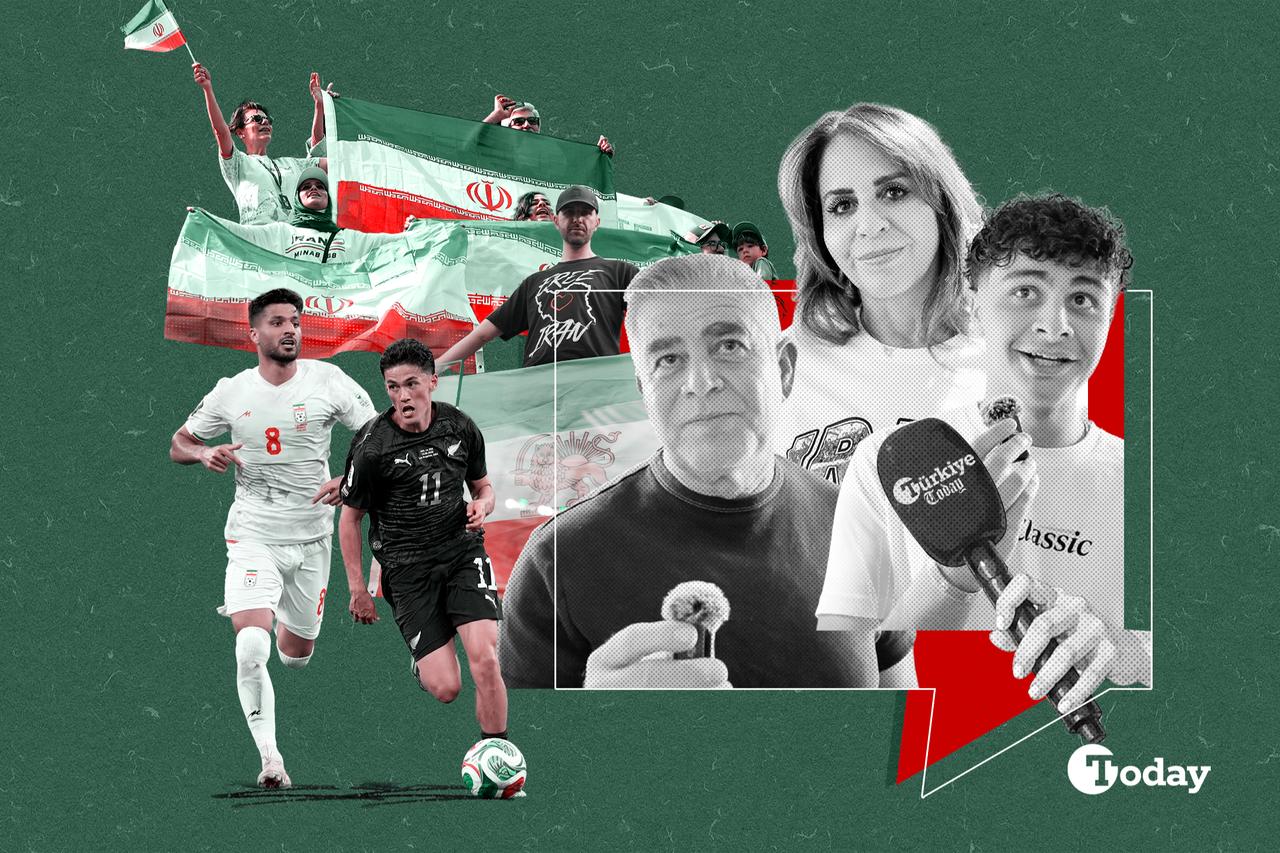


The Iranian-American Community Center in D.C. looked like an unfailingly welcoming space, but a doubt hung in the air last night—a worry that things might turn heavy as Iran opened its 2026 World Cup campaign against New Zealand.
The cultural center, decorated with Persian art and loaded with food, had pulled together Iranian-Americans of all opinions into the same room, under the same roof, watching the same game. It was, by any measure, an enjoyable evening. It was also a tense one.
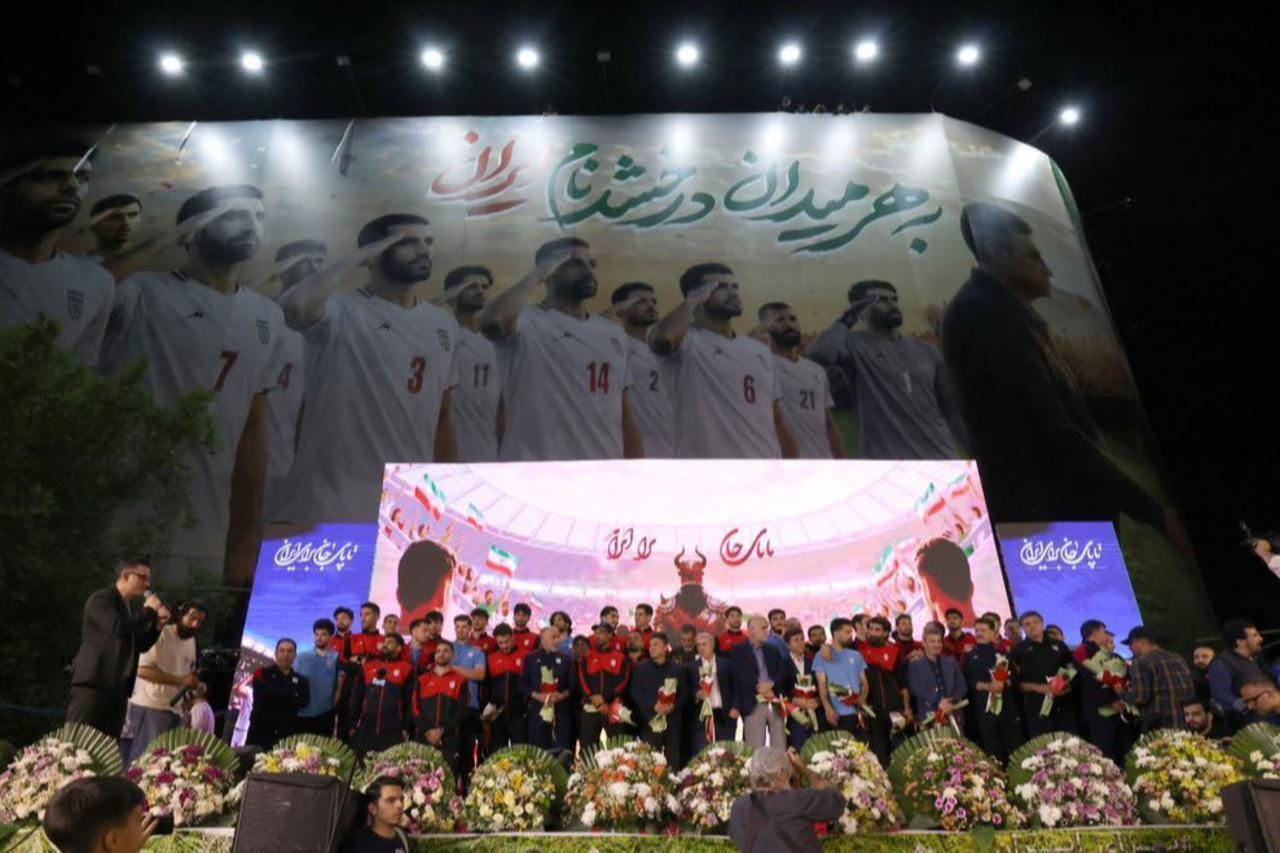
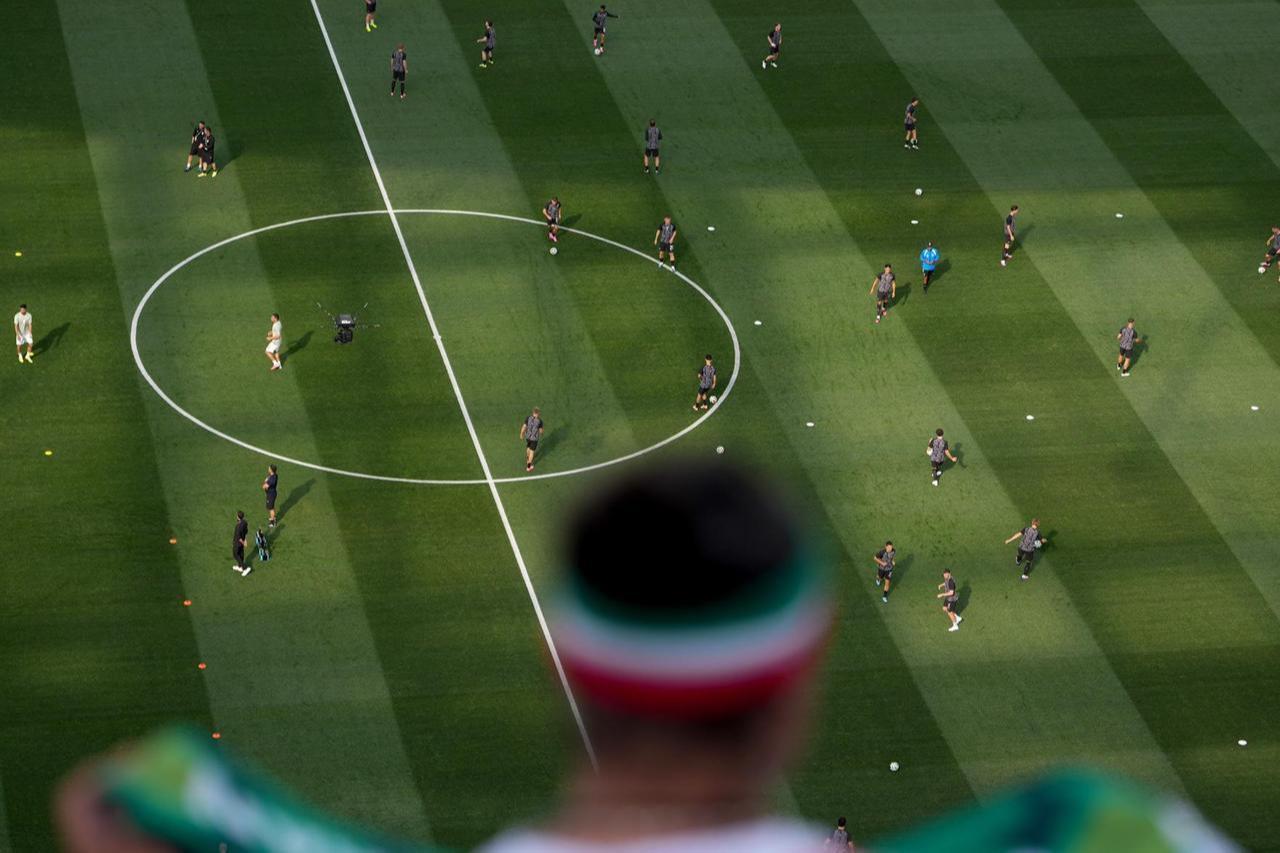
The circumstances made it impossible to be otherwise. For the first time in World Cup history, a host nation is at war with one of its participating teams. That conflict shaped everything around Iran's presence in the United States long before the first whistle.
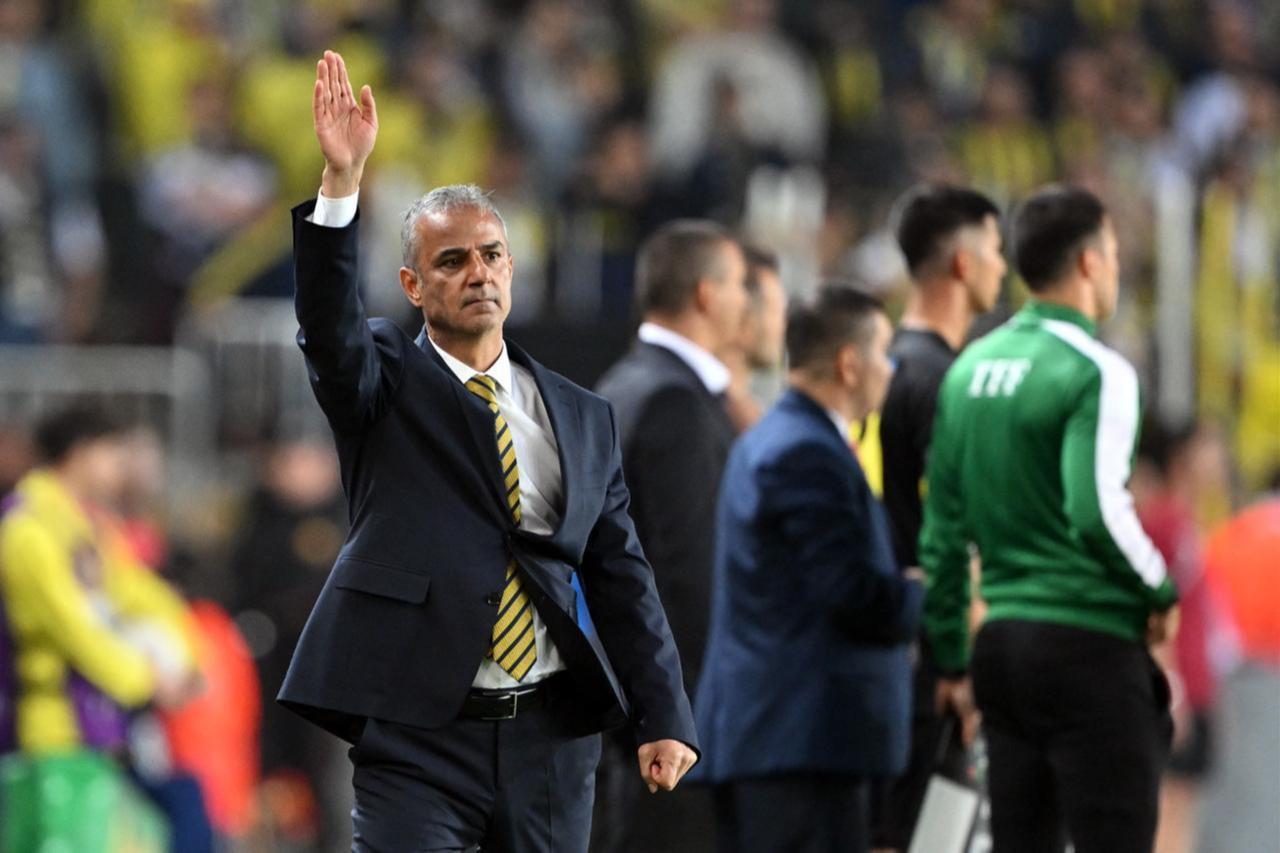
Iran's head coach, Amir Ghalenoei, addressed the question at his pre-match news conference through a FIFA interpreter, in careful and deliberate terms. "I would like to let you know that we are here to play football and we are here to represent the respectful people of Iran, be it the Iranians inside Iran or the Iranian diaspora," he said. "We only think about our country. We are not political people."
Whether the diaspora watching from Washington, Los Angeles, and cities across the United States would grant him that depended entirely on who you asked.
It was, in miniature, the condition of the entire Iranian diaspora this World Cup: a community that shares a language, heritage and a team, but is sorting through grief, anger, and love in real time.
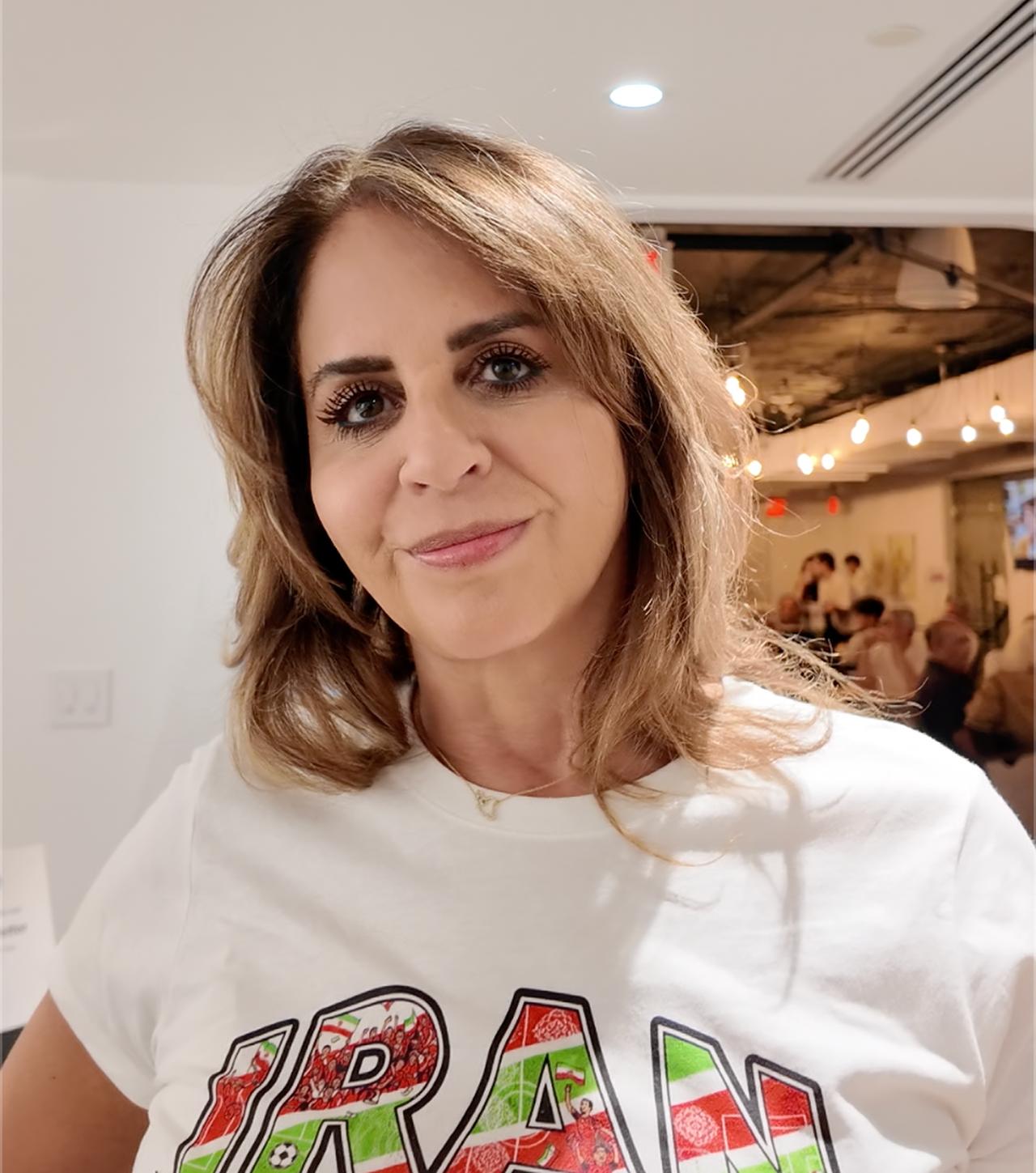

Alexandra Leila Bennett, an Iranian-British football fan, had no patience for the framing that cast the match as anything other than sport, along with many others that I talked with. "This is definitely something out of politics," she said before kick-off. "These players, they have been playing since childhood, maybe six years old, ten years old. They have worked their way up. This is their passion, their dream."
Her frustration was less with the politics than with the conditions the team had been made to endure. "They made it this far," she said, her voice sharpening. "I am disappointed in FIFA. They should have backed this team up. The Iranian team—they're staying in Mexico. Every time they have a game, they're only allowed 24 hours. That is not human."
Others at the venue echoed that the United States bore responsibility for framing the team's presence as a political problem. "The United States is making it about politics, making it difficult for these kids to come here," one American-Iranian told Türkiye Today. "I find it to be naive on the part of the greatest nation in the world to do these kinds of things to kids."
Another Iranian fan, who had played soccer professionally, kept it even shorter. "It's a sport. A sport should always be separate from politics and religion. They are playing soccer for all Iranians."
Not everyone in the room arrived with uncomplicated feelings. Julie Marotti, an activist against the Iranian regime who grew up in Los Angeles and was in college during the revolution, came to the match carrying a longer and heavier history.
"When we first entered this war, I was very enthusiastic because I believed that this was going to be the gateway to freedom for the Iranian people," she said. "I'm quite disappointed how it turned out because I think they have a long road ahead of them before they can finally be free."
And yet she was there, and she was rooting for Team Melli.
"In the name of all the Iranian people, it's very important to support the team. It has nothing to do with politics. These are young men who worked very hard to get where they are." She acknowledged that many in the diaspora felt differently—that watching the national team felt like endorsing the state behind it.
As a person who had spent years opposing the regime, she rejected that equivalence. "Every Iranian in the diaspora supports the Iranian team and understands that they're not affiliated with the regime. They are just young Iranians playing their hearts out to win."
Mehrdad, an Iranian fan who had made long drives to watch previous Team Melli matches and came to Washington for this one, was harder to place. He was there. He wanted to support them. But something was holding back the full extent of it.
"A young generation got killed on the streets of Iran," he said. "That's why a lot of people are so sad and heartbroken." He spoke of players who had been dropped from the squad for political statements—or, in some cases, for their absence.
"Some of them, they didn't even say anything to support their own people. They're claiming they love that they are from Iran. And they were like, 'We are all Iranian.' But overall, the people are really upset with the whole situation."
What troubled him the most was something subtler than politics—it was the way the players themselves seemed constrained. "They've always been under the control of the regime, what they're going to say, how they're going to react," he said. "They're not completely themselves. They don't allow them to show their emotions."
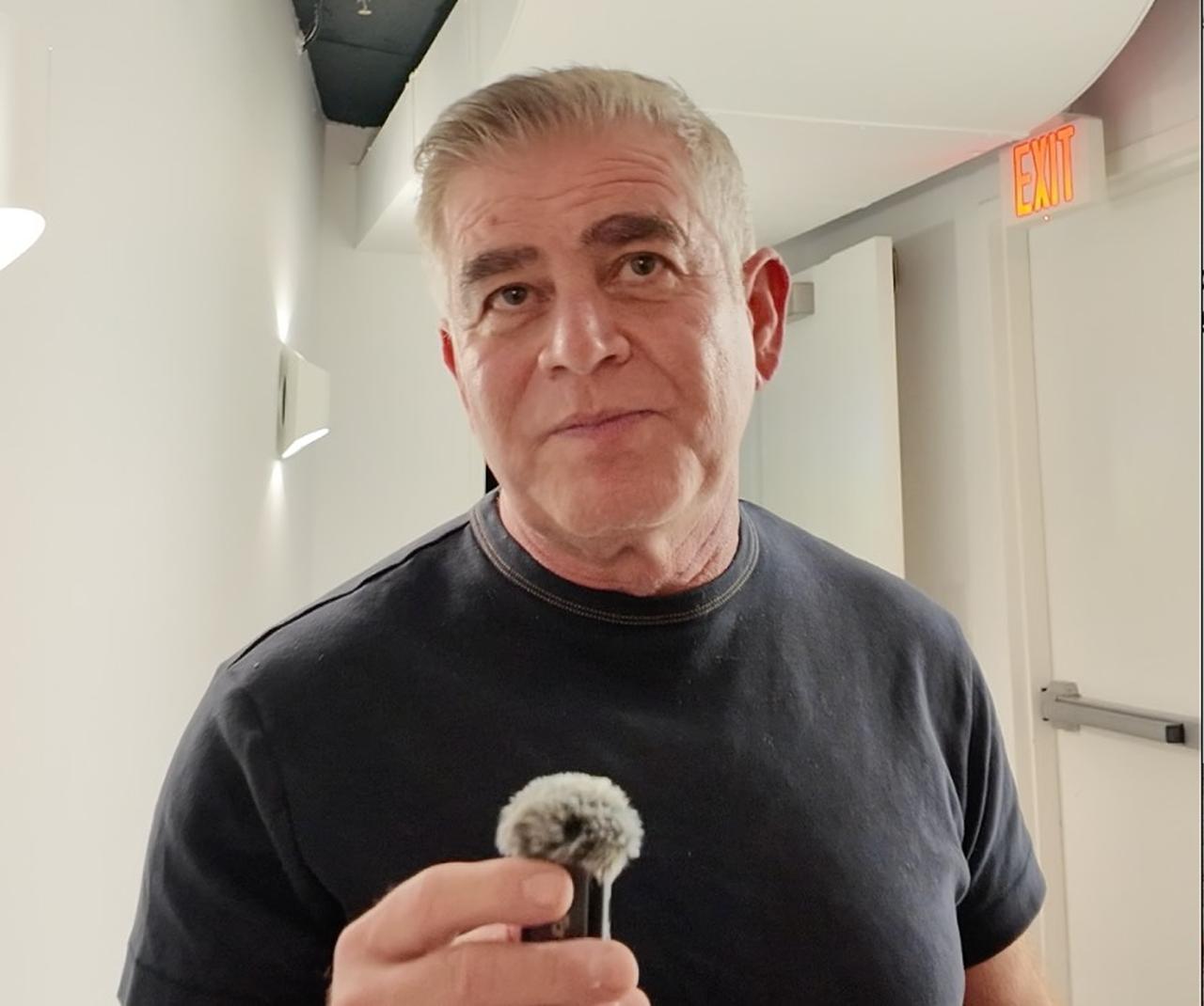
Another American-Iranian fan sitting near the back of Pars Place—secular looking in his bearing—had already picked Team Melli to finish second in their group. Everyone called him crazy. He didn't care. What was wearing him down was something else entirely: what he had been reading online for weeks.
"Unfortunately, a lot of Iranians, especially overseas, have been so against this team," he said. "I hear them and I read them. This is not political. It's a bunch of soccer players trying to make their country proud." He let that sit for a moment. "I don't care if you're political or not. This is the time to be behind your country and cheer them on. Shame on anybody who doesn't."
He knew what was coming outside the stadium in Los Angeles—the protests, the counter-demonstrations, the flags that would divide the crowd before the anthem was done. "But shame on anybody who's cheering against them. Independent of the ideologies." He shook his head. "I think a lot of people that I know around me—they're very political. I don't understand it."
M. Ahmedinejad, an Iranian fan sitting nearby, offered a constructed separation of the evening. He was proud of the players. He was also clear that cheering for them carried a message that had nothing to do with the government that nominally sent them.
"I think that the fact that this particular year, we have so many people killed by the government—the message you're going to see from the stadium is not that they are not cheering for their team," he said. "They're going to be giving a message in support of the Iranian people who are suffering from that regime."
He could not blame the players. "You can't blame the kids that are born in that country and have worked all their life to be in the World Cup. They're born there. They're part of it." But he wanted the stadium, and the watching world, to understand what the noise in the stands actually meant. "We are thinking of you—the outside Iranians are with you, with the people, not with the regime."
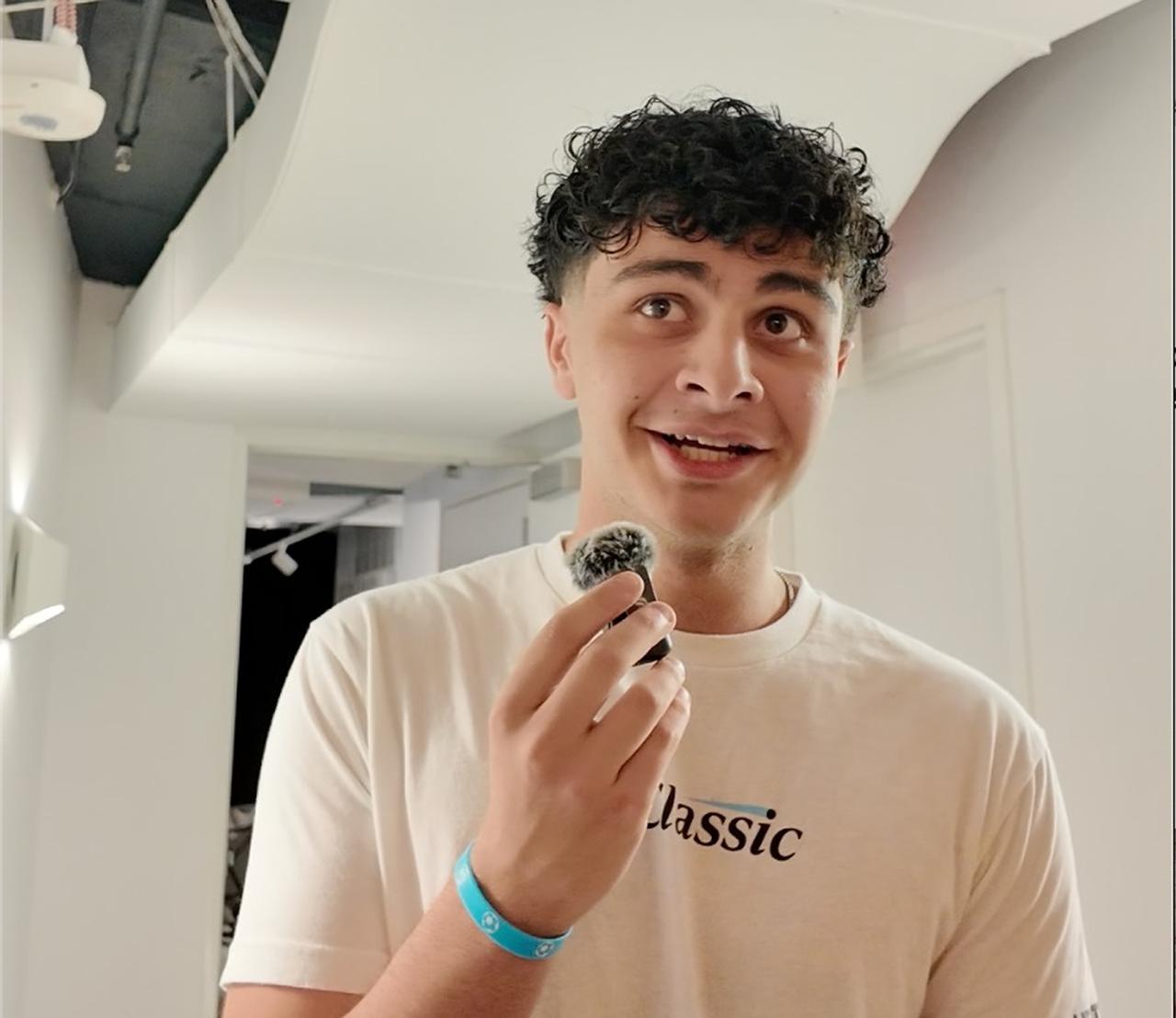
Near the end of the evening, a younger American-Iranian, who was born in the United States and has visited Iran twice, said something that cut through all of it.
"I feel like our community is coming together again. It reminds me of 2018 when my dad took me to the Mosaic in Fairfax. We sat in a theater and watched the game. Just bringing the community together is a good thing always—especially with everything going on back home."
He thought for a moment. "There's obviously going to be politics always with our country and the games. But we try to stay away from it. I know our players try to stay away from it. Our community around here tries to stay away from it."
He leaned back. "But I know even if we score one goal today, everyone's going to erupt in here."
They sure did.


 Set as preferred source
 Set as preferred source


 3 min read