Newsletters


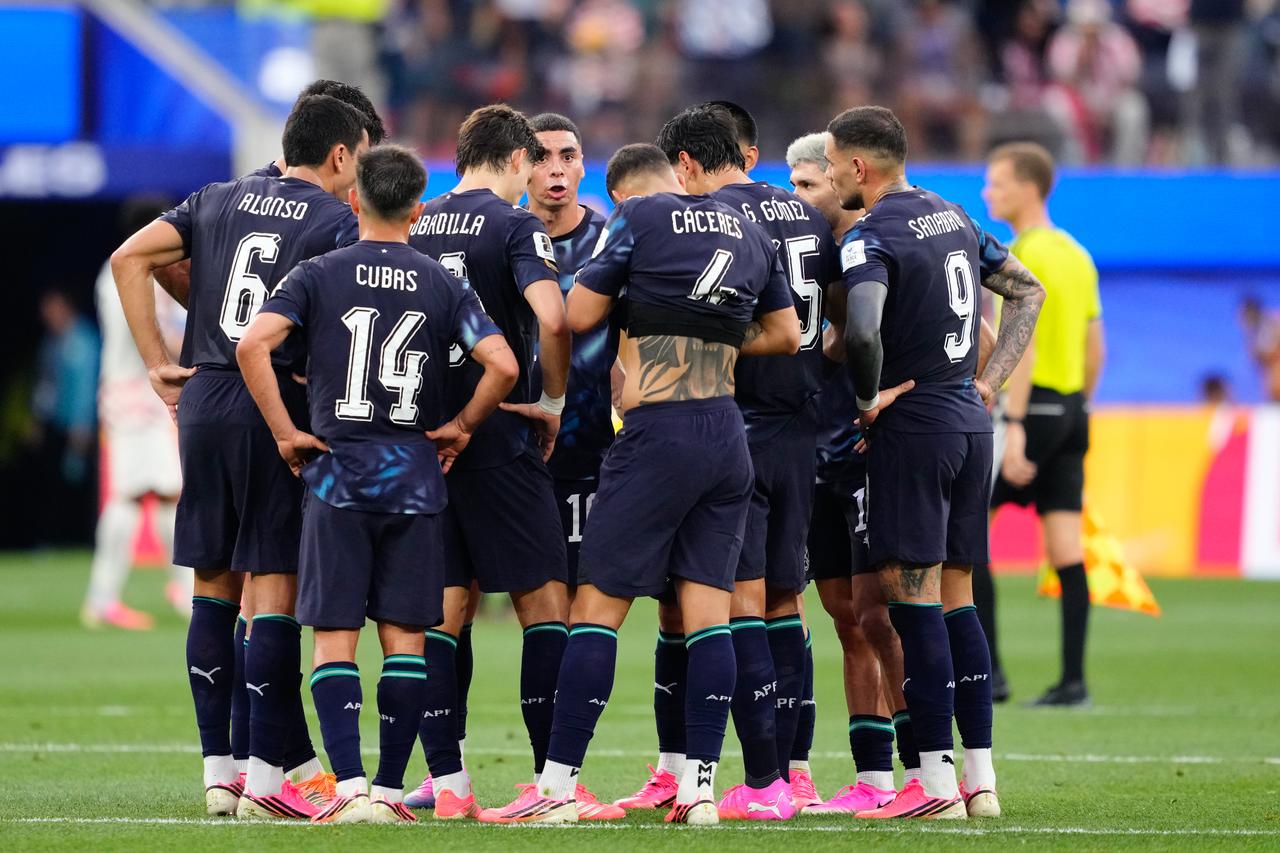


Paraguay secured its return to football's greatest stage by reclaiming its traditional identity: defensive resilience and collective intensity.
According to The Guardian's tournament guide, the transformation was engineered by manager Gustavo Alfaro, who took over the Albirroja, meaning the "White and Red," referring to the team's striped jerseys, following the dismissal of Daniel Garnero after a dismal Copa America campaign.
Alfaro quickly revitalized the side, remaining faithful to a disciplined 4-4-2 formation in nearly every match, only shifting to a back five to navigate grueling, high-altitude qualifiers against Ecuador and Bolivia.
Consecutive home victories over South American giants Brazil and Argentina silenced skeptics and proved the rejuvenation was real. Under Alfaro's tenure, Paraguay suffered just a single away defeat during qualifying, a lone loss to Brazil.
The team ultimately sealed qualification with a tense 0-0 home draw against Ecuador, triggering such nationwide euphoria that Paraguayan President Santiago Pena declared a national holiday.
While the Albirroja's foundation relies on physicality and defensive rigor—hallmarks of Alfaro’s career, which includes leading Arsenal de Sarandi to the 2007 Copa Sudamericana and guiding Ecuador to the 2022 World Cup—the current squad also boasts creative flair, building smoothly from the back to unleash the game-changing talent of Julio Enciso.
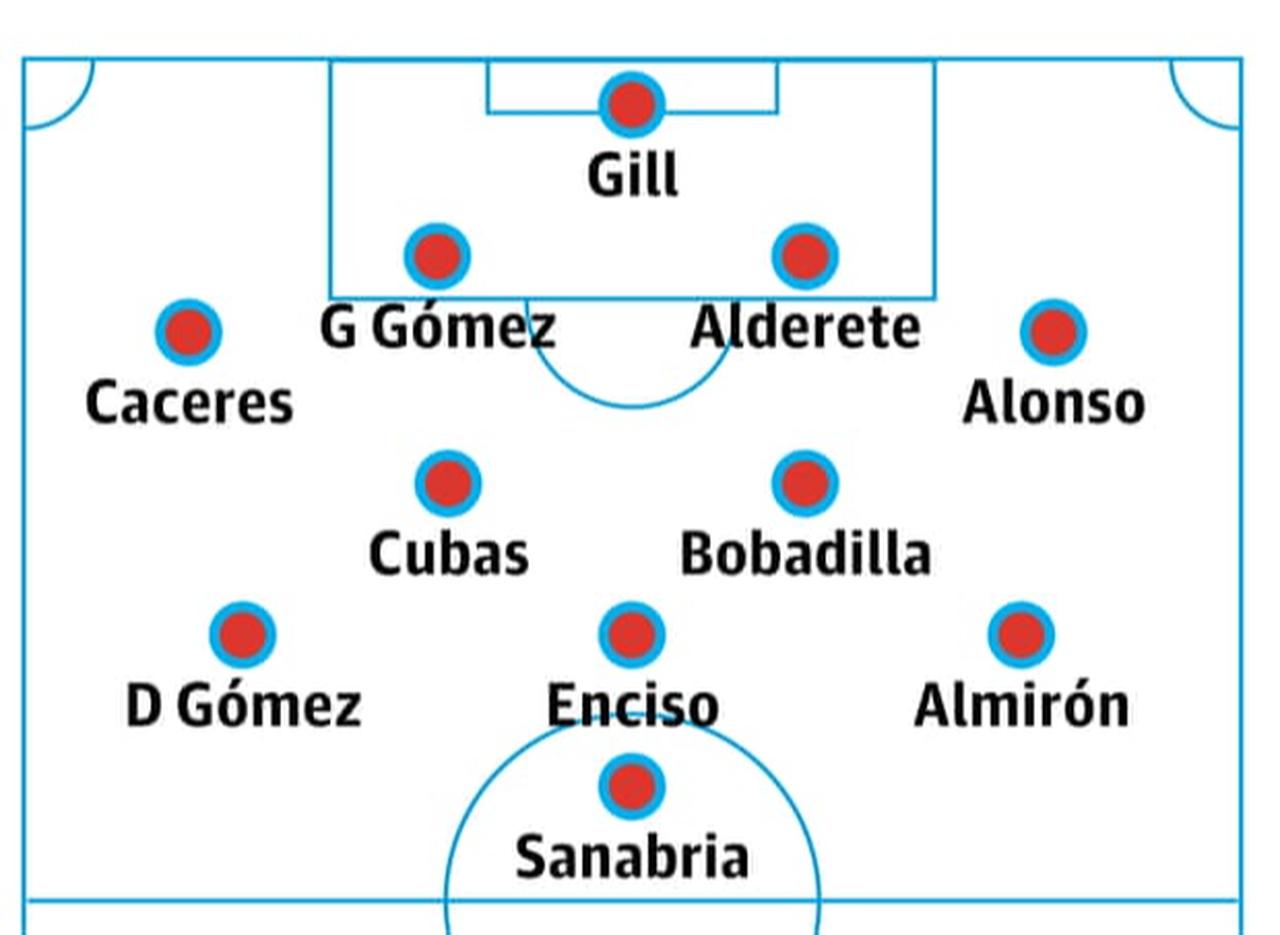

Among the squad's standout talents is Brighton winger Julio Enciso, a dynamic attacker known for his explosive pace and widely regarded as one of the finest prospects Paraguayan football has produced in the last two decades. Nicknamed "La Joya" (The Jewel), the former Strasbourg loanee made his senior international debut at just 17 and now serves as the national team's primary difference-maker in the final third.
He is complemented in midfield by Damian Bobadilla, a dynamic 24-year-old box-to-box midfielder currently starring for Brazilian giants Sao Paulo. Anchoring the side's entire tactical structure is Andres Cubas; despite his modest 5-foot-6-inch frame, Cubas’s tenacity and defensive intelligence provide vital balance, anchoring the midfield and launching rapid transitions upon regaining possession.
This tactical resurgence has ignited massive enthusiasm at home. Ending a 16-year World Cup absence, thousands of Paraguayan fans are expected to travel to the United States, despite hefty travel packages starting at $20,000. The streets of host cities like Inglewood and Santa Clara are poised to be flooded with the traditional Paraguayan Tricolor and the iconic Albirroja jerseys.
The tournament also highlights the close geopolitical ties between the two nations. Diplomatically, Paraguay and the U.S. remain staunch allies, with President Peña previously describing Donald Trump’s reelection as “a dream come true.” The relationship has not been without its lighter moments; earlier this year, Trump publicly complimented his Paraguayan counterpart as a “young, handsome guy,” before jokingly clarifying to his audience that he had no interest in young, handsome men.
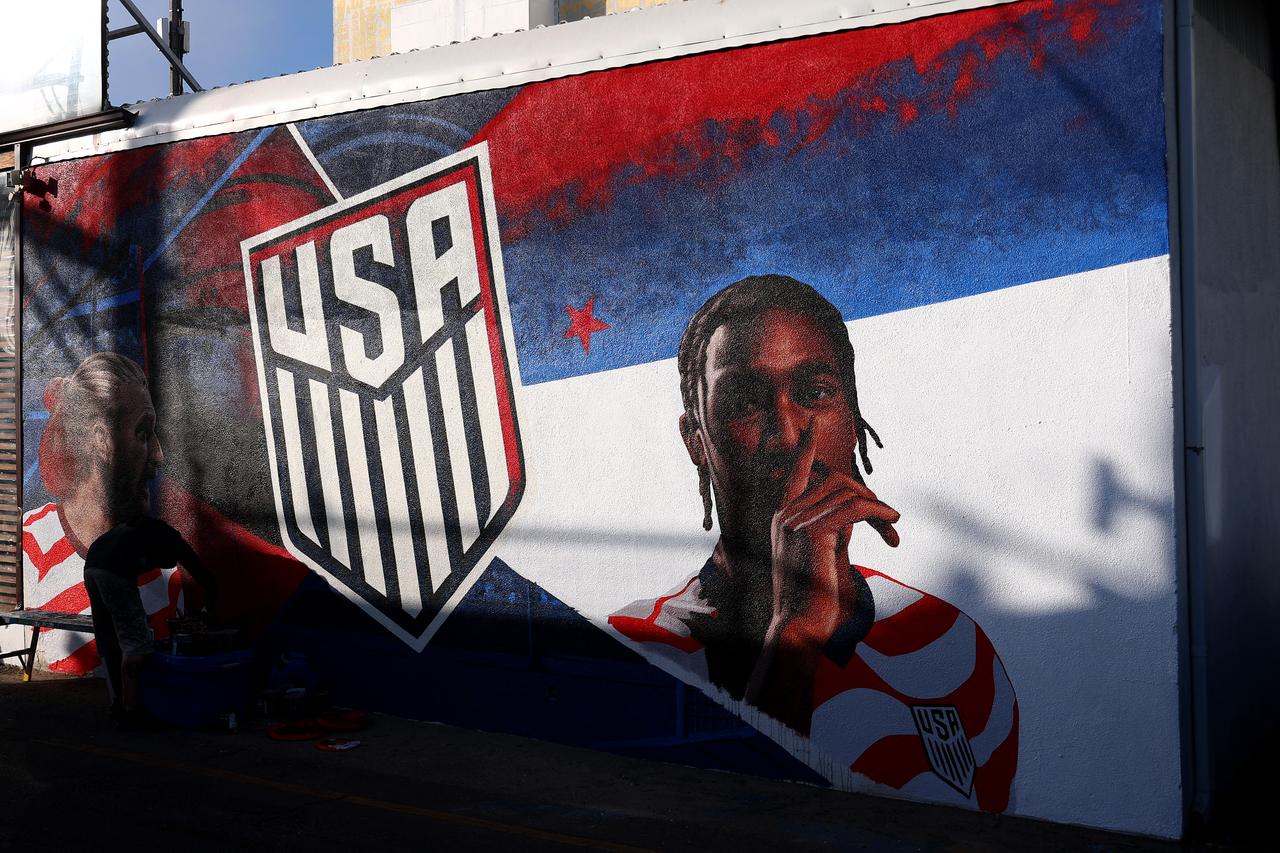
Paraguay enters the matchup looking to bounce back from a challenging start to the tournament, having suffered a 4-1 defeat against the United States in the opening Group D match on June 12, 2026, at Los Angeles Stadium.
The host nation took early control of the game after an unfortunate own goal by Paraguayan midfielder Damian Bobadilla in the seventh minute, followed by a first-half double from American forward Folarin Balogun.
Although second-half substitute Mauricio managed to pull one back for Alfaro's side in the 73rd minute to provide a brief glimmer of hope, a stoppage-time strike from Giovanni Reyna sealed the decisive victory for the Americans, leaving Paraguay eager to secure its first points of the competition.


 Set as preferred source
 Set as preferred source


 1 min read
 1 min read