Newsletters


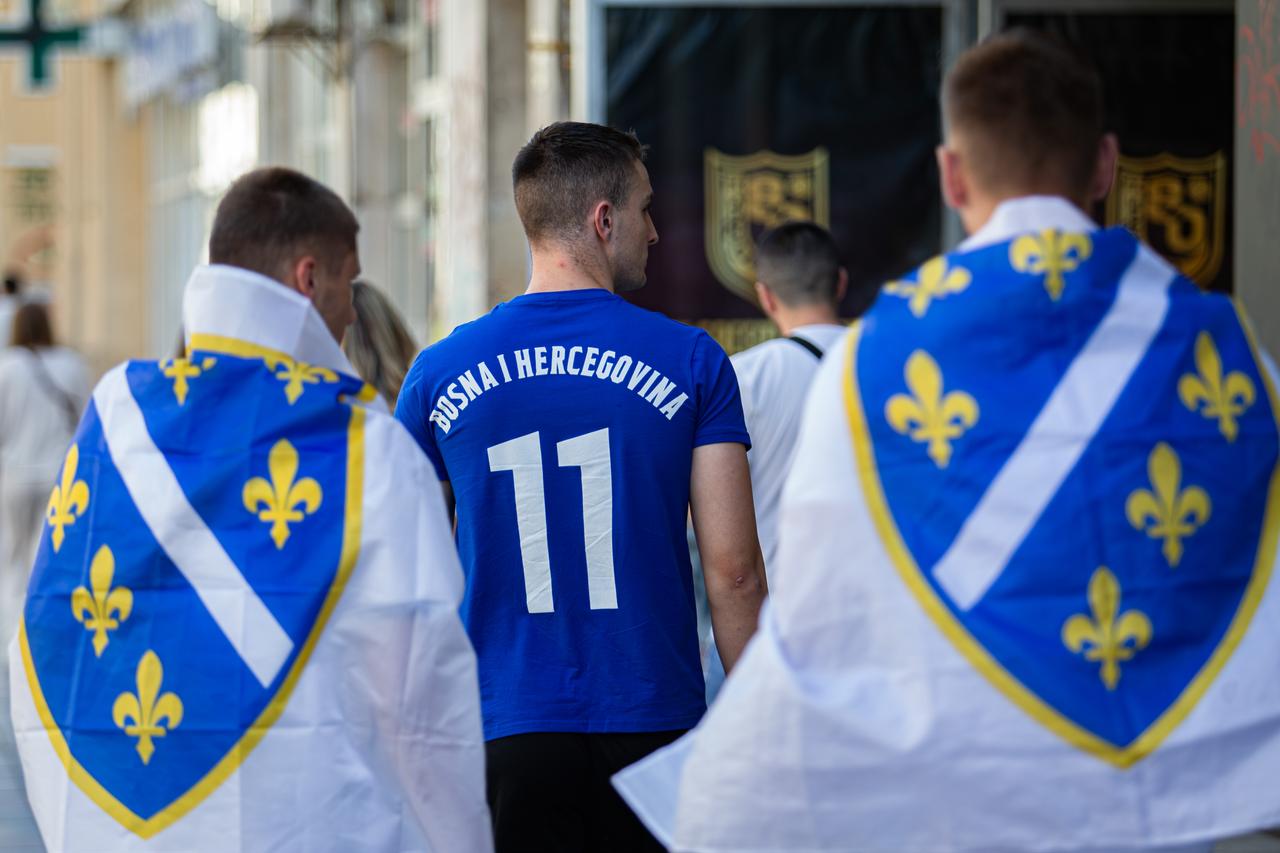


Not long ago, Bosnia and Herzegovina’s national football team seemed trapped in a cycle of disappointment.
The golden generation that carried the country to its first World Cup in 2014 had faded. Qualification campaigns ended in frustration, coaches came and went, and for many Bosnians the national team increasingly reflected the country itself: full of potential, yet too often unable to fulfill it.
And yet, somehow, Bosnia is back.
The country has qualified for the World Cup for only the second time in its history. On paper, few expect it to challenge football’s traditional powers. It lacks the financial resources, squad depth and global stars of the tournament’s heavyweights.
But as kickoff approaches, something unusual is happening.
Bosnia and Herzegovina is quietly becoming one of the World Cup’s favorite neutral teams.
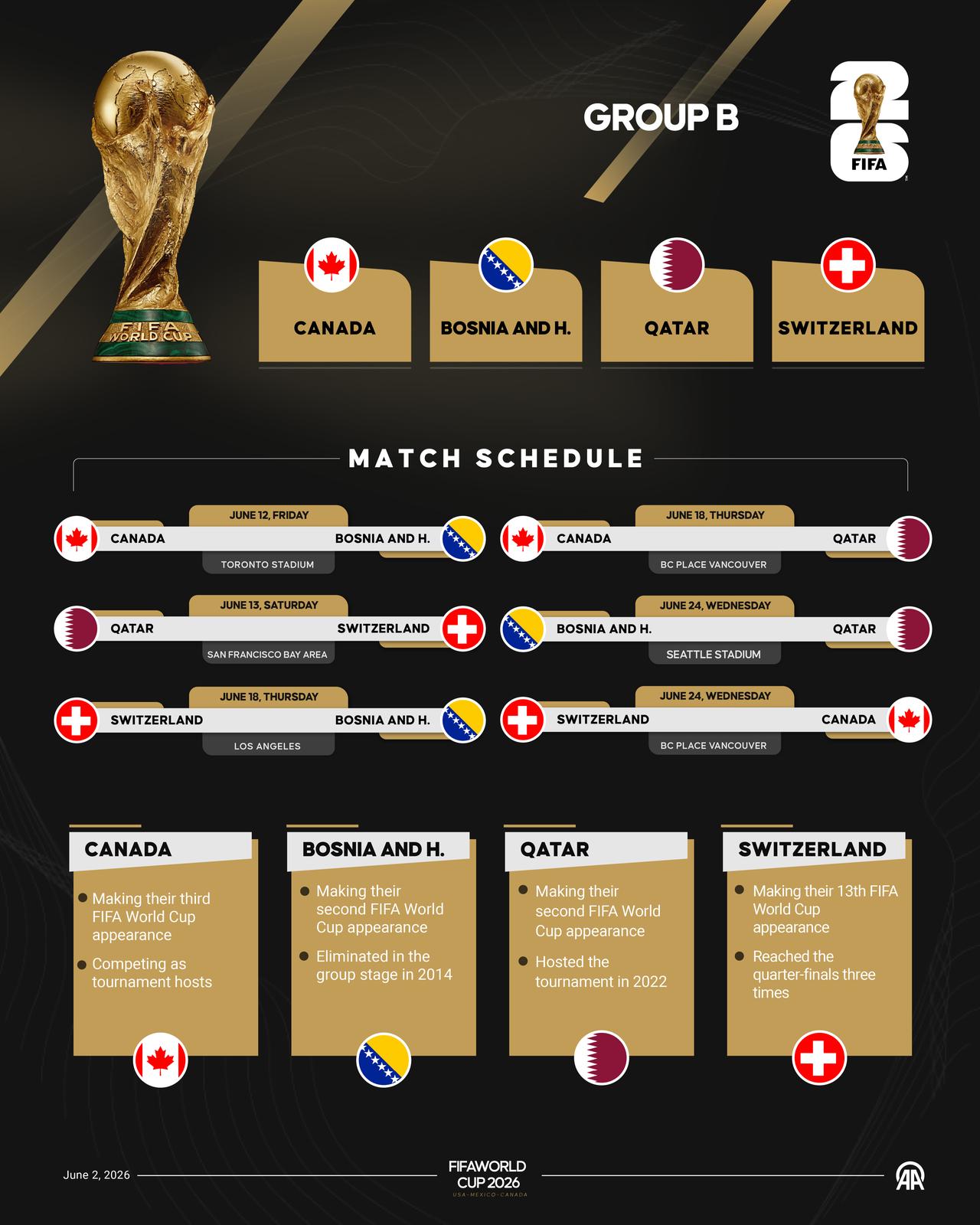

Part of that appeal comes from football itself.
Bosnia qualified the hard way, overcoming stronger opponents and defying expectations to book its place in North America. At a time when international football can often feel increasingly commercialized and predictable, its journey feels refreshingly authentic.
But there is something deeper behind the growing sympathy for this team.
For millions around the world, Bosnia represents a story far larger than football.
It is a country that emerged from Europe’s bloodiest conflict since World War II. A country whose scars remain visible in its politics, society and collective memory. A country that continues to wrestle with political paralysis and economic challenges while somehow continuing to produce extraordinary stories of resilience.
Few players embody that story more than Esmir Bajraktarevic.
Born in the United States to parents who survived the genocide in and around Srebrenica, Bajraktarevic could have represented another nation. Instead, he chose Bosnia and Herzegovina.
When he helped secure Bosnia’s place at the World Cup, many supporters saw more than a footballer celebrating qualification.
They saw the son of survivors carrying his family’s story onto the world’s biggest sporting stage.
In many ways, he represents modern Bosnia itself.
It is a nation shaped not only by those who remained but also by those who left. Millions of Bosnians now live across Europe, North America and Australia, forming a diaspora that has become one of the country’s greatest assets through investment, knowledge, culture and, increasingly, football talent.
The current squad reflects that reality.
Some were born in Sarajevo, Tuzla, or Mostar. Others grew up in Sweden, Germany, or the United States. They hold different passports and speak different languages, yet they are bound by a single homeland—one their families were once forced to leave.
Bosnia’s World Cup story is not only about the future.
It is also about one final chapter for a player who has carried the nation on his shoulders for nearly two decades.
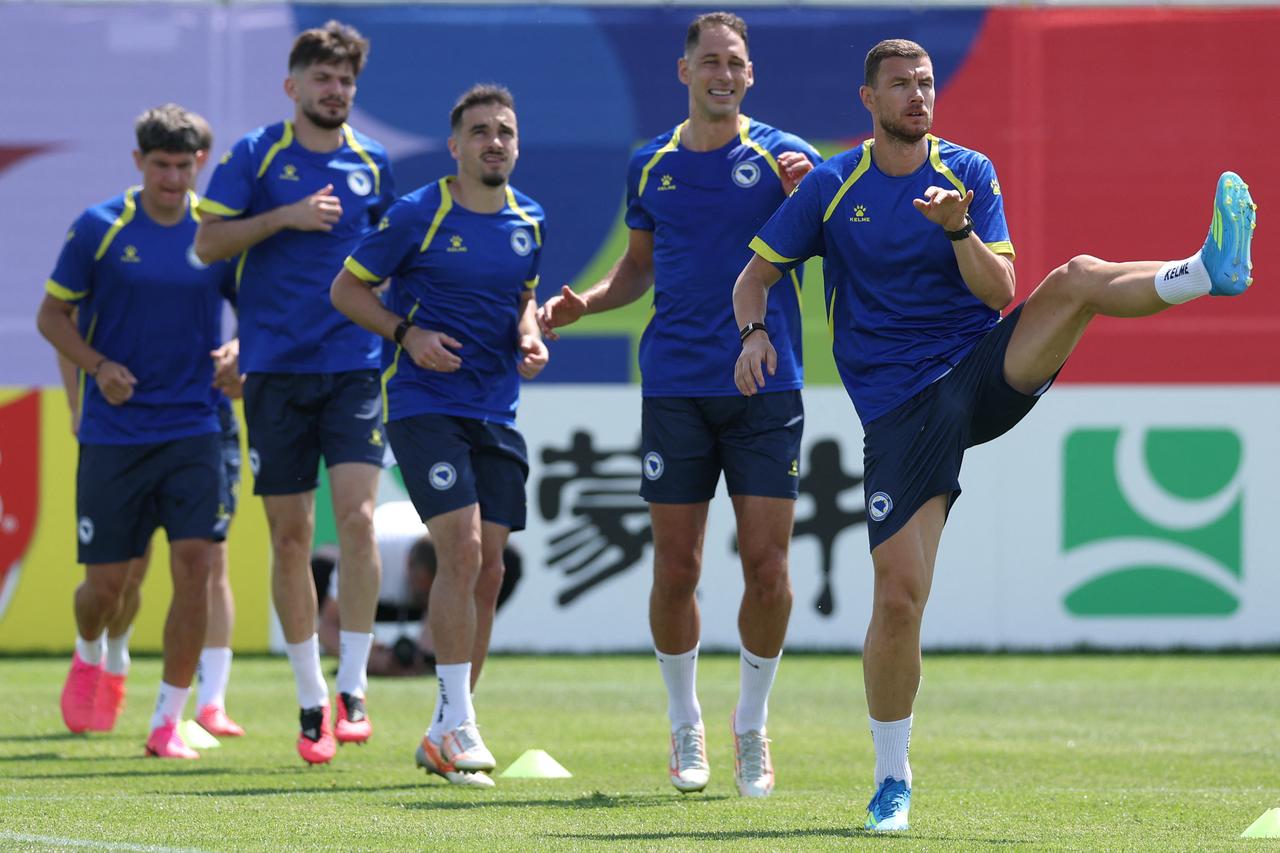
At 40 years old, Edin Dzeko is set to appear at what will almost certainly be his final World Cup.
For an entire generation of Bosnians, Dzeko has been more than a footballer. He has been the face of the national team, its captain, leader and enduring symbol through moments of both triumph and disappointment.
He was there when Bosnia reached its first World Cup in Brazil. He stayed when many others left. Through failed qualification campaigns, coaching changes and football politics, Dzeko remained committed to the national team.
That loyalty became a source of national pride.
In an era increasingly defined by transfers, contracts and short-term commitments, Dzeko simply kept showing up for Bosnia.
Now he returns for one final appearance on football’s biggest stage.
If Bajraktarevic represents Bosnia’s future, Dzeko represents its journey.
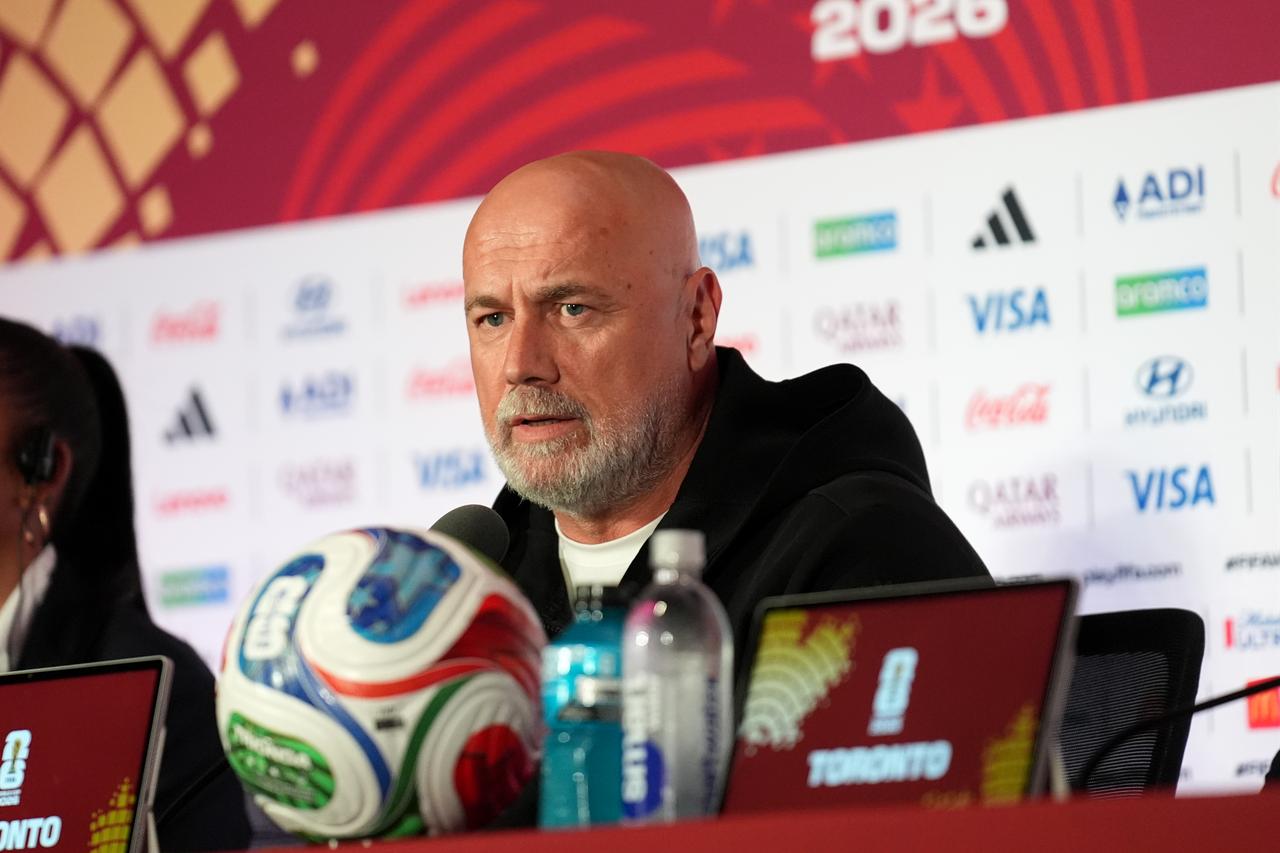
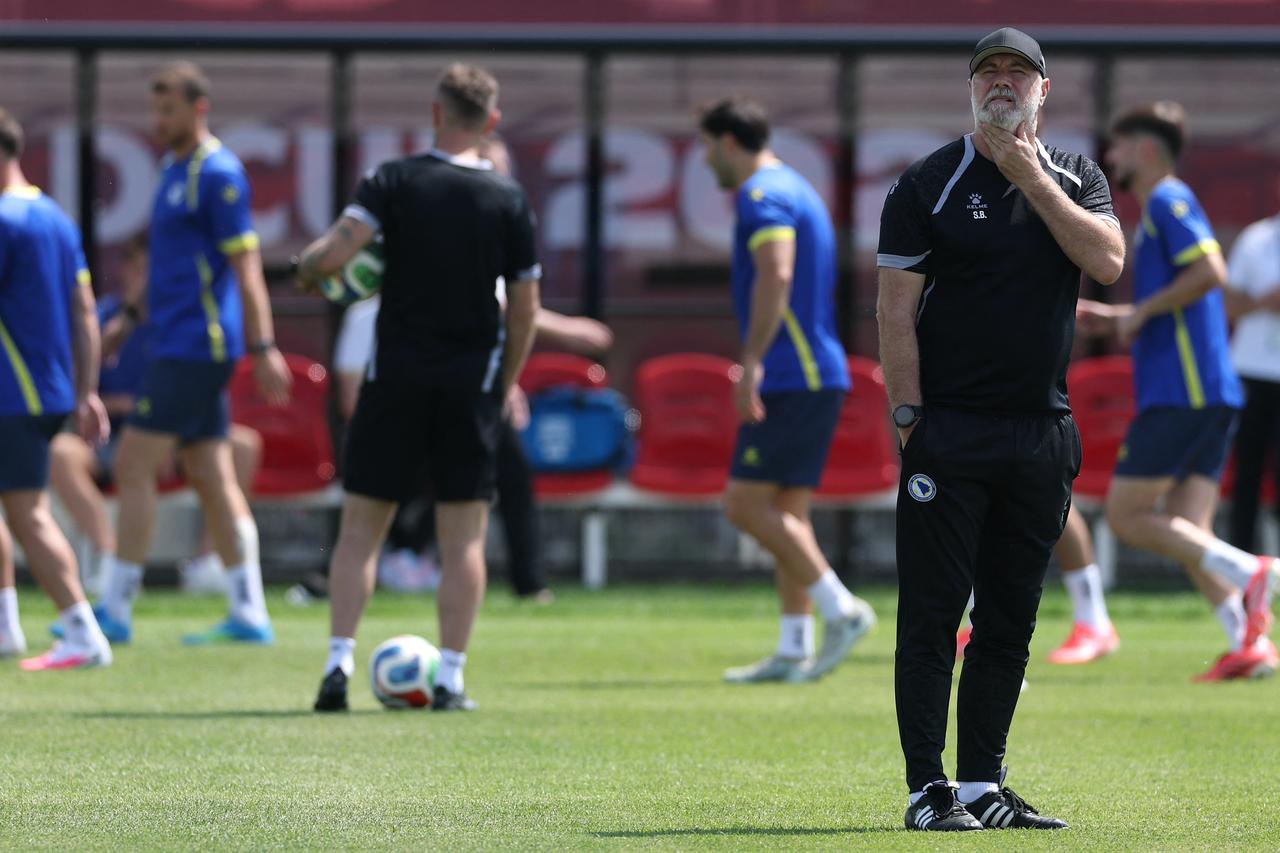
Another key figure behind Bosnia’s resurgence stands not on the pitch but on the touchline.
When Sergej Barbarez was appointed national team coach, many observers were skeptical. He lacked senior managerial experience and inherited a squad with little momentum.
Instead, Barbarez accomplished what many of his predecessors could not.
He restored belief.
Under his leadership, Bosnia once again began to look like a team. Young diaspora players became eager to wear the national shirt, veterans rediscovered their purpose and supporters who had grown disillusioned found themselves dreaming again.
Tactically, Bosnia may not rank among the tournament’s elite.
But football is often shaped by qualities that cannot be measured on a statistics sheet.
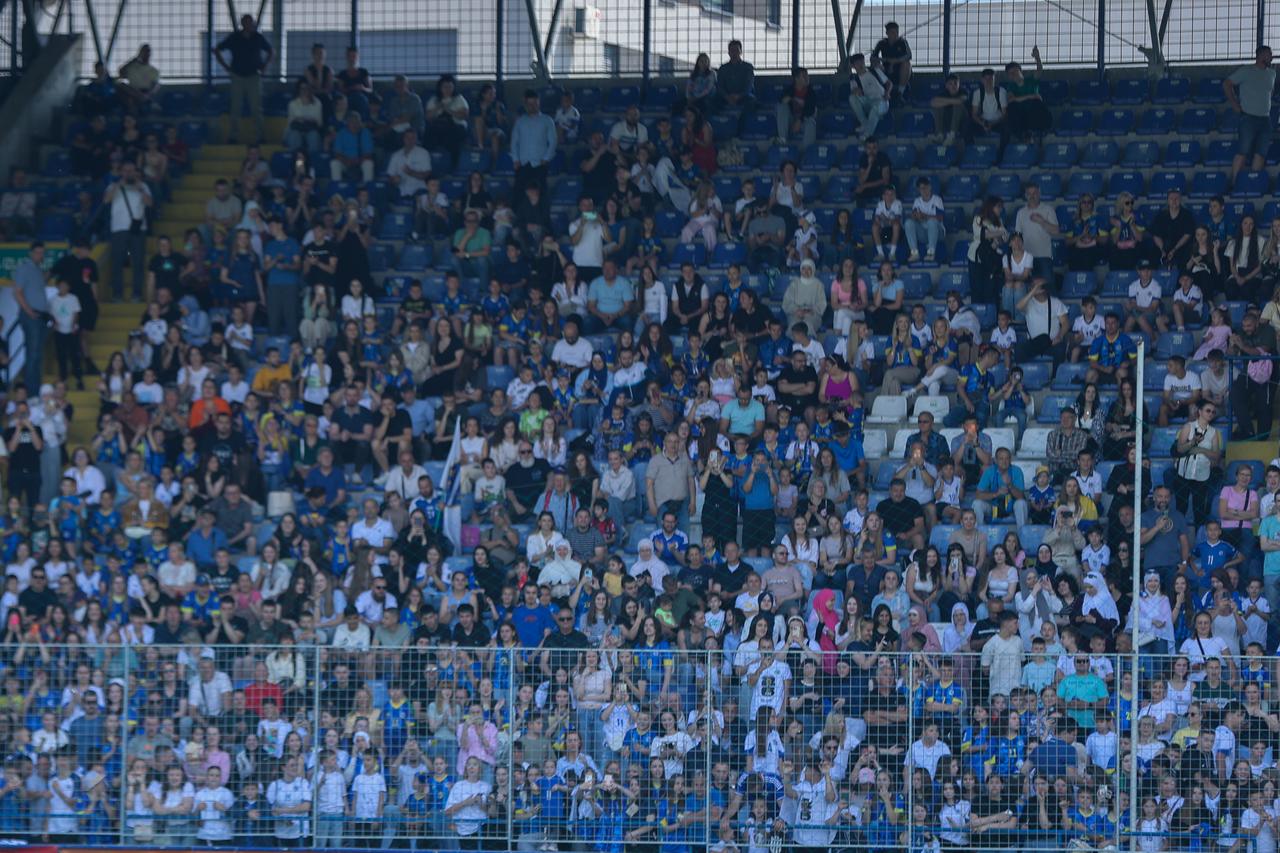
Then there is the soundtrack to Bosnia’s unlikely World Cup adventure.
For many football fans outside the Balkans, their first introduction to Bosnia has not been through a player or a match, but through a song.
Shortly after qualification, Dubioza Kolektiv’s hit "Take Me to America" began circulating across social media once again.
Originally written as a satirical reflection on migration, opportunity and the Balkan dream of building a better life abroad, the song resonated because it expressed a painful truth familiar to countless Bosnian families.
But with the World Cup taking place in the United States, Canada and Mexico, its meaning suddenly changed.
"Take Me to America" transformed from a tongue-in-cheek anthem about leaving Bosnia into an unofficial football soundtrack about bringing Bosnia to America.
Players sang it. Fans embraced it. Videos spread across social media.
Perhaps that helps explain Bosnia’s appeal.
For Bosnians, the World Cup is not simply another sporting event.
It is an opportunity to tell a different story about their country.
For decades, Bosnia has appeared in international headlines because of war, constitutional disputes, ethnic tensions and political crises. Far less often has it been seen through the lens of ambition, talent and possibility.
Football offers that chance.
There will be moments when emotion must give way to discipline and tactical execution. But World Cups have always been about more than statistics. Every tournament produces a team that captures the imagination of neutral supporters—a team that reminds people why football became the world’s most popular sport in the first place.
This year, Bosnia and Herzegovina may be that team.
Not because it is expected to lift the trophy, but because it represents something increasingly rare in modern sport: a national side whose story feels bigger than football itself.


 Set as preferred source
 Set as preferred source


 1 min read
 1 min read